Breeding the best Arabian horses an everyday affair in Payson
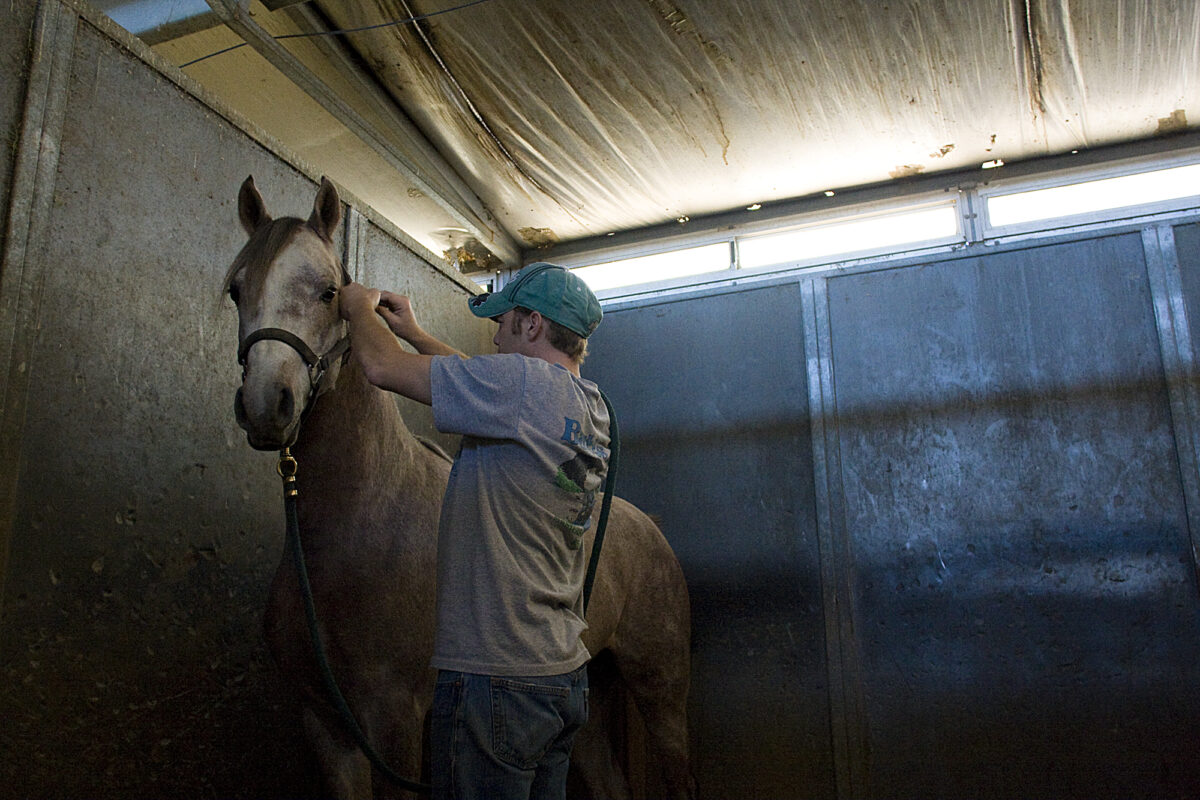
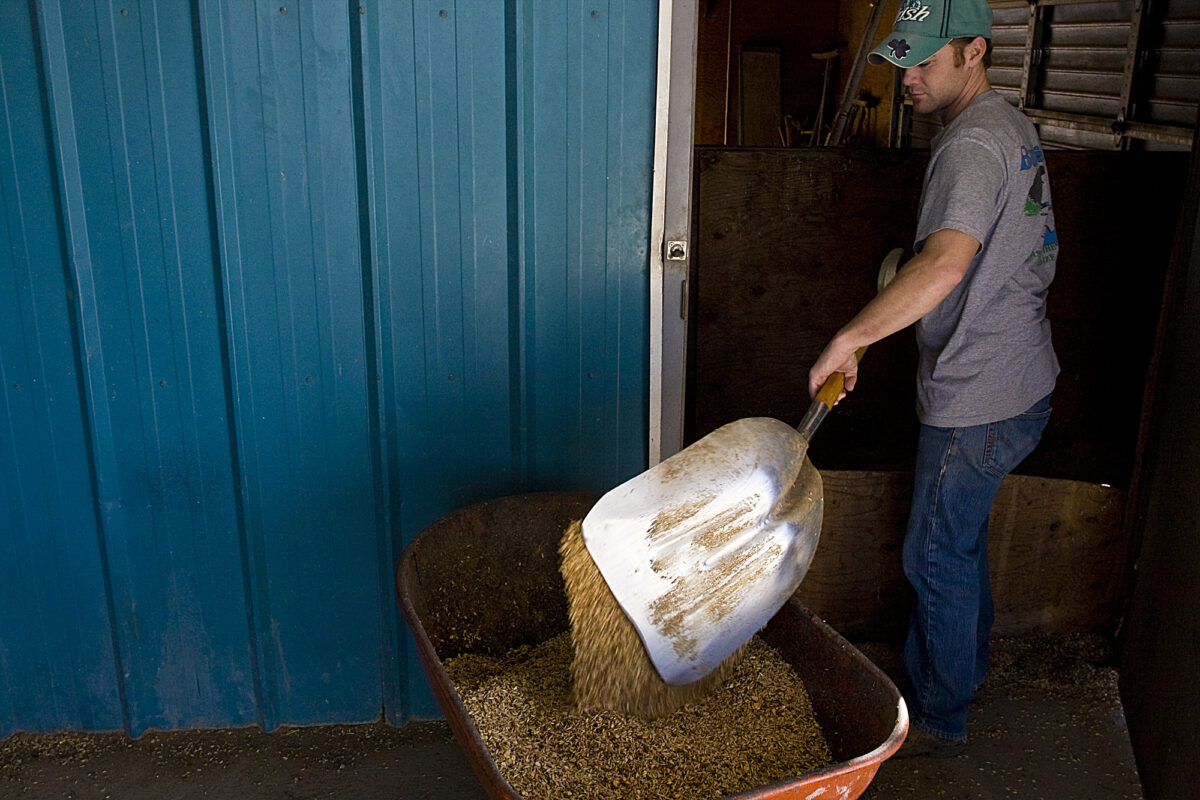
PAYSON — Traveling from Africa to Payson to buy Arabian horses from Russia might seem geographically circuitous, but such is the pedigree of the purebreds at Taylor Ranch.
Folks come to Taylor Ranch from all over the world to buy the breed that traces clear back to ancient Bedouin warfare. In fact, most modern horse breeds trace back to Arabians, manager Isaac Taylor said, but the wide, bulbous eyes, narrow heads and slender bodies of the modern Arabians have stayed pure since those desert days.
“They look delicate, but they’re sneakily strong,” he said, noting the thick bone structure that has given the horses their storied endurance.
Located just off Interstate 15 in Payson, Taylor Ranch breeds Arabians and sells them all over the world. They specialize in Russian breeding, which Taylor described as cultivating a blend of characteristics found in the strong-but-more-homely Polish Arabians and the beautiful-but-weaker Egyptian Arabians.
The pedigree of the ranch itself only
goes to the late 80s, when Rick Taylor bought his first Arabian horse in California. But two decades later, the Taylors have 85 horses in their stables, many of which are offspring of some of the most famous Arabian stallions in the world.
Taylor Ranch’s now-deceased patriarchs Aladdinn, from Sweden, and Muscat and Mariadni, from Russia, have collectively sired more than 2,500 foals in the world, Taylor said, all with championship-caliber structure. Any Arabian with one of those names in its lineage is worth something.
In their primes, Aladdinn and Muscat were syndicated (owned by multiple shareholders) at $20 million apiece, Taylor said. Fortunately for their bank accounts, the Taylors acquired them past their show-horse prime, but with plenty of breeding years left. Aladdinn, in fact, will posthumously sire a few more foals in the coming months via a form of in vitro fertilization. A salt-and-pepper quarter horse is currently carrying the offspring of Aladdinn and another prized mare at Taylor Ranch.
It’s all part of a delicate process of propagating the best Arabian traits — something that can mean the difference between $1,000 and $50,000 for a baby Arabian horse, Taylor said. It often means planning several generations ahead to increase the odds of producing exceptional specimens. Though the stud usually gets all the credit, it’s just as important to match up mares to complement the stallion, he said.
Rebecca Winstead, of the Utah State University Equine Teaching and Extension Team, said Arabian breeders take great care in curating a breed that is only getting better. There are “backyard breeders” who don’t know what they’re doing, but most experienced operations “don’t want genetic problems any more in their foals than you would with your child,” she said.
Yet after all the generations of delicate breeding practices, Arabians are much more than ornamental, Taylor said. They’re used for racing and riding just like any other horse. His own 5-year-old has an Arabian to ride around. It’s mere myth that Arabians are too high-brow or high-maintenance for common folk, he said.
“They have their own personality,” Taylor’s sister, Rebecca, said. “Sometimes, that’s a good thing; sometimes it’s a bad thing. I just love that each of them is unique.”
Winstead likewise said Arabians have the reputation for being high-strung, but it leads back to higher intelligence.
“The smarter ones can outthink you a lot quicker than the dumb ones,” Rebecca Taylor said. But some of her best lesson horses have been Arabian; it just takes proper training.
For more information, visit Extension.USU.Edu/Equine or TaylorArabians.com.
• Matt Reichman can be reached at (801) 344-2907 or mreichman@heraldextra.com.