
Utah County auto shops react to bill ending vehicle safety inspections
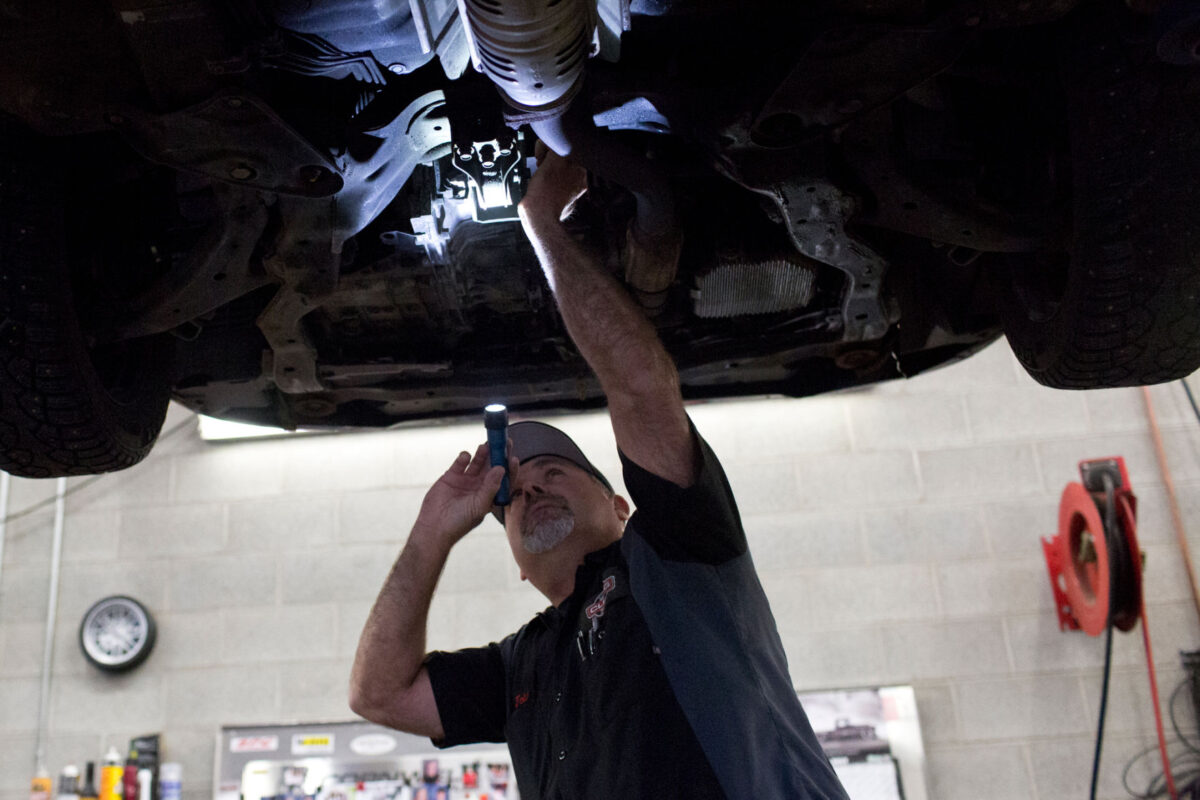
Johnny Meyer works on cars at Clegg Auto in Provo on Friday, March 23, 2017. Recently Utah legislature decided to drop safety requirements for vehicle inspections.
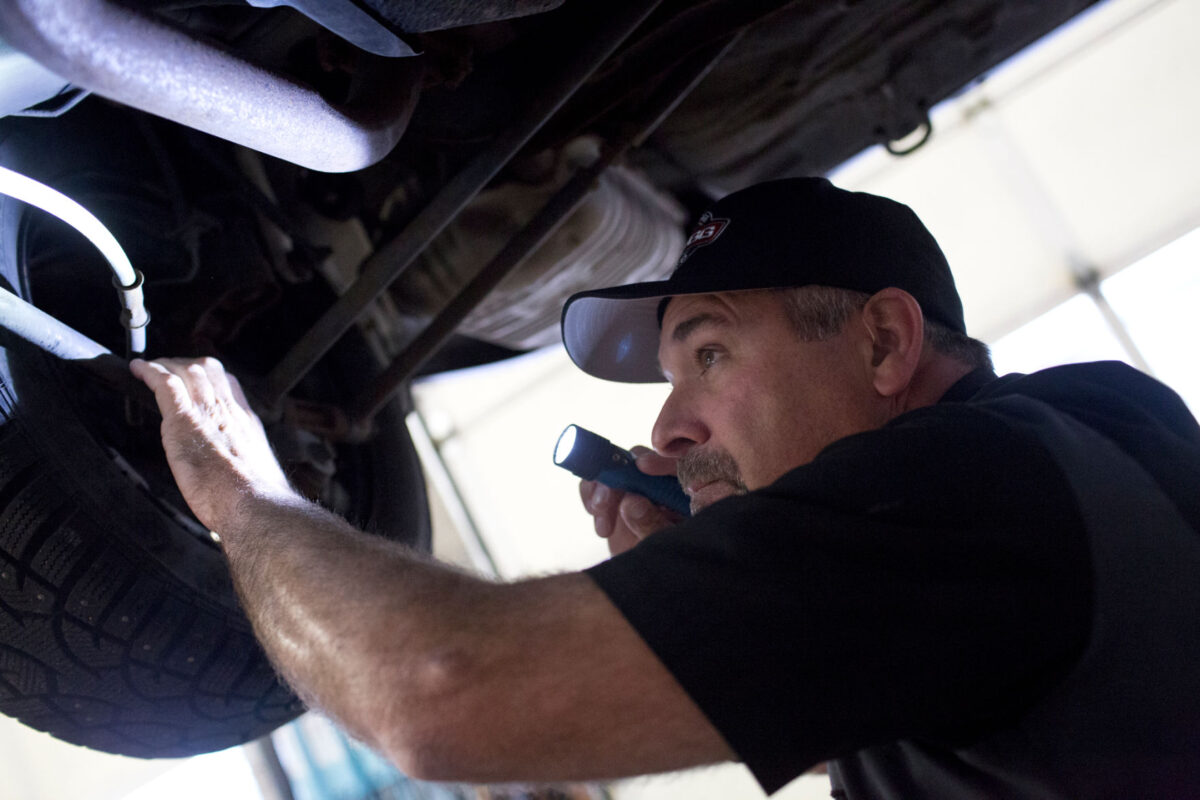
Johnny Meyer works on cars at Clegg Auto in Provo on Friday, March 23, 2017. Recently Utah legislature decided to drop safety requirements for vehicle inspections. SAMMY JO HESTER, Daily Herald
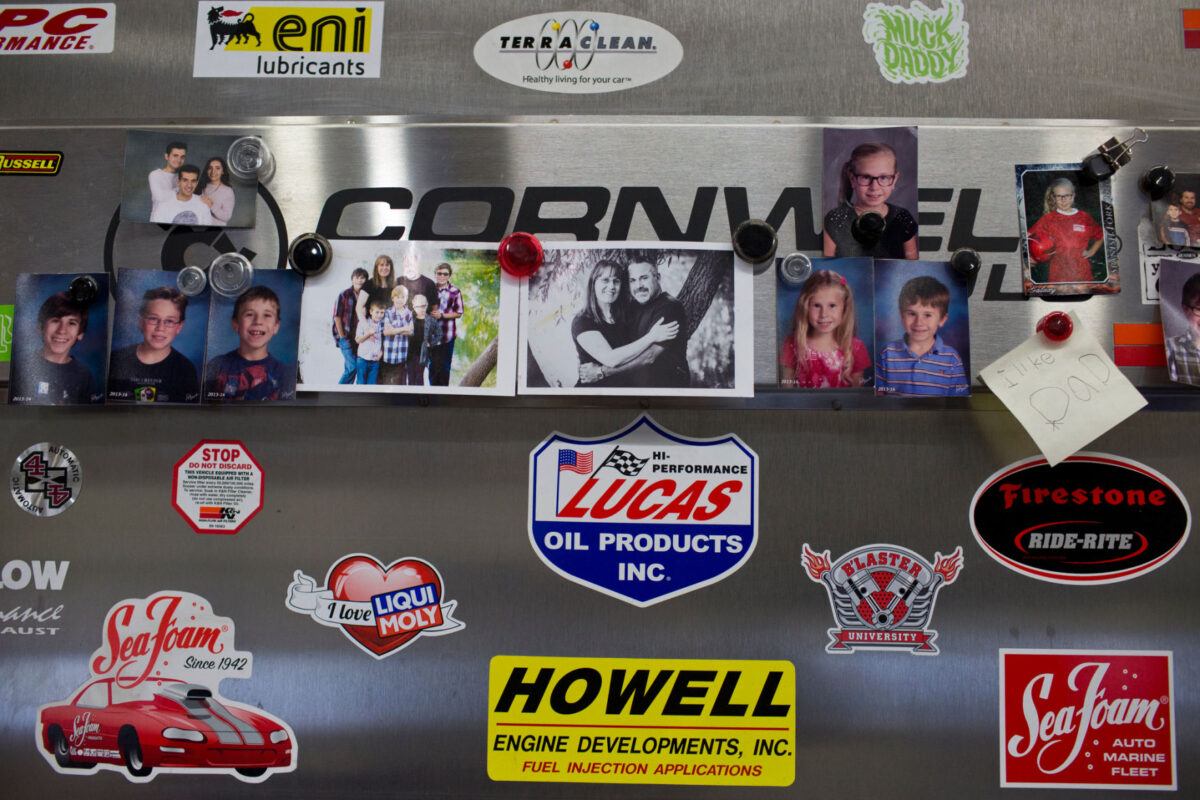
Johnny Meyer displays his family photos on a tool box at Clegg Auto in Provo on Friday, March 23, 2017. Recently Utah legislature decided to drop safety requirements for vehicle inspections. SAMMY JO HESTER, Daily Herald
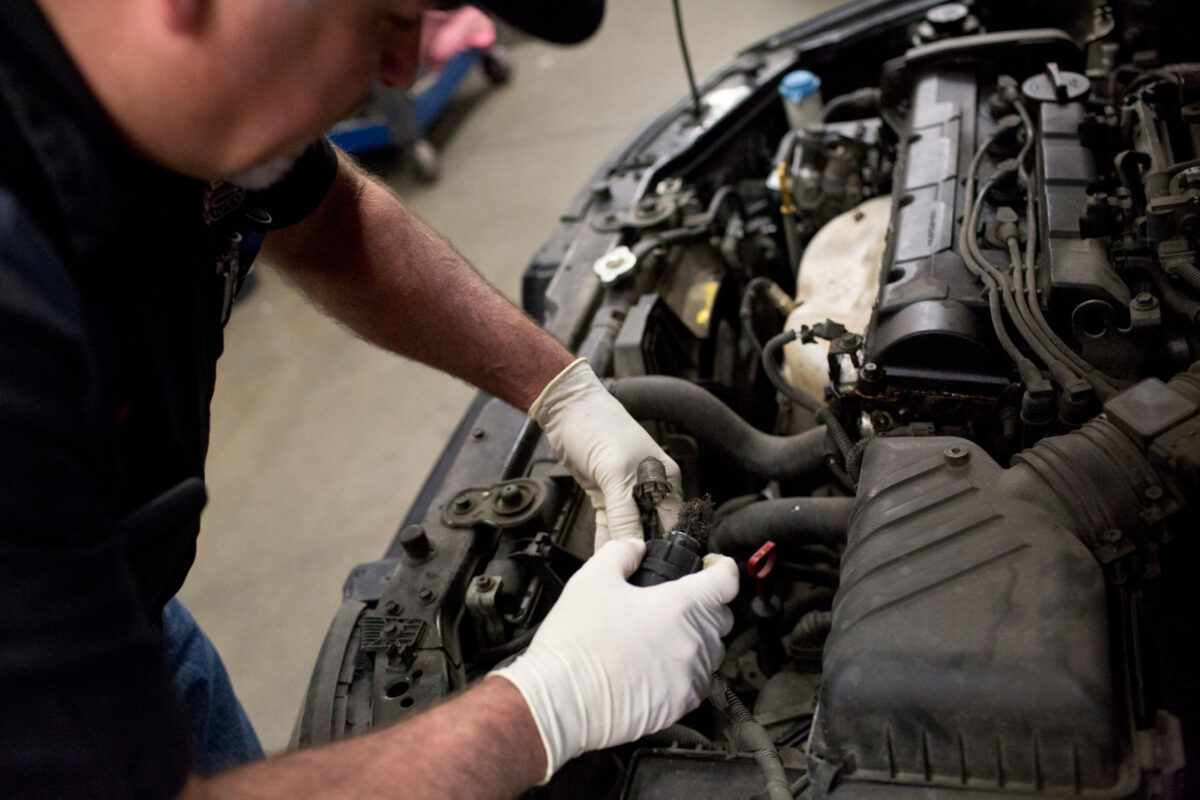
Johnny Meyer works on cars at Clegg Auto in Provo on Friday, March 23, 2017. Recently Utah legislature decided to drop safety requirements for vehicle inspections. SAMMY JO HESTER, Daily Herald
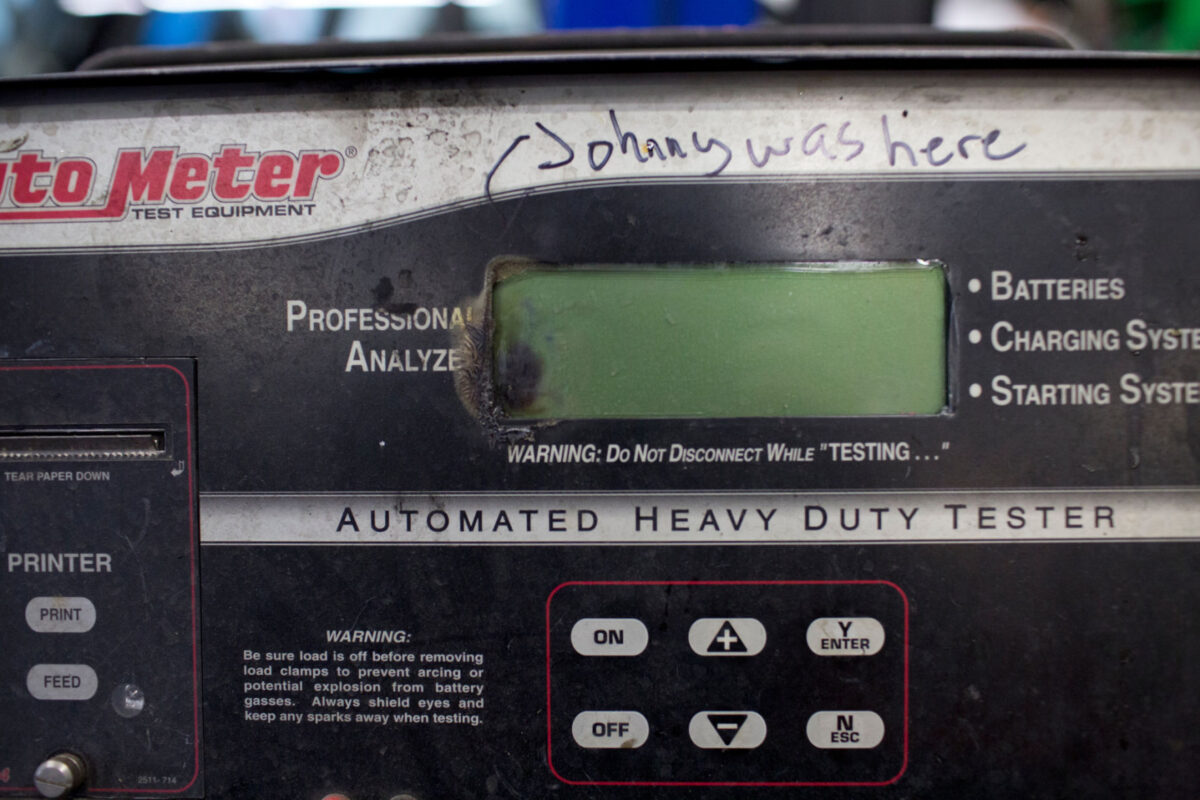
A machine displace the words "Johnny was here" at Clegg Auto in Provo on Friday, March 23, 2017. Recently Utah legislature decided to drop safety requirements for vehicle inspections. SAMMY JO HESTER, Daily Herald
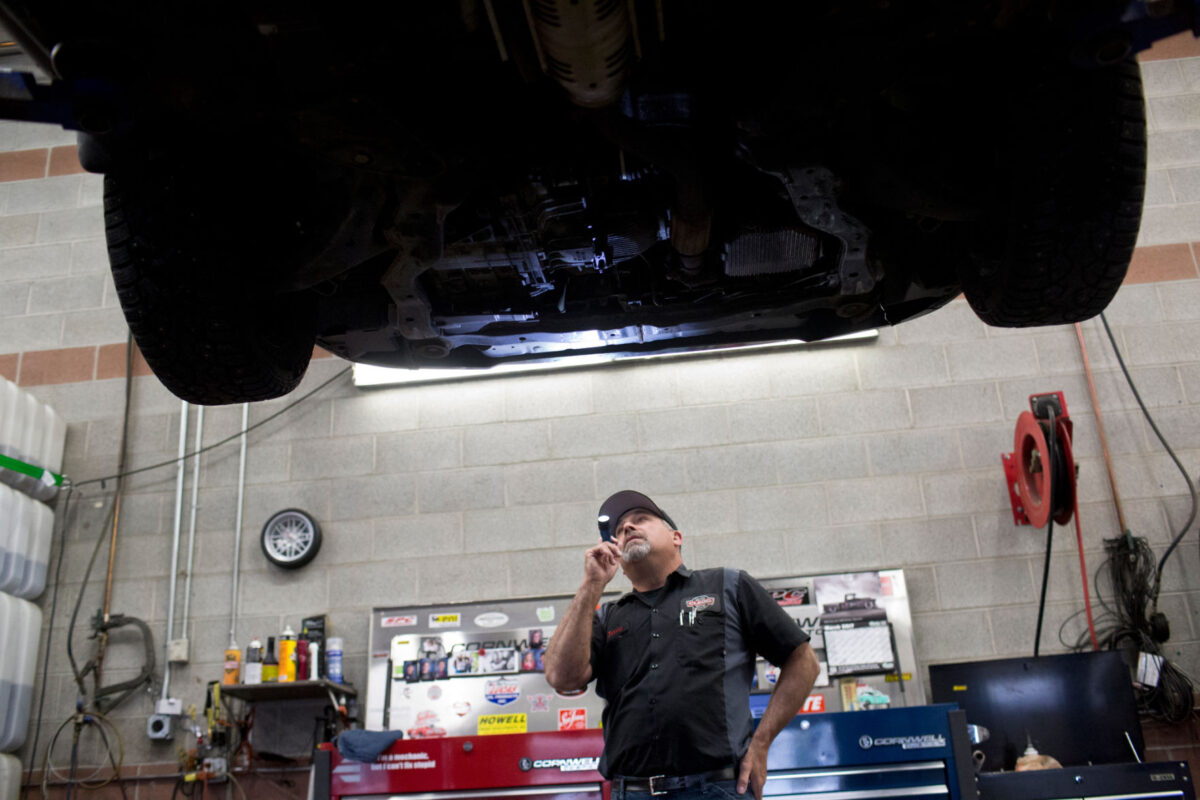
Johnny Meyer works on cars at Clegg Auto in Provo on Friday, March 23, 2017. Recently Utah legislature decided to drop safety requirements for vehicle inspections. SAMMY JO HESTER, Daily Herald
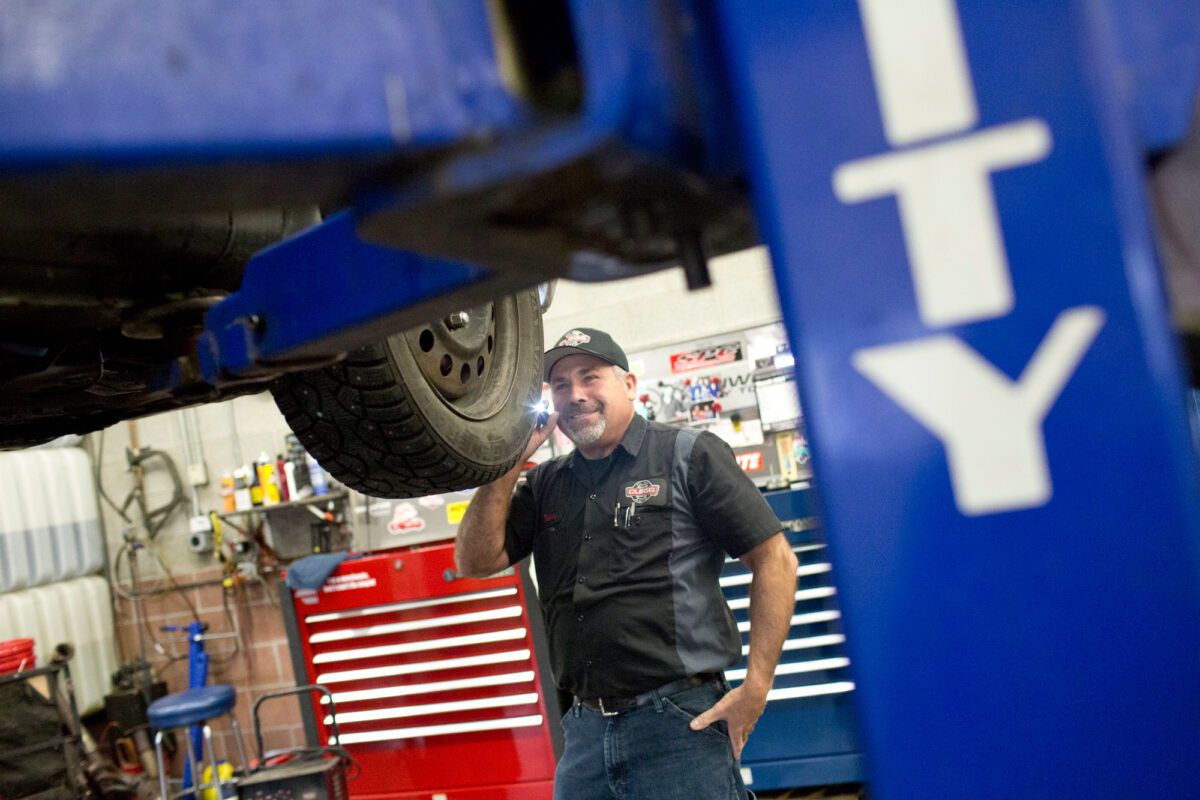
Johnny Meyer works on cars at Clegg Auto in Provo on Friday, March 23, 2017. Recently Utah legislature decided to drop safety requirements for vehicle inspections. SAMMY JO HESTER, Daily Herald
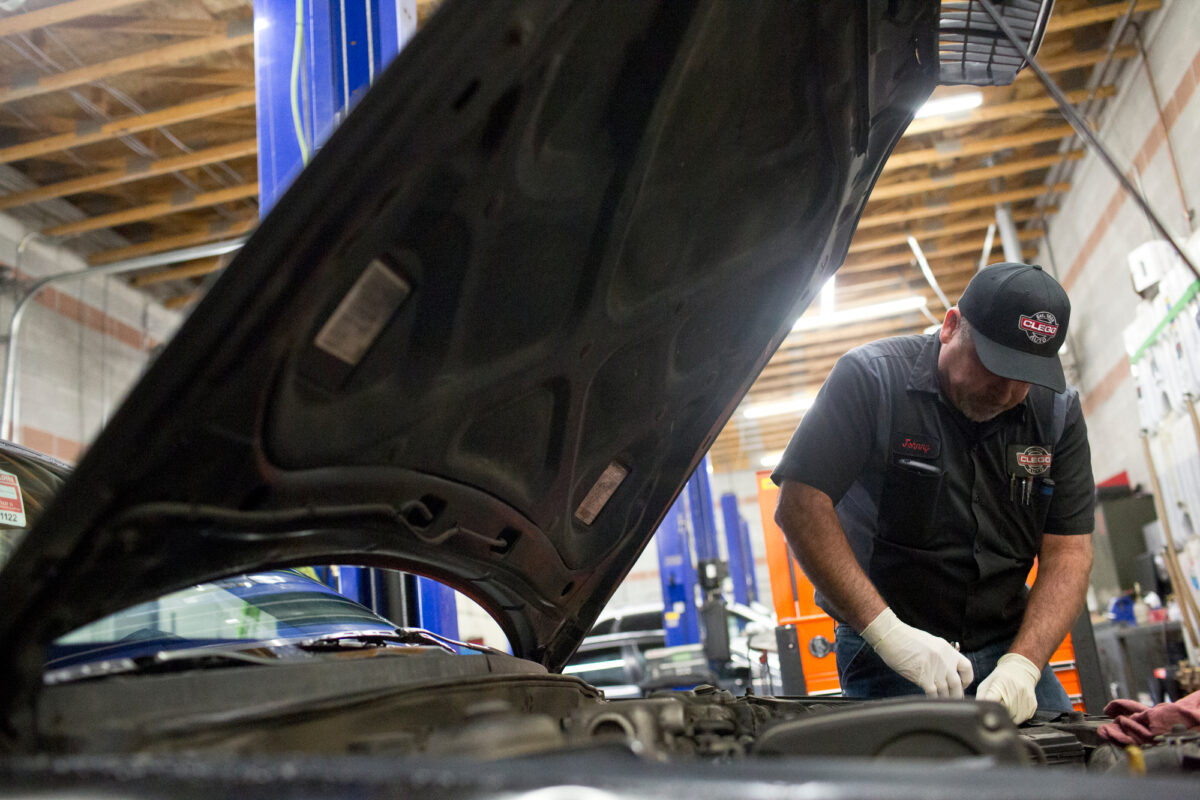
Johnny Meyer works on cars at Clegg Auto in Provo on Friday, March 23, 2017. Recently Utah legislature decided to drop safety requirements for vehicle inspections. SAMMY JO HESTER, Daily Herald
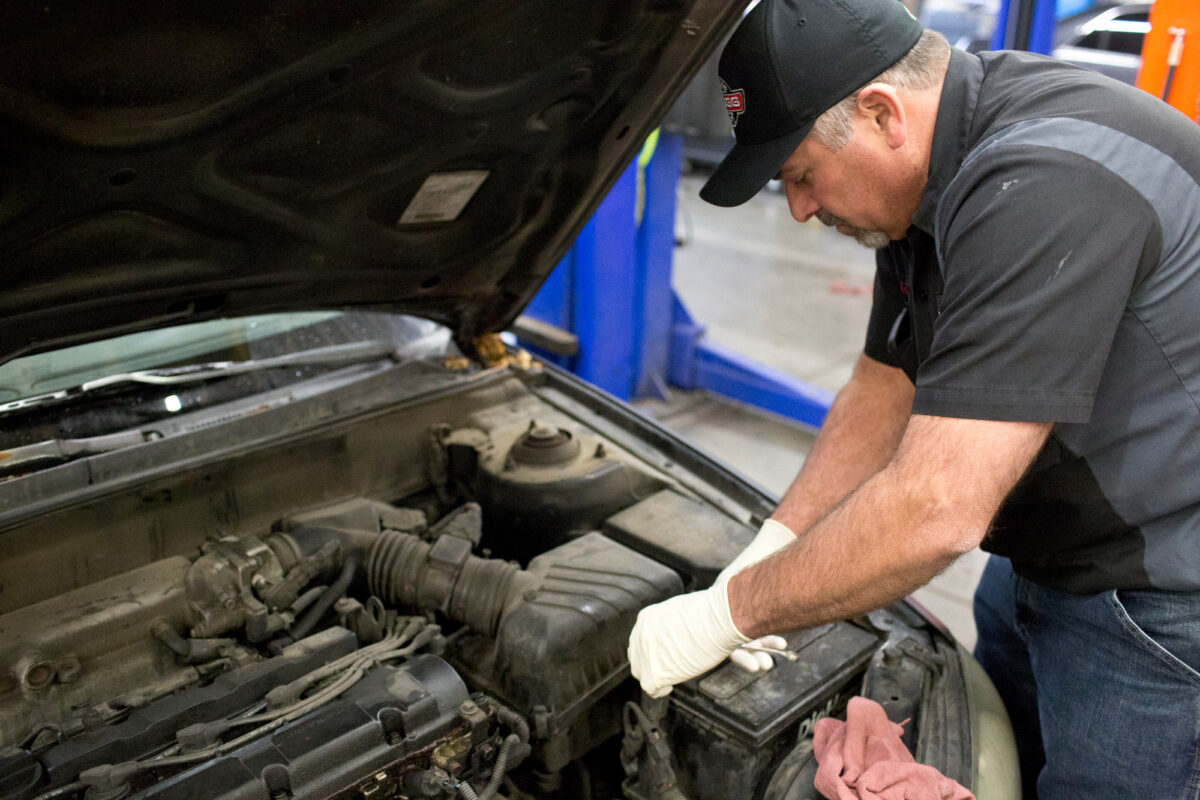
Johnny Meyer works on cars at Clegg Auto in Provo on Friday, March 23, 2017. Recently Utah legislature decided to drop safety requirements for vehicle inspections. SAMMY JO HESTER, Daily Herald
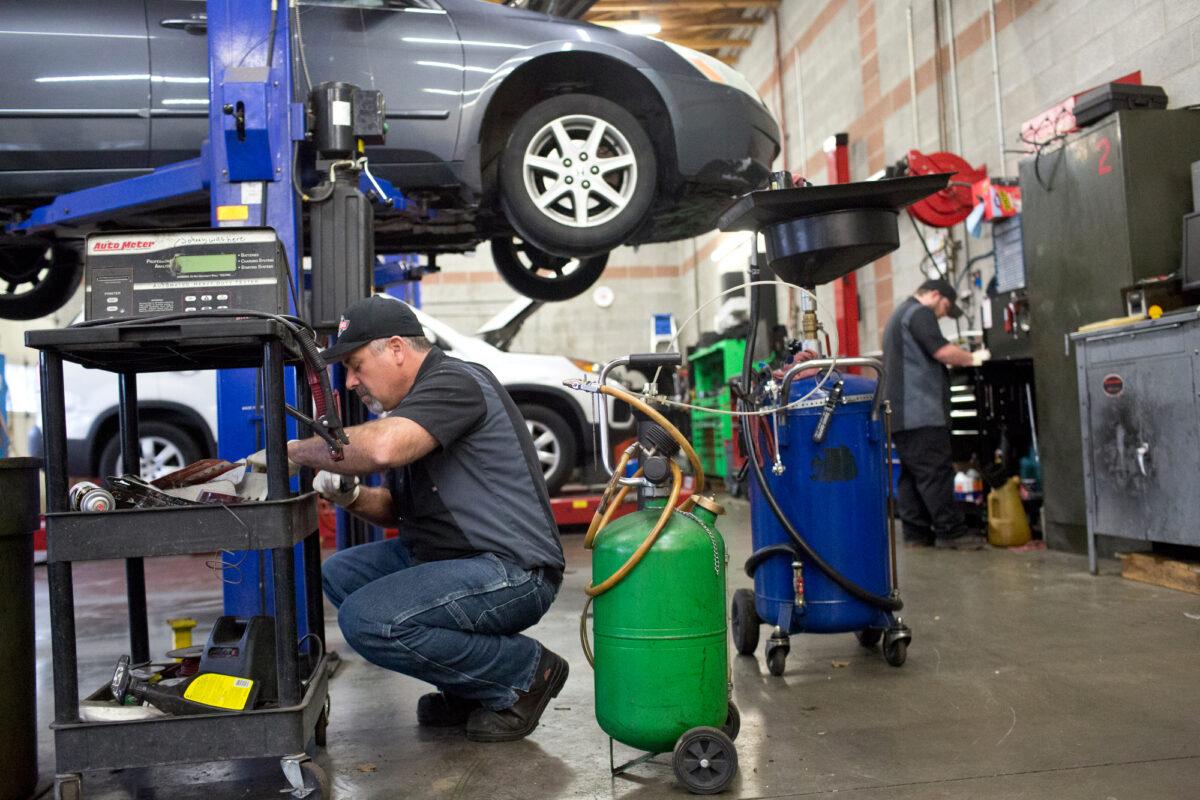
Johnny Meyer works on cars at Clegg Auto in Provo on Friday, March 23, 2017. Recently Utah legislature decided to drop safety requirements for vehicle inspections. SAMMY JO HESTER, Daily Herald
Gov. Gary Herbert signed House Bill 265 on March 25, which does away with annual safety inspection requirements for motor vehicles in Utah.
Reaction to the bill has been mixed.
Many drivers are excited not to spend that time and money each year, and the bill is purported to save taxpayers $25 million annually.
Utah County lube-and-oil shops have been against the bill since its sponsor, Rep. Dan McCay, R-Riverton, first proposed it.
“I think it’s a very, very bad idea. I really feel we’re going to see more fatalities,” said Michael McCubbin, general manager of the American Fork Jiffy Lube. “We find a lot of the preventative maintenance items drivers overlook. We catch them, but they won’t be caught until that random clunking noise gets worse.”
For Jeff Longman, owner and manager of Major League Auto Repair in Pleasant Grove, safety and emissions checks are not a money-maker, he said.
“As a shop, we pay to participate in it,” he said, wondering where the money actually goes.
He has been a registered safety inspector for seven years, but has never seen an audit vehicle (a vehicle that checks how accurately the shop does its inspections) come through the shop.
He believes many of the minor things safety inspections find are not as essential. Still, he does have some concerns about doing away with the program completely.
“Certain aspects of the safety program are really needed,” he said. “Customers, especially when their cars are old, often ignore the clunks and rattles. Those sounds could be just a loose screw, or they could be a ball joint falling off.”
He said drivers should check their car’s steering, tires and suspension on an annual basis, because those are problem spots that can cause accidents.
Kevin Clegg, owner of Clegg Auto in Spanish Fork and Provo, reaffirmed that auto repair and maintenance shops aren’t making money from safety inspections.
“It’s not going to destroy our business, and it won’t change the way we do things. We will still do courtesy safety checks every time,” Clegg said.
Over his shops’ many years of inspecting tons of cars, Clegg said the number of times they’ve caught a vehicle that was in danger of causing an imminent accident has been minimal. Usually when a car is at that point, he said, the car warns its driver — usually with bad noises.
He hopes since the state now doesn’t require it, that drivers will still have their tires and brakes checked regularly.
“It’s not a perfect system,” he said of the previous safety inspection requirements, “but it’s still a good idea. We don’t think it should go away, but we’re open to a better way to potentially catch vehicle failures.”
If you need to register your car this year, you still have to get a safety inspection. The bill takes effect Jan. 1, 2018.