
Provo company’s cable management business reels it in
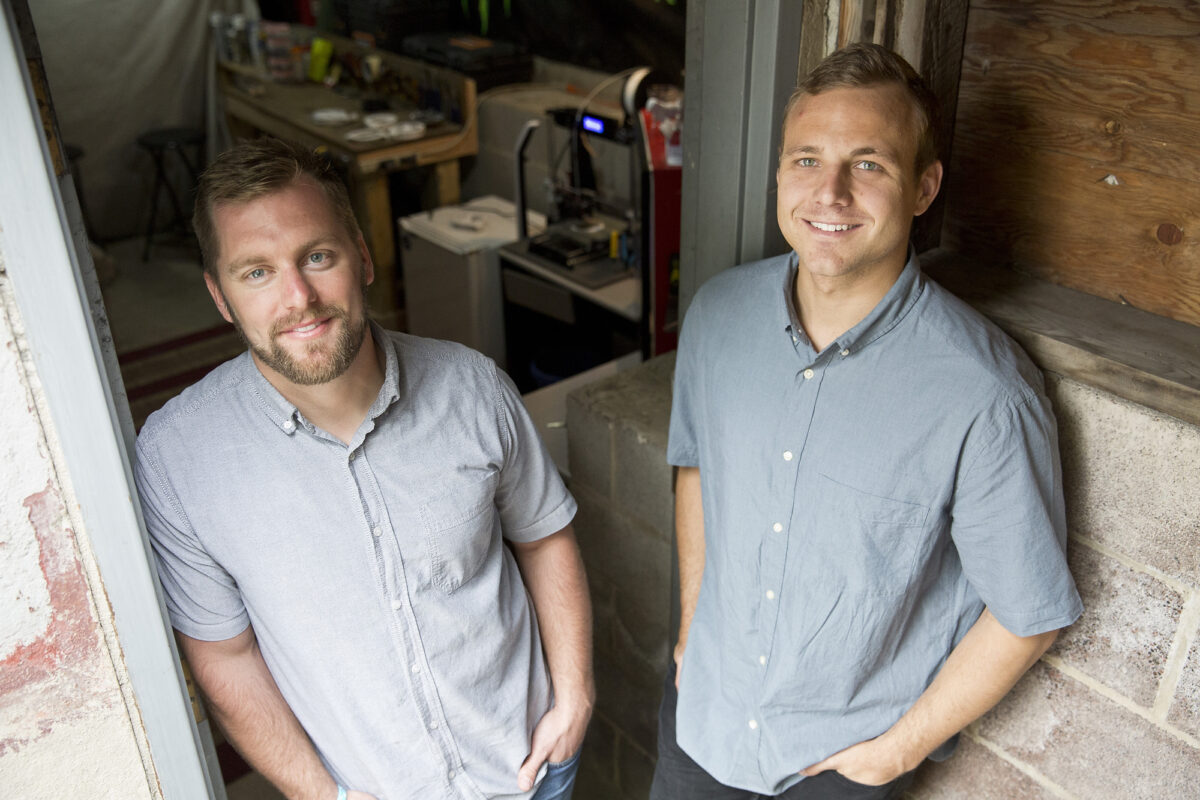
Logan Bailey and Ryan Krause pose for a portrait in Provo on Tuesday, June 21, 2017. The two have invented a Mac charger cord system that reels in the cords and stores them safely. Sammy Jo Hester, Daily Herald
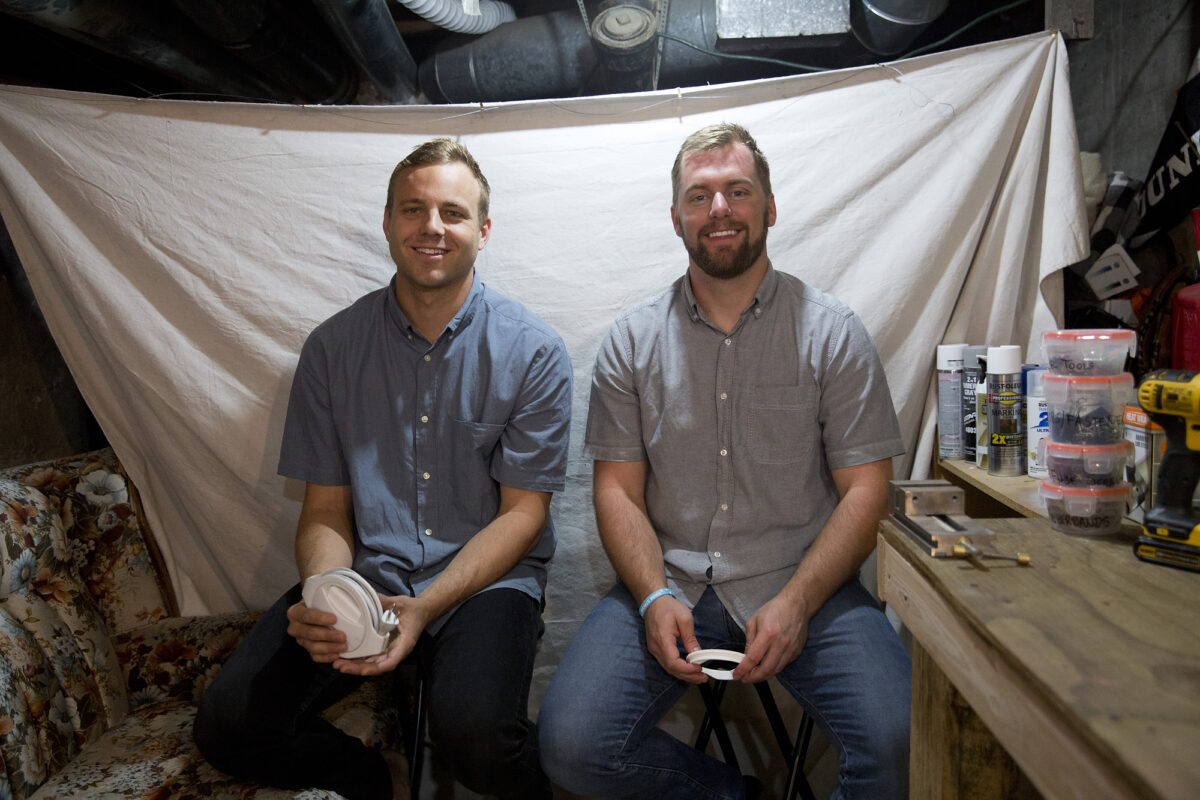
Ryan Krause and Logan Bailey pose for a portrait in Provo on Tuesday, June 21, 2017. The two have invented a Mac charger cord system that reels in the cords and stores them safely. Sammy Jo Hester, Daily Herald
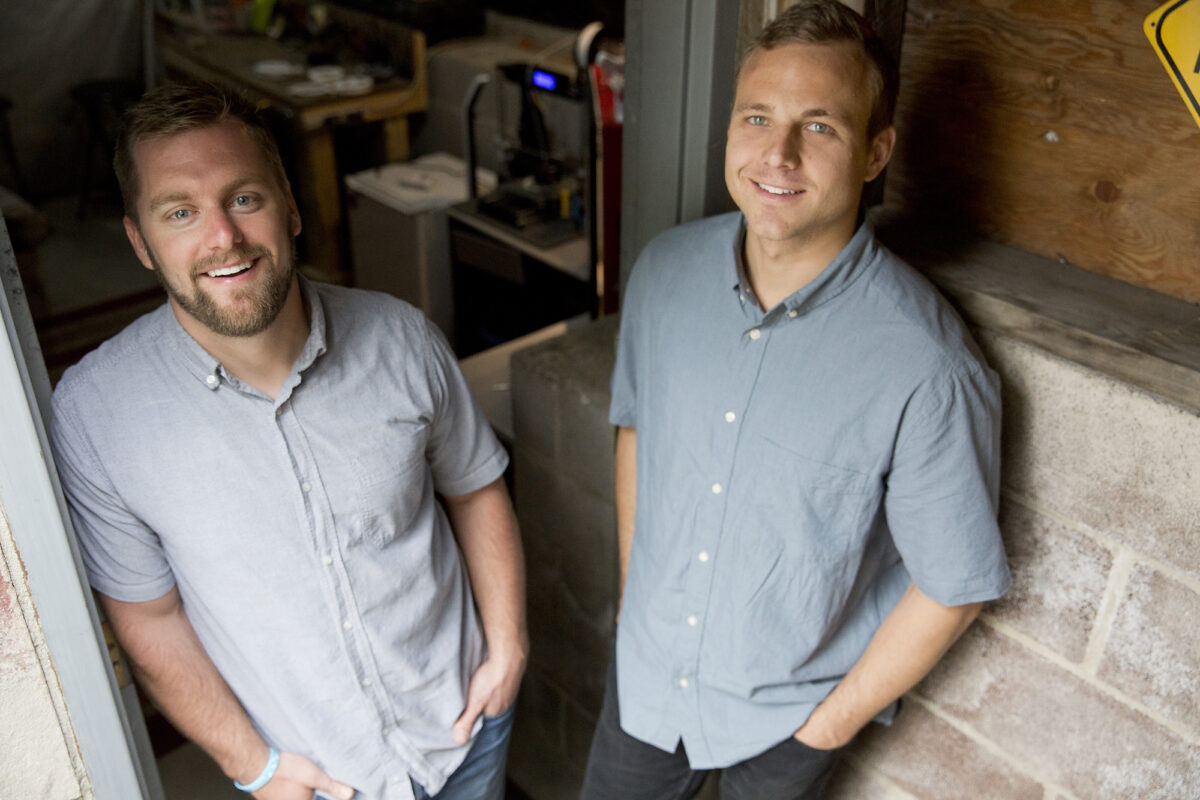
Logan Bailey and Ryan Krause pose for a portrait in Provo on Tuesday, June 21, 2017. The two have invented a Mac charger cord system that reels in the cords and stores them safely. Sammy Jo Hester, Daily Herald
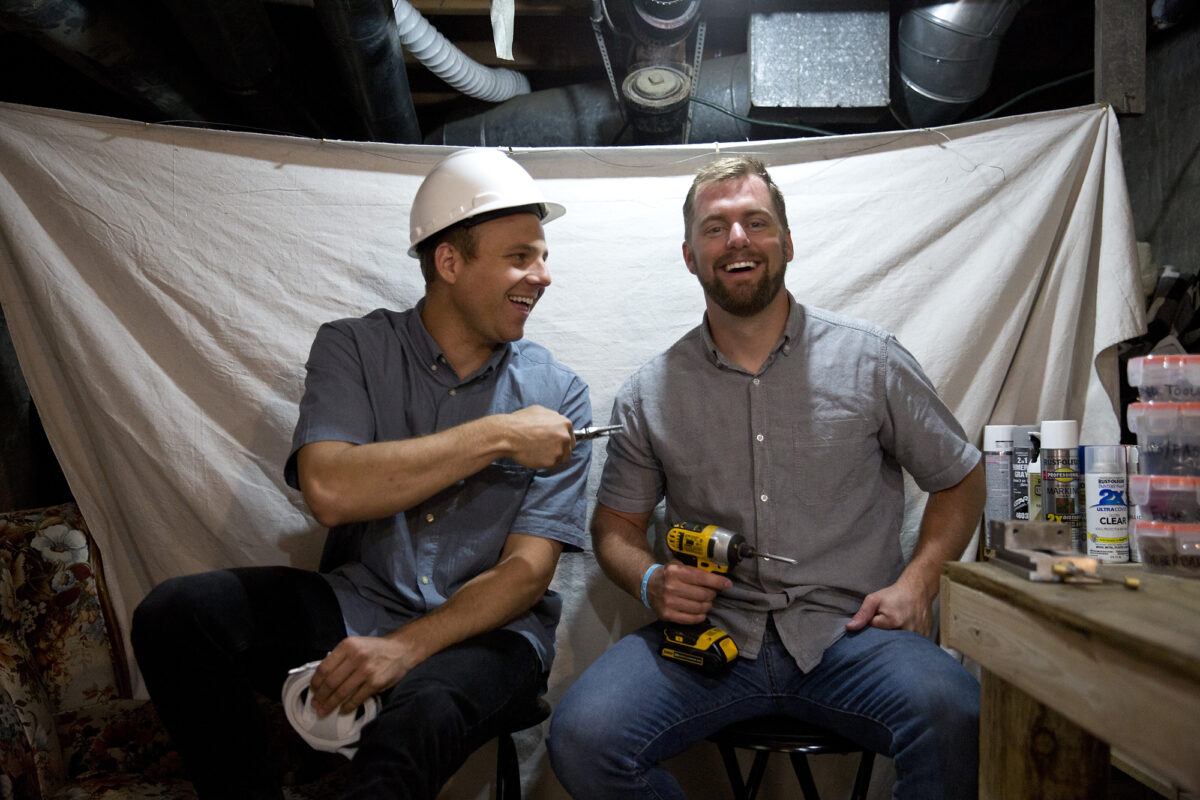
Ryan Krause and Logan Bailey pose for a portrait in Provo on Tuesday, June 21, 2017. The two have invented a Mac charger cord system that reels in the cords and stores them safely. Sammy Jo Hester, Daily Herald
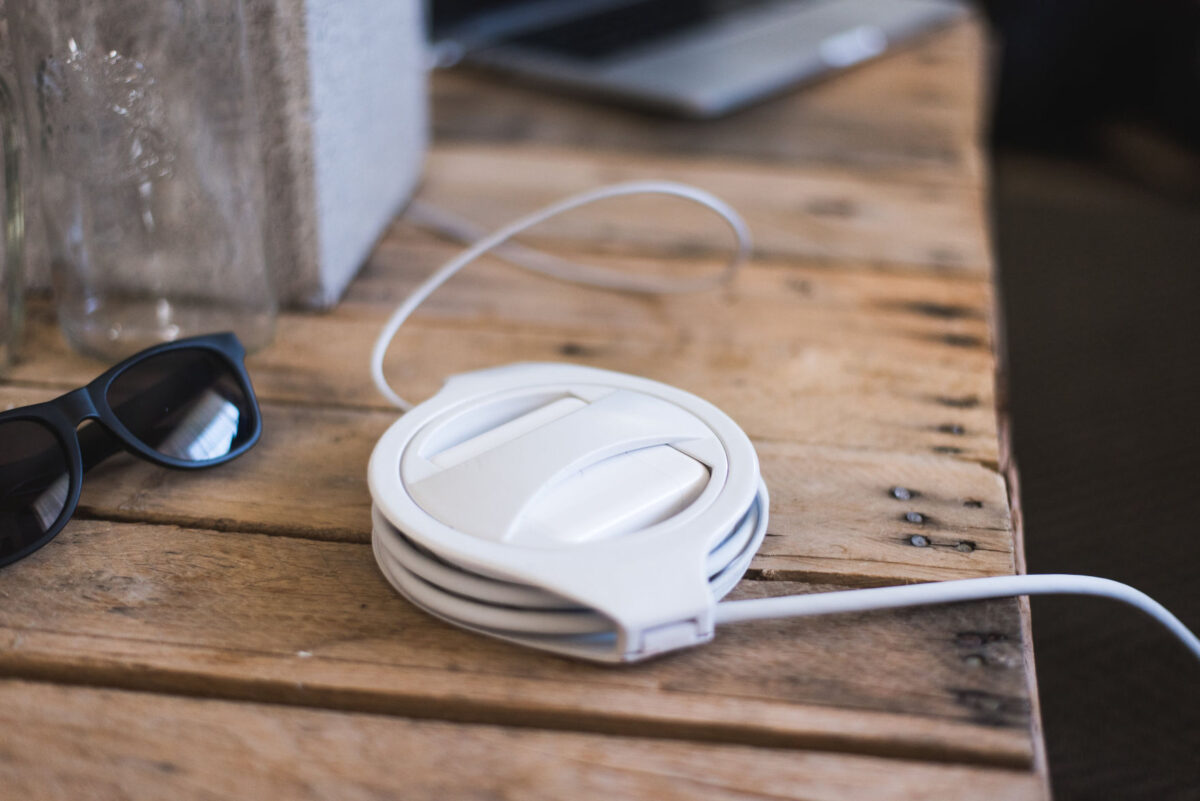
Promo pic of the Fuse Side Winder.
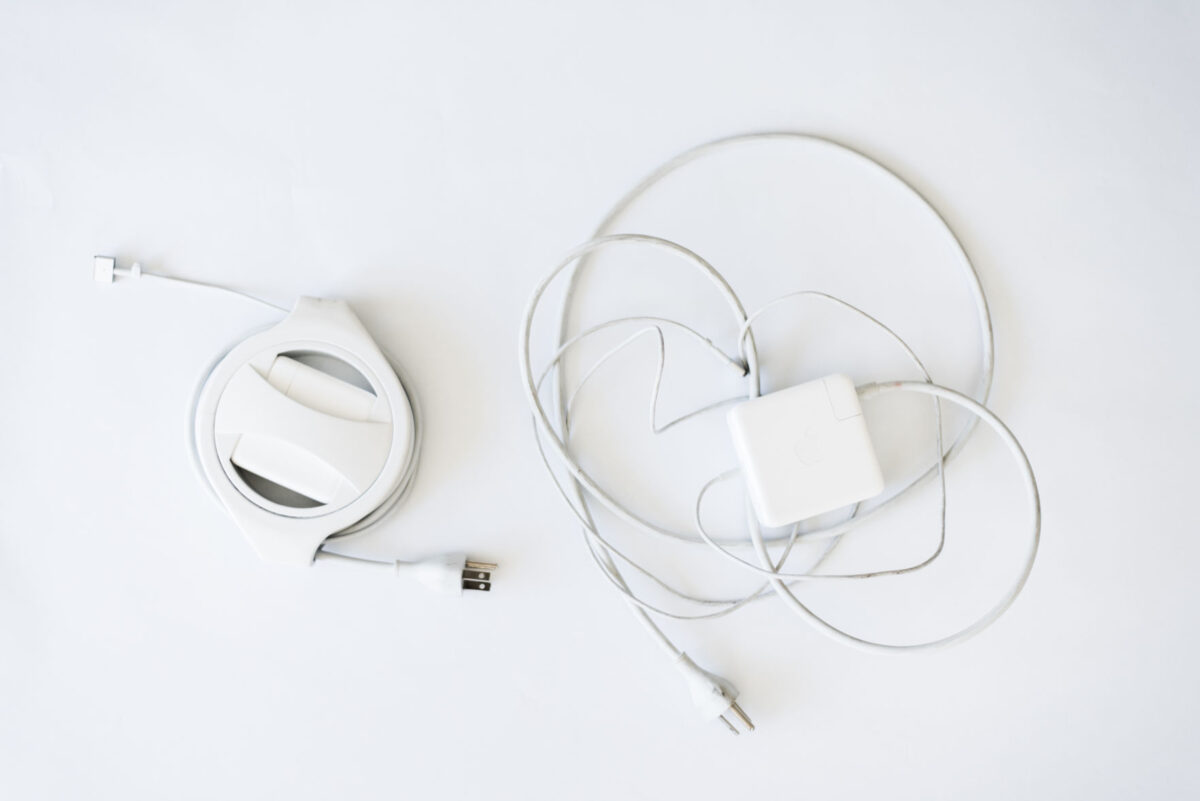
Promo image of the Fuse Side Winder, left, for MacBook charging cords.
Frayed and tangled charger cables are par for the course for most MacBook users, but one Provo company says that doesn’t have to be the case.
Fuse is a four-month-old company whose first product is the Side Winder — a cable management solution for the MacBook charger cable. The cable’s battery pack snaps into the Side Winder’s center compartment, and then the two cable ends reel in and out depending on the user’s need.
Logan Bailey, 25, is a recent Brigham Young University graduate who invented the Side Winder, and it came about through his own frustration. Only a few months ago, he was studying in the BYU Harold B. Lee Library. He sat down to work on his laptop, and reached into his backpack to grab his cables.
“I pulled them out and all my books came out with them,” Bailey said.
He was embarrassed by the mess, but as he looked around, he saw many other students with the same problem. Their charger cables were also a tangled mess. He figured there had to be something online he could buy to hold them. But nothing he found really worked the way he hoped.
“I went to Home Depot looking for a reel, and found an electrician’s tape reel,” he said. He jerry-rigged the bright orange spool to hold his cables and battery, allowing him to pull the cables out as for the length he needed, and then reel them back in.
“It worked, but it was ugly. And I had people asking me if I could make one for them,” Bailey said.
He knew he could create something better, slicker, more Apple-ish. So he purchased a 3-D printer and started prototyping. It took more than 40 modeled iterations, and printing out at least 20 different prototypes to get to the final product. It also took the industrial designing talents of his friend and fellow student Ryan Krause.
“I initially did some drawing for Logan, and I thought that’d be it. But he kept coming back and getting feedback, so I jumped on board,” Krause said.
Bailey entered prototype in local business competitions. The Side Winder didn’t win, but generated a lot of excitement with Mac users.
“Everyone tells us, ‘Why didn’t anyone do this before?'” Bailey said. “I’ll lend it to them to test it out and they don’t want to give it back. They don’t want to go back to the mess.”
The duo has already been offered seed money as well for their product, but Bailey said it’s too soon. Right now they are focusing on securing a patent, and preparing for a Kickstarter launch in just a couple of weeks.
“I honestly feel this is going to be a success. Besides Logan’s irresistible zeal about the idea and his intense focus, it’s a great product. It’s already validated itself with users without having to talk about it,” Krause said.
Krause and Bailey have big goals for their company. Bailey said they hope to be on Amazon and in the Apple Store next year. They already have other product ideas as well.
“We believe we could tap into a new market, and create innovative solutions with cable management for everything electrical that depends on cables,” Krause said.