
Utah businesses uncertain about future with China tariffs, but hopeful
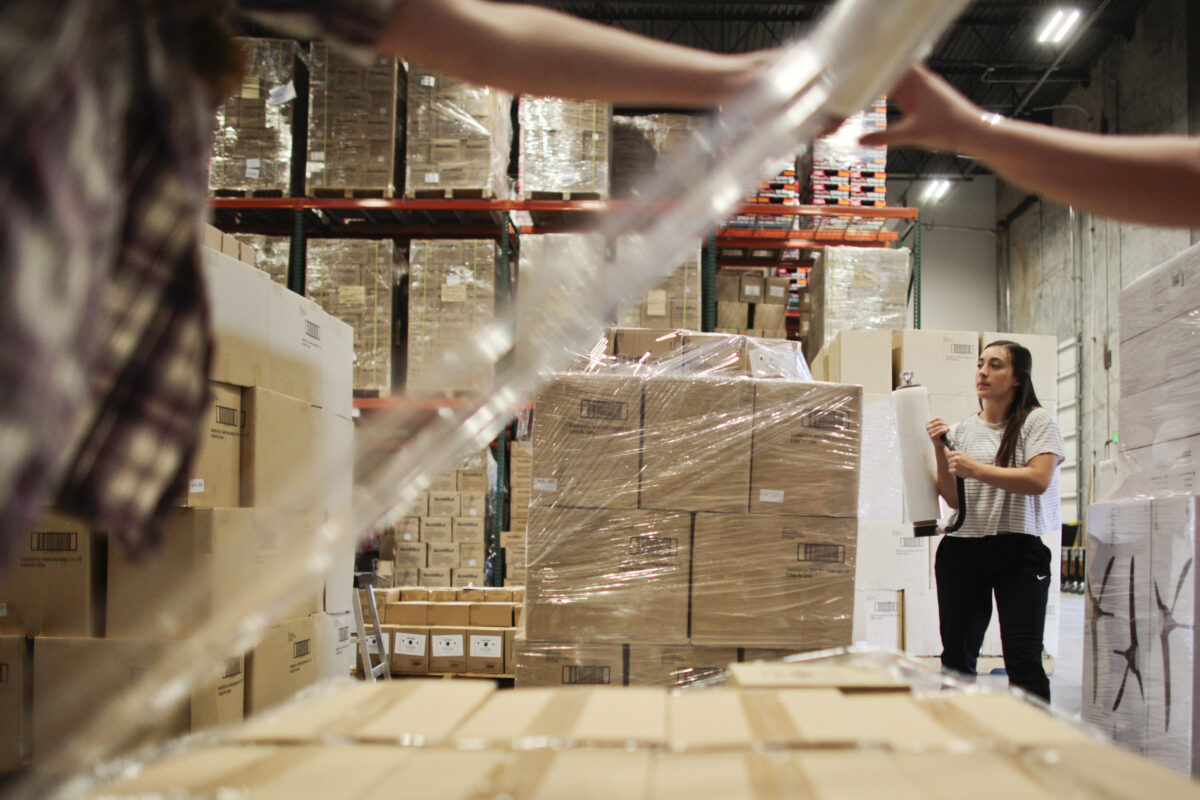
Allí Elmont, a warehouse worker for Spark Innovation, wraps an order in the company's warehouse on Friday, June 29, 2018, in American Fork.
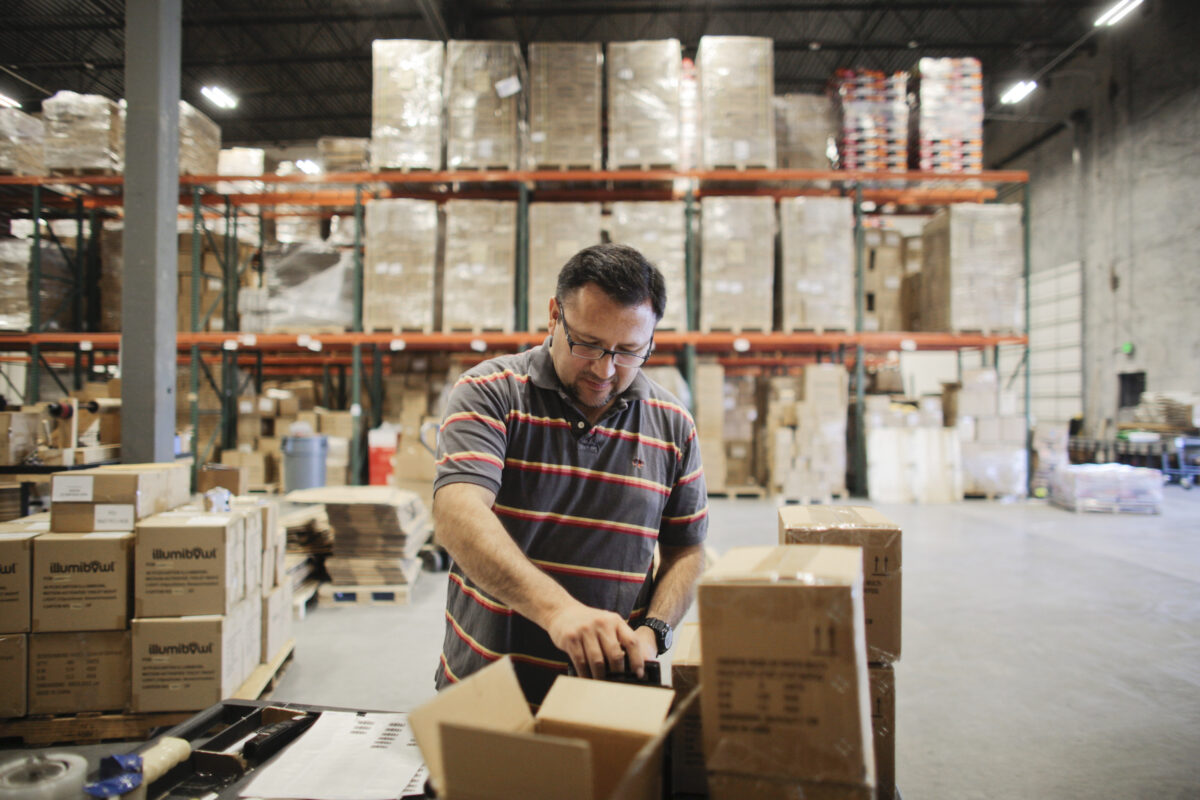
Eduardo Mena, a warehouse worker for Spark Innovation, prepares an order in the company's warehouse on Friday, June 29, 2018, in American Fork. Mena has worker for Spark Innovation for around eight months.
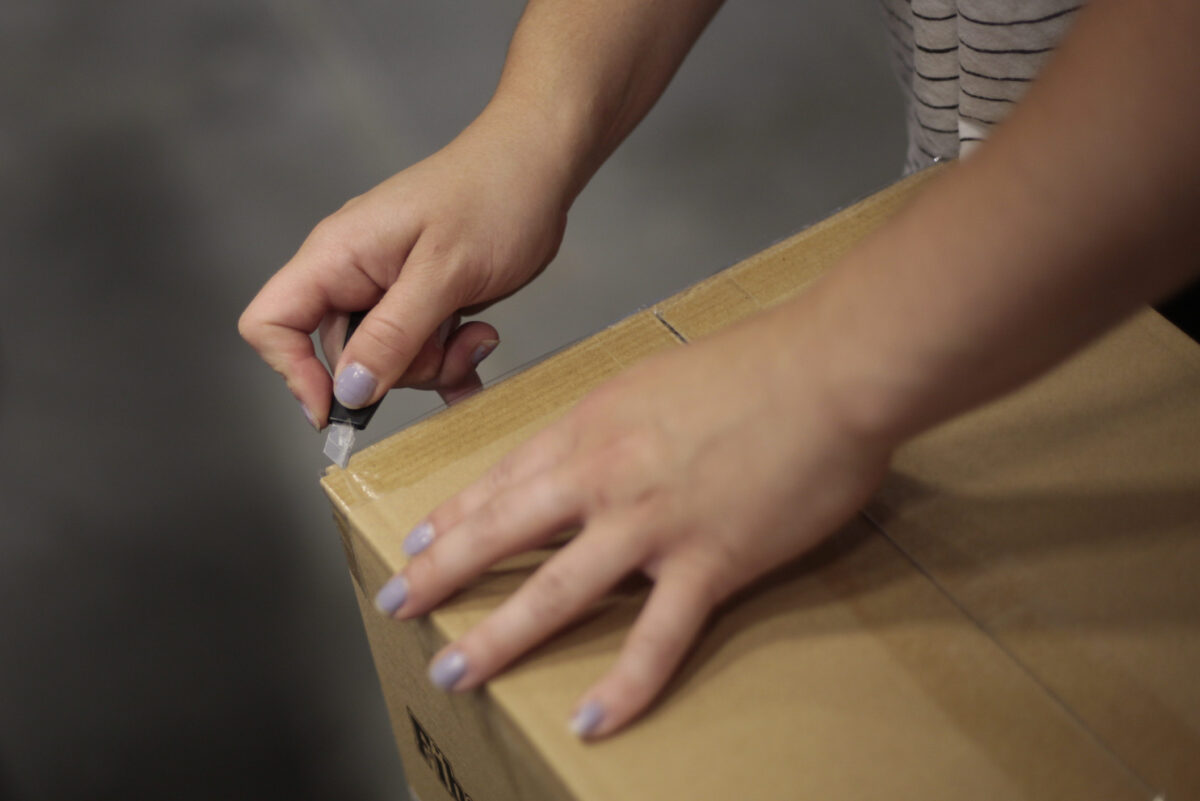
Allí Elmont, a warehouse worker, opens up a package to remove the products in Spark Innovation's warehouse on Friday, June 29, 2018, in American Fork.
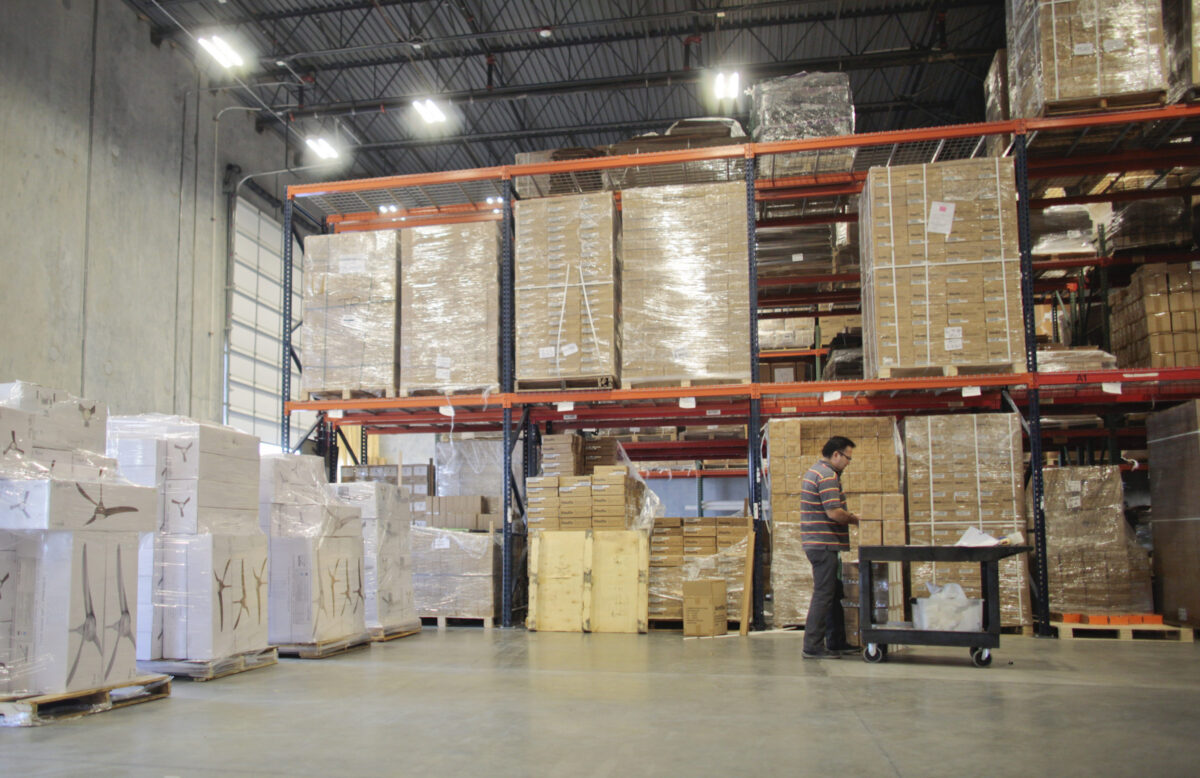
Eduardo Mena, a warehouse worker for Spark Innovation, finalizes packing an order in the company's warehouse on Friday, June 29, 2018, in American Fork.
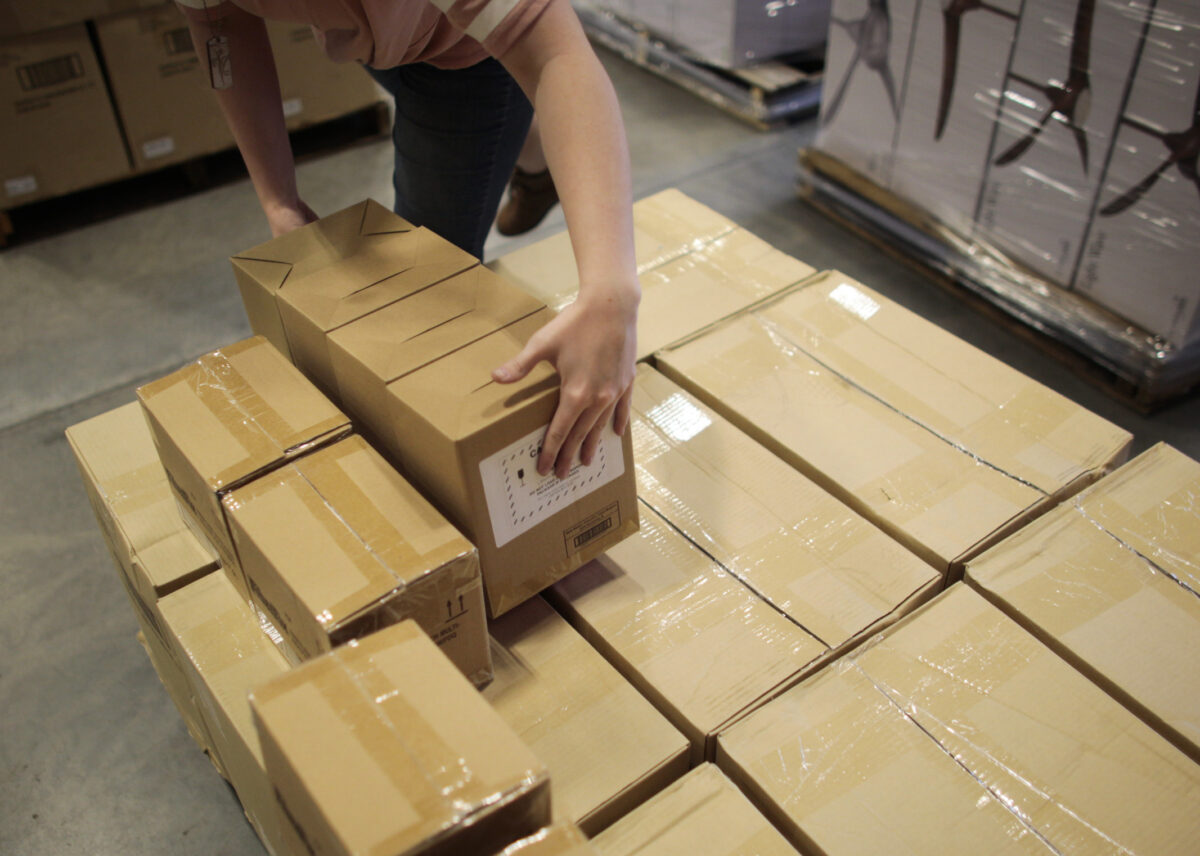
Chelsea Quinn, a warehouse worker at Spark Innovation, stacks packages on a pallet to be sent from the Spark Innovation warehouse on Friday, June 29, 2018, in American Fork.
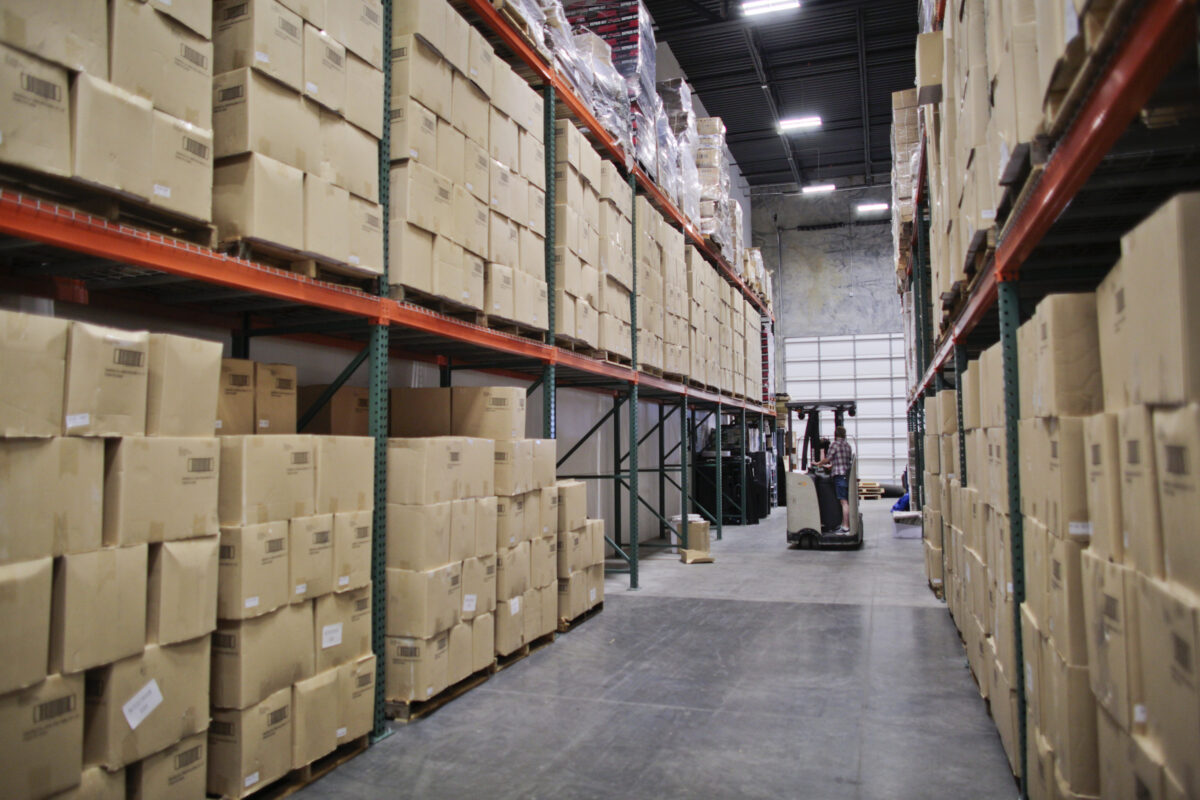
A warehouse worker moves a pallet from a shelf at Spark Innovation on Friday, June 29, 2018, in American Fork.
Recent discussions at the federal level focused on fair trade with China are starting to impact Utah County small businesses.
Citing decades of ”unfair trade practices,” President Donald Trump recently implemented a 25 percent tariff on $50 billion of goods from China. Those goods include various electronic components and medical equipment, some motorcycles and vehicles, machinery parts, aircraft engines, LEDs and lithium batteries.
Many startups in Utah County heavily rely on Chinese goods and manufacturing, and these local entrepreneurs feel a sense of uncertainty.
David Toledo, CEO of Power Practical — the company behind the Luminoodle, has noticed a slight shift in attitudes among Power Practical’s Chinese partners.
“Our Chinese partners are a little less certain about business in the next couple of years, and this is affecting us in our payment terms,” he said. Their partners abroad are requiring shorter payment terms, and changing some processes in response to the fluctuations of the American dollar.
“The feeling in the air is one of uncertainty,” Toledo said.
Chris Livingston, co-founder of Gravel, said the tariffs have not yet directly affected their products — two different types of travel toiletry bags successfully launched through Kickstarter. Still, because Gravel is only about a year old and relies on overseas manufacturing, bumps in the potential supply chain make him nervous.
“It’s scary to think we’re building a business, and we can rise and fall pretty quickly according to this,” Livingston said. “We constantly need to monitor the changes. It’s scary.”
Bryce Fisher, chief marketing officer of Ravean, is also not excited about the tariffs in the short term, because they directly affect the batteries that power Ravean’s heated wearables. The tariffs will increase his battery costs by 20 percent, he said.
Despite this, he is for the tariffs because they may benefit American businesses in the long run. He’s been in international trade for about eight years, and sees the potential perks of the tariffs, because of Ravean’s own struggle to compete internationally. He explained he must pay significant taxes and levies to ship Ravean products to Canada, Europe and China, while international outdoor wearable manufacturers pay very little to ship their goods into America. He feels they have an unfair advantage because they can beat him in their own countries, and then come to the U.S. market and do the same.
“People don’t realize, I can’t compete in other countries. Every other country can come into our market and play for free, but we struggle to have a fair playing field anywhere else in the world,” Fisher said. “A lot of people don’t like Trump, but this is one thing he got right. There is a complete and absolute barricade for us to go into the entire world. And I need to be able to compete in Canada. I need to be able to compete in Europe.”
Fisher and Ezra Roper, vice president of business development at Blacksmith International, believe American businesses can also protect themselves by having dedicated company manufacturing locations overseas. This is not always feasible for companies in the early stages, and that is why Blacksmith International acts as smaller companies’ sourcing manufacturer.
Roper said he sees the tariffs as a “healthy adjustment” of the market, and also believes the end goal of the tariffs could be good for American business owners, but he does have some concerns that things could escalate. If China retaliates significantly, and both countries continue to increase tariffs, “it could be economic suicide,” he said, sending both economies into a tailspin.
Reed Quinn, owner of Spark Innovation in American Fork, also has hopes the White House’s actions will benefit American business owners, but worries about the end result for American consumers. Tariffs or cost raises on either side are usually passed on and increase the final price consumers ultimately pay.
“It’s still a little too early to tell. We’re in wait-and-see mode. It’s really hard to predict how things will play out. It could do well for us in the long run, but it possibly could not do well for American consumers in the long run,” he said.