On the long haul with the new Mitsubishi Outlander PEHV SUV
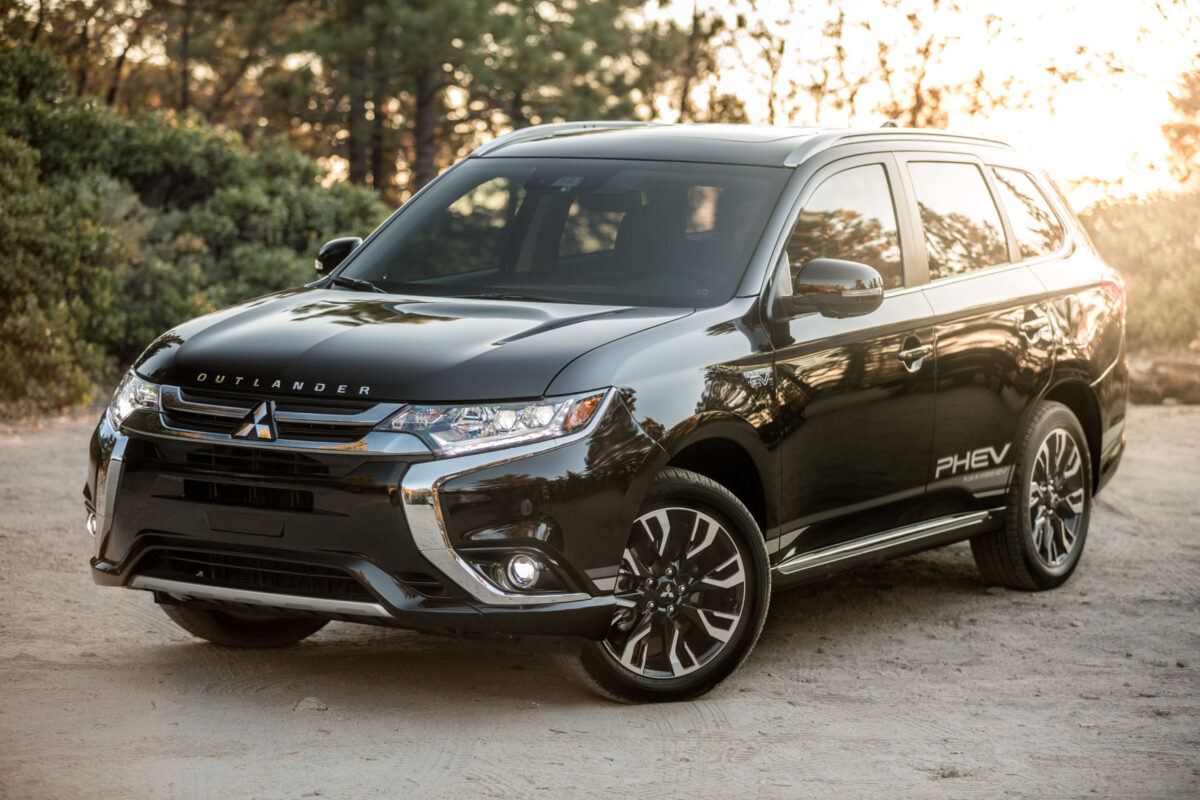
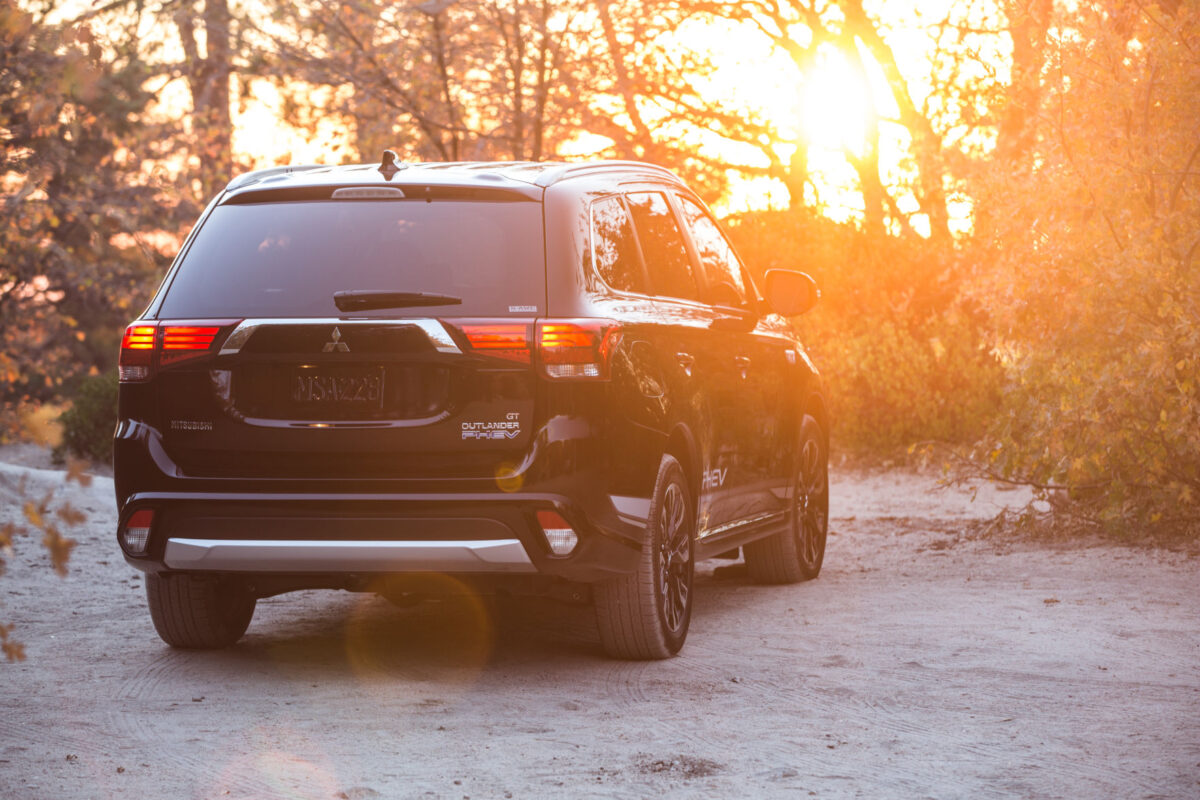
2018 Mitsubishi Outlander PHEV
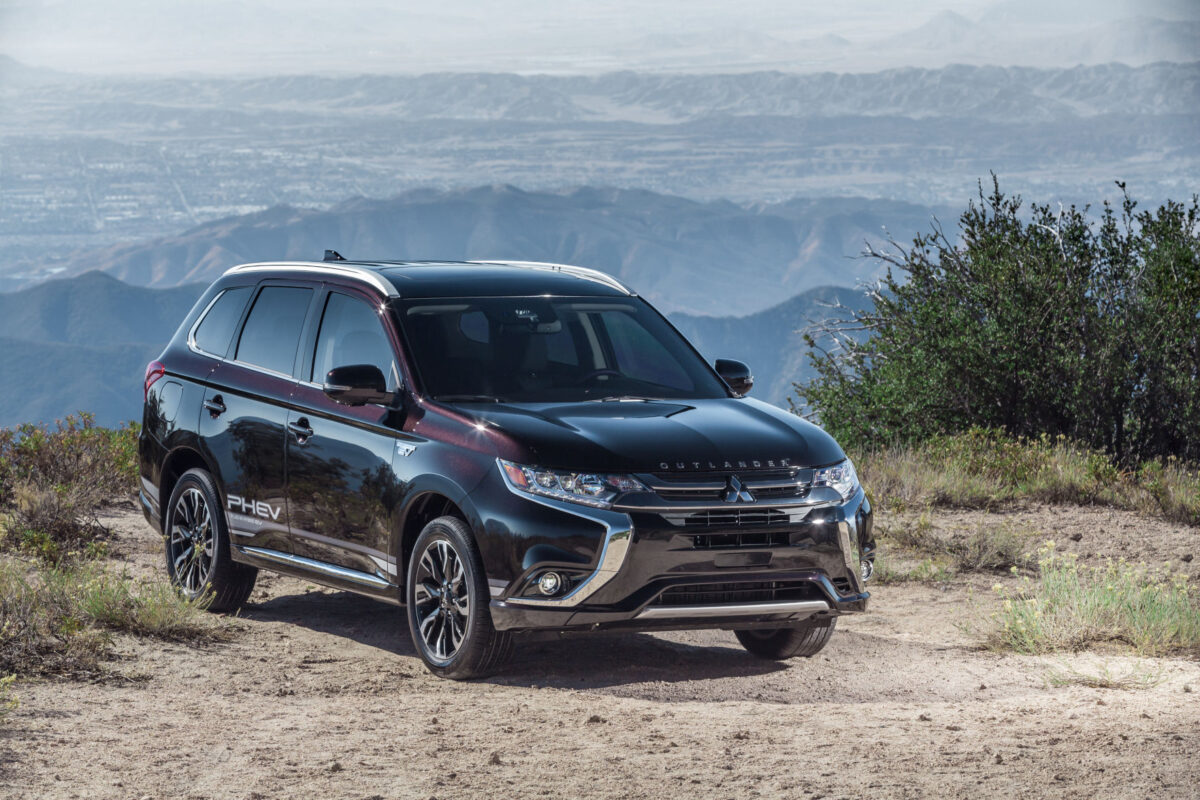
2018 Mitsubishi Outlander PHEV
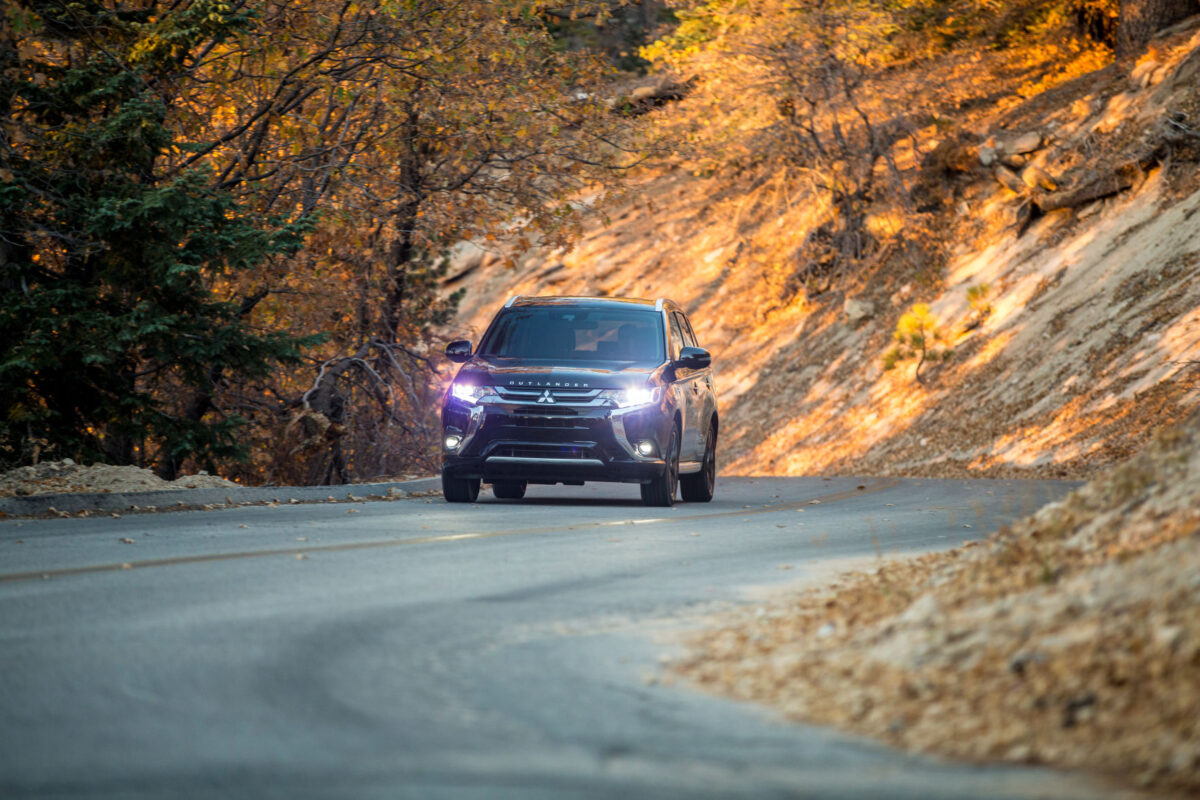
2018 Mitsubishi Outlander PHEV
2018 Mitsubishi Outlander PHEV
2018 Mitsubishi Outlander PHEV
2018 Mitsubishi Outlander PHEV
2018 Mitsubishi Outlander PHEV
2018 Mitsubishi Outlander PHEV
The first week in April saw us flying to Denver for the annual Denver Auto Show that was held in the Denver Convention Center, this event is endorsed by the group of automotive journalists we belong to called the Rocky Mountain Automotive Press or RMAP for short. Craig is on the board of RMAP se we have made the sojourn to Denver for the event the past several years.
Each year the group chooses 3 awards to be given out to the different manufacturers that represent Car of the Year, CUV of the Year and Truck of the year. Qualifications to be eligible for the awards is that the vehicles have been in the press fleets and driven by the journalists of RMAP during the previous year.
This year those awards went to the 2018 Toyota Camry XSE Car of the Year, the 2018 Dodge Durango SRT for Crossover SUV of the Year and the Nissan Titan King Cab 5.6 for pickup of the year. This is always a fun time to part of the organization and see if the vehicles that we have liked the most will make it through to the podium.
The best part however about the trip to Denver this year other than getting to see some really great additions to the automotive world at the show, was that Mitsubishi provided us the new Outlander PEHV at the airport to test drive. Not only did we have the Plug-in Hybrid in the Denver area but we got to take a road trip and bring it home with us back to Utah!
This new hybrid version of the Outlander has drawn from many different books in the Mitsubishi library system. With engineering and design on the electrical side coming from the iMiEV which is a completely electric vehicle and other driving enhancements coming from the book on the Lancer Evolution, which was a fine street racing sedan that the company previously offered.
The engineers at Mitsubishi have really put some thought into the design and function of this new Plug-in Hybrid Electric Vehicle or PEHV. As we found out over the 9 days that we had the opportunity to drive the Outlander putting it through every type of driving we could think of.
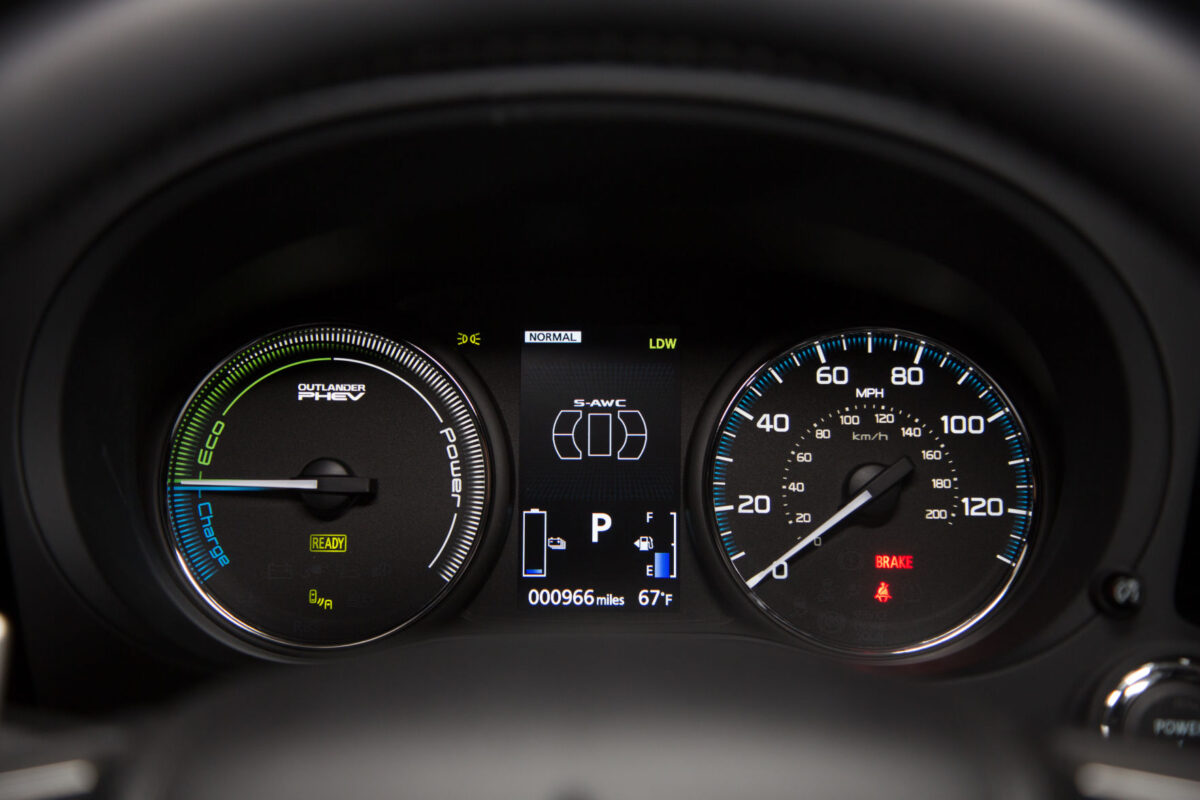
The design includes really three different ways, or be it drive system modes that these engineers have included. First there is an all-electric mode of driving, that allows the SUV to be driven completely on electricity and it will go up to 65 mph in all electric mode, Mitsubishi claims a 22 mile range on a full charge but we were regularly getting 27.
The second drive system is called the Series Hybrid Mode, this is where the gasoline engine in the Outlander actually runs a generator that will feed electricity to the electric motors and also if there is enough power recharge the battery.
The third drive system is called the Parallel Hybrid Mode will use the gasoline powered 2.0 liter engine to power the front wheels along with the two individual electric motors adding additional power to all 4 wheels if needed. This system is set up in what Mitsubishi refers to as S-AWC, a technology that came from the Lancer Evolution that sends power or will even brake whichever wheel requires it. This system uses the stability control, anti-lock braking control, traction control and anti-YAW control to accomplish this in milliseconds.
This is all accomplished seamlessly through the use of the electric motors, we never once noticed or sensed any of this happening. Using this driving mode will also attempt to recharge the batteries through the use of the generator if there is enough power and it economically makes sense to do so.
Parallel Hybrid Mode we found was used mostly on the long haul drive. For instance after we depleted the batteries coming out of Denver heading into the mountains this was the mode that the Outlander preferred on the trip home.
The batteries would regain some charge, and as we headed up I-70 to the Eisenhower tunnel we completely depleted them and had to use all the power the 2.0 liter had to offer to make it to the top at just over 11,000 feet in altitude.
However coming down the back side we were able to almost completely recharge the batteries by using the paddle shifters, which are really not shifters at all but literally control how much regenerative braking is used to help recharge the batteries. Using this setting the SUV kept us at the speed limit of 65 mph down the seven percent grade with a net result of getting 90% of the charge back on the batterie!
Next up was the Vail Pass that took us to 10,662 feet in altitude again. We did the same thing coming back down the other side and buy using the generator along with the long downhill stretch we were able to completely recharge the batteries by the time we hit Grand Junction and the end of the mountains.
We averaged just over 28 miles per gallon on the trip home from Colorado which may seem a little low but that is really not what the PHEV is designed for, plus we did a lot of mountain driving and had a good headwind coming into Utah.
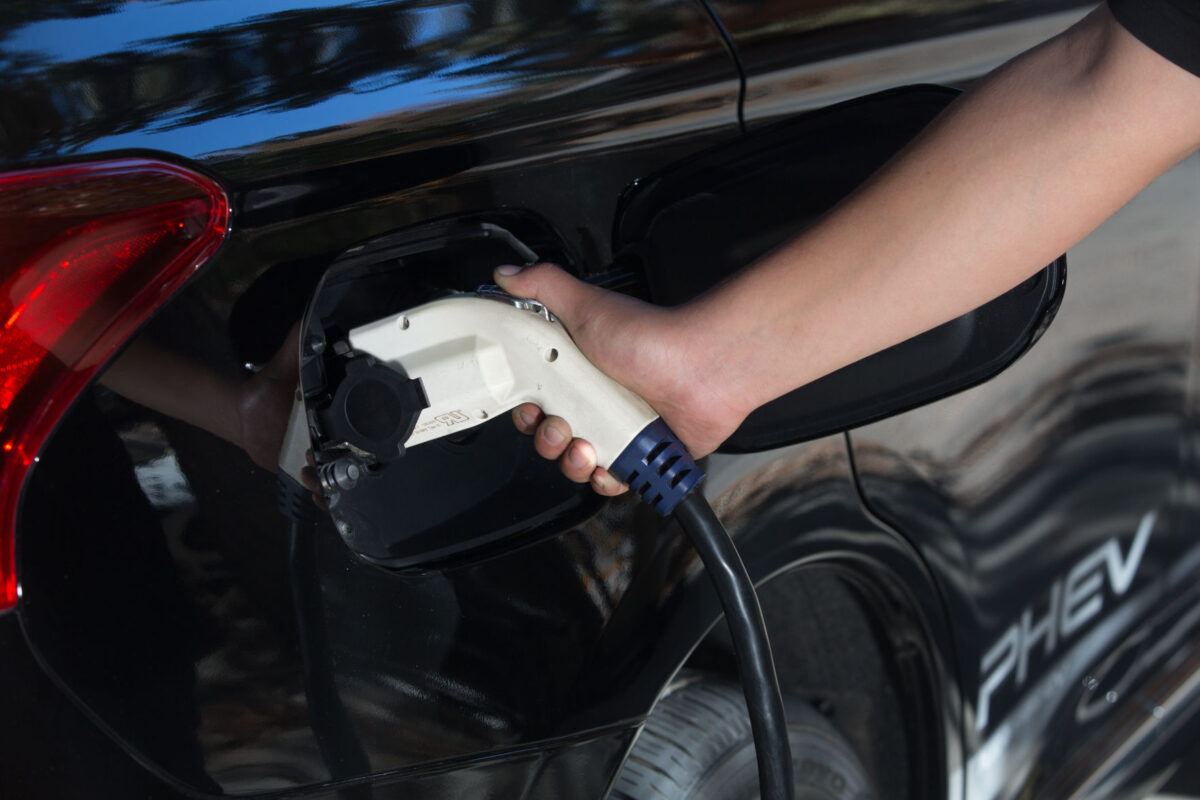
So we had to try the Outlander as it was really meant to work in everyday short commute or just mom running around town with the kids. By fulling charging overnight even on just a 120 outlet it took just under 8 hours to get a full charge, which showed us we had 27 miles of electric power.
On Saturday we made two trips from Springville to Spanish Fork and never once had to run the engine, netting us a great 3.3 miles per kilowatt hour of charging. Since our electricity costs us 10 cents per kilowatt hour that was basically just over 3 cents per mile, where had we used gas it would have been right around 12 cents per mile.
Throughout the week we found it was easy to get over 100 mpg with the PEHV if we paid attention to our driving and used the vehicle as it was meant to be used. This included using the onboard apps that allowed us precondition the SUV in the morning, buy running the heat using electricity from our home. This was accomplished by setting the departure time the night before and what we wanted the temperature inside of the Outlander to be when we left.
Again it is a different thought process and really a different lifestyle to have the PEHV perform as it was designed to do. There are those that will not want the hassle of setting times and thinking ahead as we all know it is way easier to just run out jump in the car and get to the destination. However the future is coming as electric and hybrid vehicles become more prevalent we are all going to have to come up with a different mindset.
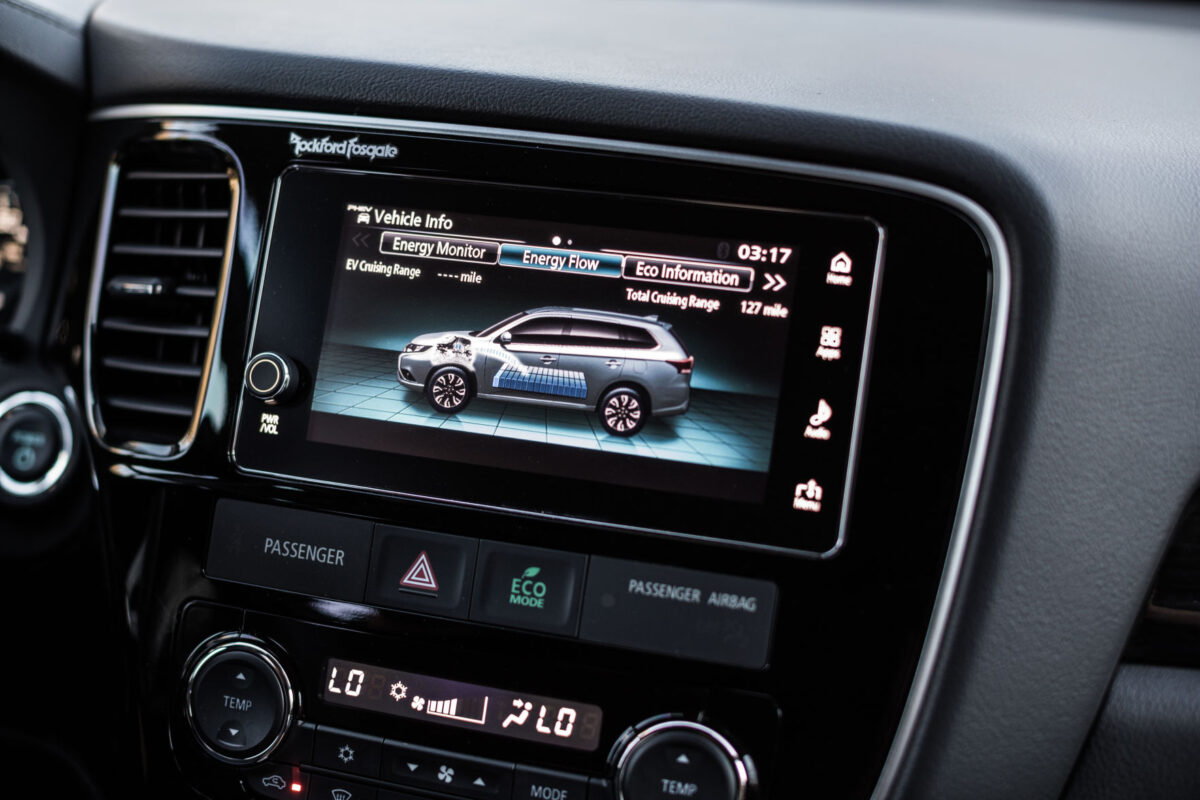
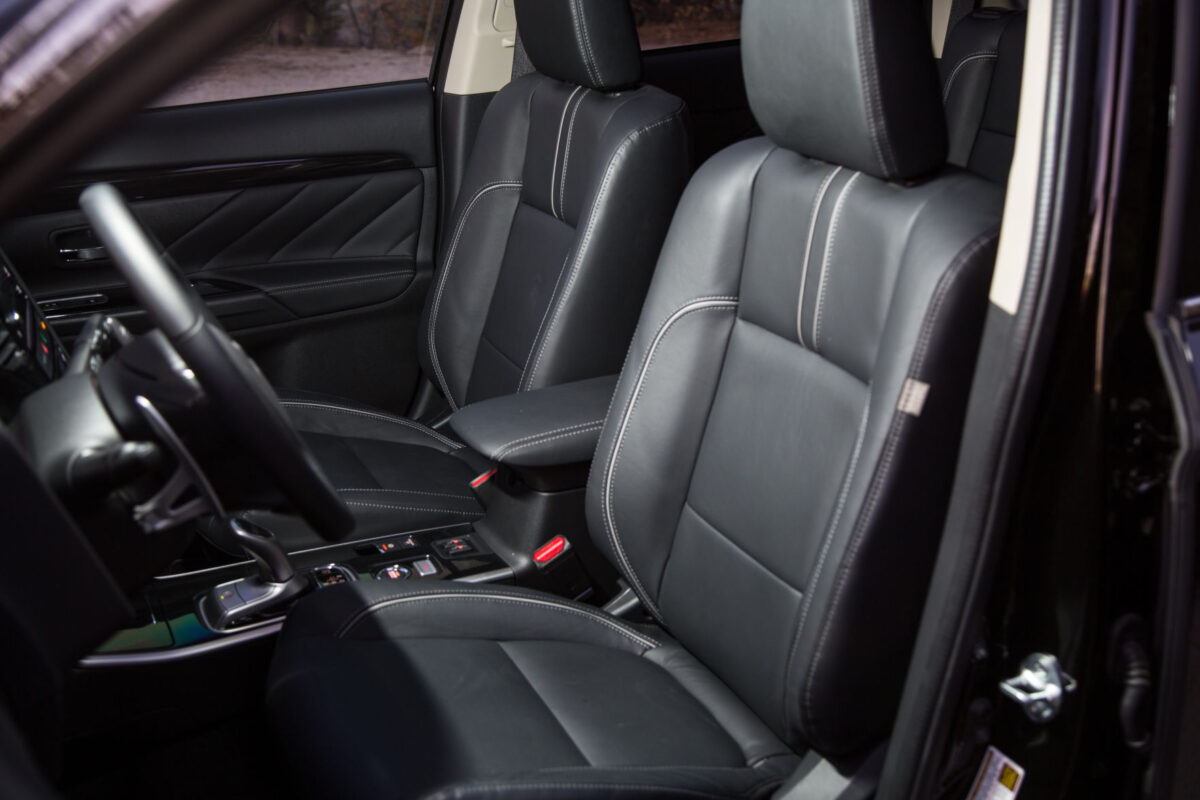
The Outlander we drove came completely loaded with all the comfort and features we would have expected from the top of the line that Mitsubishi has to offer. From the stitched leather seats to the great 7 inch touch screen made the everyday drive very enjoyable.
It was also completely cooked on the safety side with blind spot monitoring, rear cross path detection, emergency braking, lane departure warning, adaptive headlights, rain sensing wipers and adaptive cruise control.
Going electric can be accomplished if the daily drive comes in around 30 miles, and works even better fi there is a charge point near the office. See the new Outlander PEHV at Cougar Mitsubishi in Springville, 2065 West 500 North, (801) 225-6866.
Base Price: $40,295
Price as Driven: $40,990
[gallery_header ids=”1082583,1082588,1082591,1082594,1082598,1082601,1082605,1082609″]
Sunday Drive
Sunday Drive: Hands off the wheel, eyes on the future — The 2026 Tesla Model Y redefines the drive
There are moments in the automotive world when you realize you’re not just reviewing a vehicle — you’re ...
Sunday Drive: 2026 Lexus TX 550h+ — Plug-in power electrifies everyday family driving