
Utah companies report more stability despite ongoing U.S./China trade war
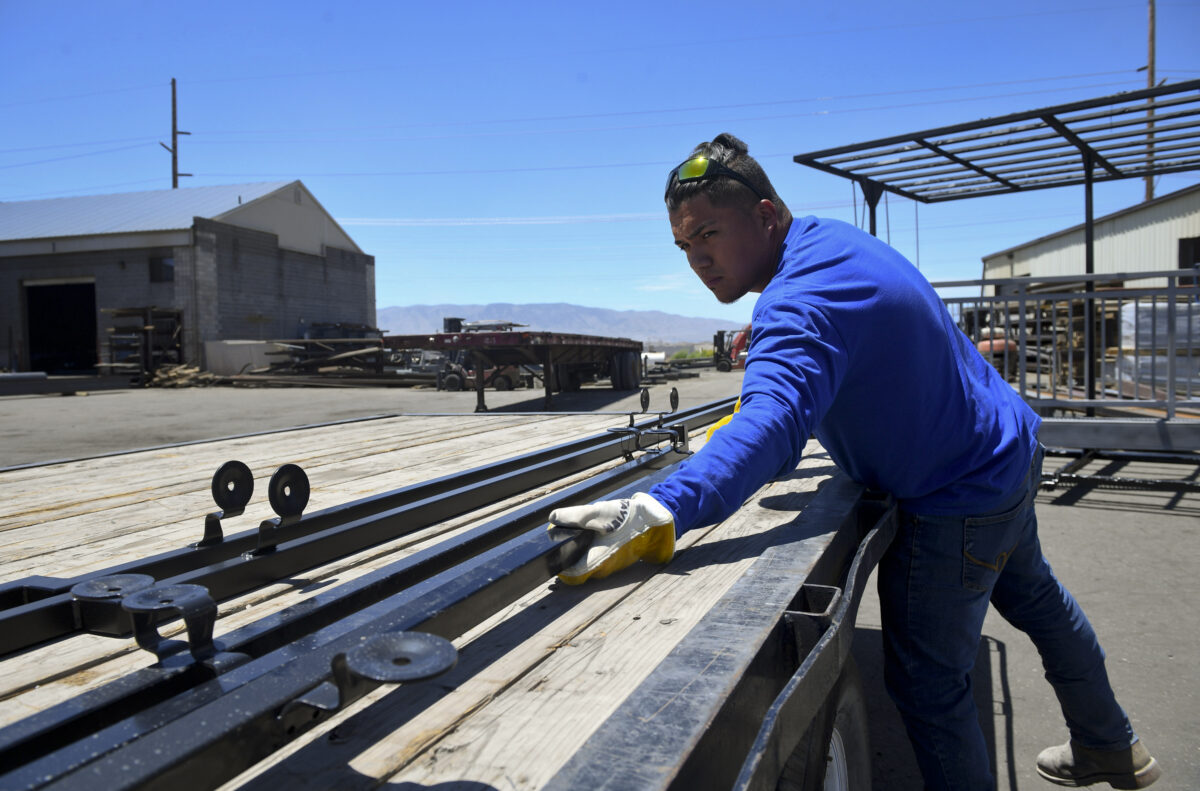
A steelworker loads finished steel pieces onto a truck Friday, June 15, 2018, at Clegg Steel in Orem. Isaac Hale, Daily Herald
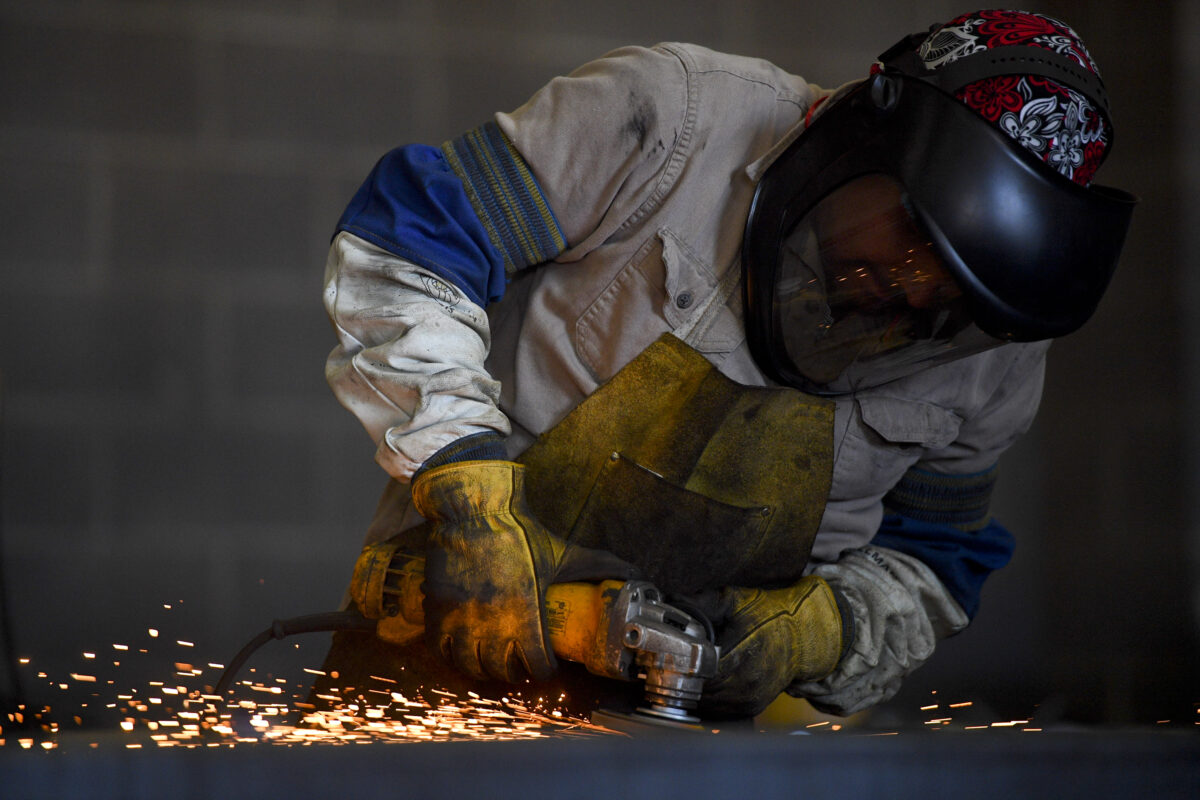
Steelworker Victor Cruz cuts metal Friday, June 15, 2018, at Clegg Steel in Orem. Isaac Hale, Daily Herald
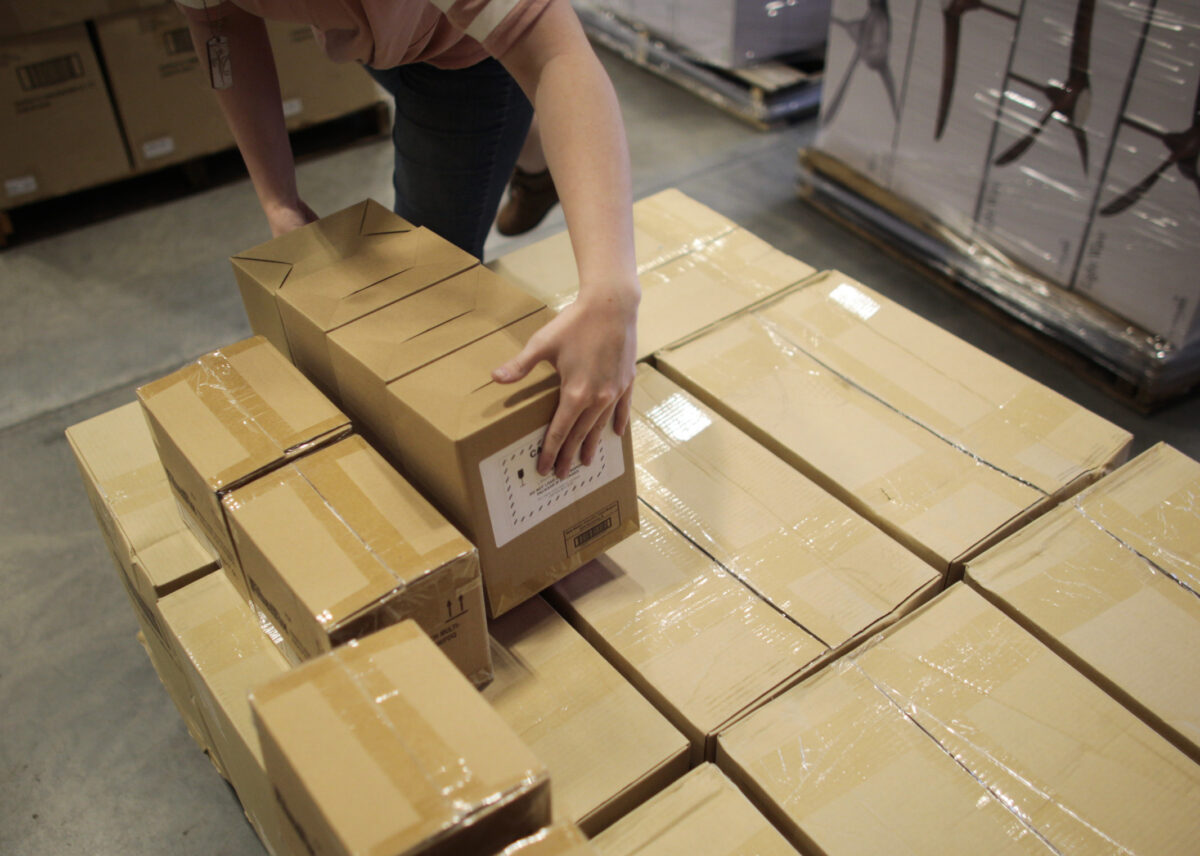
Chelsea Quinn, a warehouse worker at Spark Innovation, stacks packages on a pallet to be sent from the Spark Innovation warehouse on Friday, June 29, 2018, in American Fork.
The start of the trade war between the United States and China this summer set off a roller coaster for businesses in Utah County, but many are now seeing some stability.
In mid-summer, the U.S. implemented a 25 percent tariff on $50 billion of China goods, including multiple electronic components and consumer materials. Talk of the tariffs had Utah business owners spooked then. When the Daily Herald reached out to share their stories, local consumer product manufacturers, steel product workers and industry experts reported experiencing significant pricing fluctuations.
Steve Clegg, owner of Clegg Steel in Orem, said in June that the fluctuations caused problems for his company’s structural steel fabricating and erecting projects that were bid out several months in advance.
“There’s a lot of work out there,” Clegg said of his industry then. “But it is stressful when steel prices go up on a job you bid three or four months ago.”
Additional tariffs on about $200 billion worth of Chinese imports went into effect at the end of September. Steel was one of the first imports hit with summer tariffs, and costs shot up, then wildly fluctuated as suppliers reacted to the changes.
Despite the new round of tariffs, Clegg and other Utah business owners now say their industries have settled down.
“We’ve adjusted to it, and it’s all leveled off,” Clegg said in a phone interview this week. “There is still so much work out there, and it hasn’t affected whether people do the work.”
Costs are still high, Clegg said, but those that utilize steel and other metals have rolled those costs into their projects. While unfortunately that means the consumer is paying higher prices for housing, office space and other buildings, there are more projects in the marketplace than Clegg Steel can even bid on, Clegg said.
“It’s good to have consistency in steel prices. While I’d like the costs to go lower, that’s not our main concern — just knowing what prices are going to be and if they’re stable, that’s better for business,” Clegg said.
For steel process system provider Rocky Mountain Stainless, the summer months were tough, said Richard John. He is glad the fluctuations have calmed down.
“The higher prices are still in effect, but more people are accepting of that fact and of the change, so work is actually rolling along good,” John said in a phone interview this week.
Bryce Fisher, CEO of heated jacket maker Ravean, was not excited this summer about the 15 to 25 percent price jumps on the electric components in their wearables, but hoped the tariffs would “level the playing field” for U.S. businesses. He still anticipates the tariffs will accomplish that.
“I’m still glad they are doing them, because China can come here and compete with me, but I can’t go to China and compete there,” Fisher said this week.
He is currently in a trademark battle with a China company who stole the Ravean trademark. He hopes, as officials in Washington, D.C. have postulated, that this trade war will lead to changes in the way China deals with outsiders’ intellectual property.
“IP stealing is no joke,” Fisher said. “It happens all the time.”
Fisher said the trade war, while not perfect, is giving some companies leverage when negotiating with Chinese factories. For example, he’s planning important conversations with Ravean’s current Chinese suppliers in the coming month. If those factories can’t or won’t lower costs, Ravean will look outside of China for its manufacturing needs.
“As more companies jump ship, the country will start losing those low-cost labor jobs in China,” Fisher said.