
Agriculture clash: Why these Utah County restaurants source their food locally
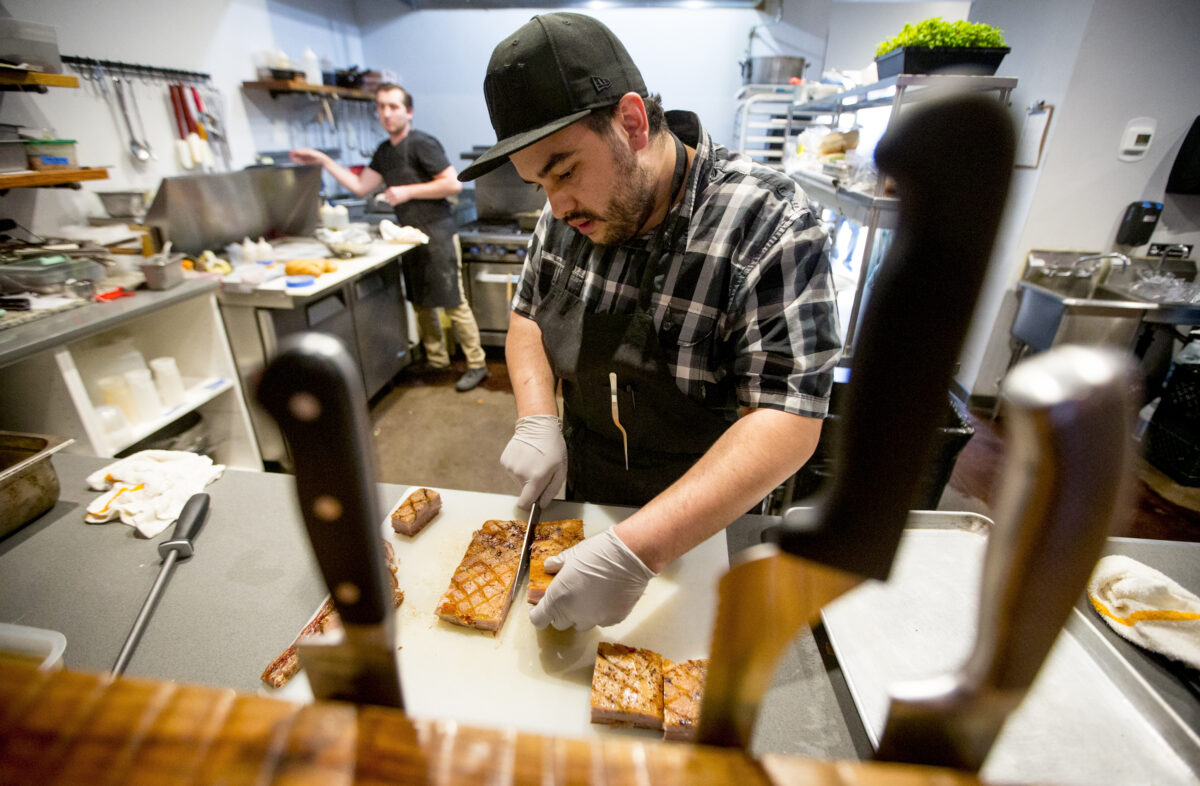
Head chef Dominiquee Roberts cuts braised pork belly, sourced from Clifford Family Farm in Provo, on Thursday, June 6, 2019, at Block Restaurant in Provo. Isaac Hale, Daily Herald
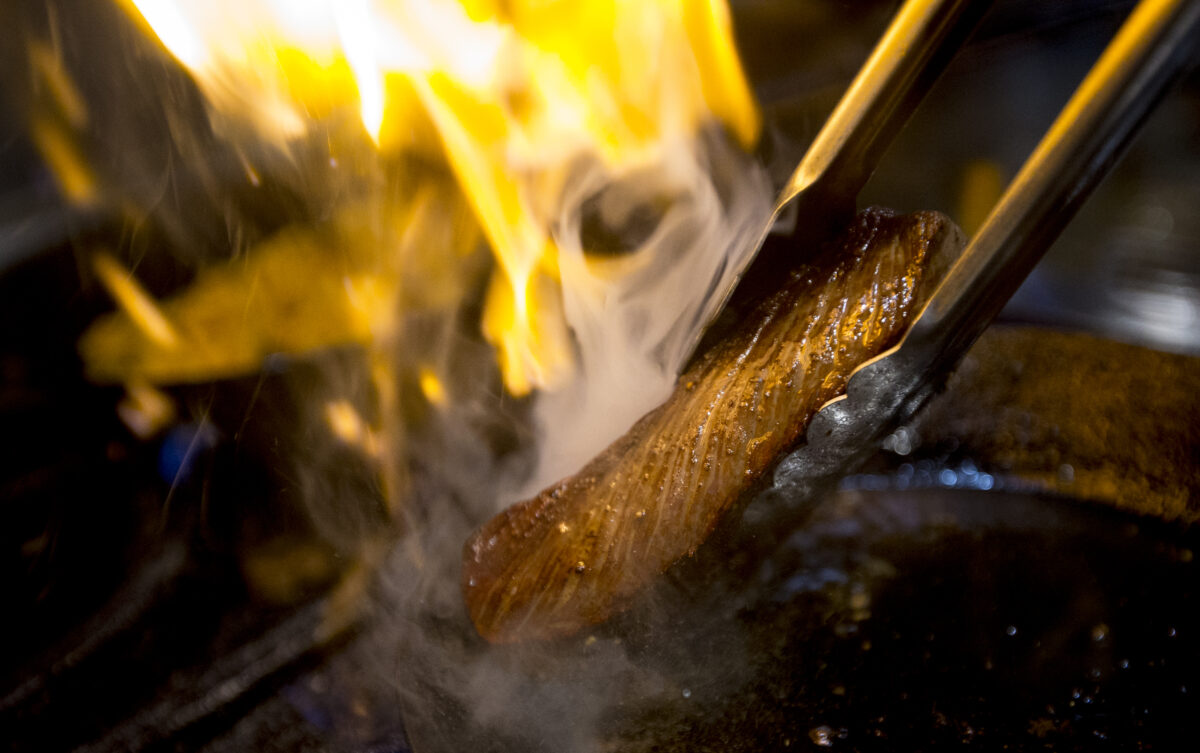
Line cook Ian Groesbeck cooks an elk stake, sourced from Ashton Farms Custom Meats in Fillmore, on Thursday, June 6, 2019, at Block Restaurant in Provo. Isaac Hale, Daily Herald
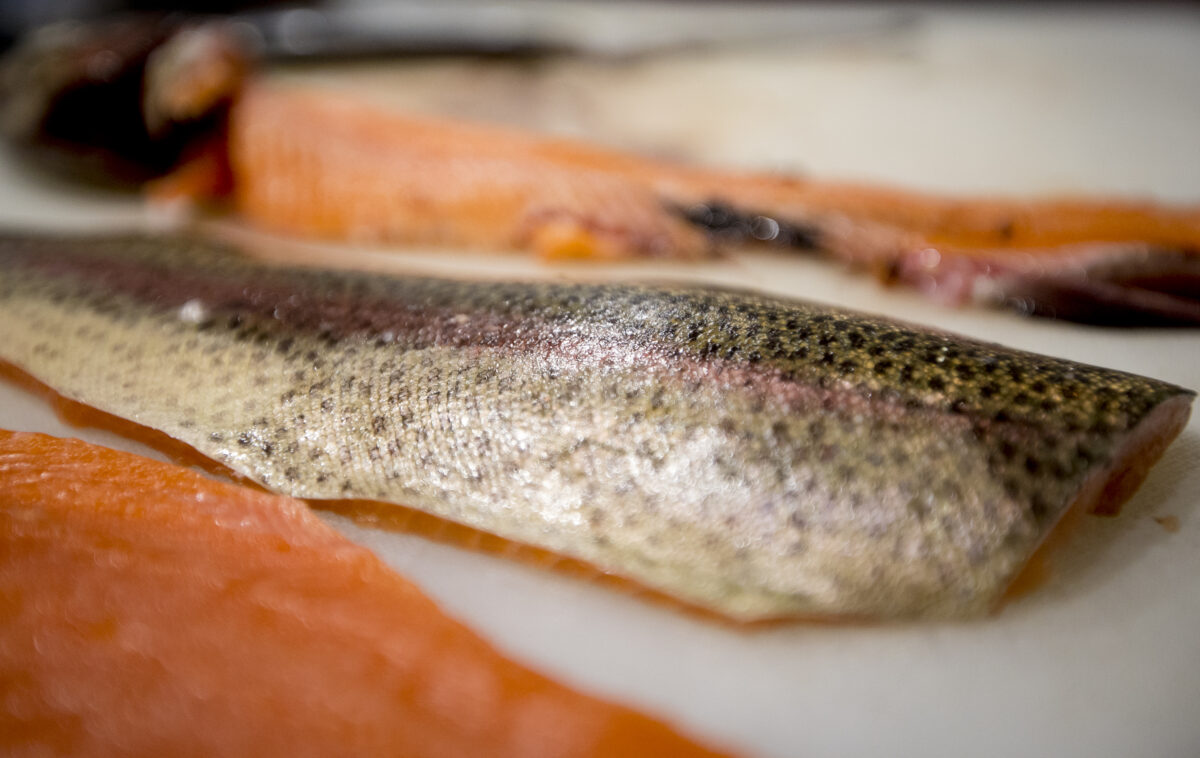
Fillets of rainbow trout, sourced from Spring Lake Trout Farm in Payson, lies on a countertop Thursday, June 6, 2019, at Block Restaurant in Provo. Isaac Hale, Daily Herald
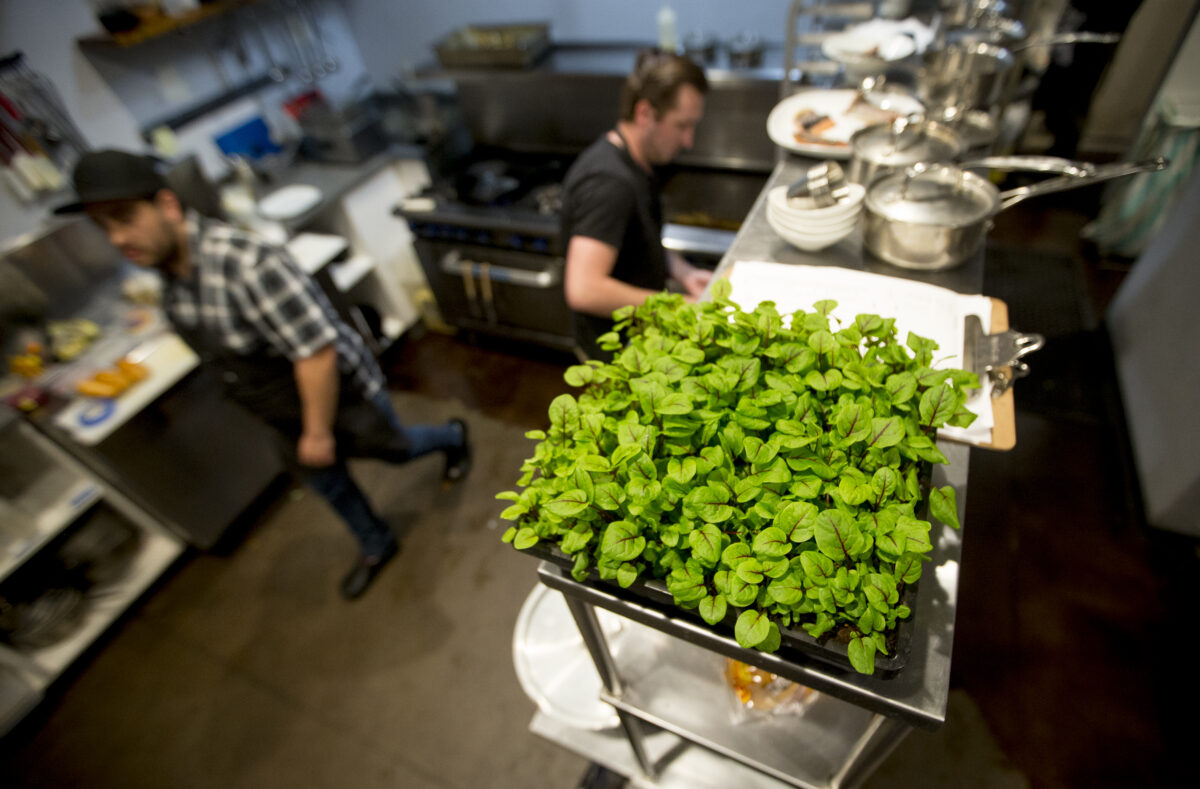
Micro sorrel, sourced from Brickhouse Growers in Orem, grows Thursday, June 6, 2019, at Block Restaurant in Provo. Isaac Hale, Daily Herald
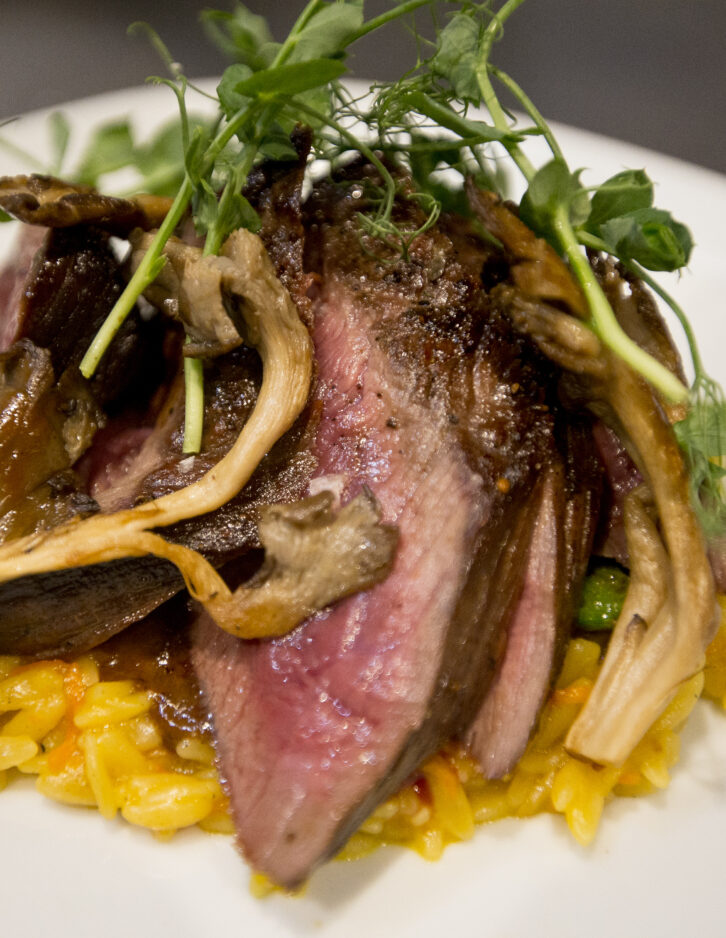
The elk marsala is pictured Thursday, June 6, 2019, at Block Restaurant in Provo. Isaac Hale, Daily Herald
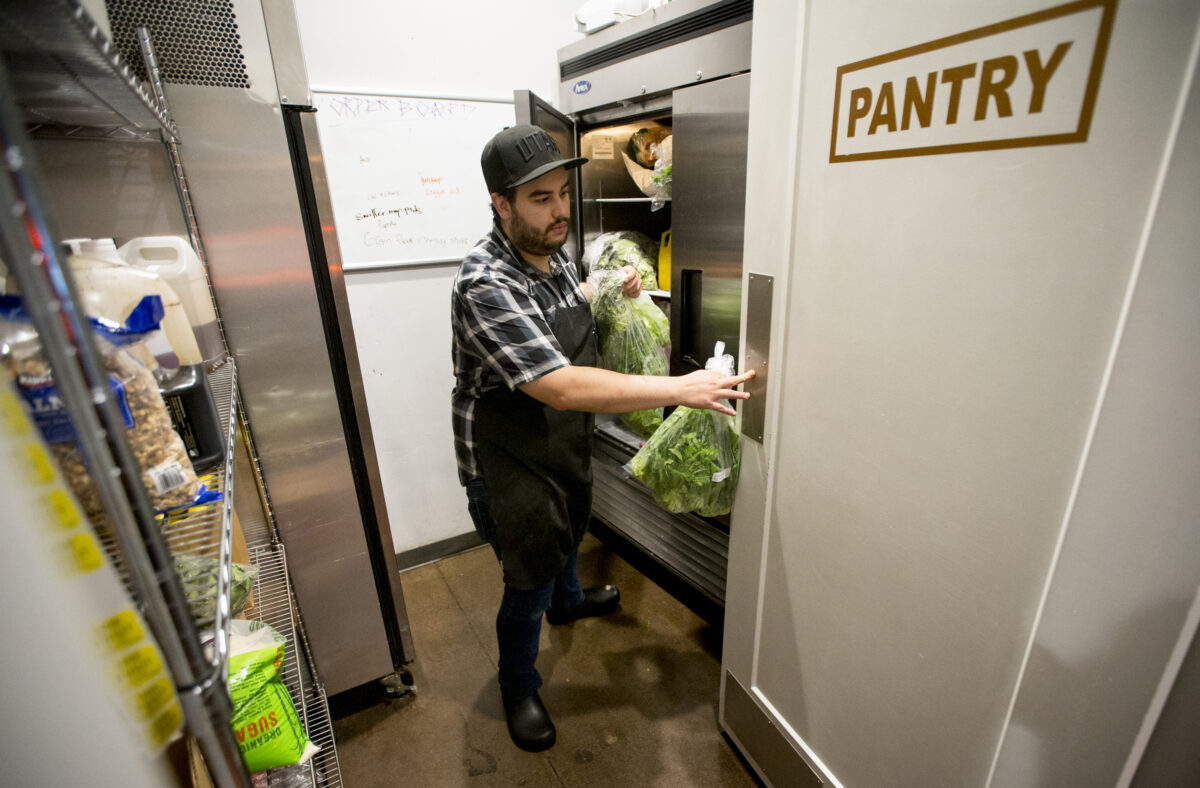
Head chef Dominiquee Roberts pulls various lettuces, sourced from Snuck Farm in Pleasant Grove, from the pantry Thursday, June 6, 2019, at Block Restaurant in Provo. Isaac Hale, Daily Herald

Eggs, sourced from Clifford Family Farm in Provo, lie in a bin Thursday, June 6, 2019, at Block Restaurant in Provo. Isaac Hale, Daily Herald
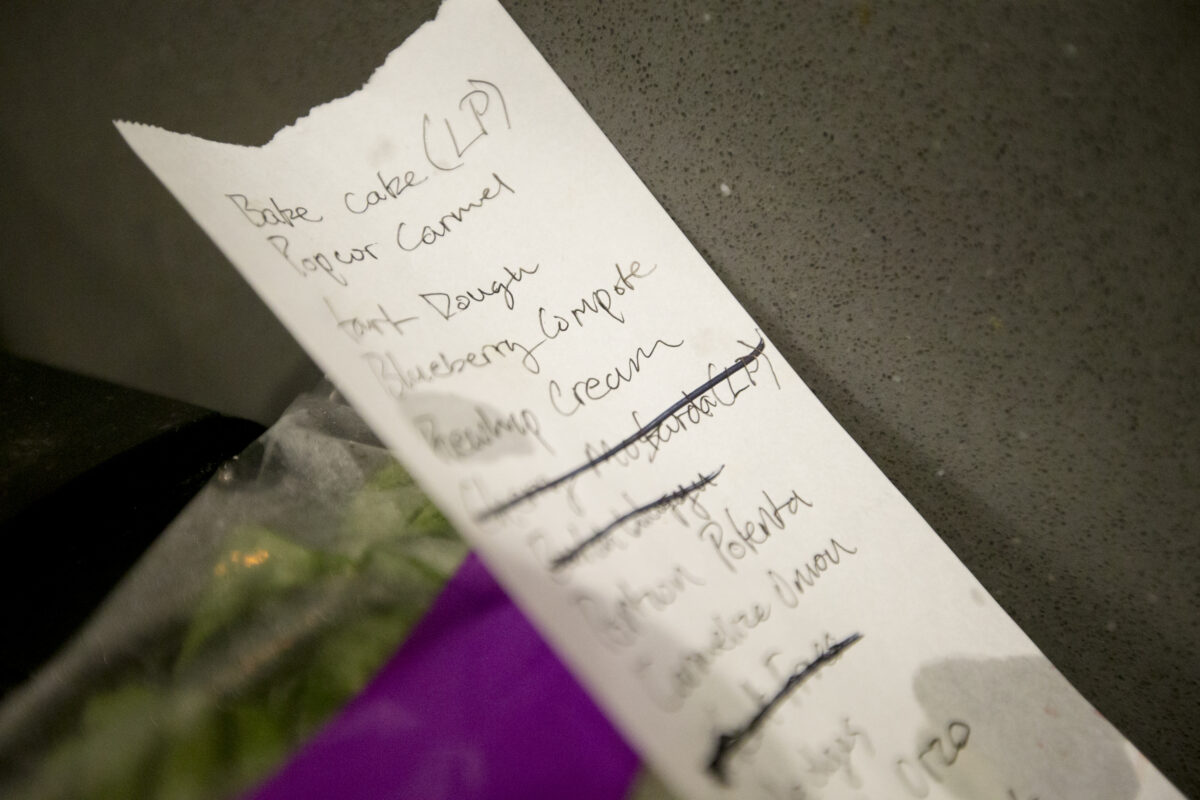
A list of ingredients lies on a countertop Thursday, June 6, 2019, at Block Restaurant in Provo. Isaac Hale, Daily Herald
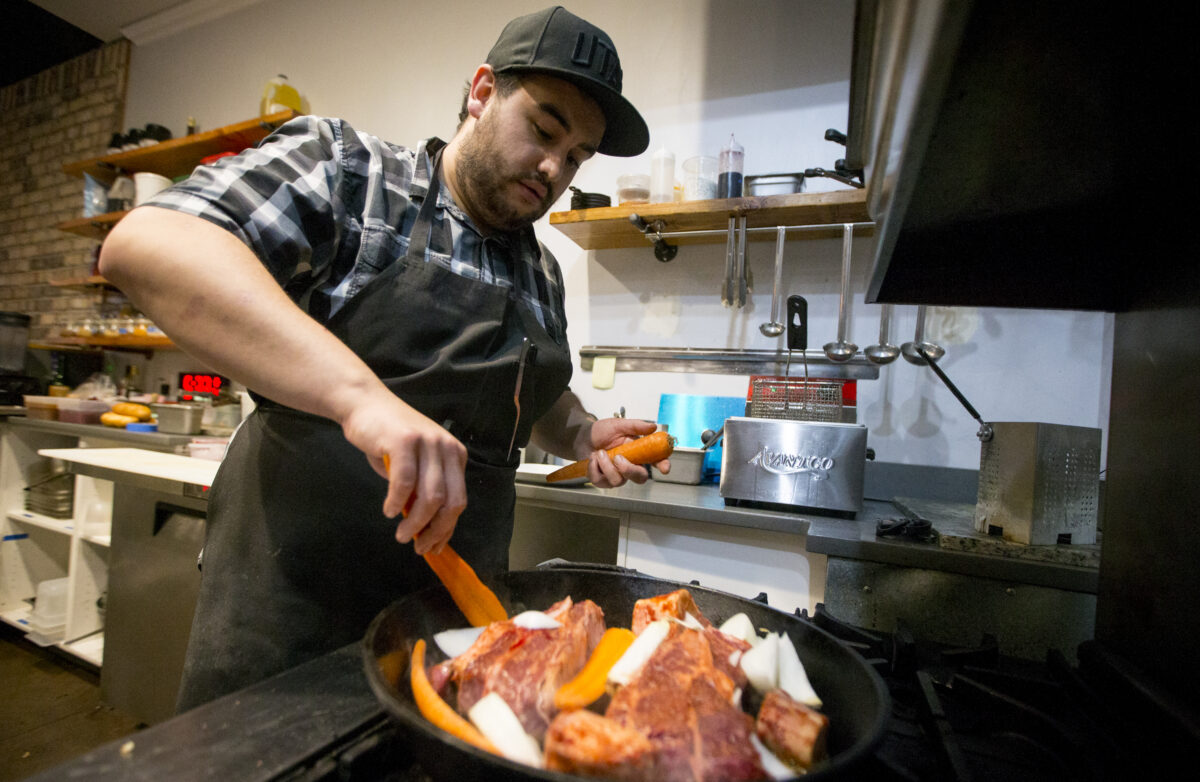
Head chef Dominiquee Roberts places vegetables into a pan with locally-sourced short rib Thursday, June 6, 2019, at Block Restaurant in Provo. Isaac Hale, Daily Herald
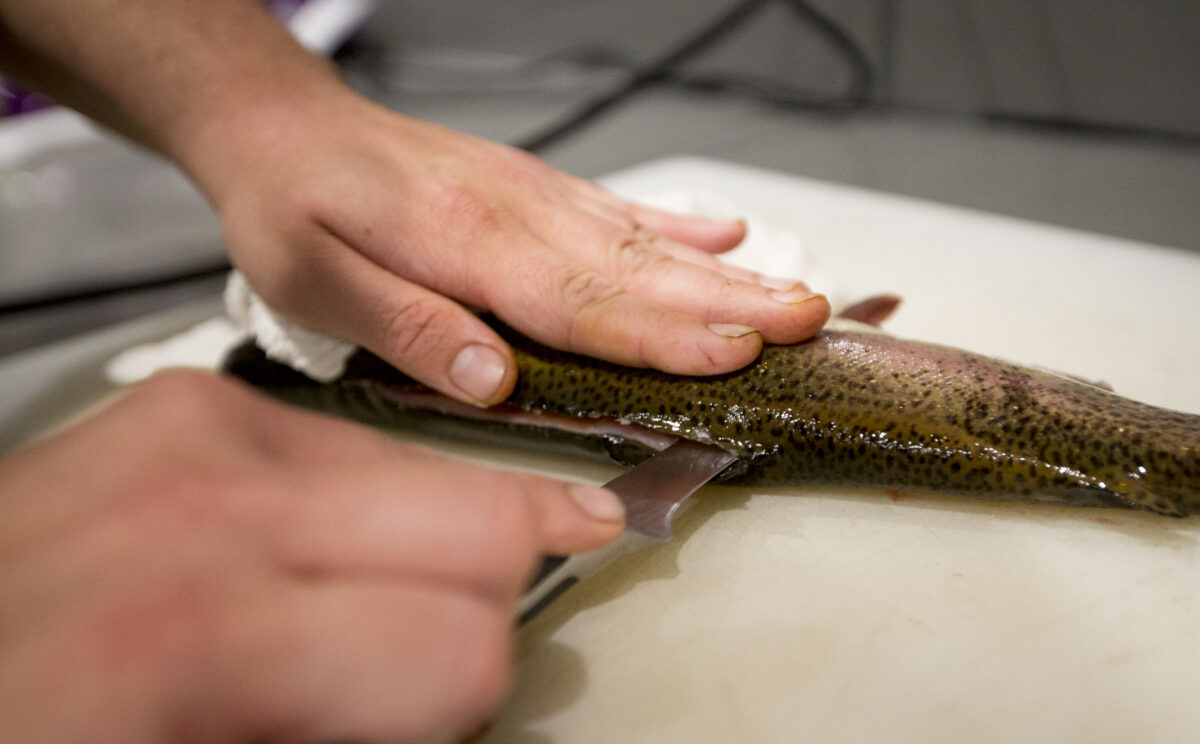
Head chef Dominiquee Roberts fillets rainbow trout, sourced from Spring Lake Trout Farm in Payson, on Thursday, June 6, 2019, at Block Restaurant in Provo. Isaac Hale, Daily Herald
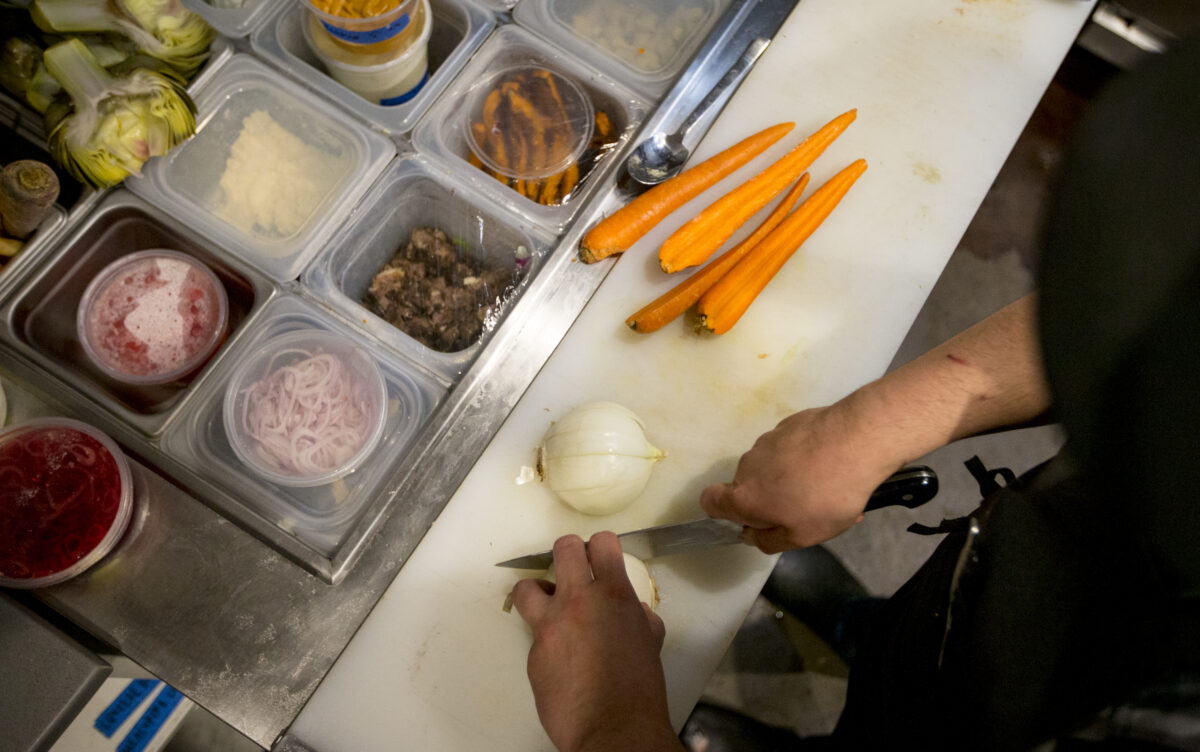
Head chef Dominiquee Roberts cuts vegetables Thursday, June 6, 2019, at Block Restaurant in Provo. Isaac Hale, Daily Herald
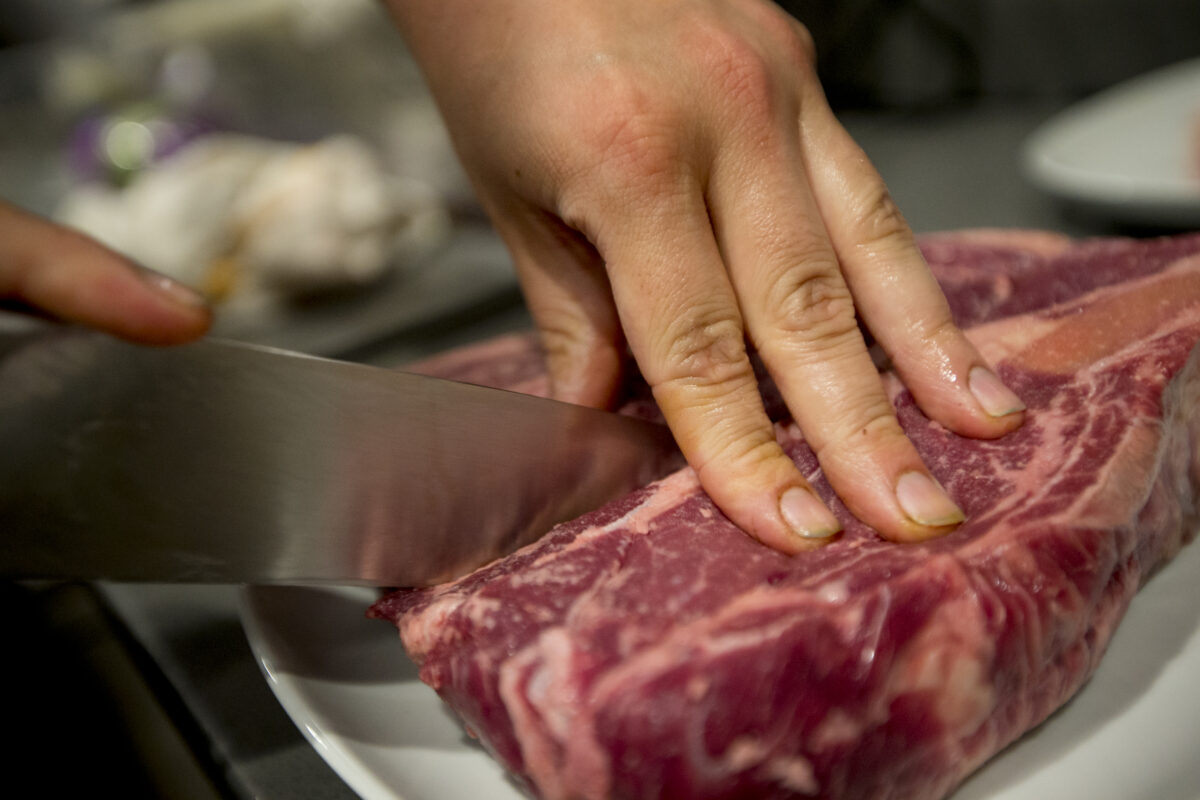
Head chef Dominiquee Roberts cuts short rib, sourced from Christiansen Family Farm in Fairfield, on Thursday, June 6, 2019, at Block Restaurant in Provo. Isaac Hale, Daily Herald
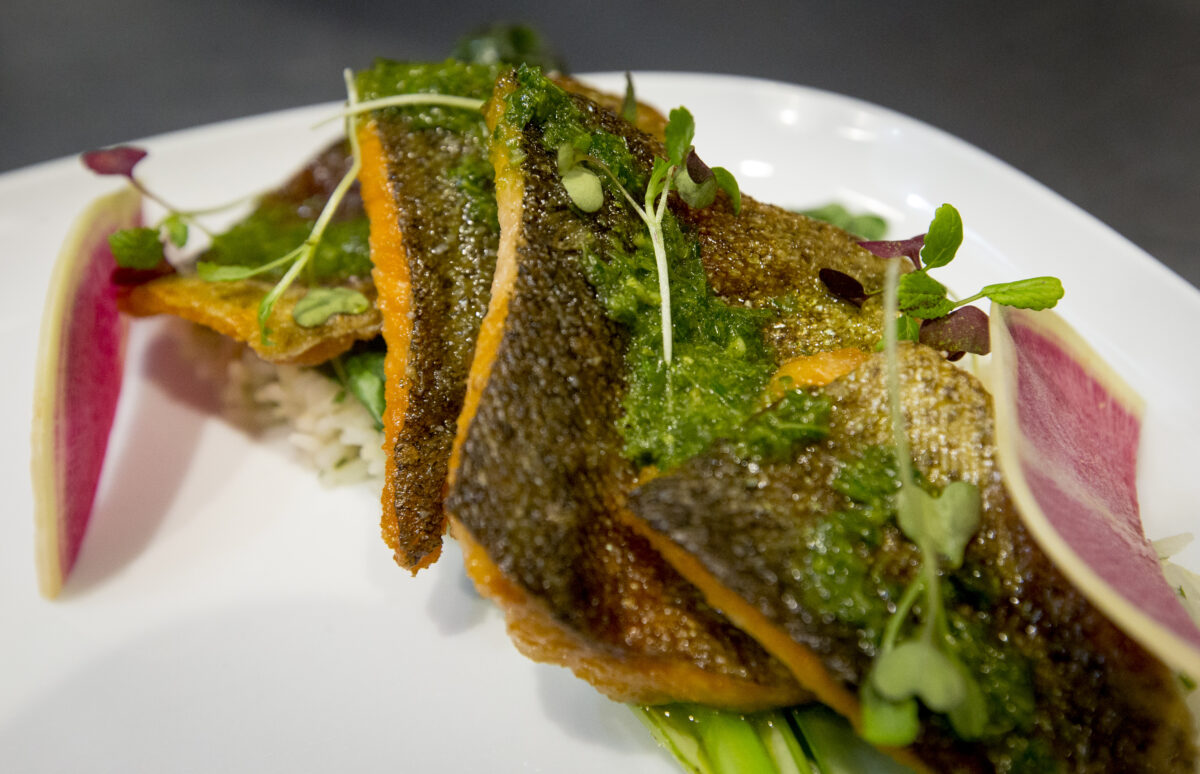
The lake trout is pictured Thursday, June 6, 2019, at Block Restaurant in Provo. Isaac Hale, Daily Herald
Communal, Block Restaurant and Good Thyme, restaurants located in Provo, have made it a part of their “brand” to source ingredients locally.
Owners and chefs said this was important to them because they believed the food tastes better, local food is more nutritious and other valuable reasons. But across the board, they listed “supporting the community,” and supporting local farmers, as one of their top reasons for sourcing locally.
“We are a small local restaurant ourselves and so community means everything to us,” Kyler Roney, co-owner and chef of Good Thyme, wrote in an email. “If we as a community support each other in an positive way and help each other where we can all succeed and grow together and be successful!”
Last year, Roney wrote, Good Thyme sourced more than 35 local products, including greens, beef, vegetables, dairy and more. This year, Good Thyme is on track to beat that number, and also plans on adding a small retail section to their restaurant this summer that will feature local products such as honey and soap.
Adam Cold, chef at Communal, also said he believes in showing support for local growers financially.
“If I just buy from a large corporation, like a large distributor, I have no idea where that money goes,” Cold said. “When I buy from a farmer … I can see how that directly benefits them.”
The money stays within the local community and the local economy, Cold said, continuing to benefit the lives of other residents.
While Cold has sought out farmers based on need or recommendations, he said small farmers have come to the restaurant directly to sell to him. Cold said he likes to even buy from farmers just starting out, to help support their business.
“If a small farmer comes to me and fills a need in my menu, I will try to encourage them by buying their product, even if they can’t supply me with as much as I need, to see if they can … create a business,” Cold said. “It’s kind of a win-win … I can get awesome local produce and they start to develop a business.”
Cold said building a relationship with farmers is a big part of sourcing local ingredients and being a part of the community, which is the mission of Communal.
“It’s also about influencing people that you have actual relationships with, improving their lives,” he said.
For Erika Orndorff, owner of Block Restaurant, building those relationships has not only been a big part of growing her restaurant, but she said it’s changed the way she feeds her family, in that she’s become more conscious about the importance of sourcing local food and teaching her kids about it.
“You are supporting the people who are putting their life and soul and blood, sweat and tears into their ideals, their passion, their farming,” Orndorff said. “I teach my kids about what these people do … and this is what they gave us, this is the work and energy that went into it … so you don’t waste it because there was so much energy put into it.”
Both Cold and Orndorff described physically visiting each farm they source from, to ensure all the ingredients, meat, dairy and produce, are grown sustainably and humanely in the case of the animals, and continuing to build trust over time with different farmers.
“A lot of people think that buying local, it’s more of a trend,” Cold said. “It’s more so about, not only keeping the money within the economy, but it’s about affecting people that you can personally know and that you can build a relationship with.”
Of course, sourcing food locally brings two major challenges: pricing and seasonality.
For pricing, typically it can be better financially for both farmers and restaurant owners and chefs to work together directly, and not through a wholeseller. However, the quality of the ingredients raises the price of restaurant dishes. Orndorff said that’s been one of the biggest struggles with their restaurant, is changing the mindset of people coming to the restaurant.
“Because of that care and that attention (farmers give), you get a really good quality product, but with the quality comes a price because you’re paying for somebody to physically be there with the animals or at the farms,” she said. “We try to keep it as cost effective as possible. But understand the value you’re getting out of it. You’re not supporting just this restaurant, you’re supporting (farmers) … you’re supporting all these small ranchers. So that’s tricky.”
As for seasonality, Roney said Good Thyme will sometimes outsource to buy ingredients not in season in Utah in order to keep their menu constant. For Communal and Block, however, it means changing the menu and basing it around what they get from farmers. Orndorff sees it as a fun, creative challenge.
“So a farmer will come to us and, ‘Hey, I have all these rainbow carrots.’ And somebody would think, like, a carrot, what can you do with a carrot? But they’re so beautiful that you can do anything. You can make carrot chips, you can do, we have a crudite board, so it’s just raw veggies and hummus, you can do puree, you could do pickle … we use the rainbow carrots on all the things,” Orndorff said. “So we do them in seven different ways because that’s what we have.”
Despite the challenges, the community feel and support continues to remain at the forefront for these restaurant owners and chefs.
“There’s magic that happens when you know the name of the person who planted and harvested your greens,” Roney said.
Both Communal and Good Thyme list the farms they partner with on their websites. Many of the farms they partner with also sell products directly to the community.
This article about agriculture in Utah County is the last in a short series. However, be on the lookout for more stories about agriculture in Utah in the future.