Film photography business expands from Orem to Provo on mission to boost analog access, education

-

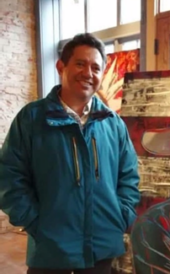
- A photo taken Jul. 3, 2024 shows theFINDlab owner and photography Jon Canlas assisting a customer at the Provo location.
-
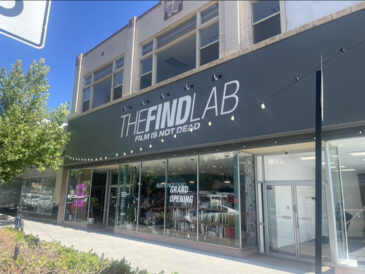
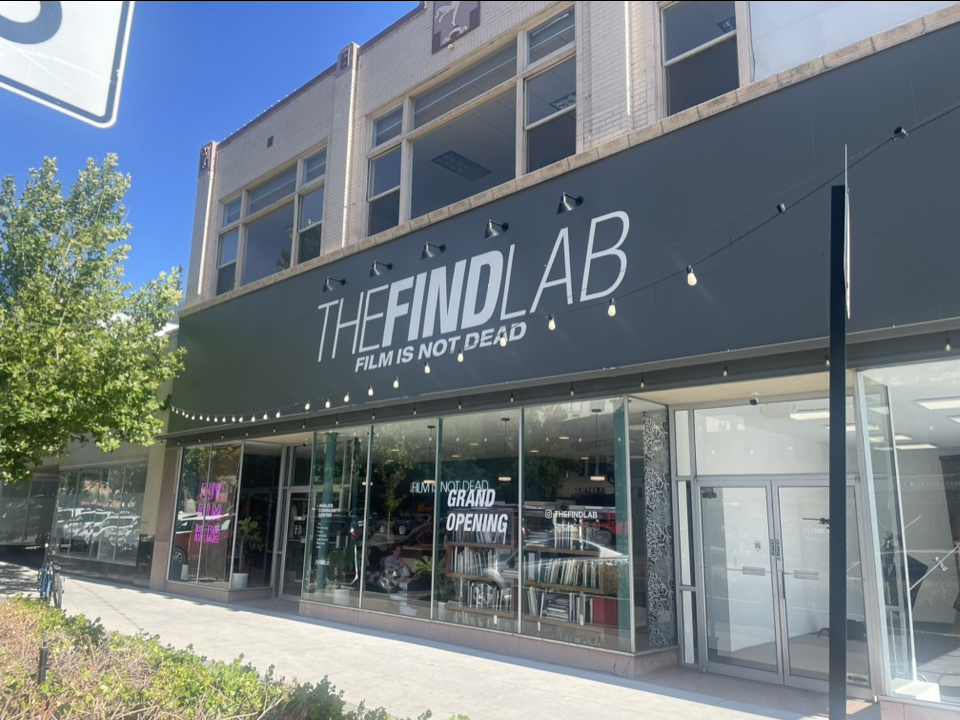
- A photo taken Jul 3, 2024 shows the outside facade of theFINDlab’s Analog Community Center in Provo
-
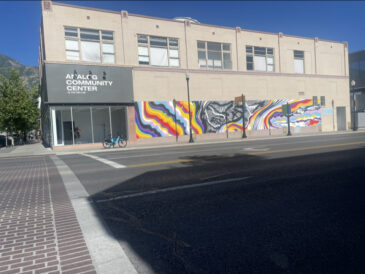
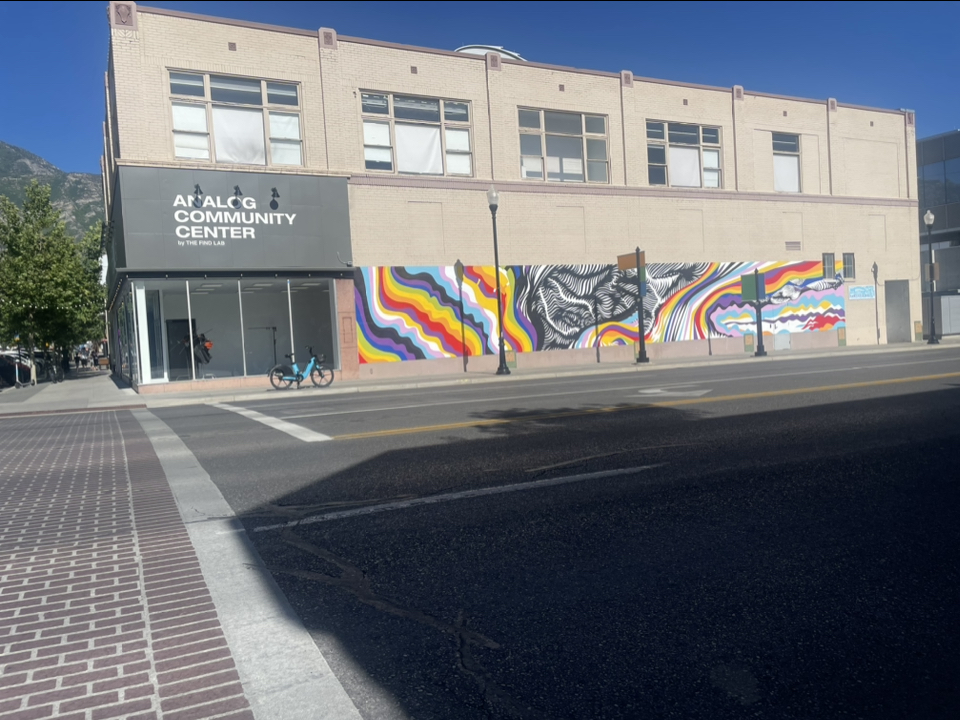
- A photo taken Jul. 3, 2024 shows a mural art promoting acceptance and inclusivity on the west side of theFINDlab’s Provo location.
At the corner of Center Street and Freedom Boulevard in Provo, there’s a renaissance of analog photography happening.
Of course, the argument can be made that film never really died — at least, that’s the message photographer Jon Canlas is sending with theFINDlab.
As smartphones became more advanced and DSLR cameras soared in popularity during the late 2000s, Canlas created a workshop called “Film Is Not Dead,” hence the FIND branding. It was there he’d coach people how to shoot and develop film.
To build on this, in 2011 he opened theFINDlab, located at 170 Mountain Way Drive, Suite 107, in Orem. The facility allows people from Utah and across the country to send in film to be processed and scanned. It’s become one of the largest film labs in the country over the past 13 years, according to Canlas.
With the success in Orem, Canlas wanted to create an accessible community hub for aspiring film photographers, while eliminating barriers to entry related to cost of education.
The Analog Community Center, another extension of theFINDlab, opened in late June in the heart of downtown Provo, an area crawling with students from surrounding colleges, universities and high schools.
Canlas feels there’s a desire for film resources but not a lot of options for students who aren’t enrolled in photography classes.
“They’re studying economics or humanities or whatever. And so for them to have access to a public dark room or a studio space or a gallery, they had to be majoring in that thing,” he said. “So now I’m going to get rid of that barrier to entry.”
The Analog Community Center will serve as a location for film drop-offs to be sent to theFINDlab’s Orem warehouse, camera repair and purchases, along with a host of galleries and events.
Aspiring and experienced artists also will be able to rent time in a studio space and public dark room, or just kick back with one of the thousands of photography books Canlas has collected.
“We provide the opportunity for creativity. You just come in and you decide how you’re going to react,” he said. “If you want to buy some film, that’s cool. You want to buy some cameras, some swag (or) whatever, it’s available. But we’re not shoving it down your throat.”
Canlas said he spent several years at Brigham Young University, where he earned a Bachelor of Fine Arts degree in photography and had access to the university’s dark room. However, students who were not in the program didn’t have the same resources, and costs for public dark rooms may have been out of many students’ price range.
“Had something like this existed, I think my time at college would have been shortened,” Canlas told the Daily Herald.
He believes there may be a local student — just as curious as he was, with the same desire to learn — who stumbles across the community center. “I know for a fact the next me is going to come through this door, and that’s inspiring to me,” he added.
He said film gives photographers the opportunity to shoot with intentionality. “You know, depending on what format you shoot, you can have anywhere from 36 (photos) down to like 10, and if you’re going to take 10 photos, you’re gonna think about it,” he explained.
In addition to forcing creators to be more present in their photography, there’s also the feeling of nostalgia. “Like being able to like some of these old school cameras that maybe their parents use their grandparents used,” Canlas said.
While Canlas aims to inspire a welcoming community inside the space, the outside tells a similar story. He got permission from the city and the building’s owners to paint an abstract mural on the west side of the building. The work is an artistic expression of acceptance by muralist Ruel Brown.
“To me, it tells you who we are,” Canlas said. “Yeah, I want inclusivity. Even if one kid in this town, that’s on the LGBTQ (spectrum) or wherever feels safe, seen and accepted, it’s worth every penny I paid for that, because it wasn’t free.”
The Analog Community Center is located at 187 W. Center St. in Provo. It is open from 10 a.m. to 6 p.m. Tuesday through Thursday and from 10 a.m. to 8 p.m. Friday and Saturday.