
Buhler family marks 100 years of Highland farming
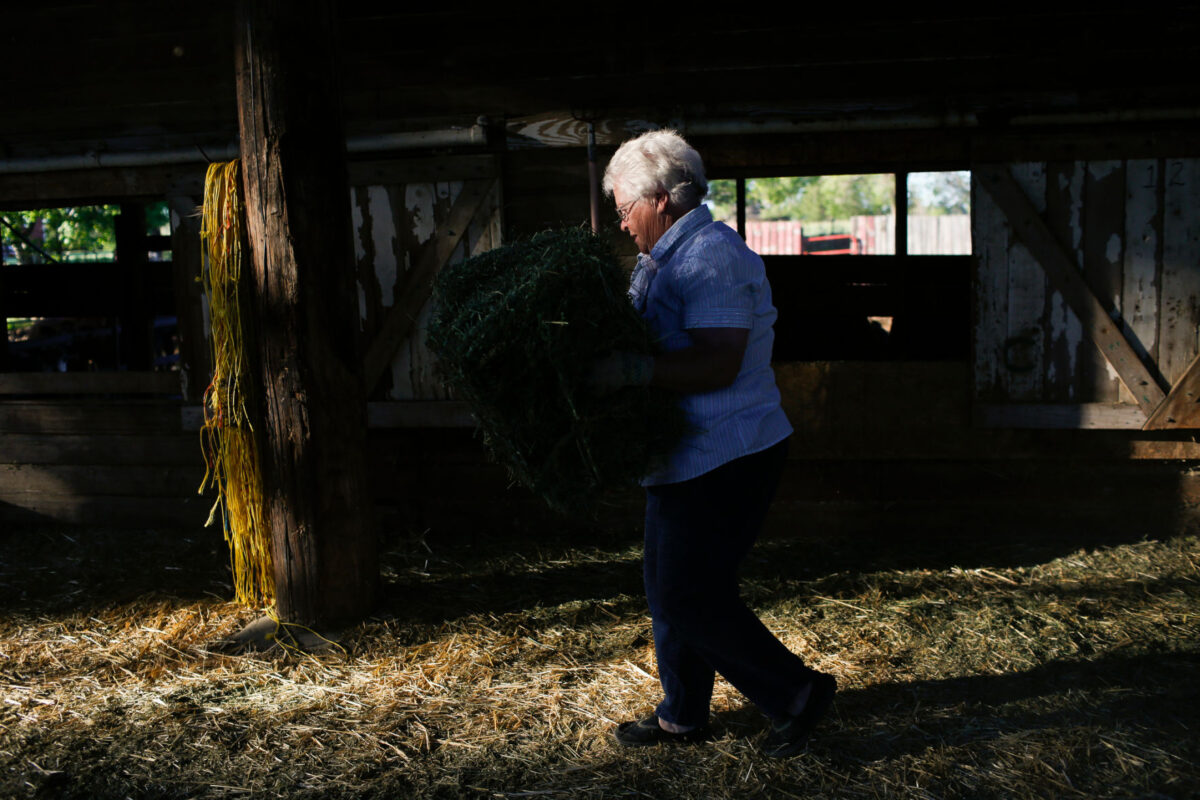
Carol Buhler serves up hay for her cattle at her farm in Highland on Tuesday, June 9, 2015. SPENSER HEAPS, Daily Herald
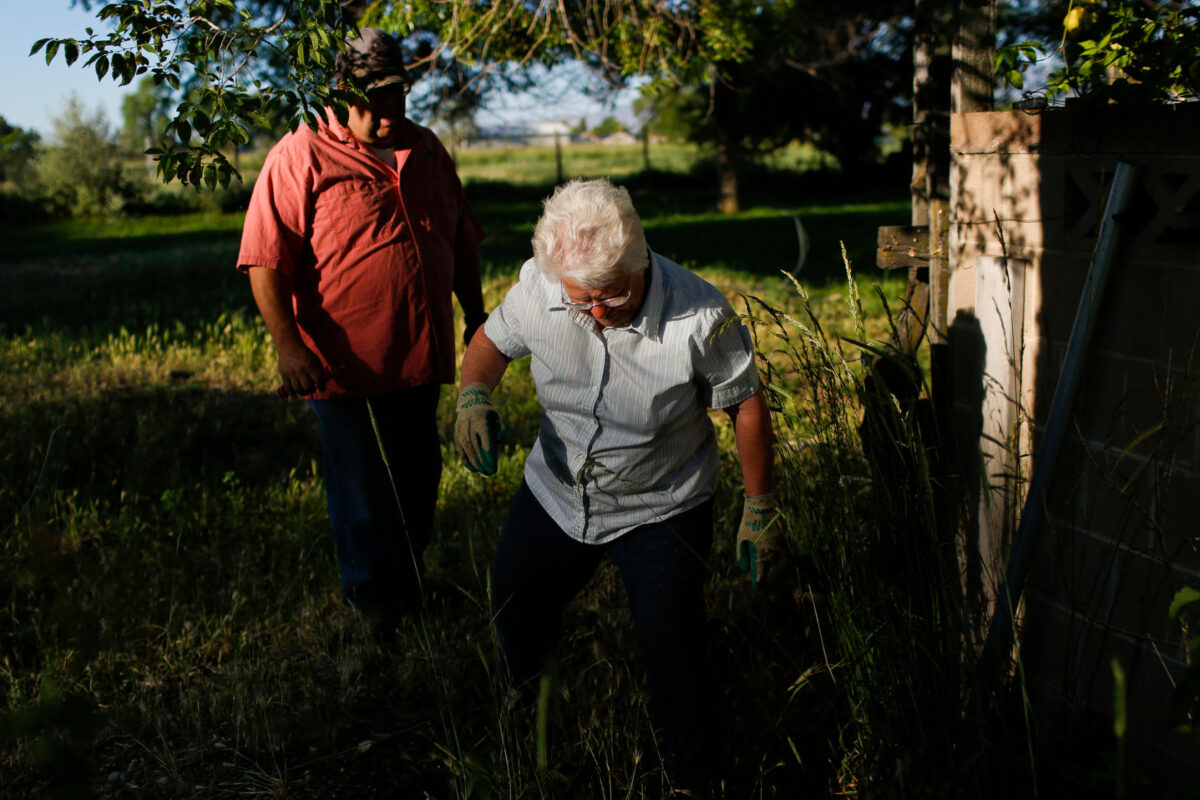
Carol Buhler and her son, Ray, cross an electric fence after letting the family's cattle out into a pasture at Carol Buhler's home in Highland on Tuesday, June 9, 2015. SPENSER HEAPS, Daily Herald
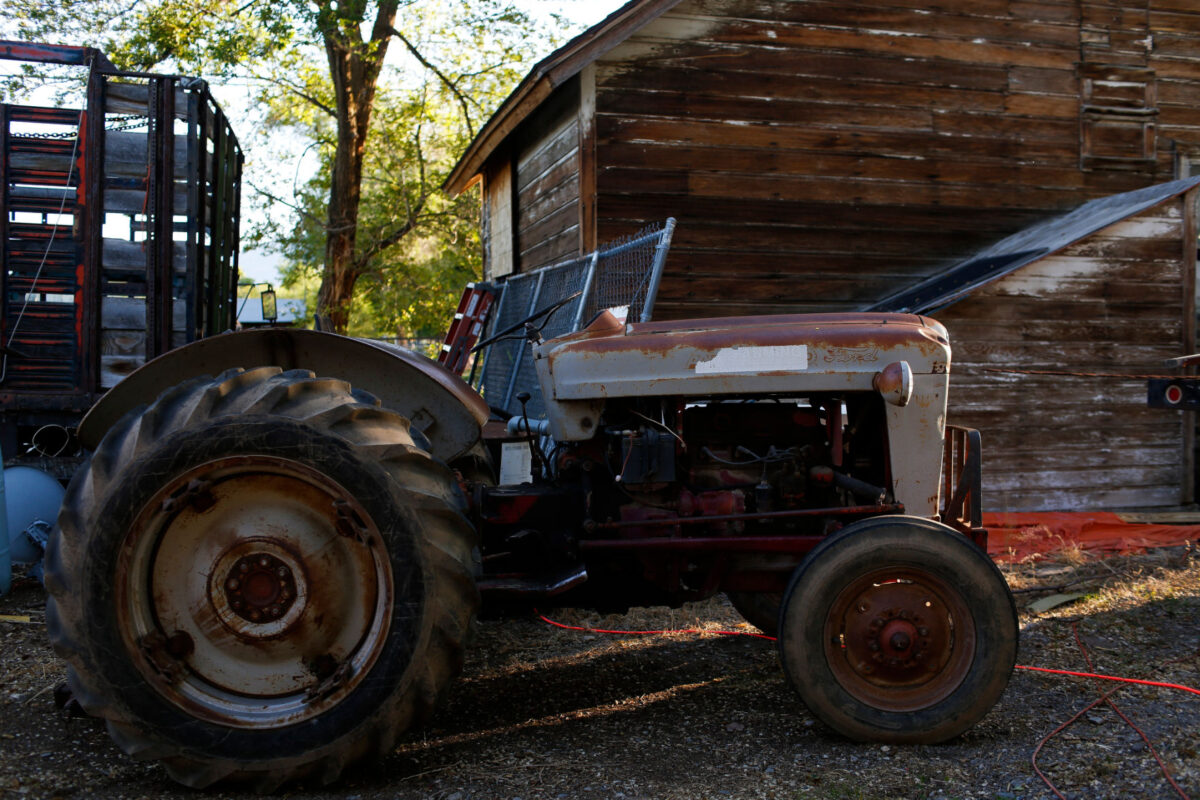
An old Ford tractor the Buhlers will drive in the Highland Fling parade is seen on their property in Highland on Tuesday, June 9, 2015. SPENSER HEAPS, Daily Herald
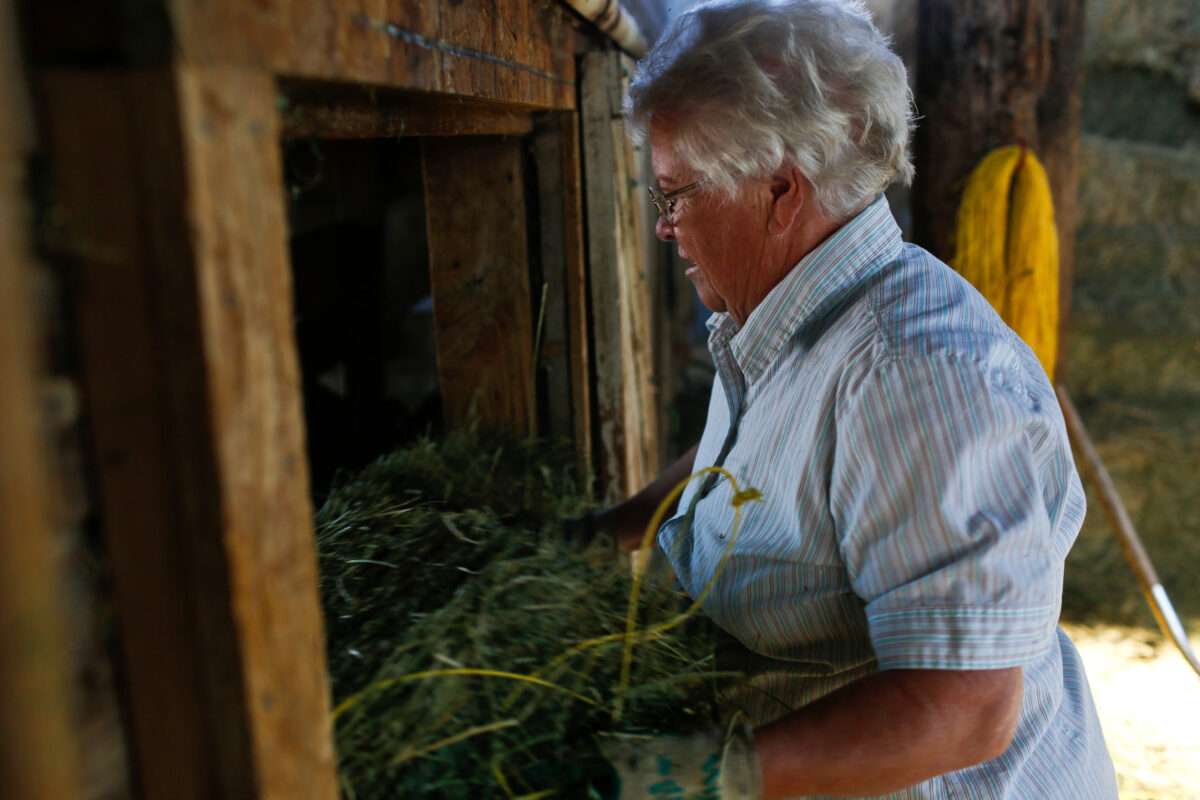
Carol Buhler serves up hay for her cattle at her farm in Highland on Tuesday, June 9, 2015. SPENSER HEAPS, Daily Herald
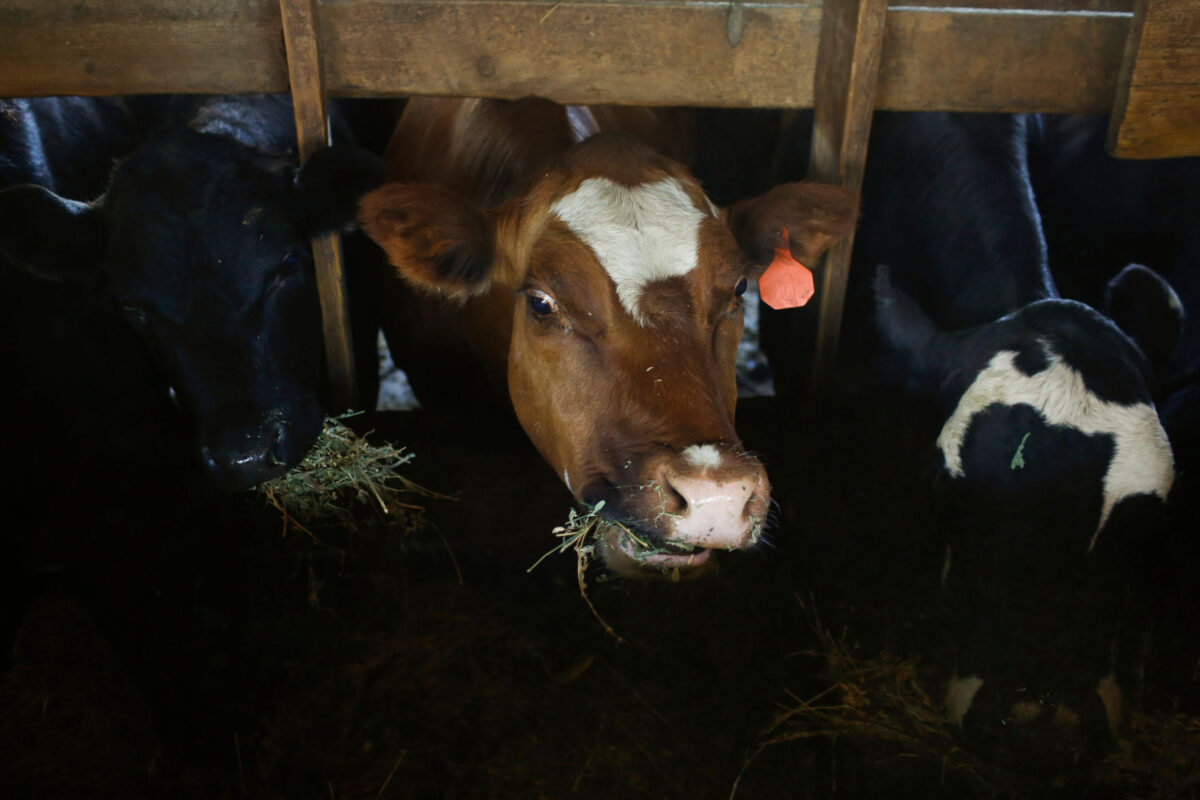
The Buhlers' cattle eat hay in their barn in Highland on Tuesday, June 9, 2015. SPENSER HEAPS, Daily Herald
Alma Buhler rode the train from Midway to American Fork with the intent to buy a farm in 1915. He was told there was a 180-acre farm for sale in Highland. With $15 in his pocket he headed that way.
Though the farm has since been reduced from 180 to 80 acres over time and is now a 30-acre spread, it is still under the Buhler name — 100 years later. Of Alma and Hazel Buhler’s 11 children, it was Lyman who took over the farm.
Carol Buhler, Lyman’s wife, is now in charge of the farm after Lyman died in 2009. She and their sons, Ray and Stephen work the centennial farm these days. Their farm is being honored during the annual Highland Fling this summer with many pieces of antique farm equipment moving through the Grand Parade.
Farms have diminished in Highland these days. Buhlers are probably one of 7 to 10 farms in existence. “We mostly raise hay and barley,” said Ray Buhler, age 50. “And we have 30 head of Black Angus cattle.”
No, the $15 in Alma’s pocket didn’t pay for the farm. “Alma raised crops and with that money he’d pay toward the debt on the farm each year,” said Carol Buhler, age 75. “By the time the Depression hit he couldn’t keep up payments so the family lost the house.” Alma moved his little family into a shed on the farm which had a leaky roof.
“When it rained the bed covers got wet and froze,” added Carol. “Little by little he was able to build on to the house.” Four children were born in the added on structure — one of whom was her husband, Lyman.
When Carol married Lyman he started building another house on the property. “Lyman built the whole house — without borrowing a penny — by himself. He built the house, worked two jobs and worked on the farm. It took him considerable time to build the house — 12 years.”
The shed/house is no longer in use. Carol and Lyman’s home is on the farm plus two other homes for two of their six children who work the farm.
“My boys can do anything,” Carol pronounced proudly. “Carpentry, electric, plumbing, auto repair. …”
How has farming changed in Highland? “I don’t think you have enough time to write it down!” joked Ray. He said in the early 1900s, Highland was not a very desirable place to live — water is precious and rocks are numerous.
“The soil is good but when you cut hay you have to fix your farm equipment that was damaged by all the rocks,” he added.
“Rocks are the biggest crop Highland produces,” laughed Carol. “I remember going on a tractor and wagon and picking up rocks. When we had a full wagon we’d put them by the side of the road. After they bleached out nice in the sun people would stop by and ask, ‘Can we take some of these rocks?’ “
Ray called the early residents of Highland “hearty people” to homestead in the farming community. After the farms were settled, then came the suburbs for Highland. “The people had horses but lived close enough to the city to drive to work,” said Ray. “Now Highland is known for its big homes and lots of money — not like its humble beginning.”
He remembers as a child, playing in the water of the irrigation ditches, then laying out on the asphalt road to dry out. “Now I can’t cross the road [for all the traffic]!” Ray said. “People like the look of farms but not the smell. …”
Carol misses the snakes and toads and frogs. “They are no more!” she lamented. She still gets up every morning to feed the cows. “I just call them and they will come,” added the farmer’s wife. “They all have different personalities.”(The cattle are raised to sell as beef.)
Farming is instinctual, said Ray. “I enjoy watching things grow and taking care of animals. It’s a full-time job but you have to have another full-time job to pay for it. You have to do it because you love it.” He’s a carpenter by trade. Lyman had extra jobs besides farming and Alma before him was the first constable of Highland.
“He had a Billy club and a badge!” Carol said.
Even with all the development in the community, Carol said, “It’s still a good place to live.”
“We have good friends and neighbors,” said Ray. “Family togetherness is what I’ve loved about farming – working with brothers and sisters and being able to work with my dad and grandpa. I wouldn’t trade that for any amount of money.”
Watch for the parade of farm equipment and the display across from Highland’s Heritage Park during the Highland Fling. Individuals who want to participate may contact Ray Buhler or Highland City offices.