
A natural blue: ‘Finding Dory’ exceeds expectations with deep dive into sadness and humor
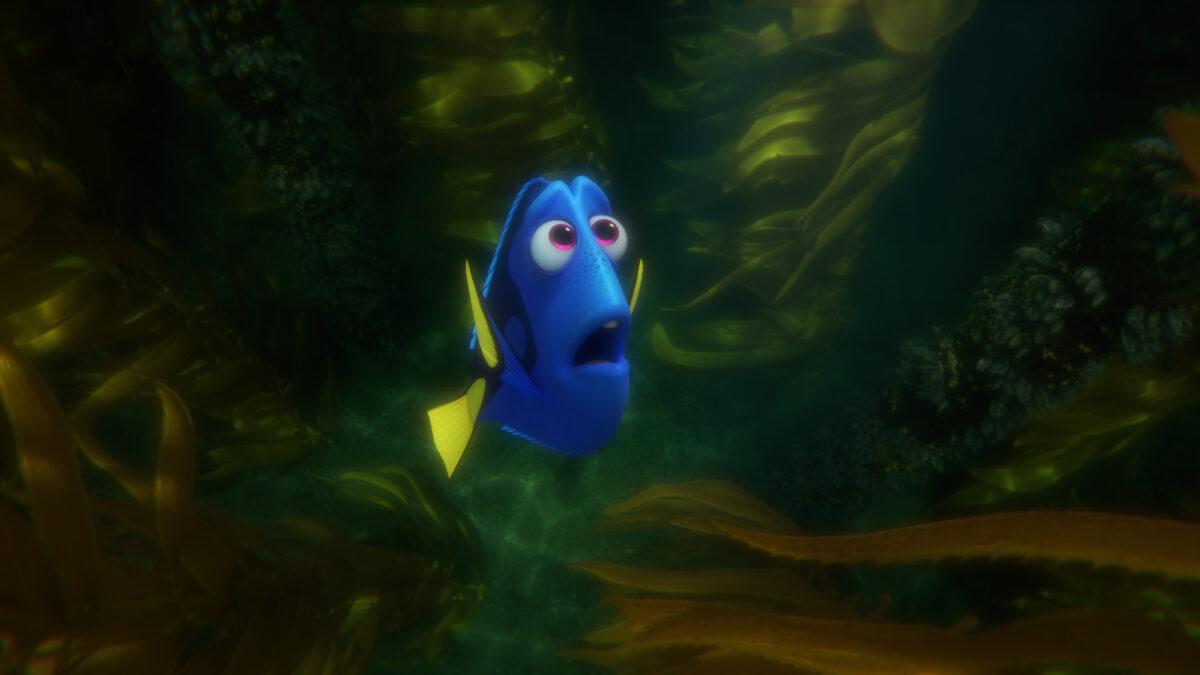
It's not easy being blue. In "Finding Dory," the titular blue tang (Ellen DeGeneres) faces the world with the challenge of forgetfulness.
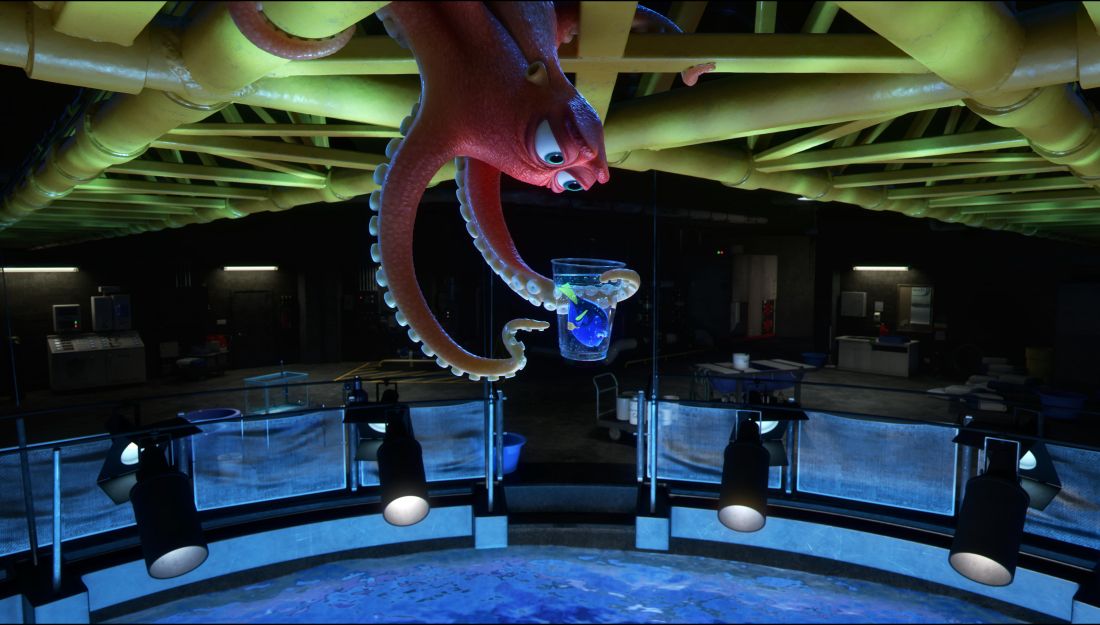
In "Finding Dory," Dory (voice of Ellen DeGeneres) meets the octopus Hank (voice of Ed O'Neill).
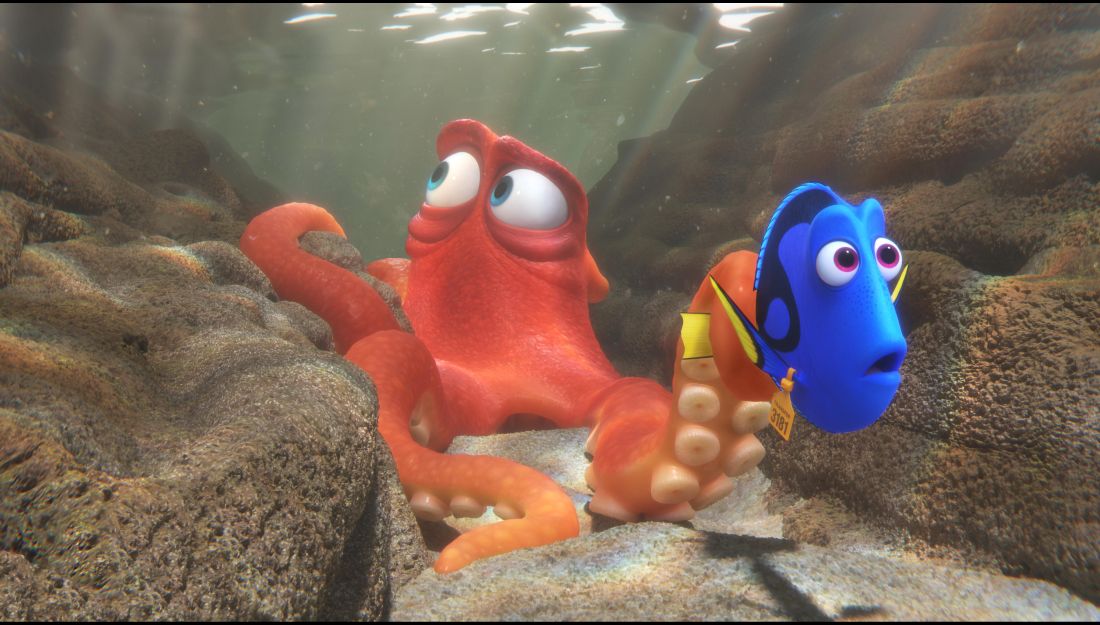
In "Finding Dory," Dory (voice of Ellen DeGeneres) meets the octopus Hank (voice of Ed O'Neill).
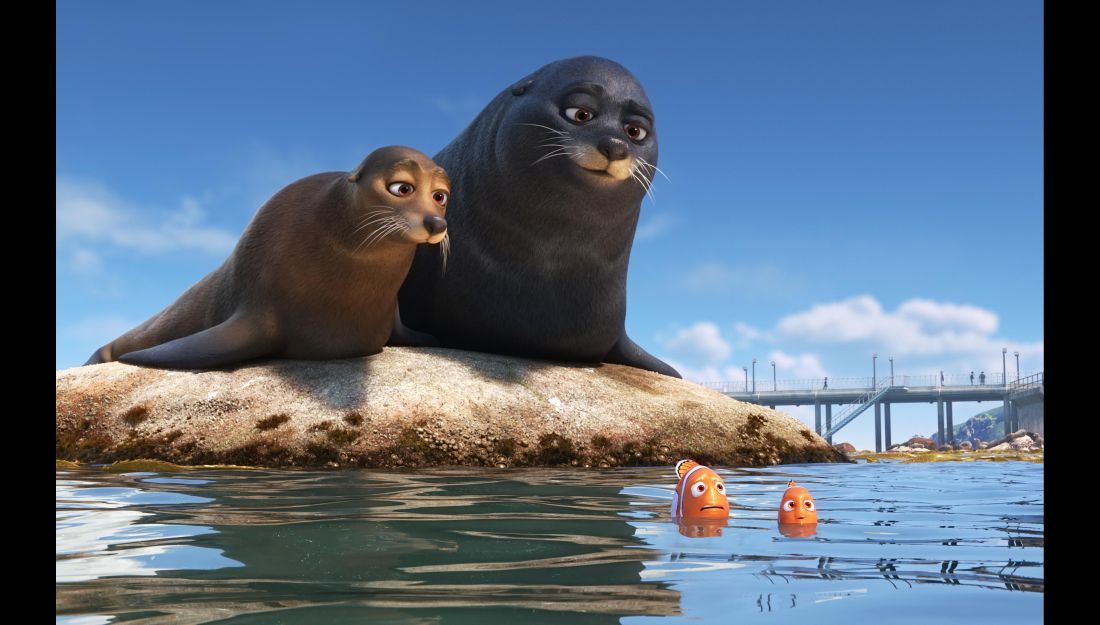
In "Finding Dory," Marlin (voice of Albert Brooks) and Nemo (voiced by Hayden Rolence) encounter two sea lions voiced by Idris Elba and Dominic West.
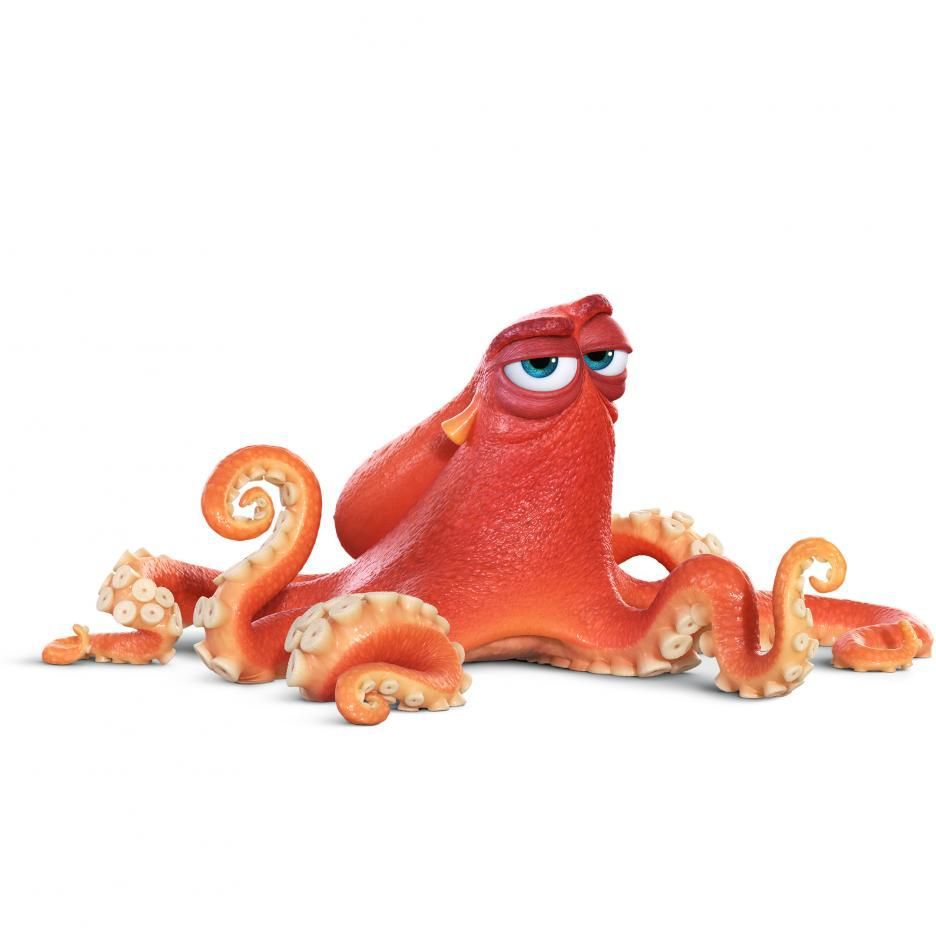
Hank

Dory
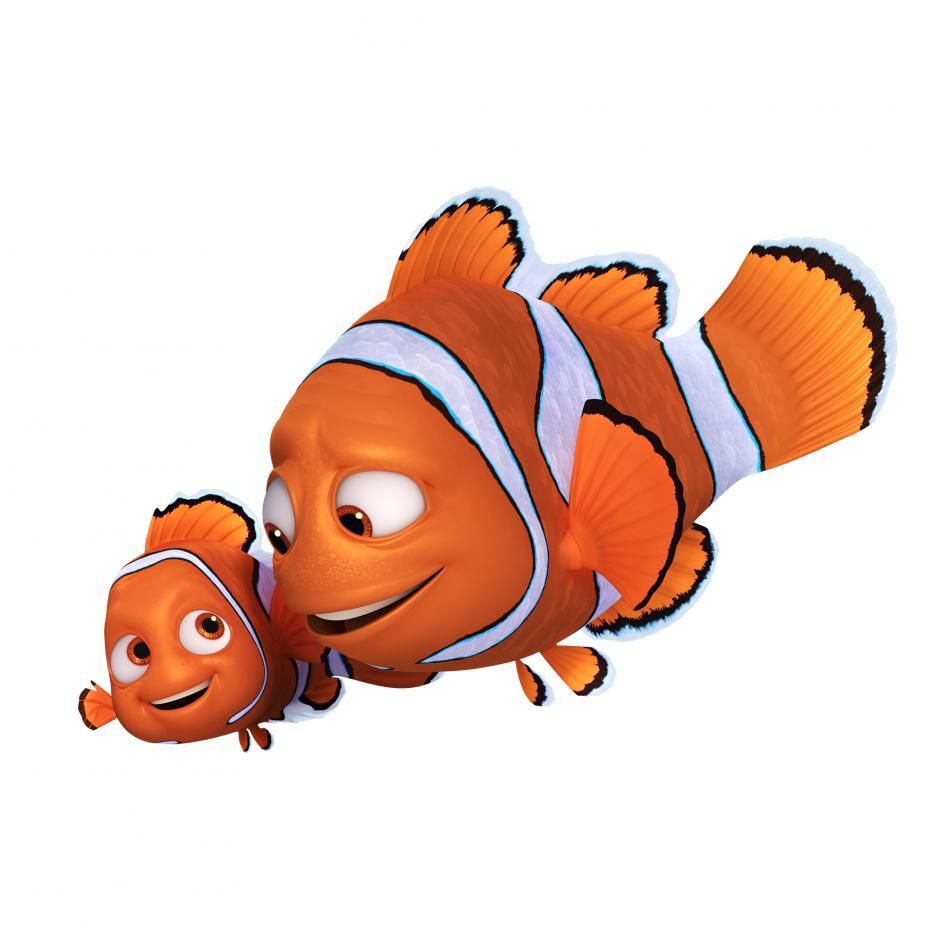
Nemo and Marlin
I was cautious and confused when I heard Pixar was making a sequel to “Finding Nemo.” The fact that it was coming 13 years later was either a sign that the filmmakers had come up with a really strong idea — or that they had entirely run out of them.
Adding to my weariness was the fact that Dory was largely a comic relief character in the first movie and would now be tasked with the burden of carrying the whole story herself. I worried that her forgetfulness would stop being funny real fast.
But my skepticism was blown away in the first scene of “Finding Dory,” when the film loses no time going in the complete opposite direction of my worry: Dory’s forgetfulness isn’t (only) funny, it’s actually quite dangerous — and sad.
Let’s talk about Pixar and sadness for a second. Of course, it’s a prominent emotion in the studio’s septendenary library of films. Saying “I saw a Pixar movie and it made me cry” is a bit like saying, “I saw a Woody Allen movie and I found it amusing and it also made me feel vaguely uncomfortable” — it’s just kind of what you get.
It should have come as no surprise, then, last year when Pixar finally just personified the emotion in “Inside Out,” giving it the voice of Phyllis Smith as well as the surprise heroic role of the film. I mean, of course Pixar sees sadness as an underappreciated hero.
But in that film, as in almost every other Pixar film, sadness comes most strongly in the form of melancholic nostalgia. It’s an adult figure — a toy, a monster, a superhero, a widower, a Bing Bong — interacting with a child and/or longing for a more carefree past.
In the world of “Finding Nemo,” though, sadness is less nostalgic and more visceral and present. It’s a parent and spouse dying before our eyes, a child saying “I hate you” to his father, the immediate danger of predators.
In that same tradition, I am thrilled to report that director and co-writer Andrew Stanton has delivered another movie that understands the storytelling fruitfulness of putting its characters — and the audience — in deep, deep waters right from the start.
“Finding Dory” largely represents another lap around the same pool as the first film, hitting many beats that resonate strongly with “Finding Nemo,” but frequently deepening them, as the “Toy Story” sequels do.
The heart of the film is Dory herself, who is easy to underestimate. Her vulnerability as a character should have been obvious just from “Finding Nemo,” but it provides perfect fodder for dramatic tension and deeper character investigation in the sequel.
And if Dory’s handicap represents the burden of mental illness, those familiar with those real life struggles will find thoughtful resonance in this film, not obtuse comic relief. Dory’s affliction is not one that can simply be cured away, and its implications are terrifying.
At the same time, the film does offer relief of a different kind, which I found quite moving. The gifts that Dory possesses despite (and because of) her affliction — including the tendency to be totally present and hopeful — have left me perpetually choked up, even after the movie ended. Dory is one blue tang that I personally admire deeply.
Andrew Stanton does earnest presentness well, especially from unlikely or misfit characters. He gave us the robot WALL-E’s pangs for companionship and his naive romantic optimism. In that second way, WALL-E resembles Dory herself. And maybe those characters reveal something about Stanton as well.
If I’m overemphasizing the blueness of “Finding Dory” in this review, it’s only because I was so delighted to have it, given that in less capable or caring hands, this movie could have so easily turned the “Finding Nemo” world into a big joke. But before I leave you thinking that sadness is the only punch that the movie carries, let’s finally talk about those jokes.
“Finding Nemo” has more steady laughs throughout the film than “Finding Dory,” but the latter’s jokes landed much harder on me. The movie is filled with Pixar-level inventiveness, and by the film’s madcap climax and ending, I was laughing more hysterically, and for a longer stretch, than I can recall ever doing in a Pixar movie. That surprised me. Echolocation and freeways turn out to be a comedic match made in heaven.
Then again, why am I surprised? With new stories like “Inside Out” and sequels like “Finding Dory,” I should vow to only let myself be surprised when a Pixar movie disappoints. I’ll try not to forget.
Director: Andrew Stanton
Voice Cast: Ellen DeGeneres, Albert Brooks, Ed O’Neill
Running time: 1 hour, 43 mins
Rating: PG for mild thematic elements
Locations: Opens Friday in theaters nationwide.