
‘Splinters of a Nation’ tells untold story of German POW camps in Utah
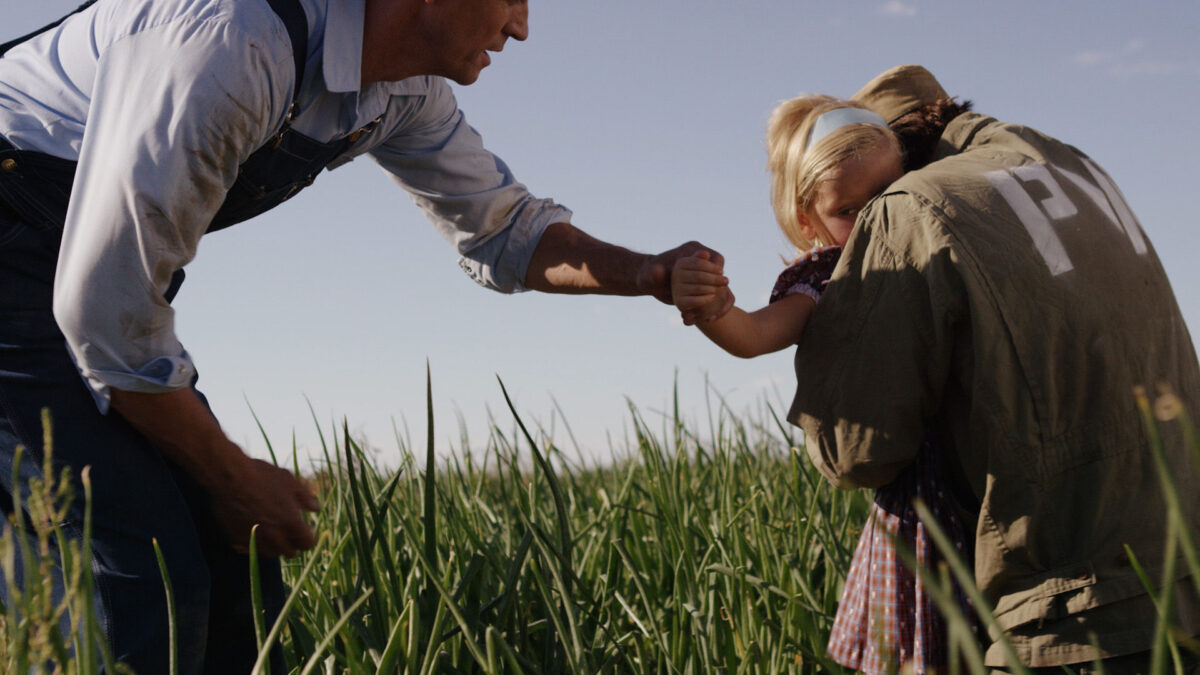
A reenactment of a German soldier embracing a Utah child is pictured, taken from "Splinters of a Nation," a documentary exploring the history of German POW camps located in Utah during World War II.
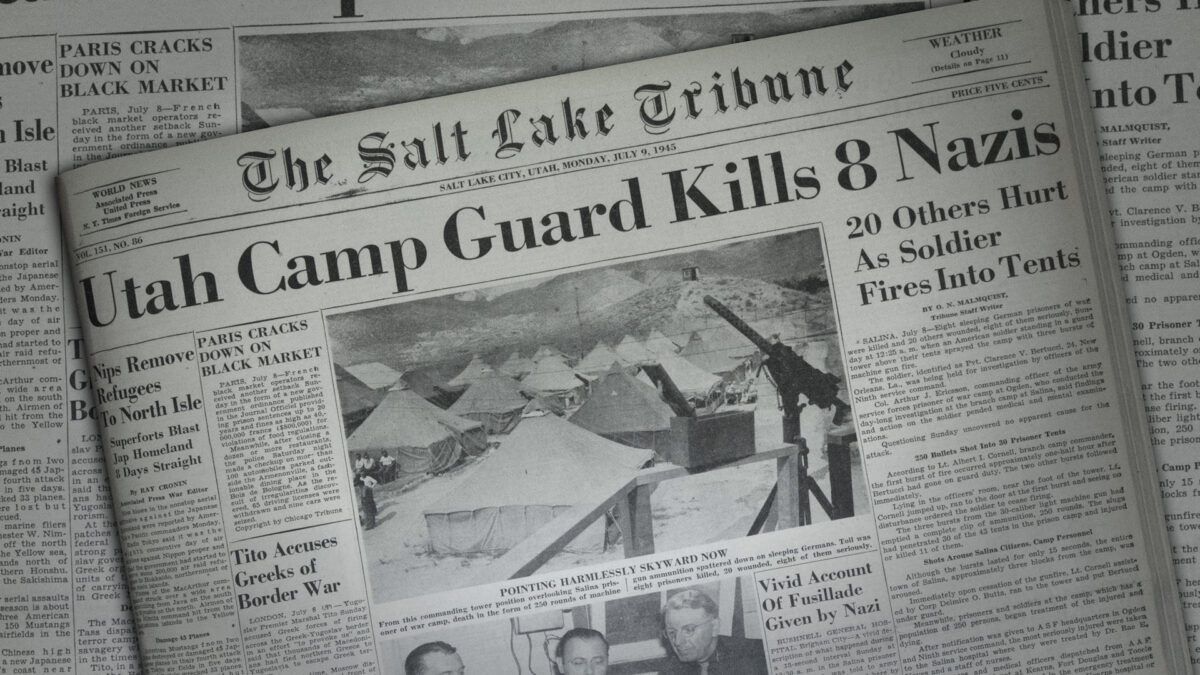
The history of German POW camps located in Utah during World War II is explored in "Splinters of a Nation."
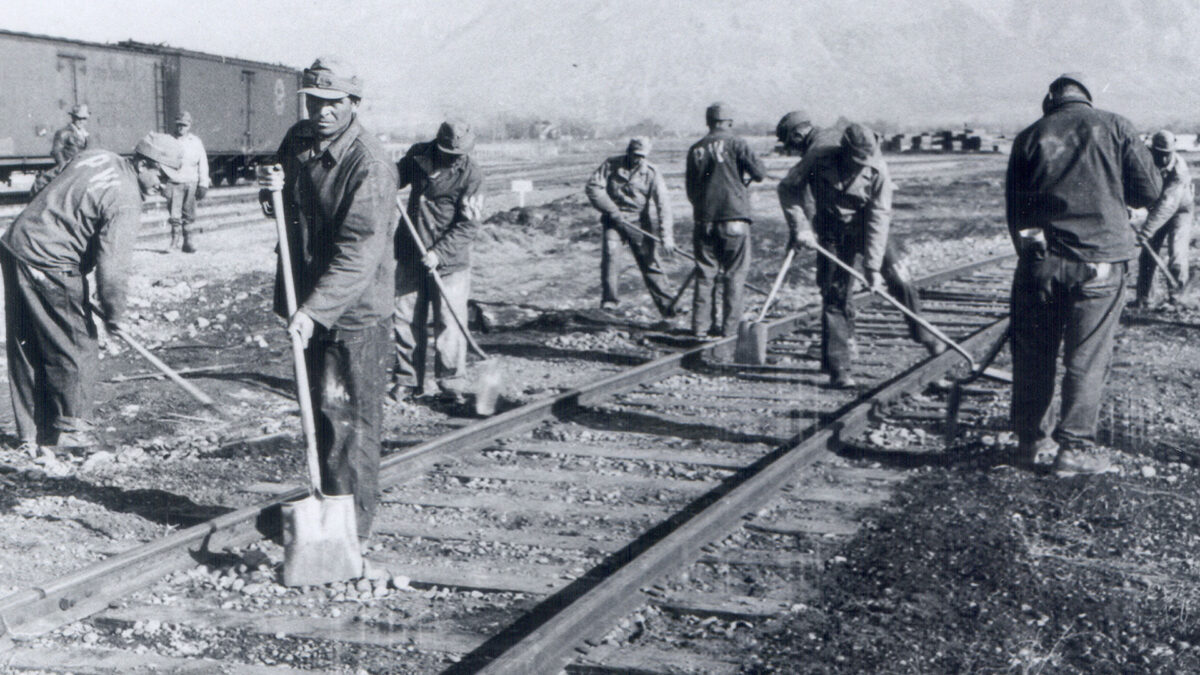
"Splinters of a Nation" examines life in German POW camps located in Utah during World War II.
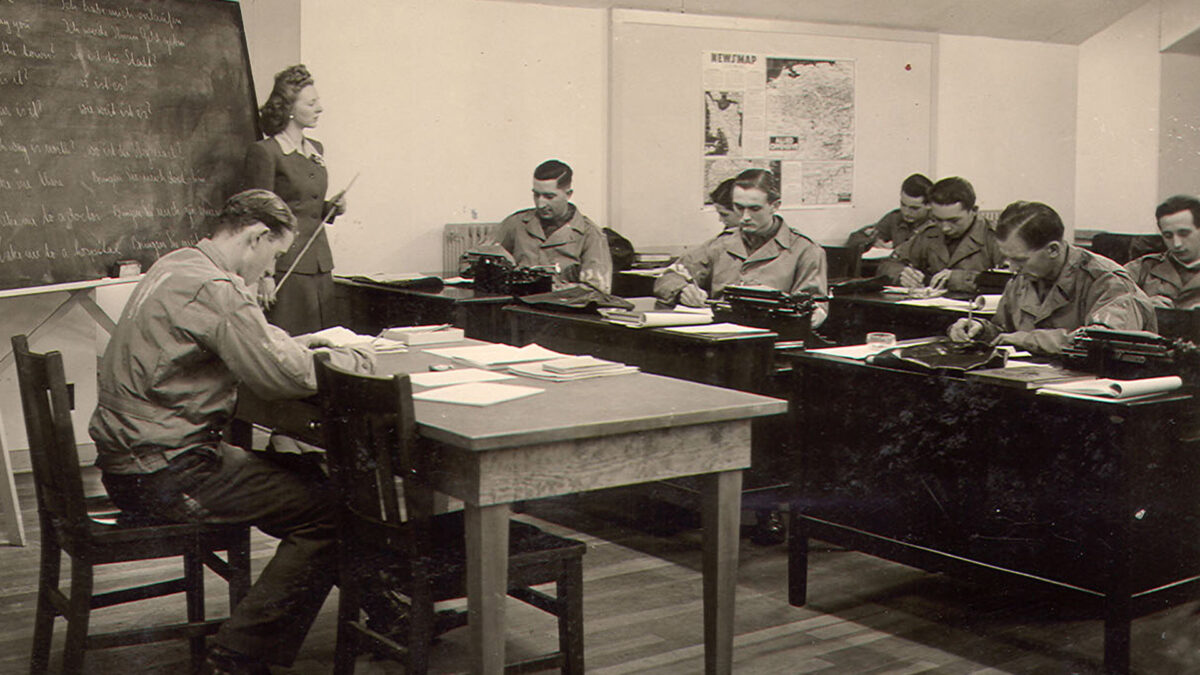
"Splinters of a Nation" examines life in German POW camps located in Utah during World War II.
What has been called the largest massacre on American soil during World War II happened in the rural Utah town of Salina at a camp for German prisoners of war.
Germany had already surrendered when an American officer opened fire on the camp just before midnight, killing nine and wounding 19.
The story made national headlines but was largely forgotten, overshadowed by the mushroom cloud of news of the attack on Hiroshima and Nagasaki, which ended the war.
“I think in a lot of ways, American authorities were grateful it was forgotten and don’t really want to bring it up or talk about it,” said Scott Porter, director of a new documentary film that tells the story of German POW camps in Utah.
The film, “Splinters of a Nation,” presents the Salina massacre story as a complication to the film’s overall premise that German prisoners of war in Utah — and throughout the United States — were treated relatively well.
He first became interested in the story when he found out that German prisoners of war worked on his grandmother’s farm in Lewiston, Utah, in 1945.
“They literally came to her farm and worked side by side with her brothers, and she was just a little girl,” Porter said. “Toward the end of the summer, she really grew to like these enemies. At first of course she didn’t like them, but by the end, she respected them, (and) looked at them as human beings.”
That shift in American attitudes toward German prisoners of war is represented in various accounts depicted in the film, which features interviews with historians as well as several German prisoners themselves, who have positive memories and feelings about their experiences in Utah.
Even the story of the Salina massacre is shown to have traces of humanity and kindness, in the response to the tragedy by Utah citizens.
“The interaction between these civilians and the Germans as they were dying in the hospital is nothing short of inspiring to me, and something to be remembered,” Porter said.
A headline from the Salt Lake Tribune immediately covering the massacre is shown in the film to read, “Utah Camp Guard Kills 8 Nazis,” but not all German prisoners of war were Hitler supporters.
“There were camps for pro-Nazi prisoners, they had camps for people who really spoke out against Hitler and would be killed in other camps,” Porter said, “and they had some who were just in-between, and that’s really what we had throughout Utah.”
One camp was in Orem, remembered today with a historical marker at the northwest corner of 950 North and 800 East. The Orem Heritage Museum, 777 State St., contains information about Utah POW camps.
The film contradicts assumptions that life in POW camps must have resembled other camps — concentration or internment — during the war. Porter said that even American prisoners in camps abroad were often treated well.
“Those who abided by the Geneva Conventions were treated better than a lot of us think,” he said. “We’ve heard a lot of horror stories of Americans in German hands, and there were some, but there was also a lot of good treatment, or better treatment than I ever realized.”
Other countries, he said, were “totally different.”
Another point of comparison, which the film does not directly make, could be made between the treatment of German prisoners of war in America, and Japanese American citizens relocated to Topaz and other internment camps outside of Utah during the war.
When asked about that comparison, Porter made the point that, ironically, the Geneva Conventions may be an explanation for why Germans received better treatment than some American citizens did in American camps.
“You could certainly get into a lot of racist beliefs,” Porter said, “but I don’t think the German prisoners would have been treated nearly as well if it wasn’t for the fact that, number one, we had to abide by the Geneva Conventions, which we had signed to do, and number two, that we wanted to show the Germans that we were treating their prisoners well in hopes that they would treat our American prisoners well. And we didn’t have that as much with the Japanese Americans, because they were Americans. … They couldn’t be leveraged.”
The film debuted on local PBS affiliate KUED on Monday evening, with another broadcast scheduled for Sunday at 4 p.m. More broadcasts on KUED are planned as well, and Porter said the goal now is to pitch the film to national PBS networks.
What: Documentary about German prisoners of war in Utah camps
Director: Scott Porter
Air times: Sunday at 4 p.m. on KUED, with more times likely throughout the coming month
Running Time: 57 minutes
Note: The film also has been screened at events throughout Utah and will continue to be shown in future events. To learn when a new screening is scheduled, follow facebook.com/splintersofanation.