
Going global: Church’s welfare efforts stretch far beyond Rocky Mountains


-
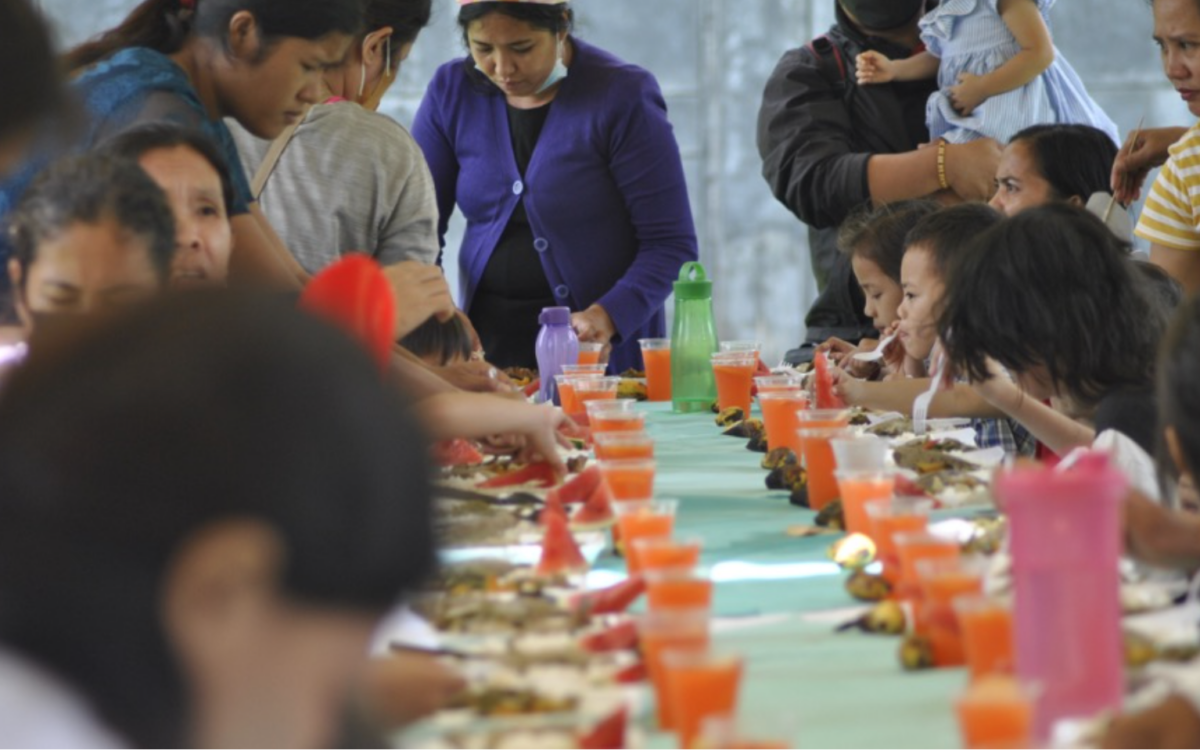
- The Church of Jesus Christ of Latter-day Saints’ Child Nutrition Program was piloted in the Philippines, helping children and mothers to be healthy.
-

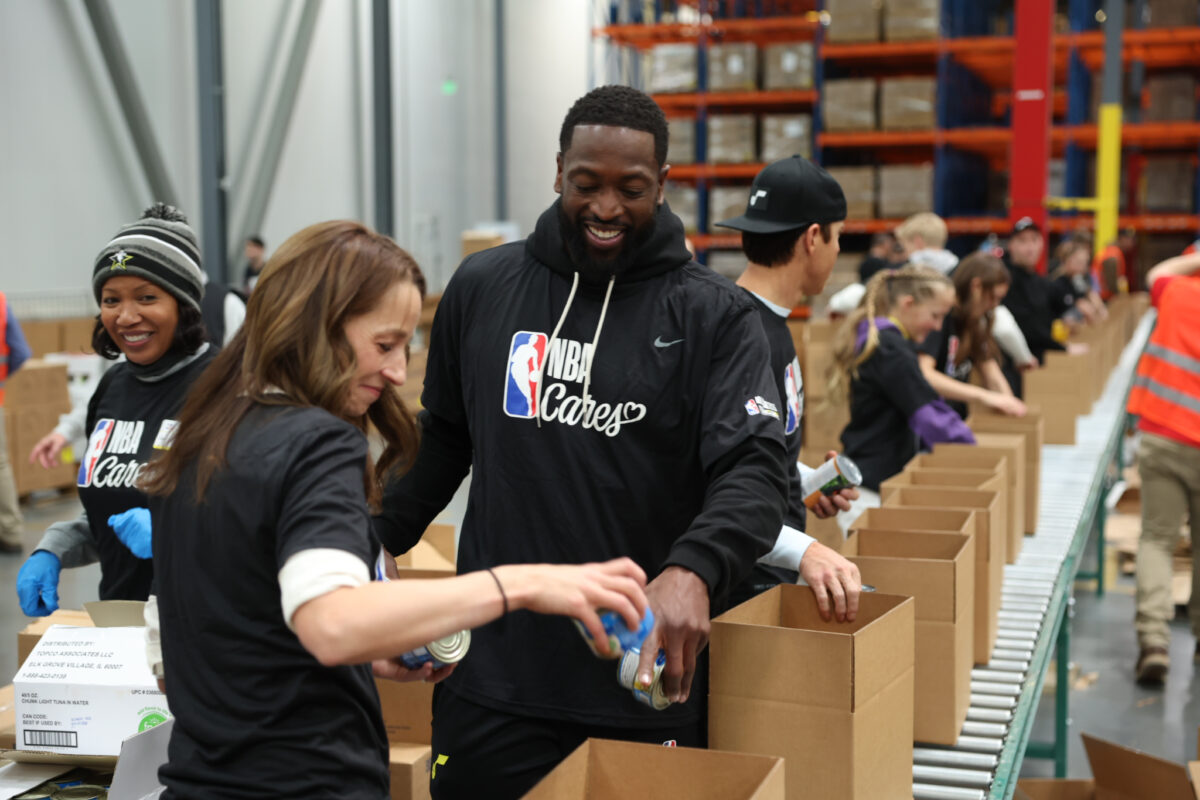
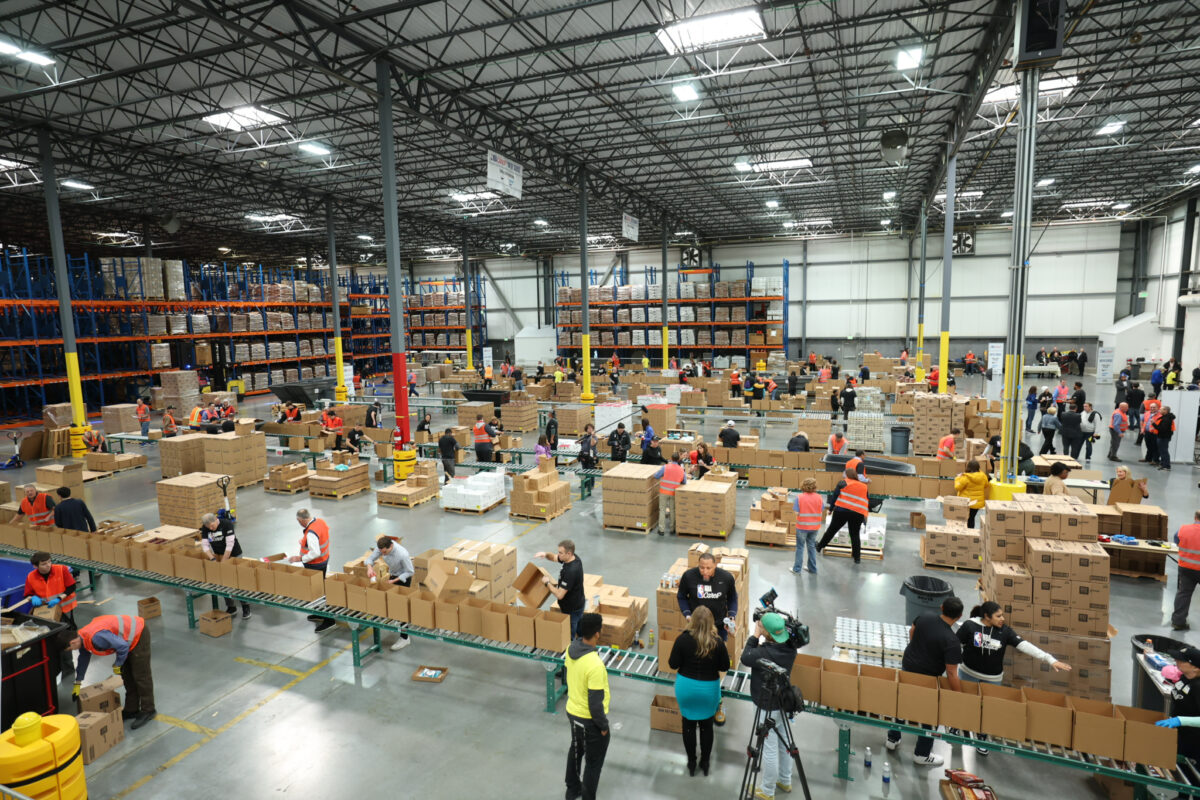
- Utah Jazz minority owner Dwyane Wade packs boxes with food, along with hundreds of volunteers, at the NBA Day of Service in Salt Lake City on Feb. 17, 2023.
-
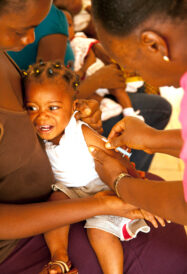
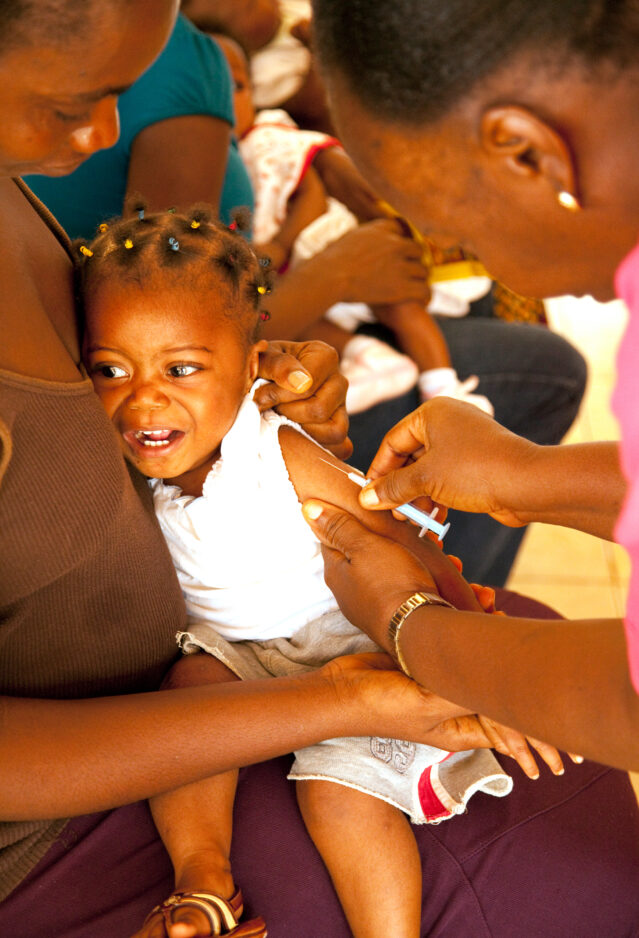
- An African toddler receives a measles vaccination.
-
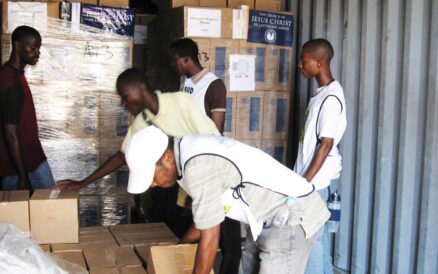
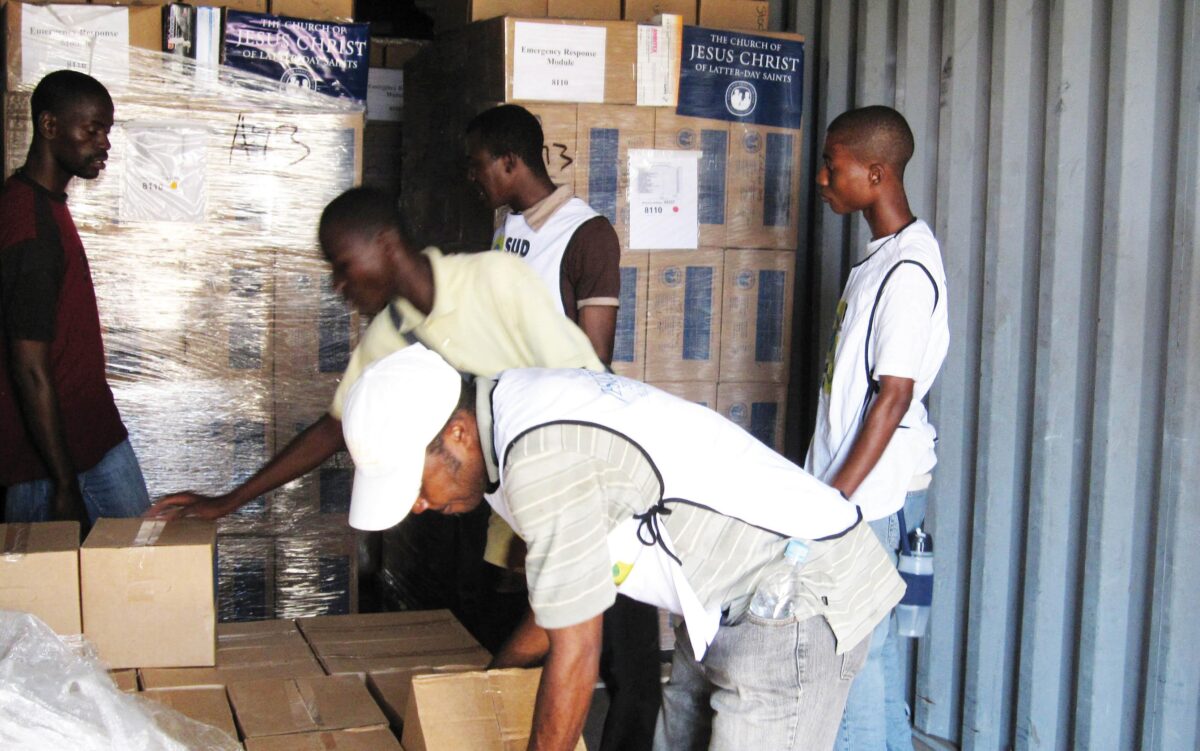
- Supplies from The Church of Jesus Christ of Latter-day Saints are unloaded in Haiti after a devastating earthquake in 2010.
-

- Destroyed buildings and homes are pictured in the aftermath of a wildfire in Lahaina, western Maui, Hawaii, on Aug. 11, 2023.
-
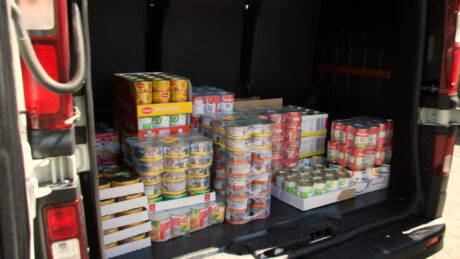
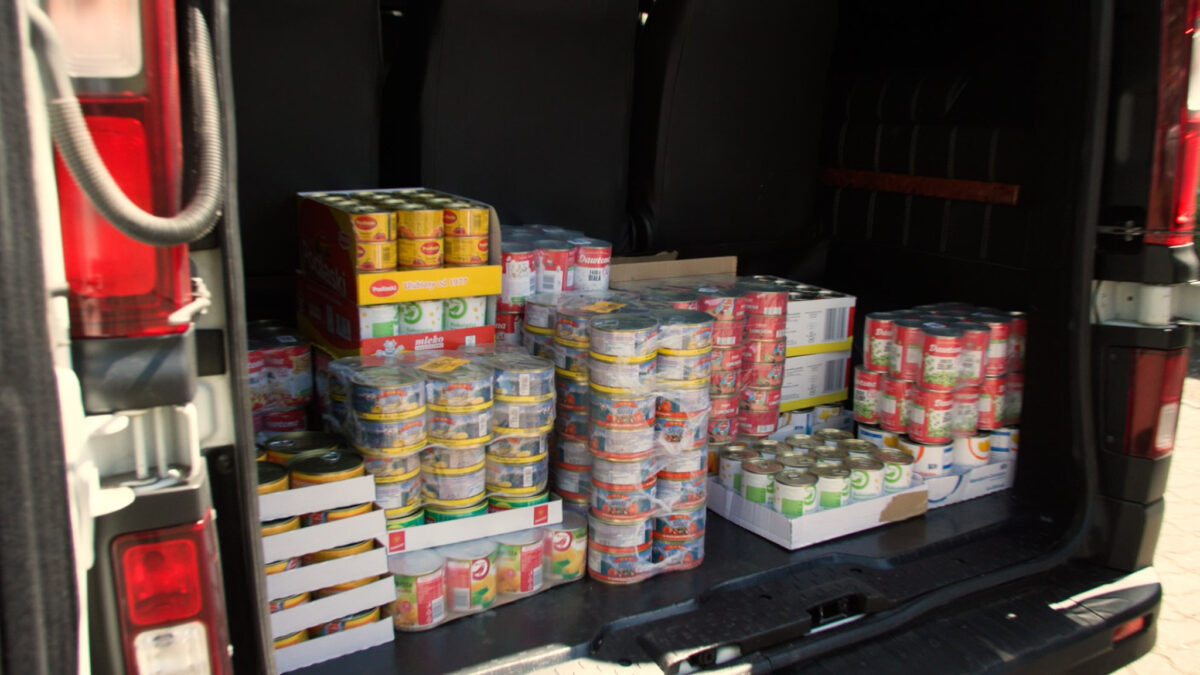
- Since late February 2022, Latter-day Saints in Poland have helped refugees with transportation, food and shelter.
-
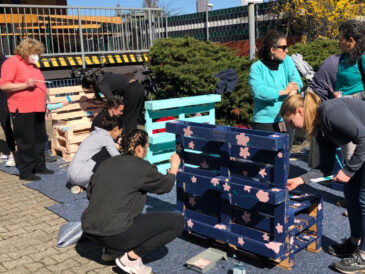
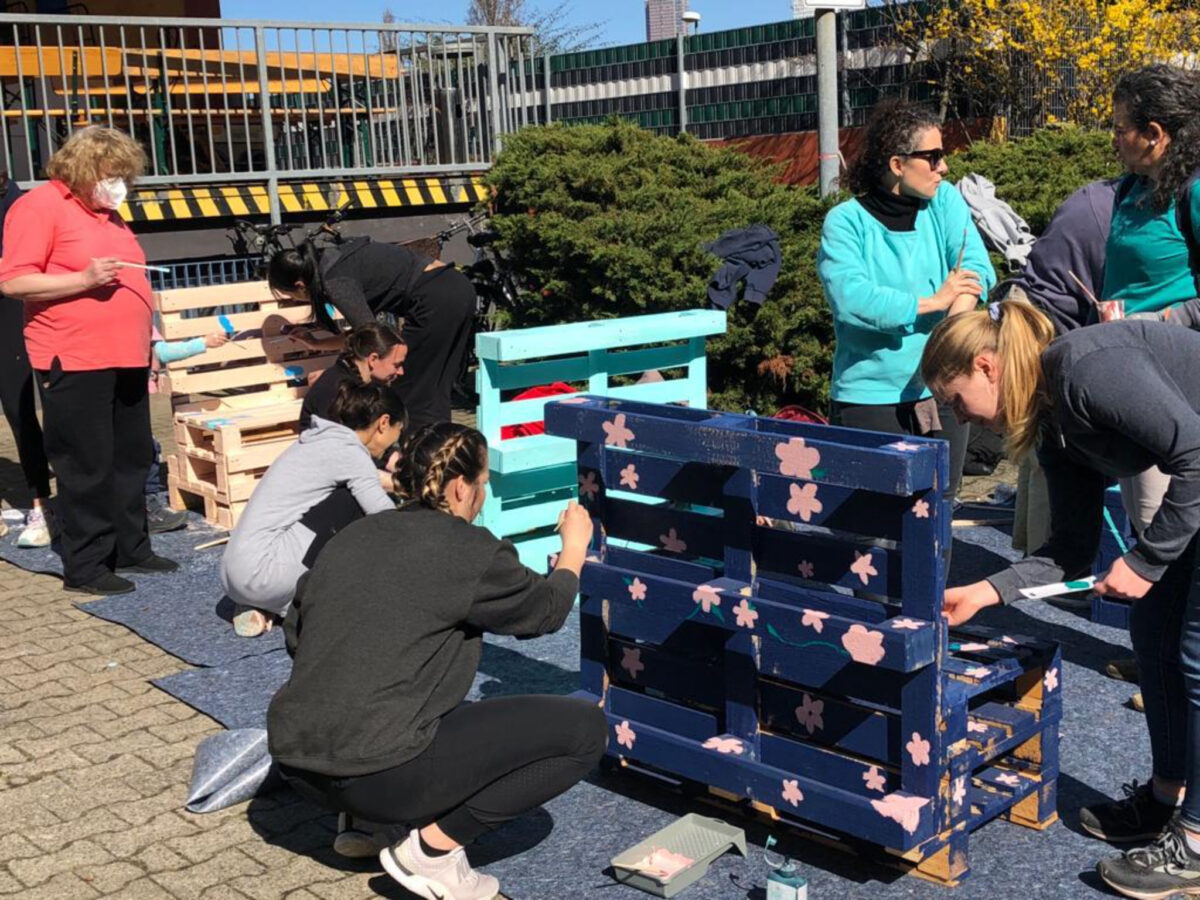
- Sisters in the Relief Society paint furniture at Caritas homeless refugee center in Friedrichsdorf, Germany.
-

- Funds known as fast offerings, donated from members of The Church of Jesus Christ of Latter-day Saints, support significant church welfare efforts, like these at the bakery on Welfare Square in Salt Lake City.
-
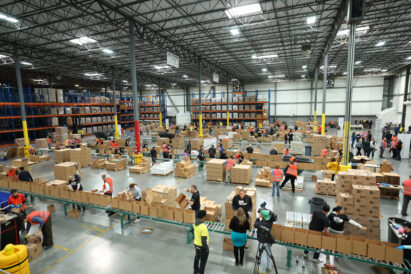
- The Church of Jesus Christ of Latter-day Saints partnered with the NBA, Utah Food Bank, Volunteers of America and hundreds of volunteers to put together over 6,000 boxes of food and over 2,800 hygiene kits for people in need on Feb. 17, 2023.
In February, The Church of Jesus Christ of Latter-day Saints partnered with the NBA, Utah Food Bank, Volunteers of America and hundreds of volunteers to put together over 6,000 boxes of food and over 2,800 hygiene kits for people in need. This — just one example of the welfare efforts of the church — helped those close to home. But, outside of Utah where the church’s headquarters sit, God’s children from all over the globe are helped as well.
At the time of that NBA Cares All-Star Day of Service, Elder Ronald A. Rasband, an apostle in a leadership position for the church, said, “This of course harkens from the Lord Jesus Christ who invited his followers to follow the two great commandments to love God and one another. That’s what we have tried to do today.”
That is what the church tries to do elsewhere and all yearlong as well. In fact, in 2022, the church supported 3,692 humanitarian projects in over 190 countries and territories, according to Samantha Butterworth, director of product management for the church. “Our efforts reach people of many nations, races, religions,” she said. “While we are certainly engaged in efforts here in Utah, including finding solutions to homelessness, efforts to support refugees, combating food insecurity and more, we are simultaneously working with organizations and governments throughout the world to identify needs and priorities.”
Butterworth said contributions that come through church members and friends allow for a lot of good in the world to be done. “We are working to address jaundice in Mongolia; eliminating malaria in young children through a new, long-awaited vaccine; improving hospitals and clinics in Cambodia that are resulting in a decrease in newborn mortality rates; improving educational resources in rural parts of the Philippines; and providing aid to victims of war in Ukraine and many other places,” she said.
The church’s organized relief efforts began in 1985 when church members were asked to fast for 24 hours and donate the funds they would have used for food to help Ethiopians who were desperately in need of food, according to Elissa McConkie Gifford, international welfare and self-reliance consultant for the church.
“It’s true that we work to make sure that our church members are cared for, but we certainly don’t stop there,” McConkie Gifford said. “You’ll see wells and hospitals throughout the world that have been built or renovated using donations from the church. We are all God’s children; thus, we are all brothers and sisters. Our church members are part of a larger community, and we are interested in lifting all of our brothers and sisters.”
To that end, getting food into the mouths of the hungry is a constant task. In the United States and Canada, those in need due to unemployment, health issues or a variety of other adversities can get food from the more than 100 bishops’ storehouses. But, elsewhere, the hungry are also fed.
What many of us who are not suffering from hunger may not realize is that more than 3 million children will die this year due to malnutrition, according to the World Food Program. More than half of all children globally suffer from essential vitamin and mineral deficiencies. In August, the church donated $44 million to support the wide-ranging global hunger relief efforts of CARE, Catholic Relief Services, Helen Keller International, The Hunger Project and several other organizations. Last year, the church donated $32 million to the World Food Programme and $5 million to UNICEF’s No Time to Waste initiative.
Hunger is not a new problem. In 2013, Feeding America, a national hunger-relief organization, announced a more than 1 million-pound food donation by the church. That donation provided the equivalent of 625,000 meals.
In 2021, the church partnered with Convoy of Hope to deliver 30 million meals to schoolchildren in nine developing countries. “Hungry children need food,” said Elder Gerrit W. Gong, a church apostle, at the time.
Hunger is just one need that people across the globe have. “The world is a big place, and the needs are different from one area to the next. Because of this, each area is asked to identify the priorities in their area and where there are gaps in current services that the church can help fill,” McConkie Gifford said. “In one area, it might be water and sanitation, in another it could be food insecurity, and another might be education. Often, area leadership holds discussions with government leaders to understand their priorities and find ways the church can support local priorities and efforts.”
McConkie Gifford said that in addition to the planned priorities of humanitarian relief efforts that areas prioritize, the church responds to disasters. “Whether the disaster is a typhoon in the Philippines, a volcanic eruption in Tonga or fires in Maui, we look for opportunities to fill in where there are needs. We can’t meet all the needs, but we try our best to do our part in a meaningful way,” she said.
Recently, the church donated $1 million to support the American Red Cross’ efforts in Maui after the devastating wildfires in August. The donation will help to provide shelter to survivors, meals, bedding, hygiene kits and other needed items. The funds will also be used for medical, mental health and family reunification services.
Other examples of emergency response efforts include the flooding in western Washington and Oregon in 2007. Food, water, cots and other supplies were delivered to community shelters from local church storehouses. An additional three semitrucks were also dispatched to the area carrying a total of 5,300 cleaning kits, 1,500 hygiene kits and 1,500 blankets.
In 2010, a devastating earthquake occurred in Haiti. In response, the church immediately sent a team of doctors and medical supplies to help care for the injured. Two airplanes, each loaded with 80,000 pounds of supplies, including filtration bottles, food, blankets and tents, all donated by the church, were also sent to Haiti.
In May 2017, the Indian Society of The Church of Jesus Christ of Latter-day Saints joined with other humanitarian organizations to provide COVID-19 pandemic relief to India. At the time, the country was experiencing a surge of cases and the church donated oxygen concentrators, ventilators and other medical equipment worth a combined $4.15 million.
The humanitarian work that the church is engaged in is much more than donated funds. “Our most successful humanitarian work is locally planned, locally run, grassroots and leverages existing community systems,” Butterworth said. “And the way the church itself is organized is a strength in how we can care for those in need — there is a lot of good happening in communities worldwide through local ward councils and Relief Societies, as well as through the ministering program.” Those programs are all part of the church’s organizational system.
Current humanitarian projects include providing a much-needed vaccine. In 2021, in Africa alone, it is estimated the 475,000 children under the age of 5 died of malaria — making it the leading cause of death of children on the continent. Until recently, there has not been a malaria vaccine available.
On June 15, the church donated $3 million to Gavi, the Vaccine Alliance, to support a historic malaria immunization campaign in Africa. An estimated 39,500 African children will receive the four doses required for immunity against malaria as a direct result of this donation. This is part of a large, multiyear campaign to vaccinate 4.5 million children through 2025, McConkie Gifford said.
The church has 17 million members, who live and raise their families in communities all around the world. “Every day they are volunteering to help their neighbors at disaster sites, serving at schools, reading books to children, beautifying their neighborhoods,” Butterworth said. “Because this service between neighbors is so critical, and also so effective, the church has provided JustServe as a gift to many communities as a place where anyone can go to find nearby needs and opportunities to serve.”
JustServe.org is a website where the needs of organizations are posted so volunteers can search for opportunities to serve. The website is provided as a service from the church.
“When I think about these donations, I think of the combined love and generosity of the church’s members,” Butterworth said. “I am able to give my small offering and combine it with the offerings of members around the world to respond in big ways to big problems.”
A great way to learn more about the church’s global humanitarian efforts and how to be involved is to check in from time to time at Caring.ChurchofJesusChrist.org.