Walking with wildlife: A visit to the Paunsaugunt Wildlife Museum
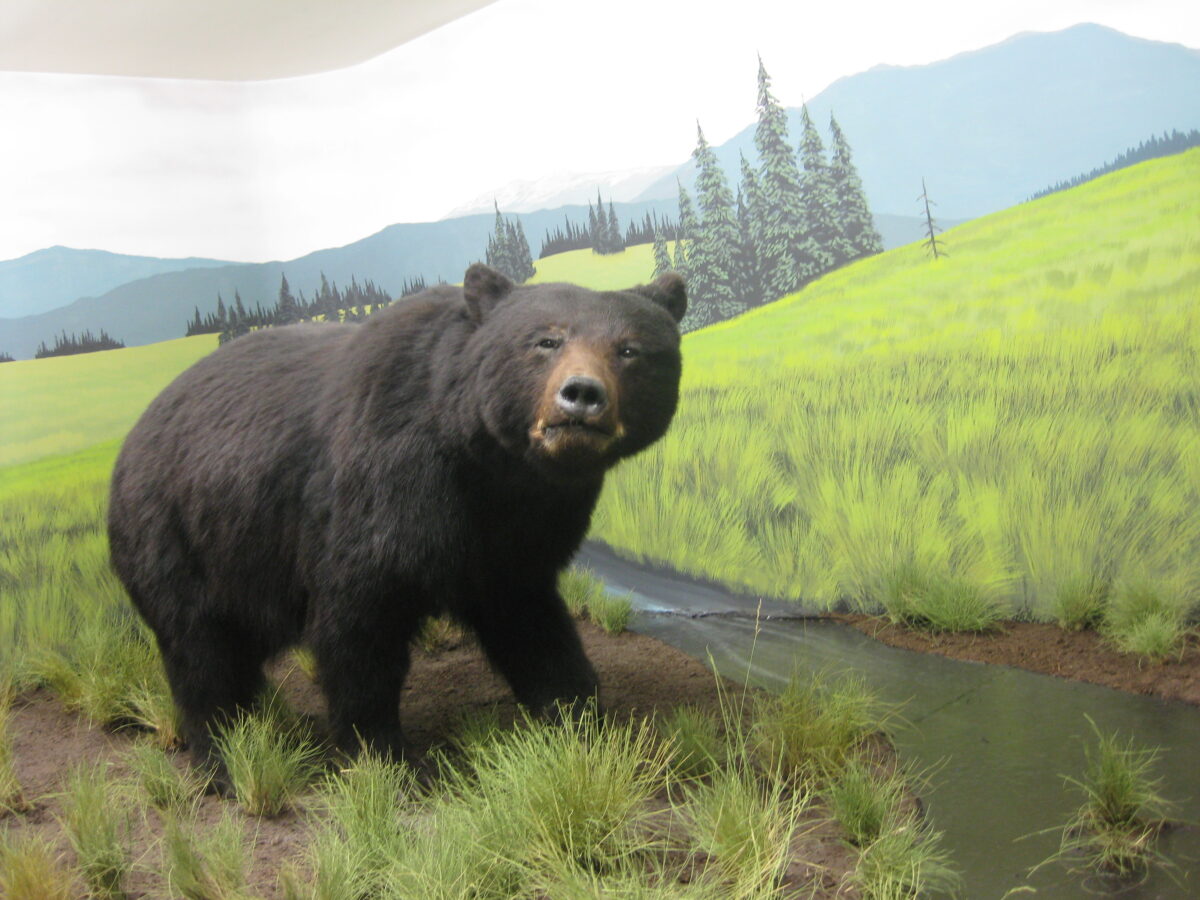
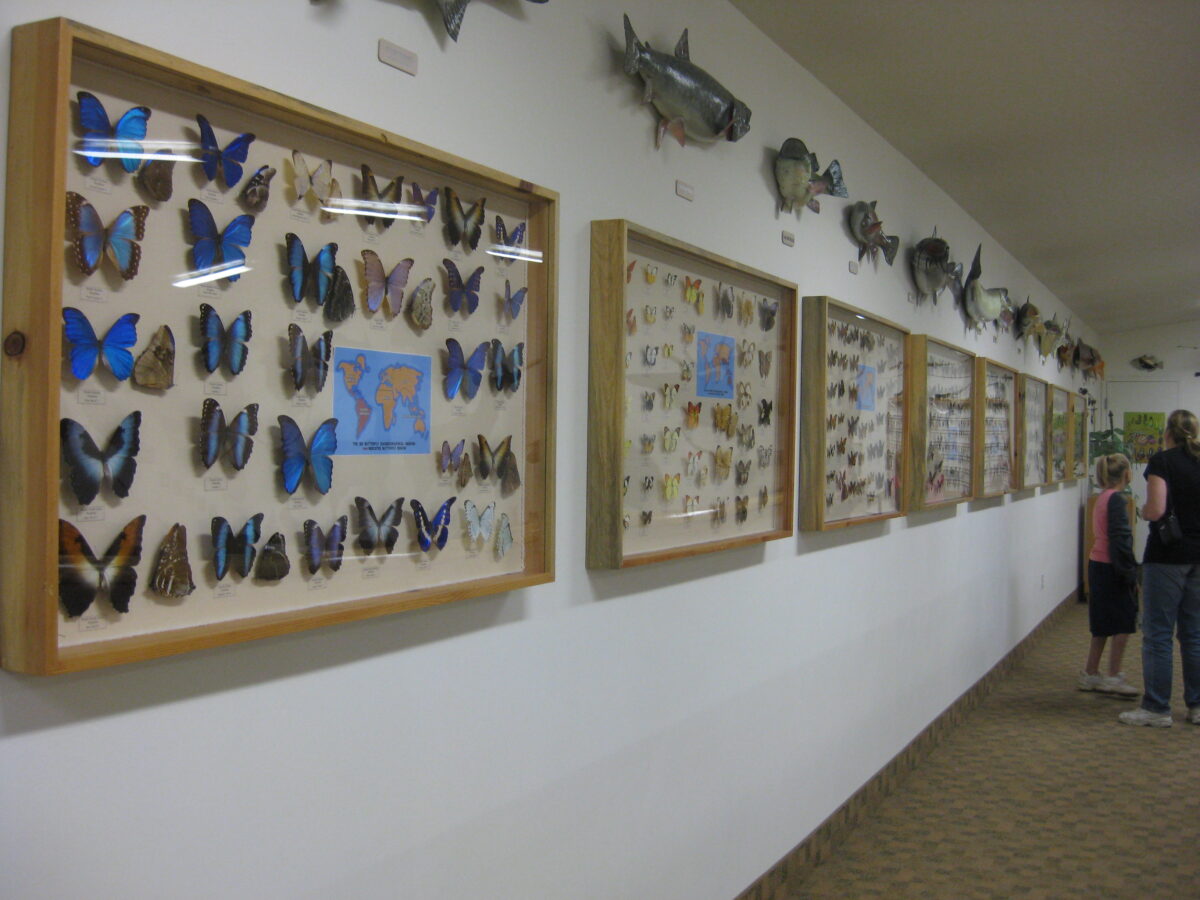
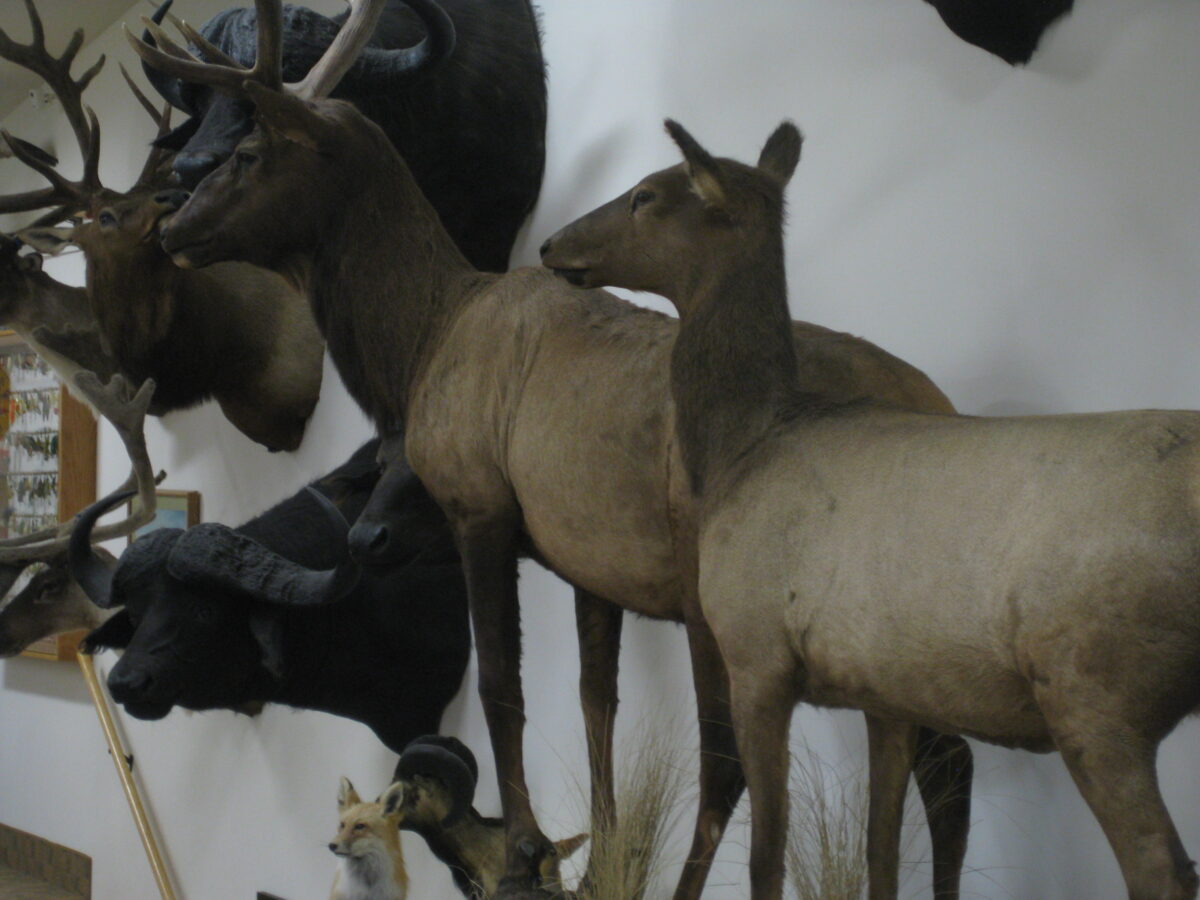
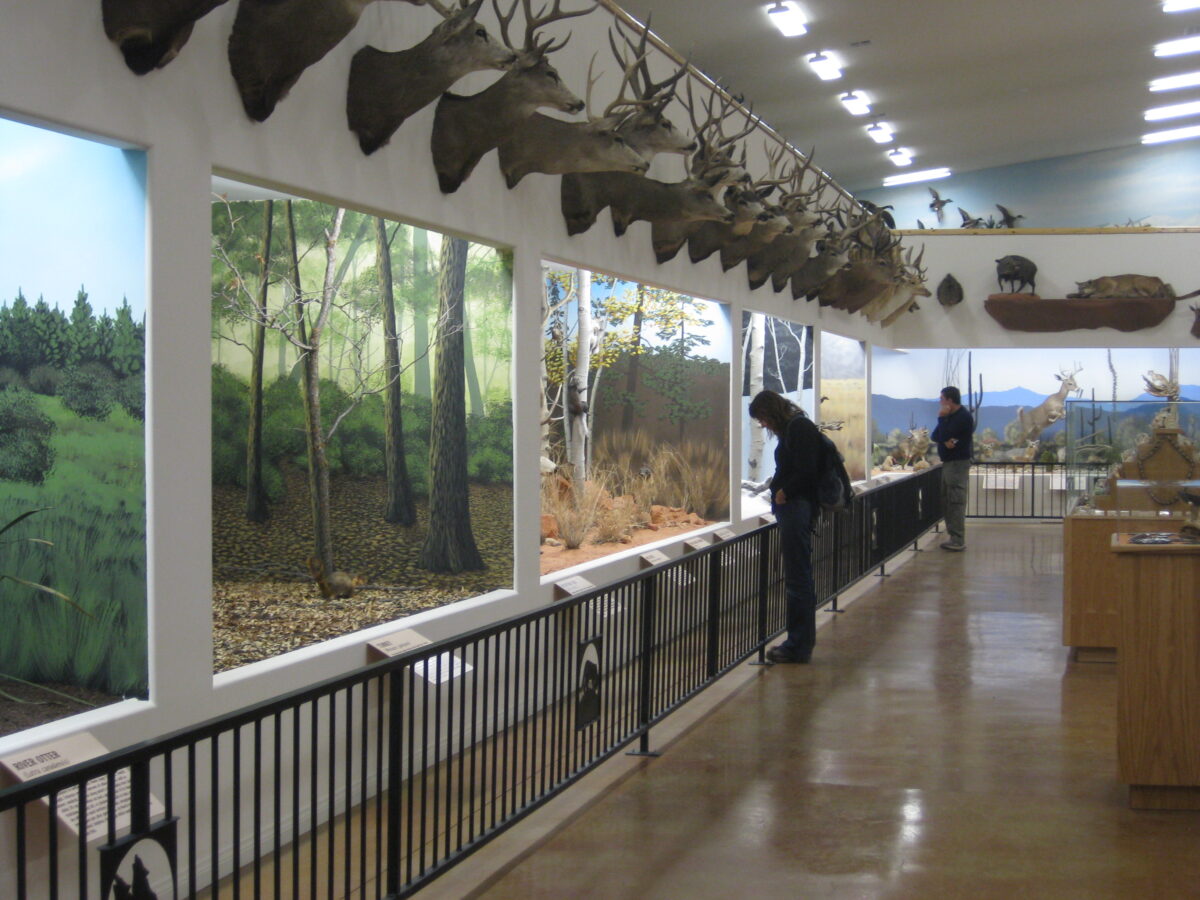
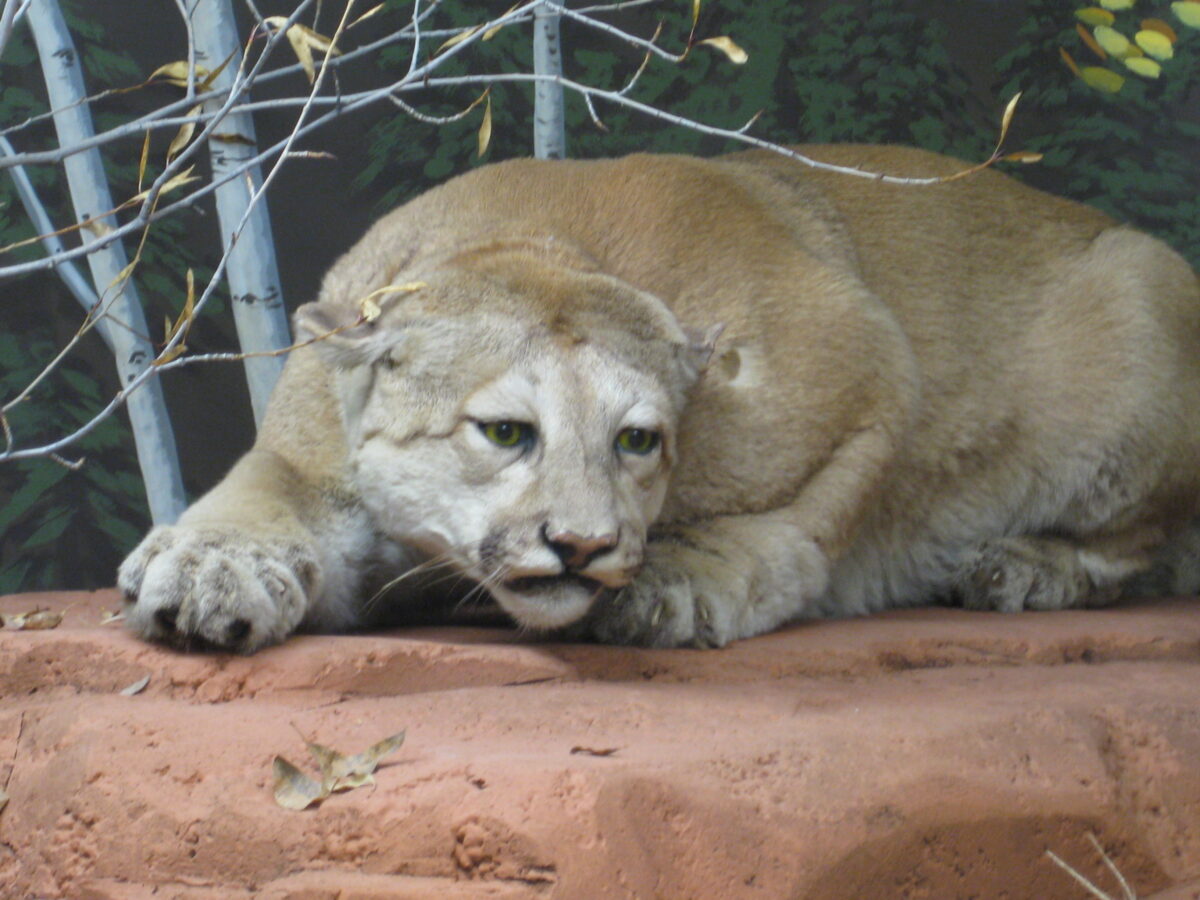
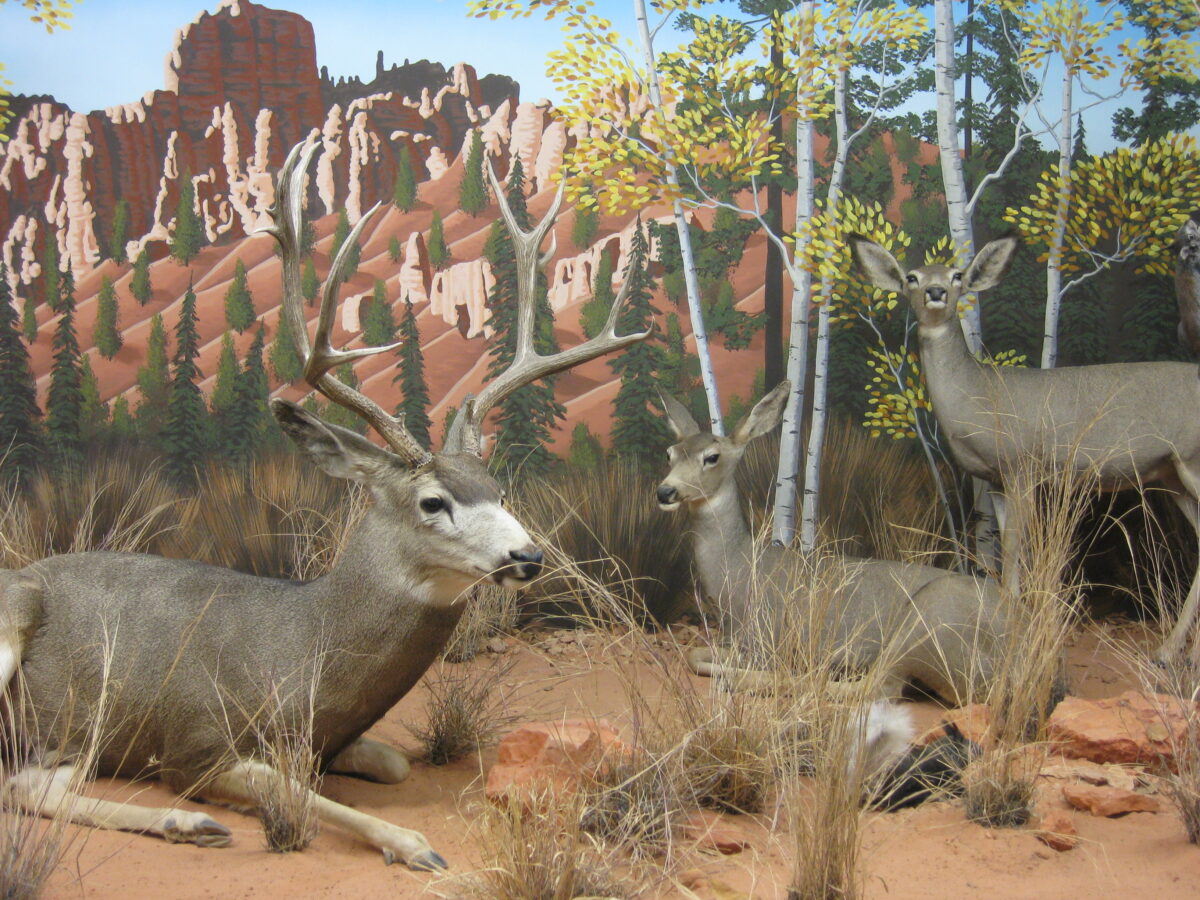
Who knew that one of the largest wildlife museums in the United States is tucked away along scenic Highway 12 near Bryce Canyonfi The Paunsaugunt Wildlife Museum sits just 80 miles east of I-15 and Cedar City, about a mile from the entrance of Bryce Canyon. Although the museum is easily accessed and observed from the highway, the Paunsaugunt museum has only recently been located near Bryce Canyon, and is not yet heavily advertised. Robert Driedonks, museum curator and owner, showcases more than 600 animals he himself has caught and preserved for the museum collection. From prairie dogs, elk, deer, beavers, cougars, and bugs to bears and butterflies, Driedonks displays a wide range of animals. The animals hail from all over the world, including places such as India, Africa and locally in Utah. The museum also houses birds, ocean fish, Indian artifacts and an extensive butterfly collection with more than 1,400 butterfly species.
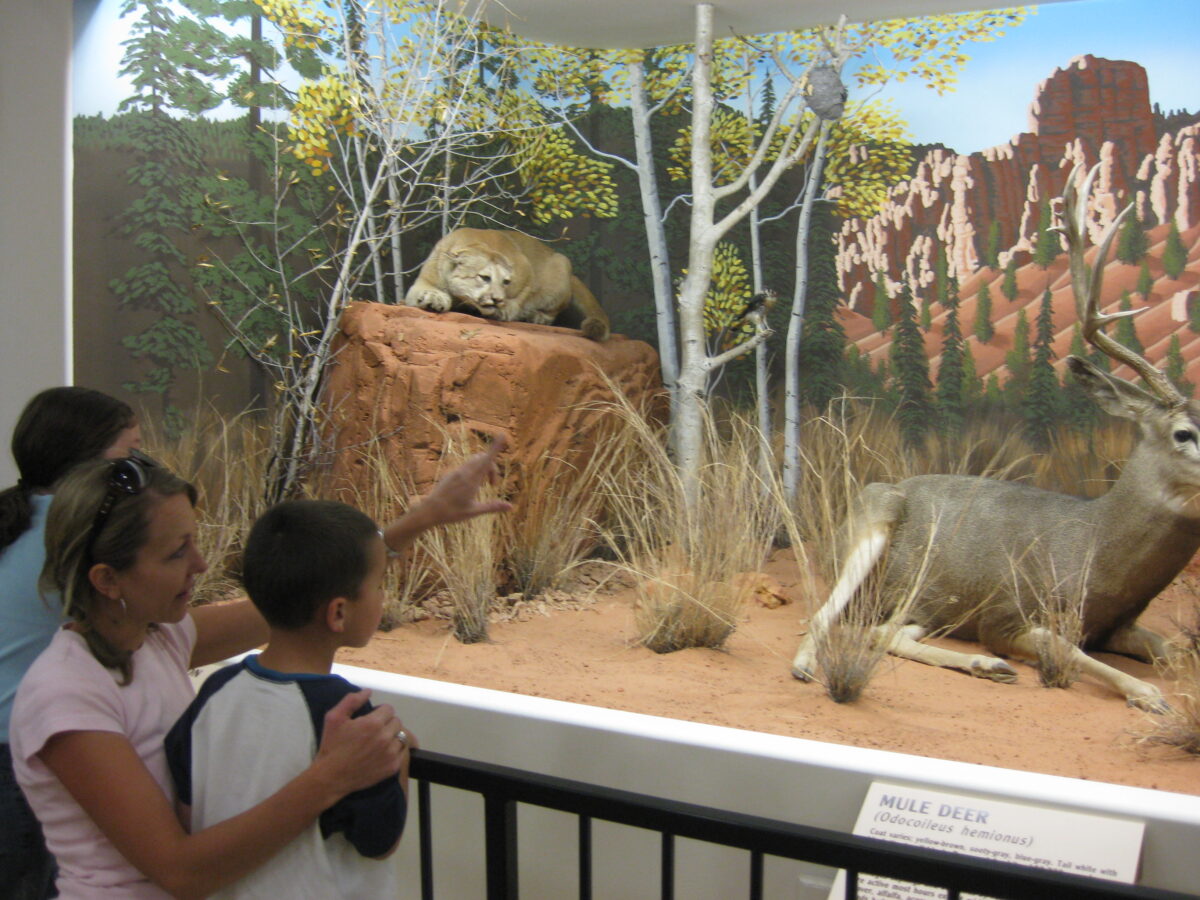
All of the taxidermy animals are housed in life-like panoramas made of all natural materials and designed to replicate in exact and natural detail the animals’ habitats. Nationally renowned museum artist Brian Wignall designed the displays. Wignall has done work for such museums as the Smithsonian and the Osaka Aquarium.
Not typically a fan of taxidermy, I must say that I enjoyed the Paunsaugunt Wildlife Museum. The animals here are specially posed in natural settings and positions – not the teeth-baring, face-growling, stern stances and expressions typically seen. Driedonks explains that he personally shapes many of the taxidermy forms in order to capture and preserve more softened and natural expressions.
Animal scenes in the museum show friendly, non-assertive scenarios, such as a mother nursing her babies or a family of beavers working by a stream. I felt a genuine sense of appreciation for the animals and their environments as we walked through the display areas.
One daughter preferred the butterflies, another gazed at dozens of large oceanic fish lining the walls; my son liked the massive collection of bugs.
A gift shop inside the museum offers Indian jewelry and artifacts as well as items related to the museum animals.
Outside the museum, Driedonks keeps a small herd of European Fallow Deer. For a small fee, visitors can purchase deer food and feed and pet the small but lively deer. This was of course the highlight of our visit for my children, who tried to convince me that we really really needed one of the deer for a pet. And, in fact, Driedonks does sell the deer, and I have to say that if I lived on a bit more acreage I might have been tempted to give in.
So, stop by on your next visit south to check out one of the world’s largest butterfly collections, observe up-close a tiger, or hand feed one of the Paunsaugunt’s European deer.
IF YOU GO:
Paunsaugunt Wildlife Museum is located at 1945 West along scenic Highway 12, near Bryce Canyon.
Hours of Operation: 9 a.m.-10 p.m. daily
Admission: Call for rates: (435) 834-5555 or (702) 877-2664
Visit: www.brycecanyonmuseum.com for more information.