
Herald journalist explores forgotten skills of Mormon pioneers
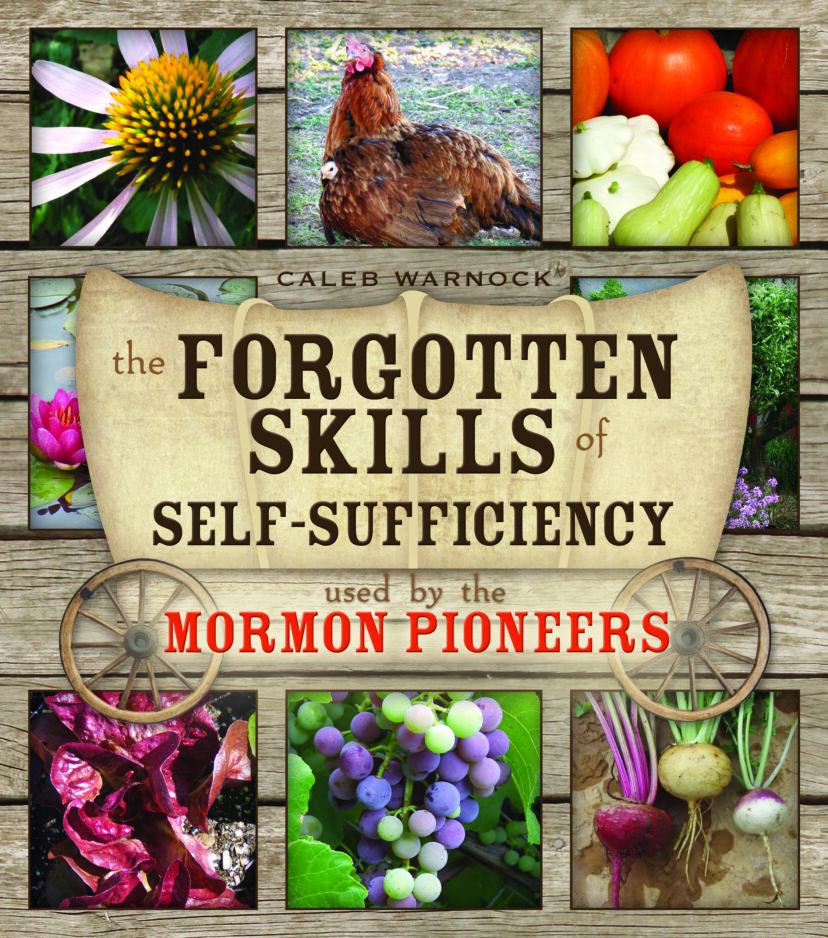
"The Forgotten Skills of Self-Sufficiency Used by the Mormon Pioneers" by Caleb Warnock.
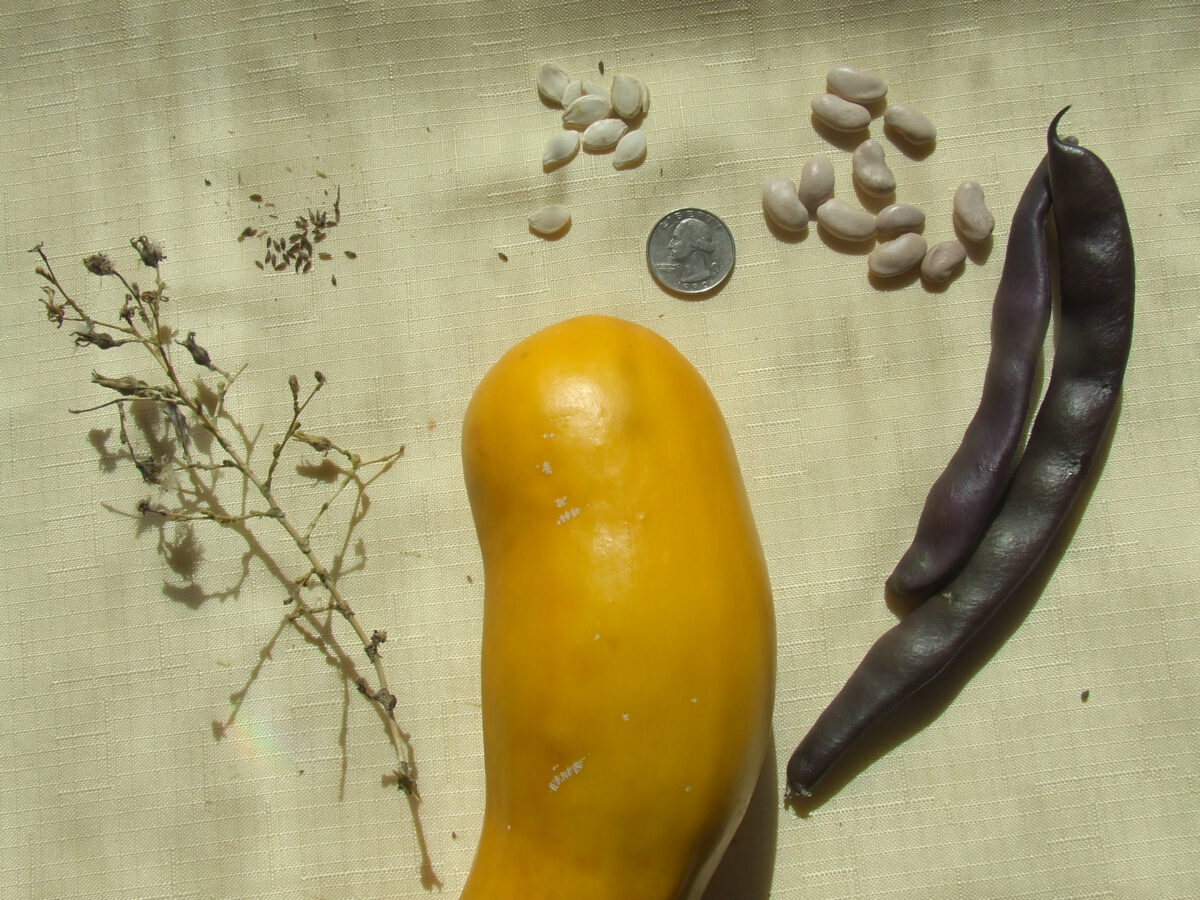
"Forgotten Skills of Self-Sufficiency Used by the Mormon Pioneers" by Caleb Warnock teaches the four methods for saving pure seed from the home garden, just like the pioneers did, so that readers don't have to buy garden seed anymore. Photo courtesy of Caleb Warnock
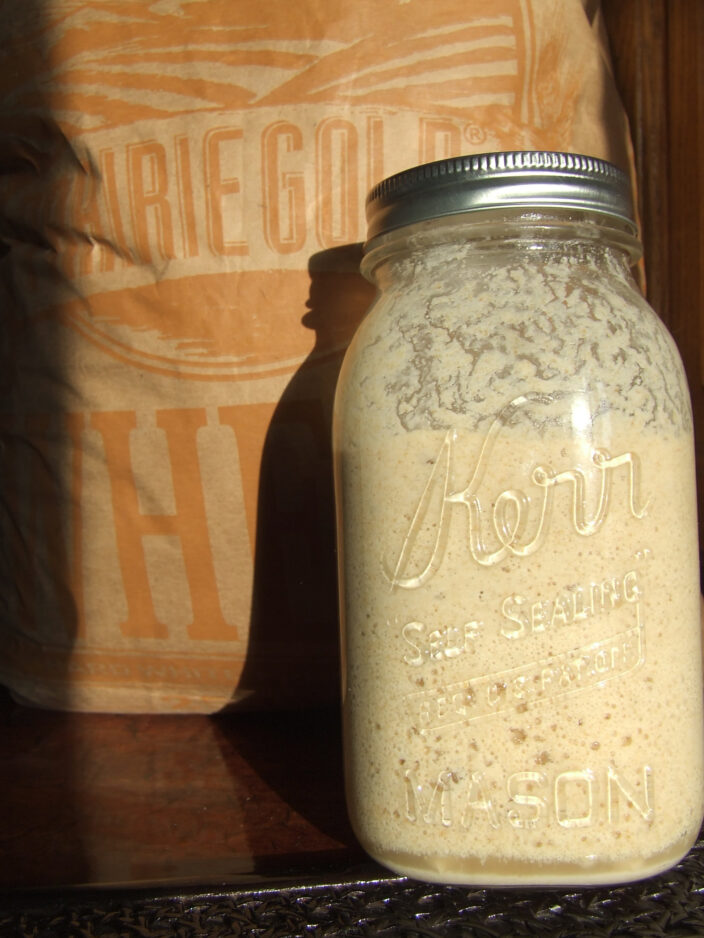
"Forgotten Skills of Self-Sufficiency Used by the Mormon Pioneers" by Caleb Warnock teaches the health and nutrition benefits of baking with pioneer yeast, which most people have never seen. Pioneer yeast is far more nutritious and healthful than commercial rapid-rise yeast from the grocery store. Photo couresty of Caleb Warnock
While working as a full-time reporter for the Daily Herald for the past decade, I have also been a writer for national publications. My freelance work includes everything from wolf watching in Yellowstone to backyard poultry keeping to perennial gardening. I have won more than 20 awards for journalism and creative writing, including the Utah Arts Council Original Writing Contest, and the David O. McKay Essay Contest.
Now Cedar Fort Publishing has published my first book: “Forgotten Skills of Self-Sufficiency Used by the Mormon Pioneers.” The book hit No. 1 on Deseret Book’s nonfiction bestseller list in the first week of September.
My book is based on the strange life that my wife and I live — with a half-acre vegetable garden on our 2.5-acre property, and more than 30 chickens. I teach classes on gardening outdoors in winter without electricity or a greenhouse, and I believe I am the first owner of a geothermal “pit” greenhouse in Utah County. I am also one of just a few garden vegetable breeders and conservationists left in the United States — most recently working to develop a super winter-hardy turnip. Many people dream of becoming self-reliant during these times of fluctuating prices and uncertain job security. So many people asked my wife and I for advice on how to become more self-sufficient that I decided to write a book about it.
This is not a research book. This is the way we live every day. Every photo in the book was taken on our property. My book teaches the four methods for saving seed from your own garden so that you don’t have to buy garden seed; the health and nutrition benefits of baking with pioneer yeast, which is far better for us than commercial rapid-rise yeast in grocery stores; how to store vegetables without a root cellar; how to eat fresh from your garden 12 months a year; considerations for backyard eggs; forgotten recipes; and more. It’s time to be self-sufficient.
Using truly simple techniques, you can cultivate the pioneer’s independence to provide safety against lost wages, harsh weather, economic recession, and commercial contamination and shortages. My book shows you how to strengthen your family’s self-reliance as you discover anew the joy of homegrown food, thrift and self-sufficient living.
Homestead families harvested sweet, crisp carrots out of the snow-blanketed garden soil in December. They raised robust summer vegetables without expensive seed catalogs or nurseries. They created spectacular flower gardens at no cost. They ate fresh out of the garden 12 months a year, a skill that has now all but vanished. As food and fuel prices fluctuate, many of us are taking a deeper look at homegrown food, thrift and self-sufficient living.
Many of those pioneer techniques are now lost to the general population. I was lucky enough to grow up in the kitchens and gardens of the last generation to provide family meals without relying on the grocery store. My great-grandmother’s “supermarket” was her garden and storeroom. My grandparents shook their heads at bland, store-bought vegetables. They managed their family budgets by putting to work centuries of received wisdom about food and self-sufficient living. My book teaches readers just how simple and fulfilling the path to increased self-reliance can be.
My book is not about bottling peaches or digging a root cellar. “Forgotten Skills of Self-Sufficiency Used by the Mormon Pioneers” begins to overcome the myth that self-reliant living is practical only for up-before-dawn farmers or green-thumb gardeners with huge yards and no social life. The reality is that self-sufficiency need not be elaborate, time-consuming or back-breaking.
Airy, Light Pioneer-Yeast Waffles
- One egg white
- 1 egg yolk
- 1/4 cup milk
- 1/8 cup extra virgin olive oil
- 1/4 teaspoon salt
- 1½ cups pioneer yeast batter
In a bowl, hand-whisk egg white to soft peaks (electric whisk will over-work the white).
In a separate bowl, combine egg yolk, milk, olive oil and salt. Mix thoroughly and add pioneer yeast batter (whole wheat, white, or a combination, according to preference).
Mix briefly until combined, taking care not to over-work the batter. Fold whisked egg white into batter. Pour into heated waffle iron. Serve with butter, Charmayne’s Peach Sauce, syrup, or homemade jam or jelly.
Baking with pioneer yeast
The following is an excerpt from “Forgotten Skills of Self-Sufficiency used by the Mormon Pioneers” (Cedar Fort, $16.99):
There have been uncovered in Egypt massive bread bakeries that were used to feed the workers who built the pyramids. The Egyptians did not have yeast sealed in foil packets or jars, nor did the pilgrims or pioneers — there were certainly no supermarkets strung along the handcart trail leading West. So how did the pioneers, pilgrims, Egyptians, and everyone else get yeast? The answer is simple. From family and community, and originally, from the air.
Forgotten yeast
The everyday use of pioneer yeast is one of those skills that has nearly vanished from the general population but deserves new consideration. Pioneer yeast is sometimes called wild yeast, and often called sourdough starter, even though it does not need to be sour. Pioneer yeast is simple to use, costs nothing, tastes wonderful, completely cuts out the need to buy commercial yeast, and drastically reduces the need for baking powder and baking soda. I use pioneer yeast to make not only bread, but also waffles, pancakes, breadsticks, pizza dough, scones, rolls, and even old-fashioned root beer.
Health benefits
Beyond flavor, price and the self-sufficiency, pioneer yeast allows, there may be another reason to use it. Slower-rising yeast is better for our health because it pre-digests the glutens in wheat flour. James and Colleen Simmons, authors of the books “Daniel’s Challenge” and “Original Fast Foods,” have this to say on the subject: “The commercial bread-making industry figured out how to isolate strains of yeast that made bread raise very quickly compared to the old-fashion bread-making method … What we didn’t know when we traded Old-World leavening techniques for quick-rise yeasts is that not everything in wheat is good for you. Several elements in wheat are down-right problematic and have led to grain intolerances in about 20 percent of today’s population. When you compare what happens to the bread when it is leavened with commercial yeasts versus a good sourdough starter, another story unfolds … The sourdough starter contains several natural strains of friendly bacteria and yeasts that also cause bread to rise; however, these friendly bacteria also neutralize the harmful effects of the grain. They neutralize phytic acids that otherwise prevent minerals found in the grain from being absorbed properly; they predigest the gluten, and they also neutralize lignans and tanins found in wheat.”
Where to get pioneer yeast
My yeast “start,” as they are called, came from a friend, who herself had gotten it from a friend, who had gotten it from LDShealth.com, which sells them for $5 mail-order and claims theirs comes from a family line nearly 200 years old. It’s been a wonderful yeast for me. For pioneer yeast baking classes, visit CalebWarnock.com.
Keeping pioneer yeast
Caring for pioneer yeast is both simple and enjoyable. Pioneers kept theirs in crocks with lids; I keep mine in glass canning jars. Yeast is a living organism, and was likely the first domesticated living creature on earth. Yeast fungi feed on natural starch and sugars in grains and convert them into carbon dioxide bubbles, which leaven dough. Pioneer yeast is a wet, doughy mix, not a powder. A start is kept alive by feeding it wheat flour. After it is fed, yeast rises. There are three options for allowing yeast to rise:
At room temperature, the peak rise will take two to three hours, and begin to develop a sour dough flavor. Some yeast strains develop little or no sour dough flavor, but most will slowly become tangy at room temperature.
If placed immediately in the fridge after feeding, the start will rise much slower, and may take as long as week to achieve peak rise. Chilled starts also develop a lesser sour dough flavor.
You can also feed the start and allow it to achieve peak rise at room temperature, then place it in the fridge, it will often stay at peak rise for up to a day. If you know you want to make pioneer yeast waffles in the morning, feeding a start the night before, allowing it to achieve peak rise, and then placing it in the fridge overnight means the start can be immediately used in the morning. (In pioneer waffle and pancake recipes, no flour is added. The start provides the flour, much of the moisture, and the leavening.
Freezing pioneer yeast
Frozen starter is a back-up, in case your active starter should fail or die. To freeze a start, take a portion of yeast at peak rise, put it in a plastic freezer bag, or a glass jar, and place it in the freezer. To use, bring to room temperature, and then feed to activate.
Drying pioneer yeast
Dry yeast keeps many years, if not indefinitely. To dry yeast, spread a very thin layer on a cookie sheet or wax paper and let it air dry on a window sill or in direct sunlight, taking care not to expose it to insects. You can also warm an oven to its lowest setting, turn the oven off, and then put the thinly layered yeast in the oven to dry. Once thoroughly dried, scrape the flakes and store in a cool, dark place in a sealed container.
• Caleb Warnock is the author of “Forgotten Skills of Self-Sufficiency Used by the Mormon Pioneers” and he teaches Forgotten Skills classes including pioneer yeast baking classes. For more information, visit CalebWarnock.com.
”Forgotten Skills of Self-Sufficiency Used by the MormonPioneers”
Author: Caleb Warnock
Publisher: Cedar Fort
Date of publication: Aug. 8, 2011
Length: 160 pages
Cost: $16.99