
A legacy to follow: How to learn about and honor Utah’s pioneer heritage

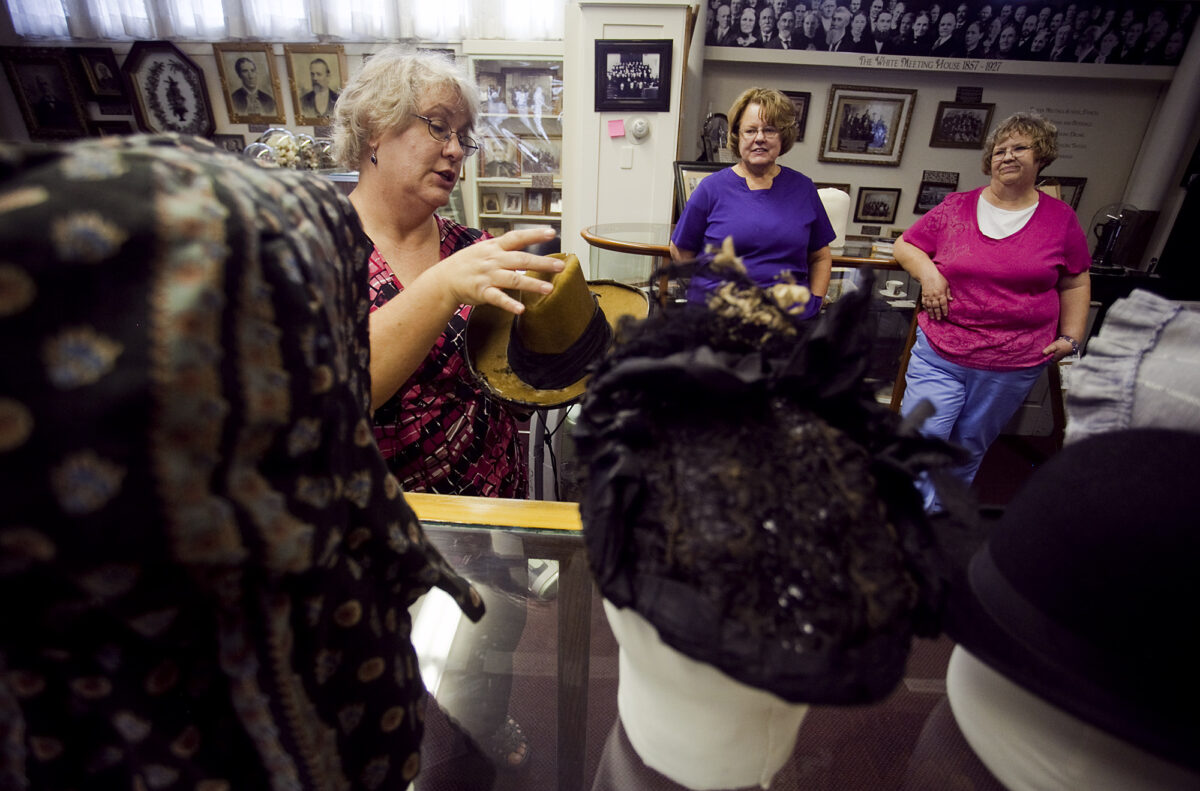
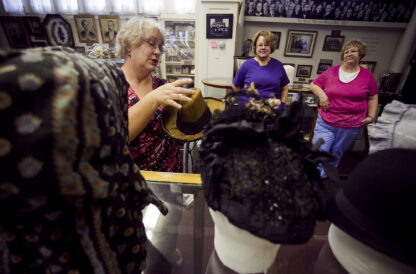
Jaynanne Meads examines an original hat of a Utah pioneer with Sandy Allison, center, and Ellen Clyde, right, as they set up a new exhibit in preparation for Heritage Day at the Springville-Mapleton Daughters of Utah Pioneers Museum on Tuesday, September 11, 2012. JIM MCAULEY/Daily Herald
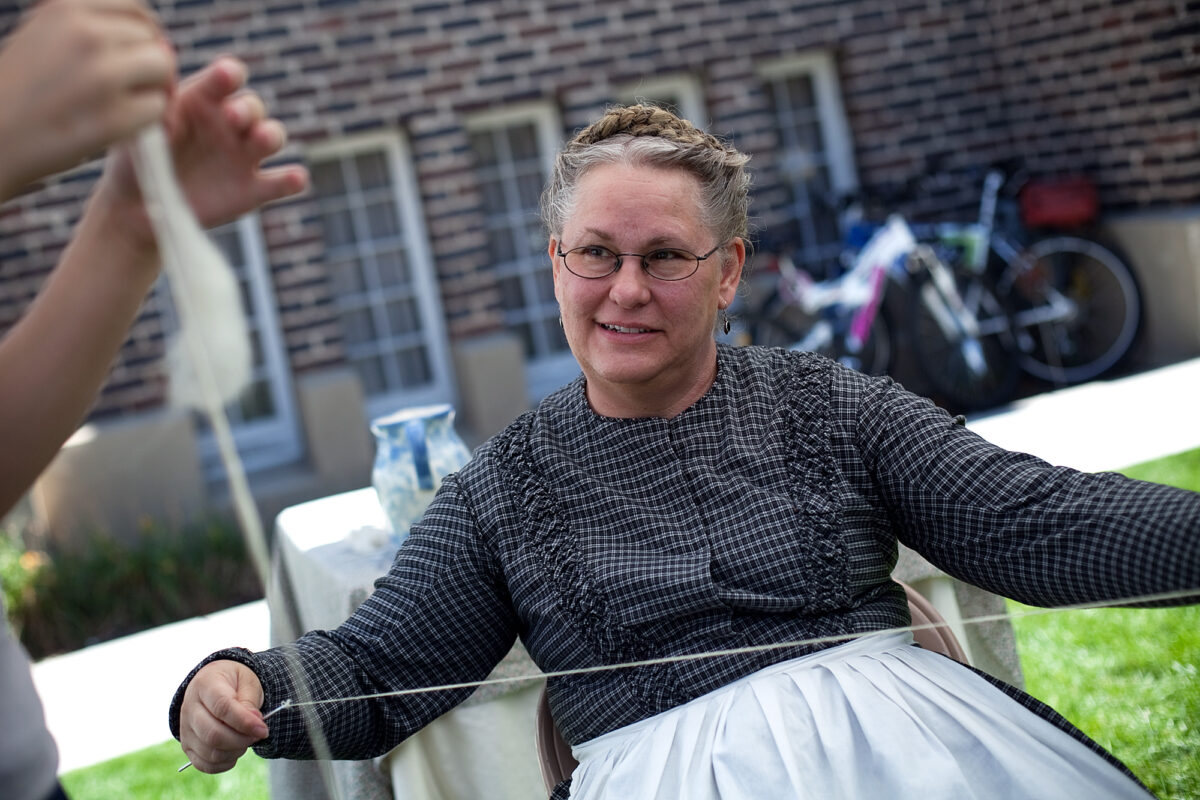
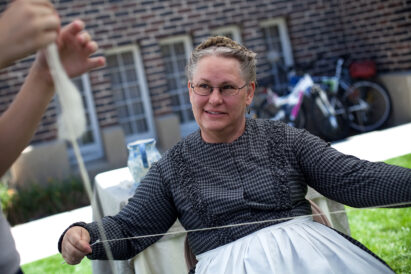
Jaynanne Meads hand spins wool while demonstrating the technique for guests at the Daughters of Utah Pioneers Museum in Springville as they celebrated Heritage Days Saturday, Sept. 15, 2012. MARK JOHNSTON/Daily Herald


-

- Inside the Pioneer Village general store, manager and board member Jon Clark and volunteer Verna Nelson pose for a photo Monday, April 1, 2024.
-
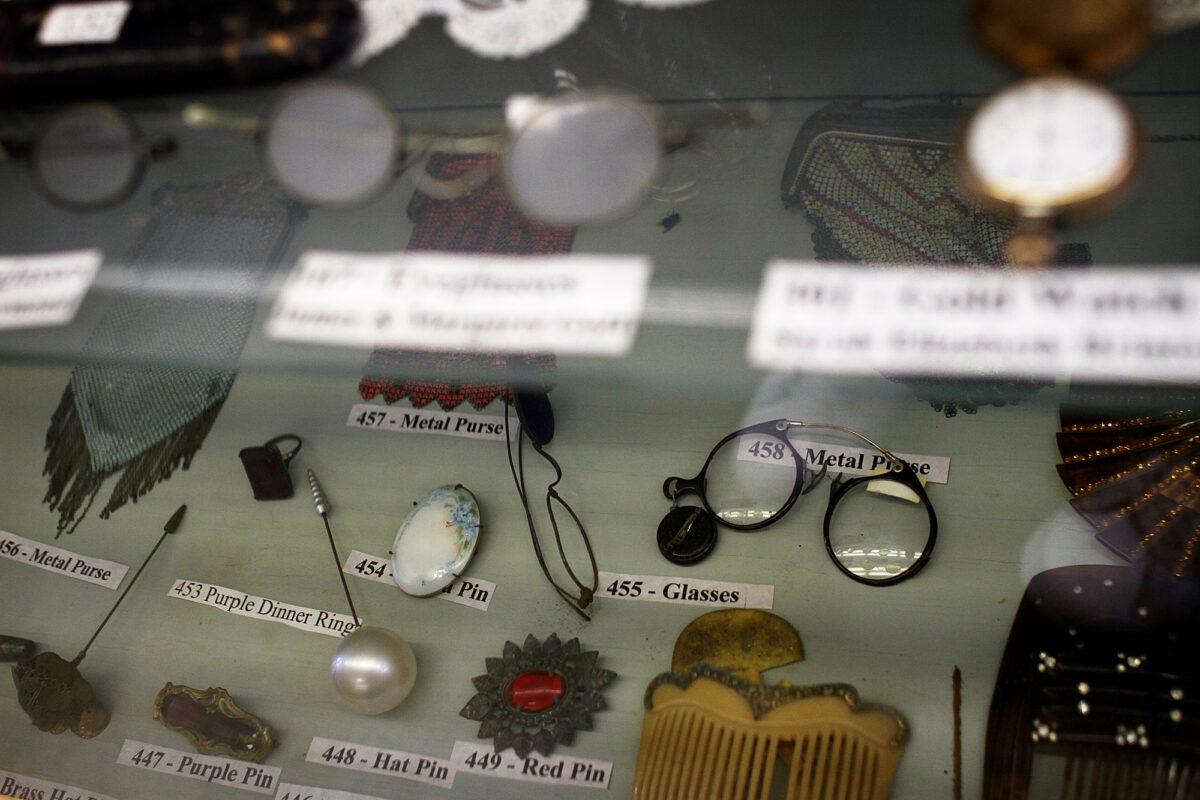
- Items on display in a case at the Springville Pioneer Museum in Springville Wednesday, April 13, 2011. MARK JOHNSTON/Daily Herald
-
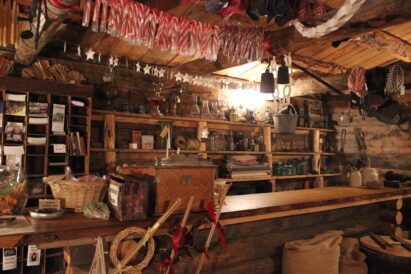
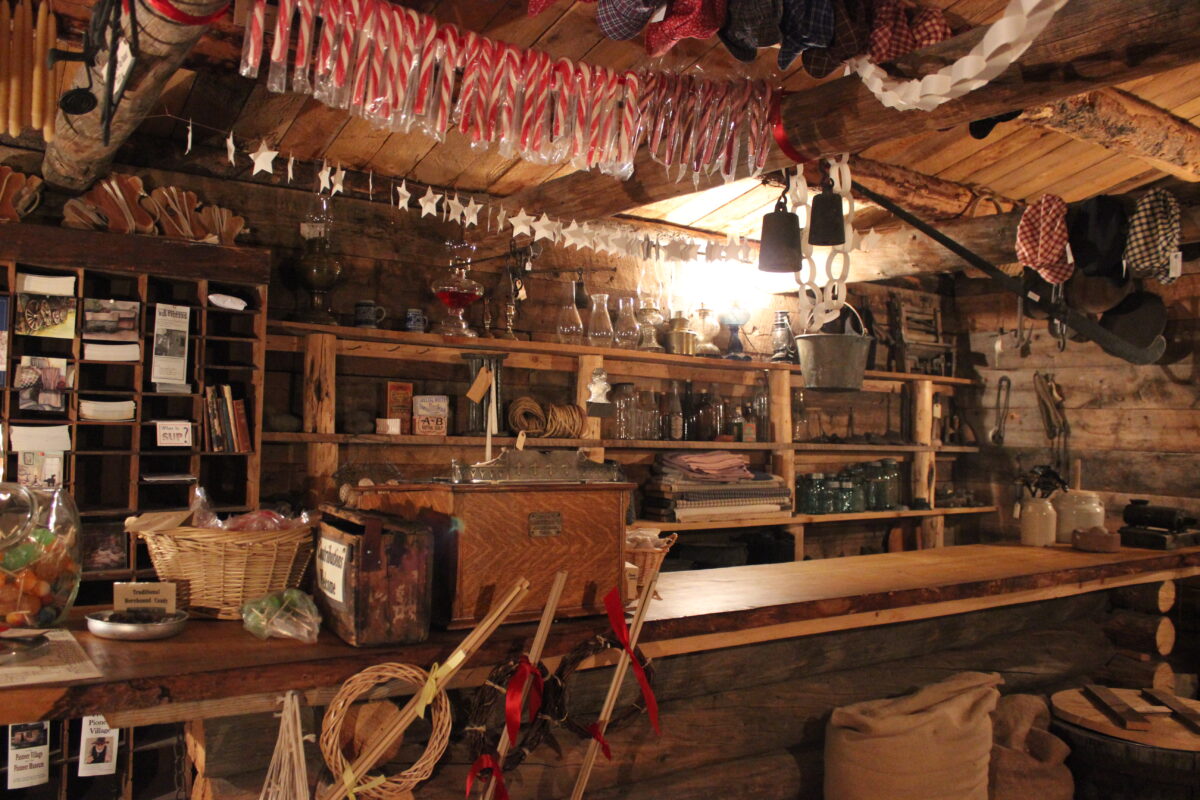
- Provo’s Pioneer Village mercantile ready for A Pioneer Christmas celebration.
-
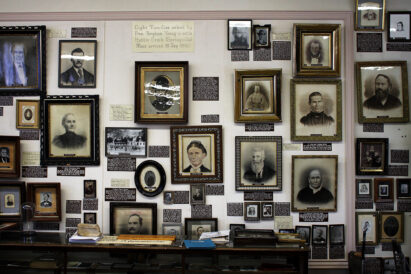
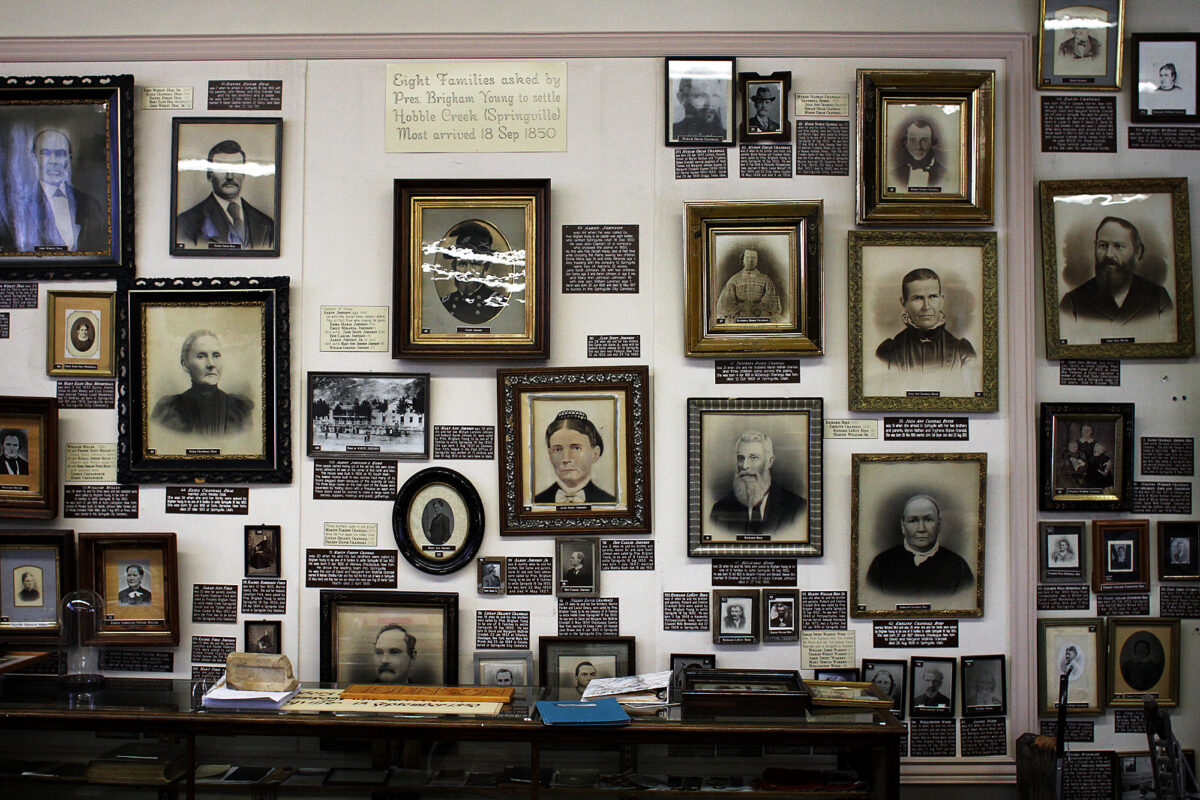
- Photographs fill a wall on display at the Springville Pioneer Museum Wednesday, April 13, 2011. MARK JOHNSTON/Daily Herald
-
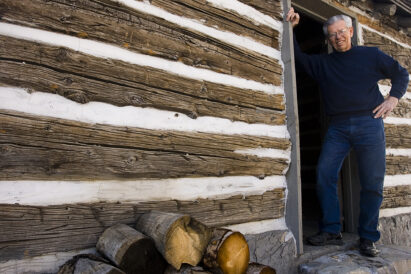
- American Fork pioneer museum is reborn
-
-
Jaynanne Meads examines an original hat of a Utah pioneer with Sandy Allison, center, and Ellen Clyde, right, as they set up a new exhibit in preparation for Heritage Day at the Springville-Mapleton Daughters of Utah Pioneers Museum on Tuesday, September 11, 2012. JIM MCAULEY/Daily Herald
-
-
Jaynanne Meads hand spins wool while demonstrating the technique for guests at the Daughters of Utah Pioneers Museum in Springville as they celebrated Heritage Days Saturday, Sept. 15, 2012. MARK JOHNSTON/Daily Herald
-

- Volunteer Elaine Brewster speaks to the crowd inside the Carriage House at Provo Pioneer Village during a celebration Monday, April 1, 2024, to commemorate the city’s 175th birthday.
-

- A wagon at Provo Pioneer Village is seen Monday, April 1, 2024.
July 24 is just another normal day on most calendars — but not in Utah.
Every year Utahns celebrate their own holiday, Pioneer Day, in recognition of the efforts and sacrifices of the thousands of men and women who traveled west in search of religious freedom.
It’s a day that features parades and rodeos, activities and fireworks (when not in a major drought, at least).
But it is also a chance to take a moment to think about those who came before, who they were, what they did, and how they set the foundation for what Utah is today.
“We are a culture of celebrators of special days, on birthdays, on anniversaries,” Ellen Jeppson, president of the International Society Daughters of Utah Pioneers. “July 24th is the day that the first pioneers came into the valley, so it’s an anniversary. It’s a birthday. It’s a special day that you can count on every year to bring these things to your remembrance.
“Of course, here in Utah, we celebrate in a big way. It takes our minds to that at least once a year, and gives you something to hang on to. If you don’t think about it any other day, your thoughts are going to be brought back to it on July 24. I think there is a lot of value in continuing that.”
Jeppson’s society is a women’s organization based upon identifying and honoring pioneers who came to Utah. They operate more than a hundred pioneer museums throughout the west, as well as erect and caring for more than 600 historical markers.
Those efforts highlight just how important pioneer heritage is to many in Utah, including Jeppson. She sees enormous value in seeking better understanding of what life was like and what those individuals accomplished.
“What I do is I try to remember them,” Jeppson said. “I try to learn my ancestor stories and stories of others, and keep them in my mind, and go to places where I know they’ve been. They had so many characteristics of courage and leadership and faith and just determination. Thinking of them going through hard times, it helps me to get through. If they could do it, I can do it.”
She sees Utah’s pioneer history as being much broader and more extensive than most people realize.
“We think of pioneers coming in 1847 and building a city, but the truth of it was the pioneers were immigrating from 1847 to 1869,” Jeppson said. “For 22 years they were coming across the plains, and the only thing that stopped that migration is the transcontinental railroad because then they could come by train.”
She talked about how the traditional imagery of men, women and children pulling handcarts is powerful but not completely accurate, since there were on 10 companies of handcarts out of more than 250 pioneer companies that crossed the plains.
The reality as well is that the journey from the staging area in Nebraska to what is now the Salt Lake Valley was only a portion of the entire journey for many of the travelers.
“A lot of them came across the sea, from many places that were far, far away,” Jeppson said. “They landed in New York or in Boston or another one of the big ports and then they had to make to get to the staging areas. It was about 1,200 miles for them. So by the time they had gotten to Utah, they had been traveling for six months. Many had tough travel over the water, then traveled about 2,400 miles over land to come to this place to make a home.”
But reaching the Salt Lake Valley often wasn’t the end of the road either.
“There’s an old pioneer community established about every 21 to 25 miles, places like Beaver and Fillmore and Scipio,” Jeppson said. “That’s because that’s how far a wagon could generally travel in a day. So another community was built, and then another. I-15 just followed that route. Later people went over to southeastern Utah and started to explore and do communities.”
Many eventually went to communities in what is now Idaho, Wyoming, Nevada, California and Arizona, as well as north to Canada and south into Mexico.
“The whole thought of the immigration is just astonishingly brutal,” Jeppson said. “But they made it because of their faith and because they had courage and they believed that this is what they should do.”
But the reality is that each of those individuals were just human beings like we are now, with strengths and weaknesses, triumphs and setbacks. They made mistakes and got frustrated with each other.
Jeppson loves learning about the stories of those women and men, made possible by the fact that many of them kept journals and wrote about their experiences.
She wants people to know that their are so many places and resources to find out about the pioneers.
“Most people live close to a pioneer museum,” Jeppson said. “They don’t just have to come to the one in Salt Lake, the Pioneer Memorial Museum. They can look in their own communities and the communities next door, and they can really find a lot of pioneer museums. Ogden has a big one. Syracuse, Clearfield, Provo, Springville all do as well. There are many opportunities to go and see pioneer artifacts and photographs and learn about pioneers there.”
She added that there are digital opportunities to learn about that history as well.
“People can look at our website,” Jeppson said. “We have over 110,000 histories of pioneers. They can look them up online on our index and see if we have one for their ancestor, and then they can be ordered and downloaded to their computer. They can learn about their pioneer ancestors that way.”
She also thinks it’s important for us to continue to build on that legacy and share our stories with those who will come in the future, just like the pioneers did.
“Your history becomes part of their history as you pass it down to your family that comes,” Jeppson said. “It just becomes stronger and stronger as the stories of the pioneers add to ours and add to those who come later.”
Overall, Jeppson believes that legacy of those pioneers to us is inspiration. She hopes everyone realizes how impactful it can be to learn what we can from those who came before us.
“I recommend just trying to find family stories or inspirational pioneer stories that inspire you,” Jeppson said. “The more good examples of life that you can read, the more good examples of determination and perseverance, the more you will be a more positive, stronger person.”
To find more information on pioneers from the International Society Daughters of Utah Pioneers, go to isdup.org.