Garden Help Desk: How can I keep my redbud tree alive?
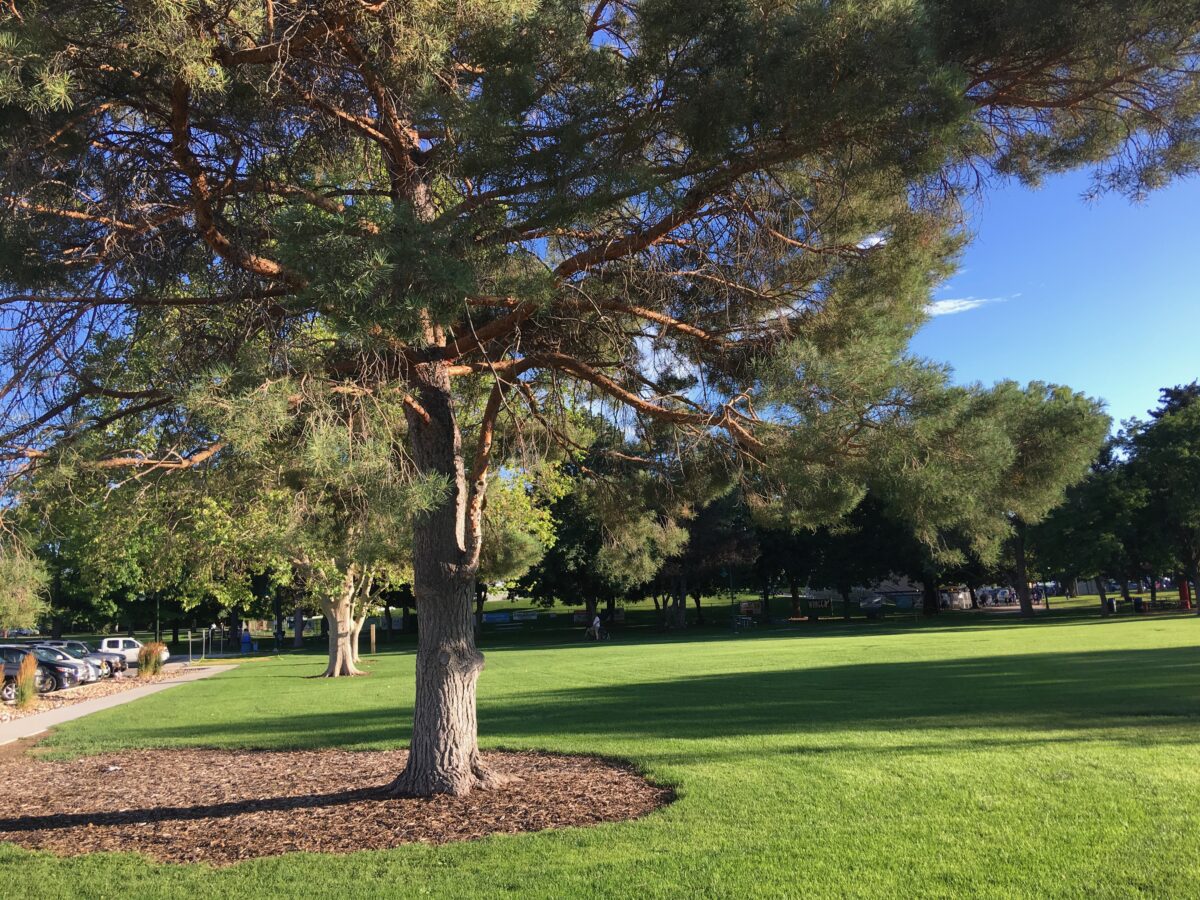
Courtesy Meredith Seaver
A wide tree ring protects tree trunks from equipment injury. Give your trees at least three feet of space between trunk and lawn.
I have a redbud tree (I think; beautiful lavender bloom in spring) that looks like it was infected last year as you can see in the attached pics. Is there anything I can do to prevent this tree from dying? It did not look healthy at all last season with less foliage and very little new growth.
The growths that you’re seeing on your tree are called conks. They are an outward sign of fungal decay inside the tree. I can’t tell you how the decay began, but infections like this are usually related to some kind of wounding or stress. Once these conks, or fruiting bodies, develop at the base of a tree, the decay on the inside is significant. For your tree, it’s probably been going on for at least a few years but wasn’t noticeable until last year.
I’m sorry to tell you that your tree won’t recover from this. There isn’t a spray or soil drench that will stop or undo the process. The decay will continue, and the tree will continue to decline. You don’t say how tall your tree is, but trees in this condition are prone to failure. The larger the tree, the greater the risk of damage or injury if the tree does fail. It’s best to remove the tree.
In the future, you can reduce the risk of fungal rot diseases in your trees by avoiding injury to trunks and major branches from yard care equipment or insect activity.
- Maintain wide tree rings around tree trunks to prevent string trimmers and mowers from nicking or scalping the bark
- Be careful when using hand tools near the trunk
- Avoid overwatering to reduce the risk of root rot and other diseases
- Apply the right insecticidal sprays at the right times to prevent damage from borers and other harmful insects
- Prevent bark damage from winter injury by using tree wrap from November through February
- Don’t use screws, hooks or nails to attach bird feeders, ornaments, etc. to trunks and branches
Elm seed bugs got into our house last year. Hundreds of them. I know spraying insecticide won’t really get rid of them, but what else can we do this year?
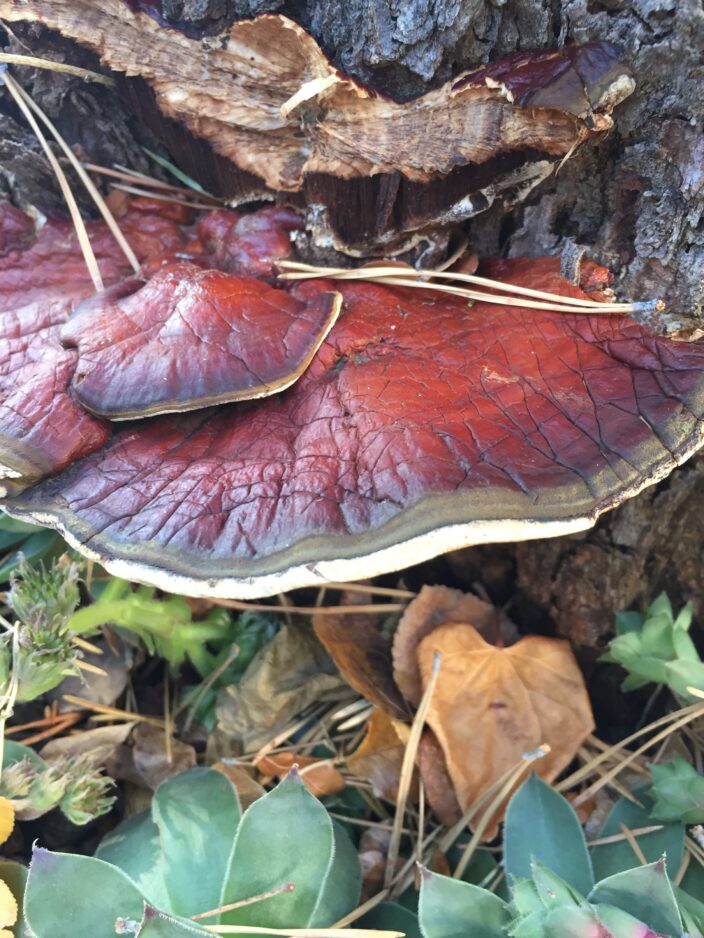
Courtesy Meredith Seaver
Conks can become woody as they grow, as this broken conk shows.
Elm seed bugs don’t harm people or plants. They prefer to feed on elm seeds and don’t affect the health of elm trees, but as you’ve learned, they really make a nuisance of themselves by collecting on exterior walls and finding ways to come indoors to escape the summer heat.
Spraying them with an insecticide isn’t a practical way to get rid of these bugs because they their population can be so high that there will always be more seed bugs to take the place of the ones you’ve killed. That doesn’t mean there’s nothing you can do about the problem, though.
You can try spraying around the foundation, and on exterior walls around windows and doors late this spring with a synthetic pyrethroid to discourage Elm seed bugs from coming into your house. Some spray products may stain or damage surfaces, so you’ll want to test any spray in an inconspicuous spot to make sure the spray is safe to use on the exterior of your own home.
One thing you can be working on right now is exclusion — taking steps to make it harder for Elm seed bugs to get into your house. Inspect your doors and windows inside and out, looking for any small openings or gaps that may provide access for the bugs. Window and door frames should fit into walls tightly and windows should fit into their frames tightly. On a day when it’s warm enough, use caulk to seal any small gaps around the frames. Screens should be in good condition and fit tightly as well. White duct tape can be used to seal off the tiny gap between screens and window frames. Weather stripping, door sweeps, and good thresholds will be helpful for exterior doors.
Siberian elms are prolific seed producers and homes near these trees may have the most severe problems with the bugs. Some homeowners choose to remove these trees, but if you can’t, or don’t want to give up the shade, take the time to look for any accumulated elm seeds during the summer, clean them up and dispose of them.
-
- A wide tree ring protects tree trunks from equipment injury. Give your trees at least three feet of space between trunk and lawn.
-
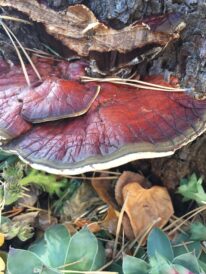
- Conks can become woody as they grow, as this broken conk shows.