Garden Help Desk: Protecting your plants from snails and slugs
-
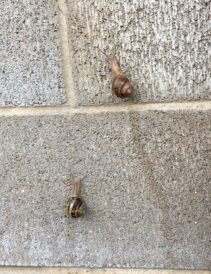
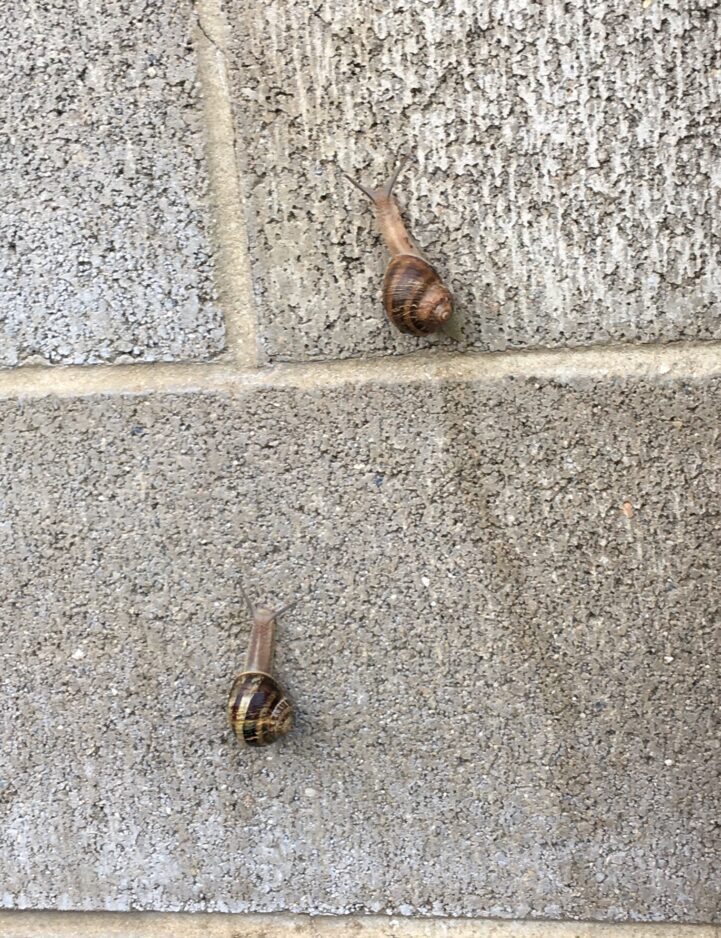
- Snails and slugs can get a foothold wherever there is adequate moisture and shelter. Wet or shiny slime trails are one sign of snail activity.
-
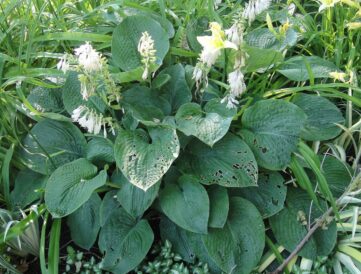
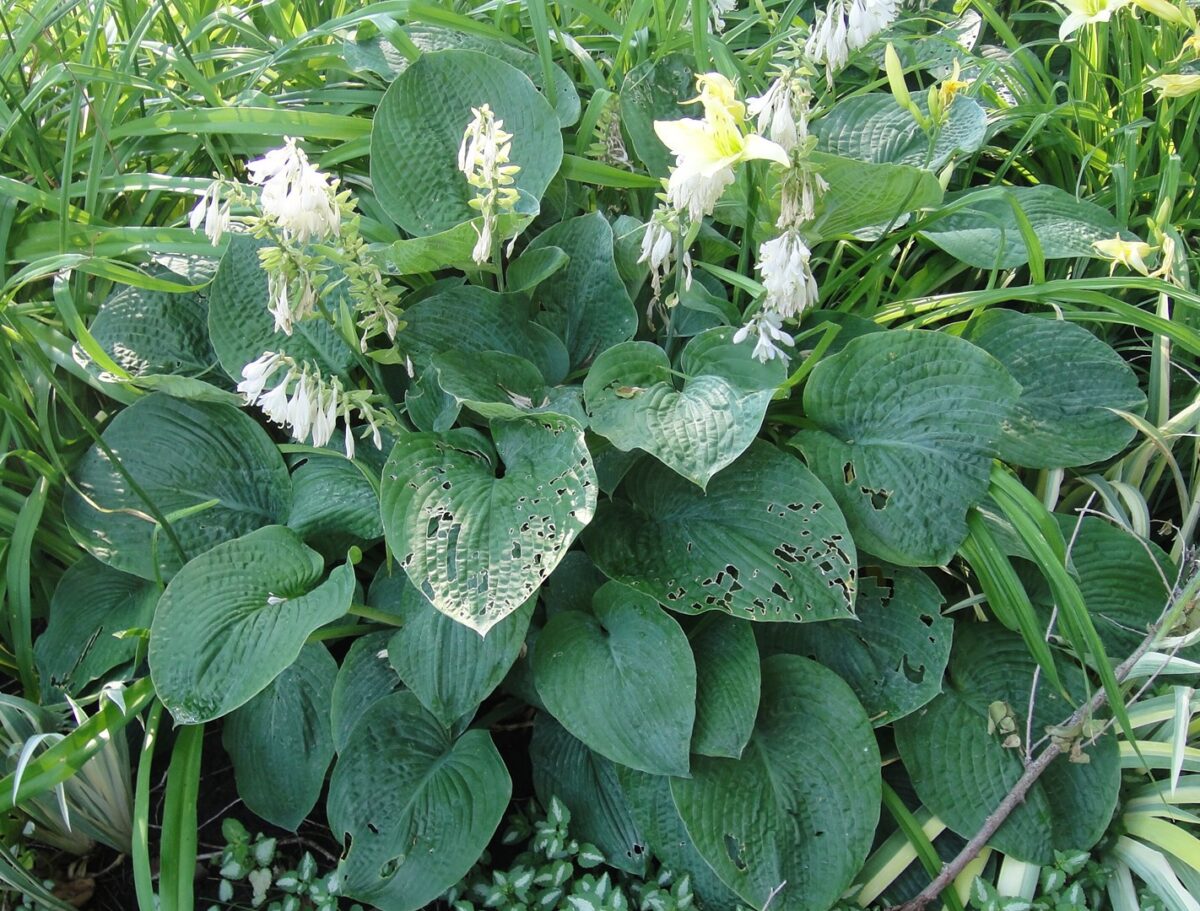
- Plants in shady, moist conditions like this Hosta are a favorite of slugs and snails. letting things dry a bit between waterings and keeping plant debris cleaned away can reduce slugs and snails.
-
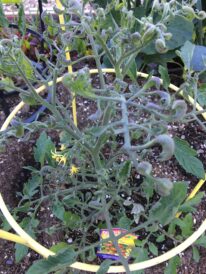
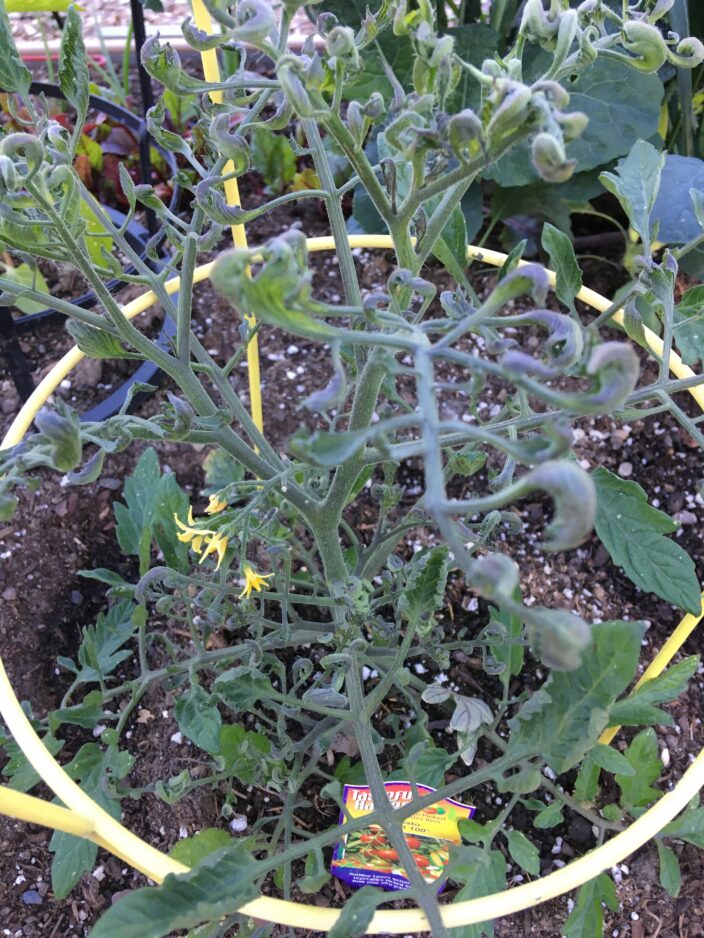
- Tomatoes are just one of the vegetable plants and ornamental plants that are very sensitive to herbicide exposure. Follow label directions carefully and protect desirable plants from accidental exposure.
Courtesy photo
Snails and slugs can get a foothold wherever there is adequate moisture and shelter. Wet or shiny slime trails are one sign of snail activity.
I keep seeing snail damage on some of the plants in my greenhouse. I’ve used a snail bait, but I still find new damage on my plants. What is the best snail bait or should I try a different product?
The first thing to do before you try a different snail product is to make sure snails or slugs are the culprits because there are other pests that can cause the same kind of damage. Are you seeing slime trails? They’re a common sign of snail or slug activity but it’s possible to have a snail problem without seeing any slime trails. Snails and slugs aren’t active during most of the day so you might need to go into your greenhouse at night with a flashlight or in the early morning and search for them. You might be surprised and find earwigs instead of snails or slugs.
You can also try setting out a shallow dish of sugar water plus yeast or a dish of beer as a trap.
The most important control method for snails and slugs (and earwigs) is to eliminate moisture and shelter. Keep the floor of your greenhouse clean — no fallen foliage, empty nursery containers, or other materials that give pests a place to hide from the sun and you! Don’t leave spilled potting soil on the floor where it can hold moisture and keep humidity high.
If you decide you need to use a bait, choose a product with the active ingredient iron phosphate. It’s effective, and safe for pets and people.
Courtesy photo
Plants in shady, moist conditions like this Hosta are a favorite of slugs and snails. letting things dry a bit between waterings and keeping plant debris cleaned away can reduce slugs and snails.
A pest control company sprayed weed killer for dandelions and they got some spray on my flowers. Now the leaves are curled, and the plants are looking really bad. What can I do to save my flowers?
When plants are unintentionally exposed to some weed killers there is a very small window of time when they can be “rescued;” usually only a few minutes. Saving exposed plants also depends on the on the kind of herbicide used, how quickly the product becomes rainfast (resistant to washing off), and how severe the exposure was. If the weed killer is one of the common lawn weed products, and you take action immediately to hose off the herbicide quickly and completely before the spray can dry, you might be successful. If the spray has time to dry, even just partially, you won’t be able to remove all the spray and prevent any damage. Unfortunately, by the time a plant is showing symptoms like yours are, it is much too late to do anything about the problem.
At this point, any of your perennials that haven’t died might (or might not) recover but won’t look good this year. The plants may have poor color in addition to the twisted and curled leaves. I wouldn’t remove them just yet. Give them time to recover and good care with deep but not frequent watering, don’t fertilize this year, and hope for the best next spring. Some of them may continue to decline and die, and you can remove them later, but some of them may surprise you and do better next year!
I’d go ahead and replace annual bedding plants that were damaged but haven’t died, though. There’s not much value in keeping them, because they aren’t going to look good again before the end of the season, but new plants could still do fine.
Herbicide accidents do sometimes happen with commercial applications, but they are much more common when gardeners are the applicators. To avoid this problem, read the label before you purchase a product to make sure it will do what you need, and to learn how to use the product safely.
Courtesy photo
Tomatoes are just one of the vegetable plants and ornamental plants that are very sensitive to herbicide exposure. Follow label directions carefully and protect desirable plants from accidental exposure.
Avoid spraying in hot or windy conditions, make sure the spray is coarse droplets not a fine mist, keep a safe distance from desirable plants and don’t rush while you’re applying.
If you’ll always read the label, follow the directions carefully, and apply an herbicide in the right way at the right time, you’ll be much less likely to have a pesticide accident in your own landscape.