Garden Help Desk: Advice for Lehi gardeners worried about E. coli
-
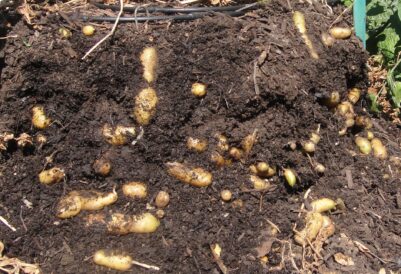
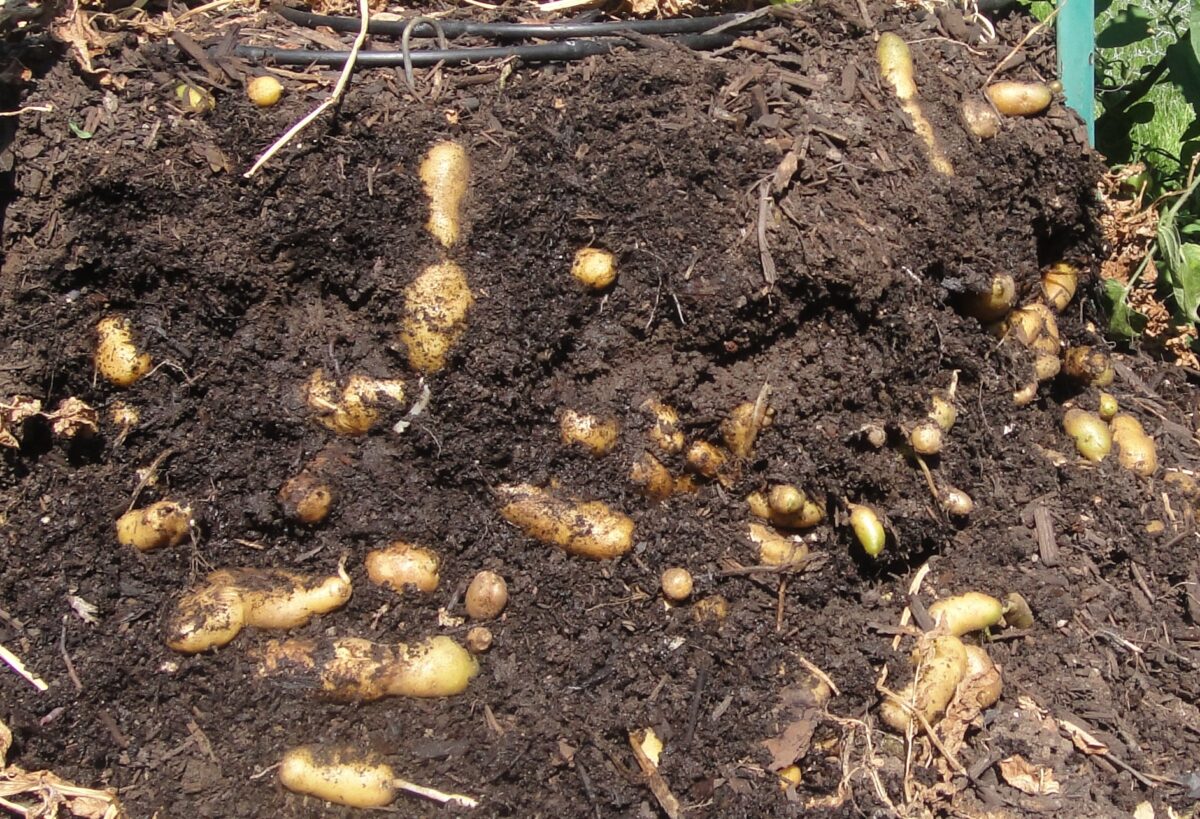
- Root crops like carrots, onions and these potatoes that have been irrigated with potentially contaminated water should be cooked before eating.
-
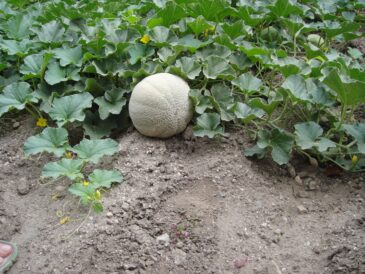
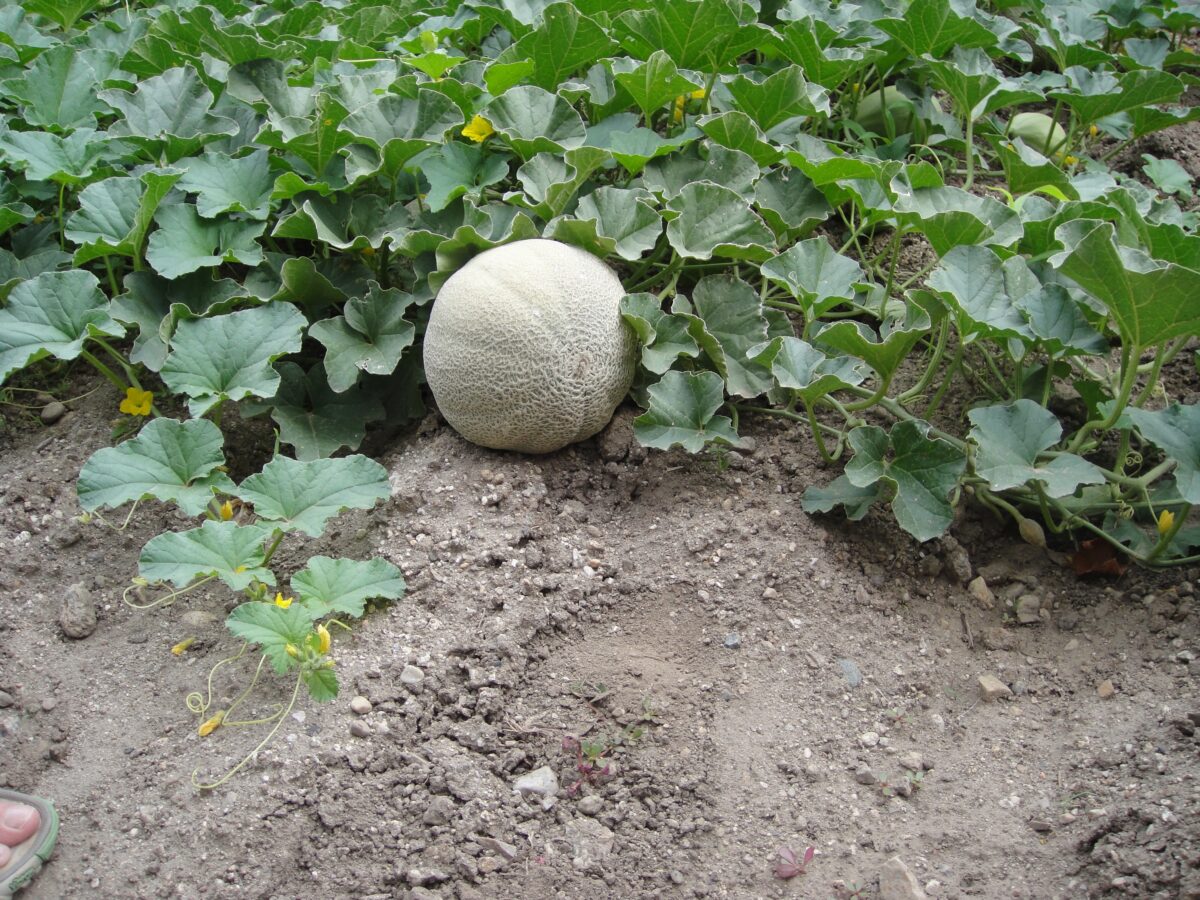
- Fruits and vegetables that have been in contact with the soil carry the risk of E. coli contamination. Pathogens may have been absorbed by the skin of the fruit or vegetable and peeling may not eliminate the risk.
-
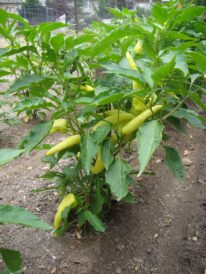
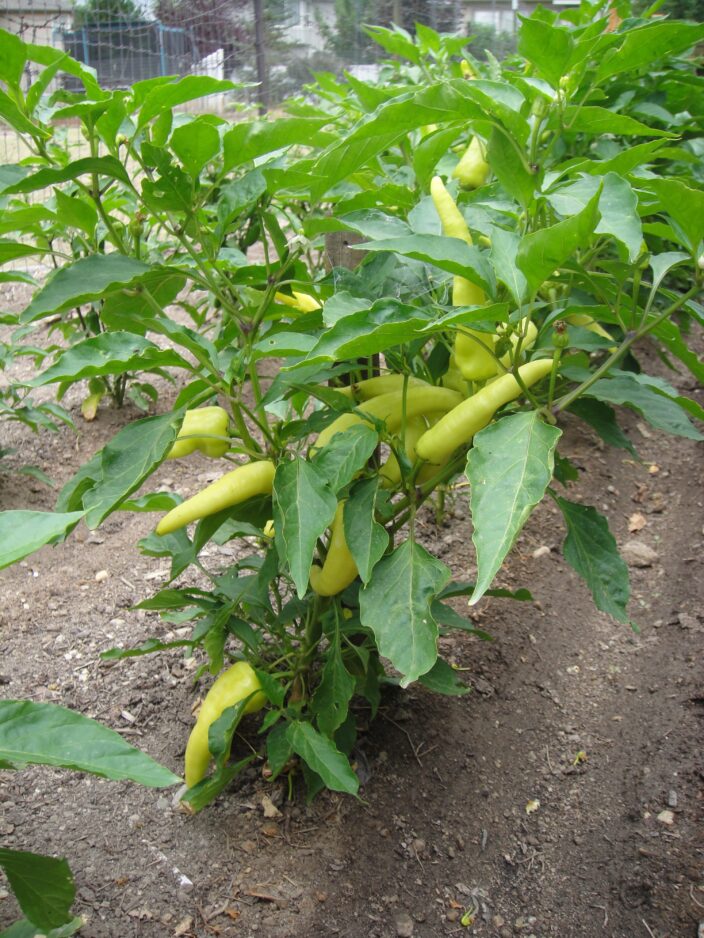
- Even fruits and vegetables that are borne above the soil on plants can present a risk because contaminated soil can be splashed up onto the plant during rain events. The risk of food-borne illness can be eliminated by cooking fruits and vegetables first.
We’ve received many questions about gardening with water that may be contaminated with E. coli bacteria.
I live in Lehi and there are warnings about E. coli in our irrigation water. I use irrigation water for my garden using a pvc pipe/drip water system and for my lawn using sprinklers. What is the risk of e coli affecting the vegetables in my garden and my peach trees? The sprinklers spray the peaches on my peach trees and most likely overspray part of the garden. Should I throw the produce away or can I eat the vegetables and peaches? Can I still bottle my peaches and vegetables?
I have a flourishing garden in Lehi. Can we eat the cucumbers, melons, carrots, potatoes and herbs? I know cooking is the best answer, but what about the melons and cucumbers? What if the skin is removed after washing?
I am concerned about using my blackberries, raspberries, peaches. I have heard that you can rinse them in a Clorox solution; is that correct? I am wondering if freezing them would kill the E. coli? How long do I need to cook the jam to make sure that E. coli is taken care of?
I have a garden in Lehi. Can I start using culinary water for my garden and still eat my produce?
Can E. coli in the irrigation water be absorbed by the root system of the peach and pear tree we have and then contaminate the fruit?
This is a challenging situation. Lehi and some other cities in our county rely on pressurized irrigation (PI) water for landscape use. Water from reservoirs can easily become contaminated with bacteria or parasites that wash into the water from animal waste upstream from the reservoirs. PI water from reservoirs isn’t treated because it isn’t intended for use as drinking water. It’s also not a good choice for backyard recreational activities like slip-n-slides, running through sprinklers, pools, or other water games where water could easily be splashed into mouths and swallowed.
Let’s take a look at some of the specific questions above.
Will freezing kill the E. coli on berries and other fresh fruits? No. Freezing won’t kill E. coli or other harmful bacteria that sometimes contaminate these foods.
How long should I cook my jam to kill all the E. coli? Making cooked jams and jellies requires a much longer cooking time than is needed to kill E. coli.
Will switching to culinary water in your garden help? No. Don’t use culinary water in your landscape. Even if it weren’t such a precious resource in our desert climate, your plants and soils have already been exposed to the PI water.
Can the E. coli in the irrigation water be absorbed by the root system of the peach and pear tree we have and then contaminate the fruit? No. E. coli isn’t taken up by roots and moved into other parts of a plant.
Are my veggies safe to eat if I’ve been using drip irrigation? You’ll still need to take the same precautions as gardeners who’ve been using sprinklers. E. coli has entered the soil along with the PI water. Vegetables that haven’t touched the soil may be clean, or they may have been exposed to E. coli during rain events when water has splashed up from the soil onto the produce.
Will a bleach rinse, or peeling, or thorough rinsing, or washing produce with dishwashing liquid make the produce safe for fresh eating? There isn’t an easy answer for most of these options. Bleach shouldn’t be used on fruits and vegetables. Dishwashing liquid isn’t intended for use on fruits and vegetables, either. Will peeling help? Some fruits and vegetables have more porous or “absorbent” skin than others, and E. coli or other bacteria can sometimes be found below the peel or rind in the flesh of the fruit. We don’t have any research-based information about which vegetables and fruits, if any, could be peeled and safely eaten.
Can I still bottle my produce? Yes. It’s safe to can all your produce. If you’re using a tested, research-based recipe, the heat during processing will kill pathogens on the fruits or vegetables. Wash your hands after filling your jars but before touching any other food products. Freezing may be OK for vegetables that require a longer blanching time if you’ve thoroughly rinsed and then properly blanched your vegetables in small quantities so that the water remains above 160 degrees throughout the blanching time. Wash your hands before you handle the blanched vegetables.
Should I throw all my produce away? You don’t need to throw out all your produce. Anything that can be cooked should be cooked or canned this season. Now that you have a little more information, use your best judgement and your new knowledge to make decisions about the rest of your fruits and vegetables.
Next week, we’ll look at some tips for reducing your risk for problems like this in the future.