Garden Help Desk: Eliminating weeds benefits more than just garden appearance
-
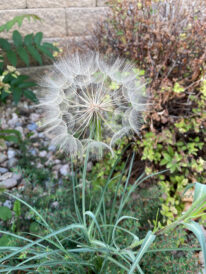
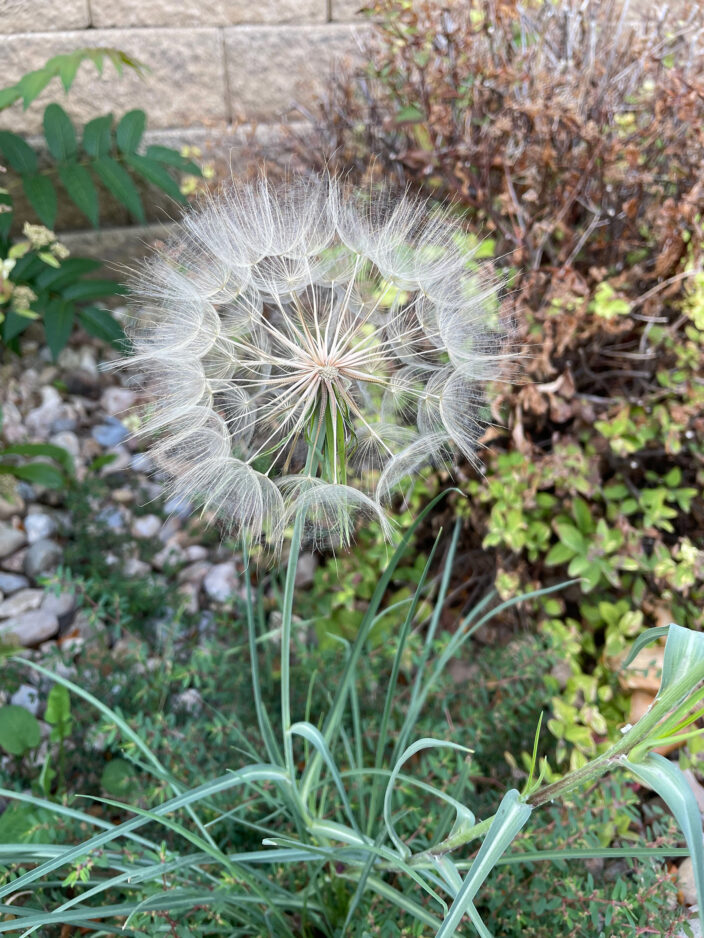
- Prevent weeds from flowering and setting seed. A weed gone to seed can be hours of work the following season.
-
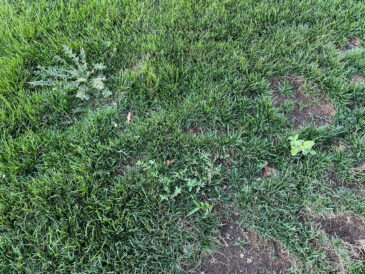
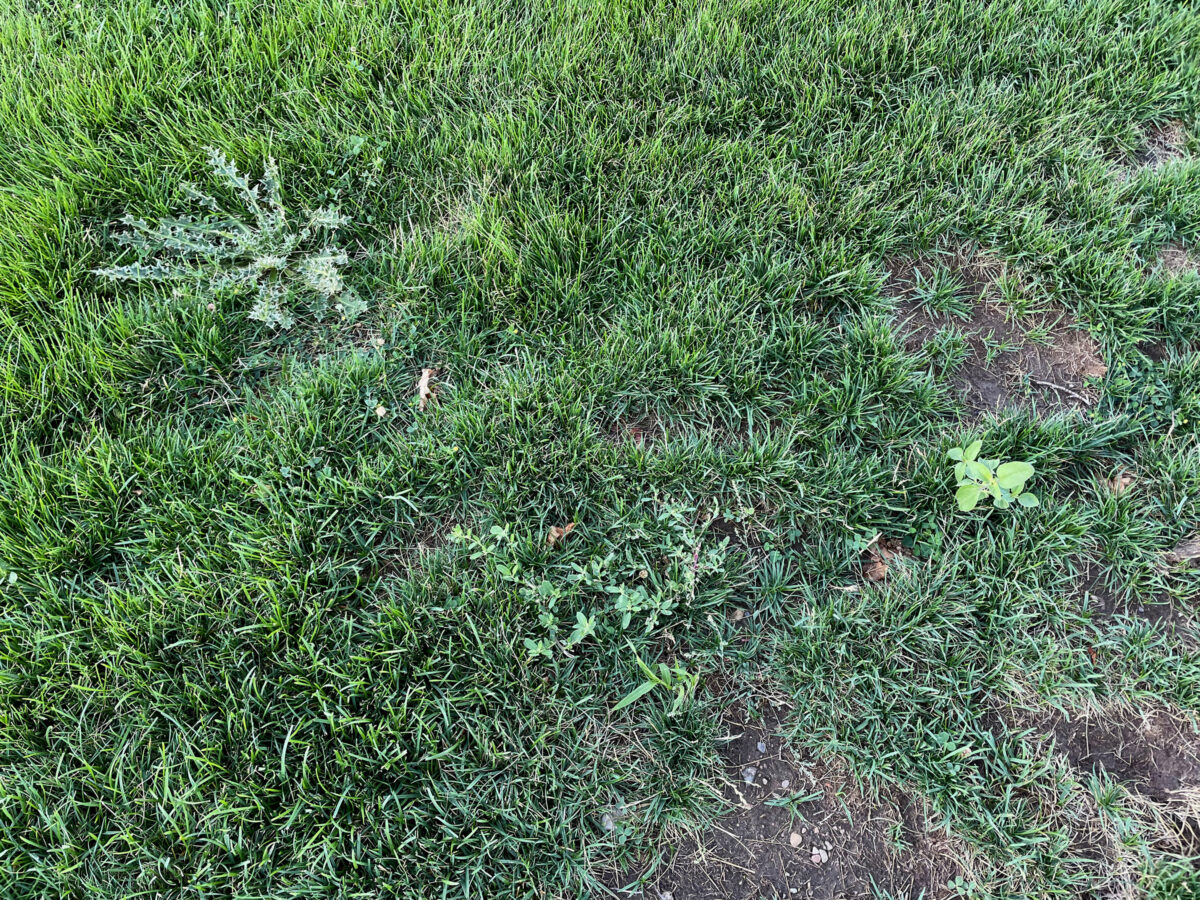
- Weeds can get a foothold wherever there is exposed soil. Maintaining a healthy, dense lawn is an important part of lawn weed control.
-
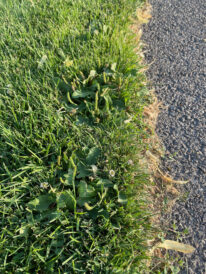
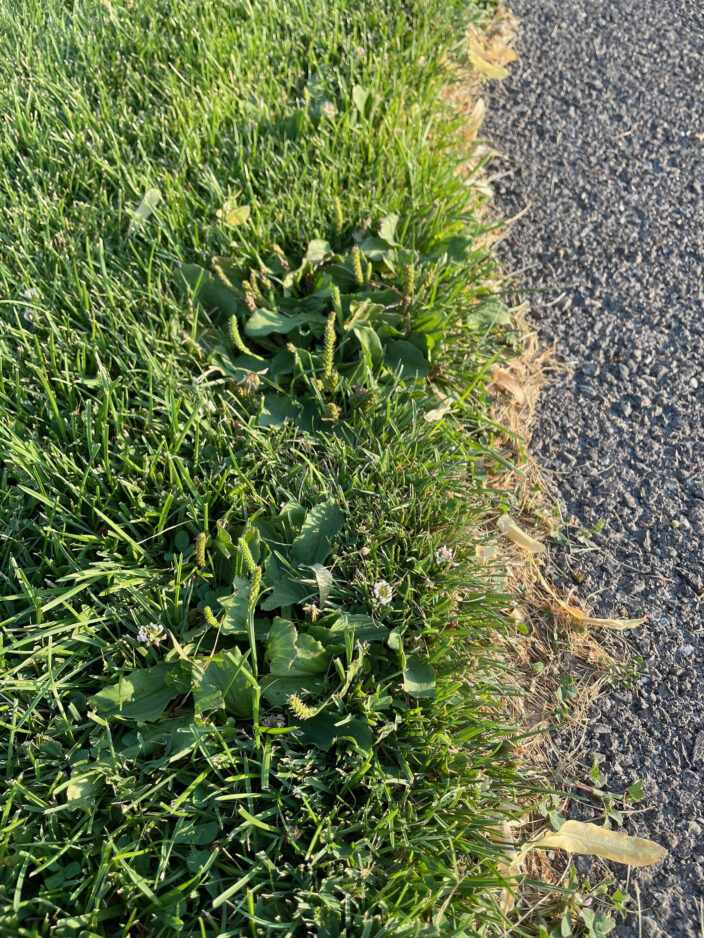
- The edges of lawns are common places where weed problems get their start.
-
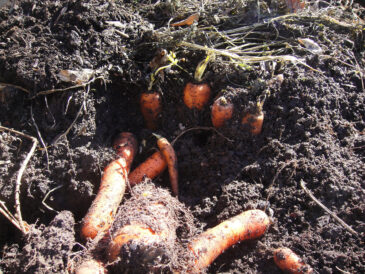
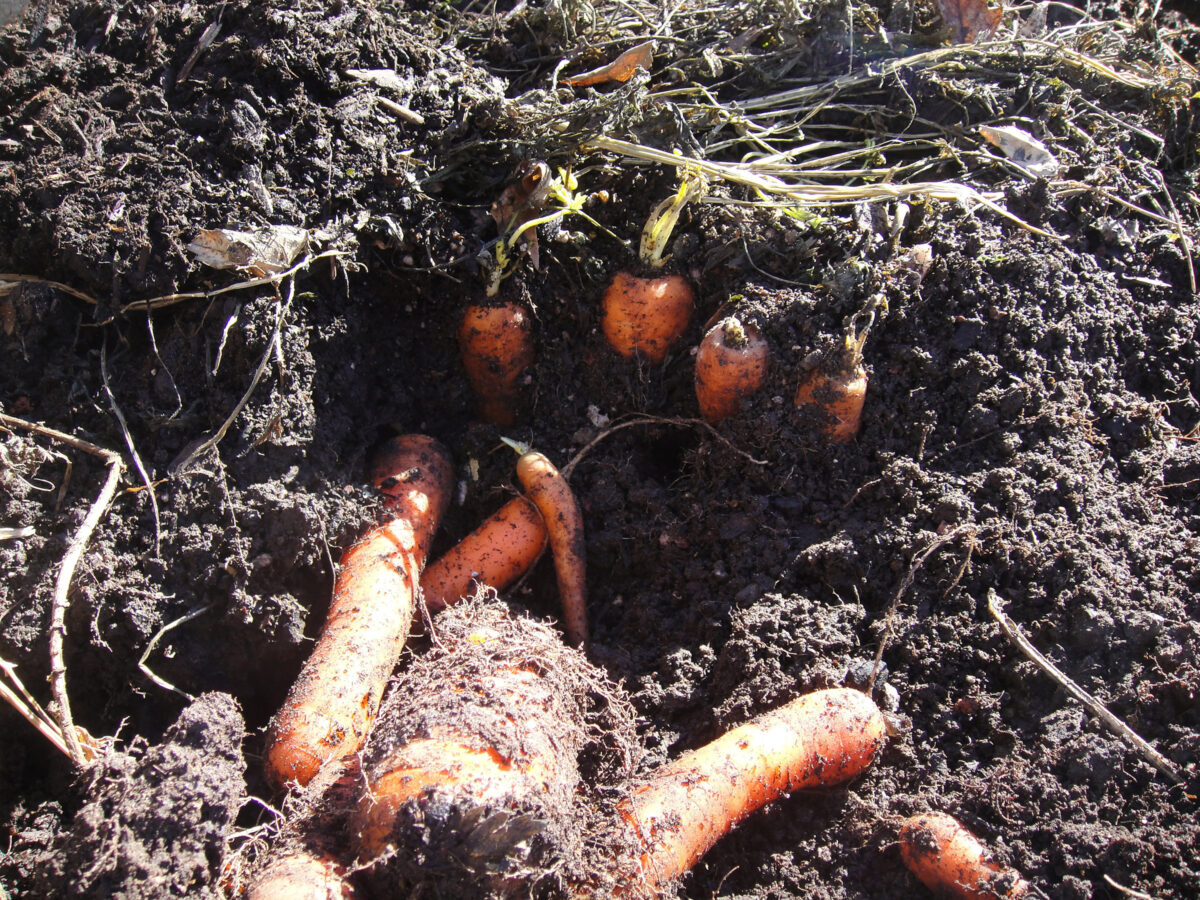
- Some carrot varieties can be planted in the summer, instead of in the spring, for a late fall harvest or for a winter harvest or overwintering. The tops will die back, but the carrots will remain crisp and delicious.
-
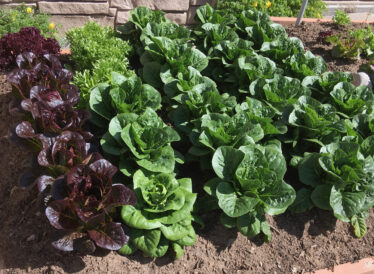
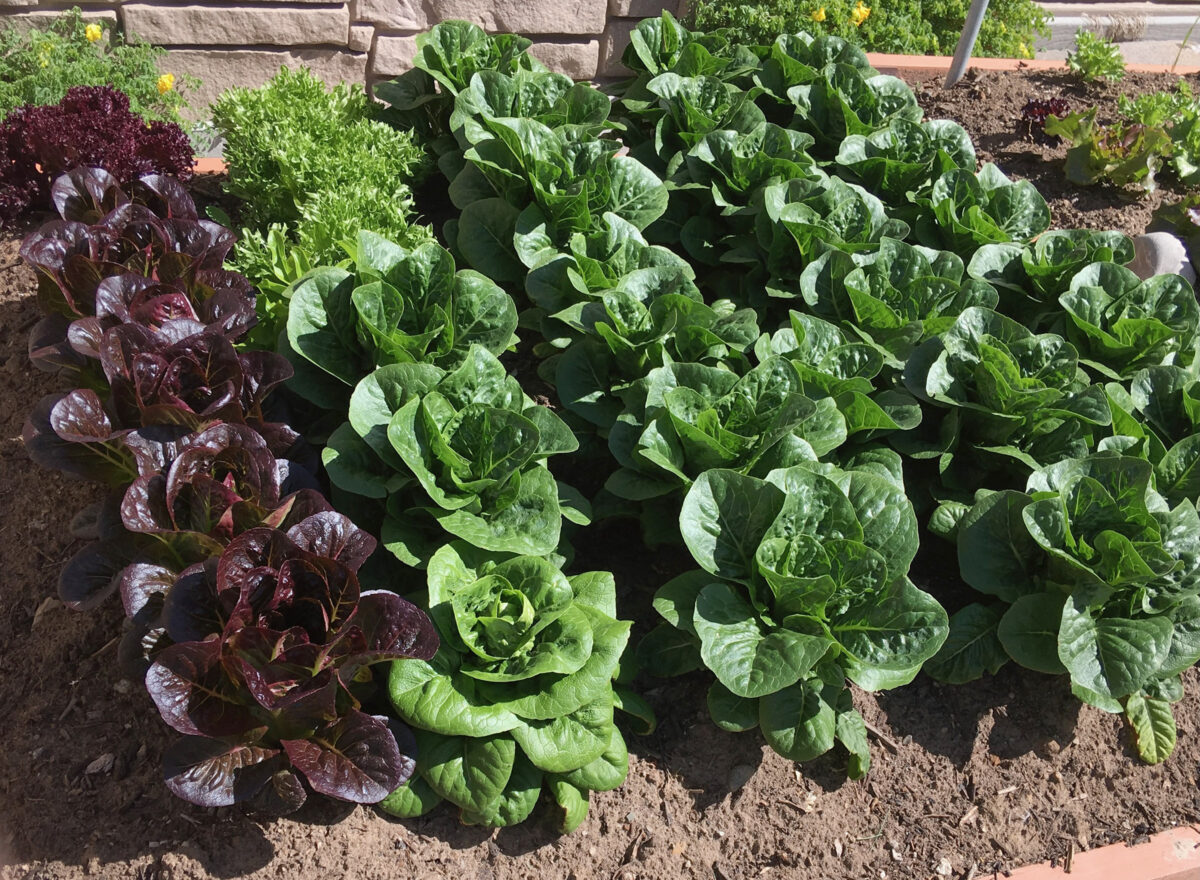
- Lettuce can be planted in mid- to late summer for a fall harvest. Lettuce does well in cool weather and isn’t bothered by a light frost.
I’ve been trying to do weed control this year without using weed killers. It was OK for a while, but now I can’t keep up with the weeds. I’m ready to just ignore the weeds and accept a messy-looking yard if there aren’t any easier ways to deal with weeds.
You’ve probably heard someone comment that a weed is just an ordinary plant growing in the wrong place, but when the “wrong place” is your yard or garden, those weeds are more than an aesthetic problem. They may be just plants that are growing where we don’t want them to grow, but having weeds does make a difference to our landscape and vegetable plants.
There are two good reasons for keeping weeds under control in your landscape.
First, weeds are often hosts for pests that can move to your garden and landscape plants once their weedy hosts begin to dry out in the summer. Weeds can also become a reservoir for diseases that affect your desirable plants.
Reducing competition for resources is a second reason to control weeds. Weeds need the same resources — water, sunlight and soil nutrients — that your garden and landscape plants need. If you let weeds get out of control, there will be fewer resources for your plants.
You don’t need to stress about keeping your landscape and garden completely weed-free, but you should try to keep weeds to a minimum so that your plants can be healthier and more productive.
Preventing weeds is usually a lot less work that getting rid of weeds later. You can use preemergent herbicides in the spring to reduce the number of annual weeds in your landscape by inhibiting seed germination. You can also use postemergent weed killers in the spring or fall for perennial weeds in your lawn and shrub beds.
There are also several effective strategies you can use to reduce weeds and weeding chores in your garden or landscape if you don’t want to use chemical controls.
- Give your lawn good care to encourage a dense stand of grass that can crowd out and shade weeds and their seeds.
- Don’t let weeds flower and go to seed. A weed gone to seed is dozens of weeds the following year.
- Use drip irrigation wherever it’s practical so you water only your plants, not the weeds.
- Keep exposed soil covered with some kind of mulch or compost to block sunlight from reaching weed seeds.
- Disturb the soil as little as possible when planting or weeding so you don’t bring weeds seeds up into the light.
Is it too early to plant vegetables for fall harvest?
We’re actually a few weeks into the planting season for vegetables that can be harvested in the fall. There are several veggies you can still plant now and others to plant over the next few weeks.
Cabbages should have been planted by now, but you have nothing to lose by giving them a try. Beets, kale, lettuce and spinach can be planted during the next few weeks. Some pea varieties can also be planted at this time.
When planting a fall garden, check the “days to harvest” on your seed packets. Use that information plus your calendar to count back from our average first frost date to find your planting dates for those vegetables. The average first frost date for Utah County is Oct. 15, but different areas of the county may have a frost a week or more earlier or later than that. Once you know your planting date, add about a week to your schedule to give yourself some “frost insurance.”
For vegetables that will be harvested over the course of a week or two, like peas, you’ll want to add several more days to your schedule so that you can harvest more than once.
Vegetables like kale, spinach and lettuce don’t mind a little frost. Beets and carrots can be left in the ground clear into the winter, protected by mulch, row cover, cardboard or something similar, and harvested whenever the garden soil isn’t frozen.