Garden Help Desk: Multiple methods for protecting tender plants from winter’s cold
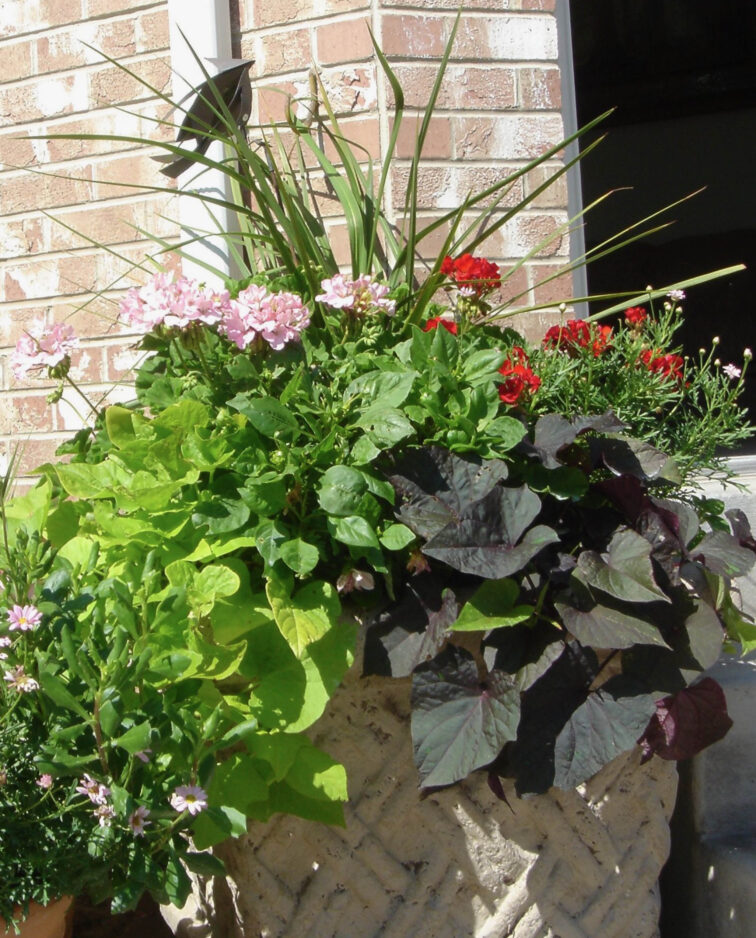
-
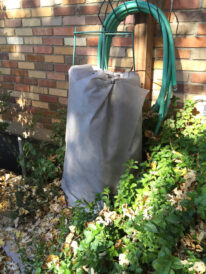
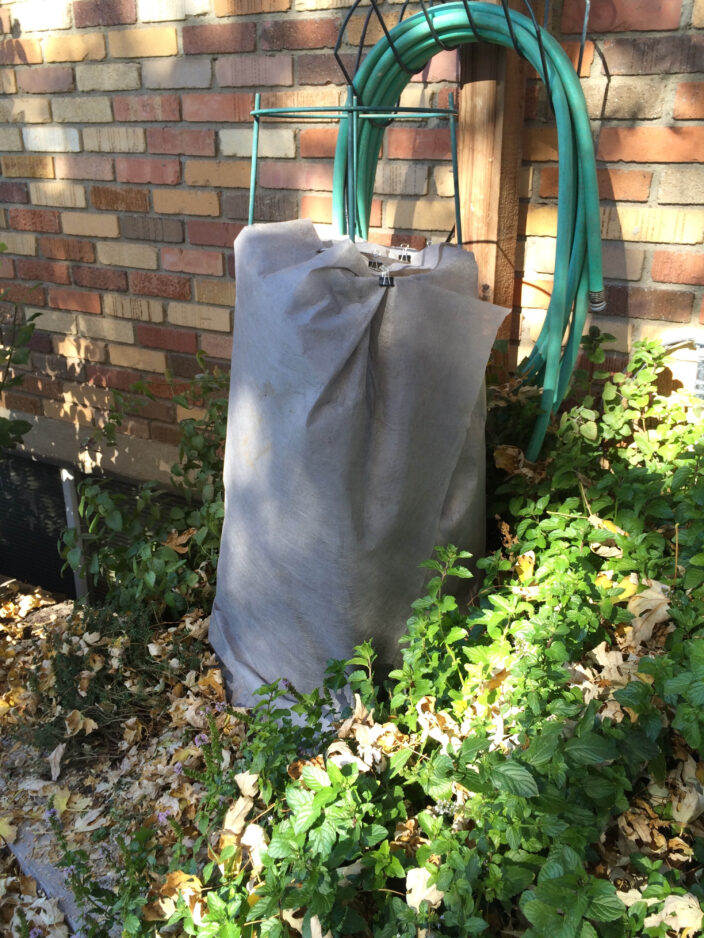
- Some perennials that are just a bit too tender for our hardiness zone can be kept in the landscape with winter protection like a wrap of weed mat, burlap or floating row cover filled with autumn leaves.
-
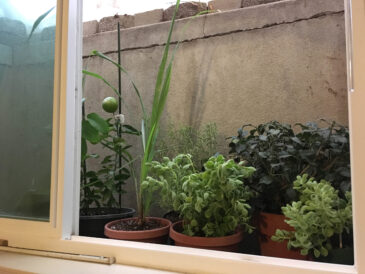
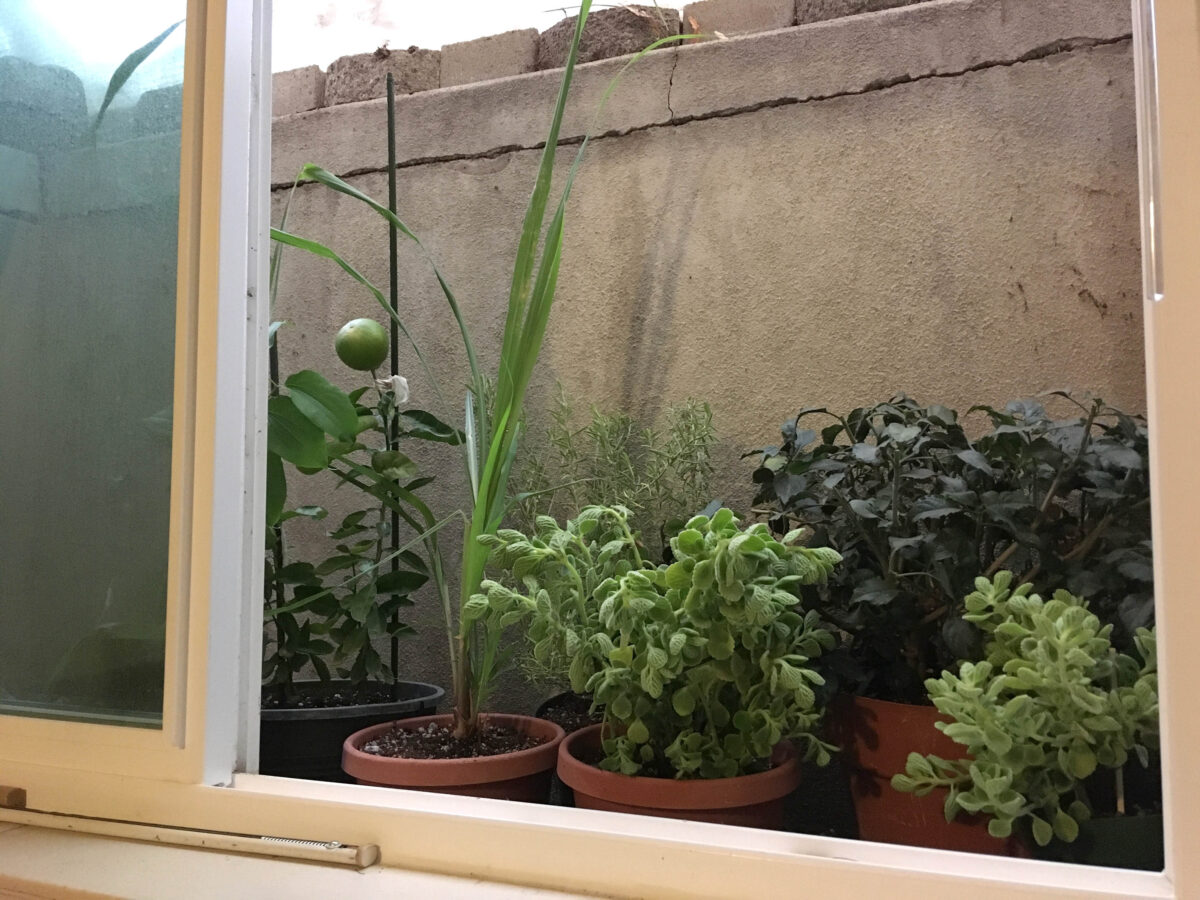
- A protected window well is one place where tender perennials can spend the winter. Perennial herbs can also be kept this way for easy access and use during the winter. Plants overwintered like this will need to be watered occasionally if they aren’t completely dormant.
-
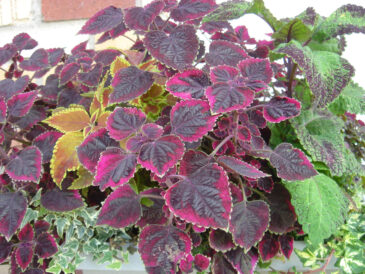
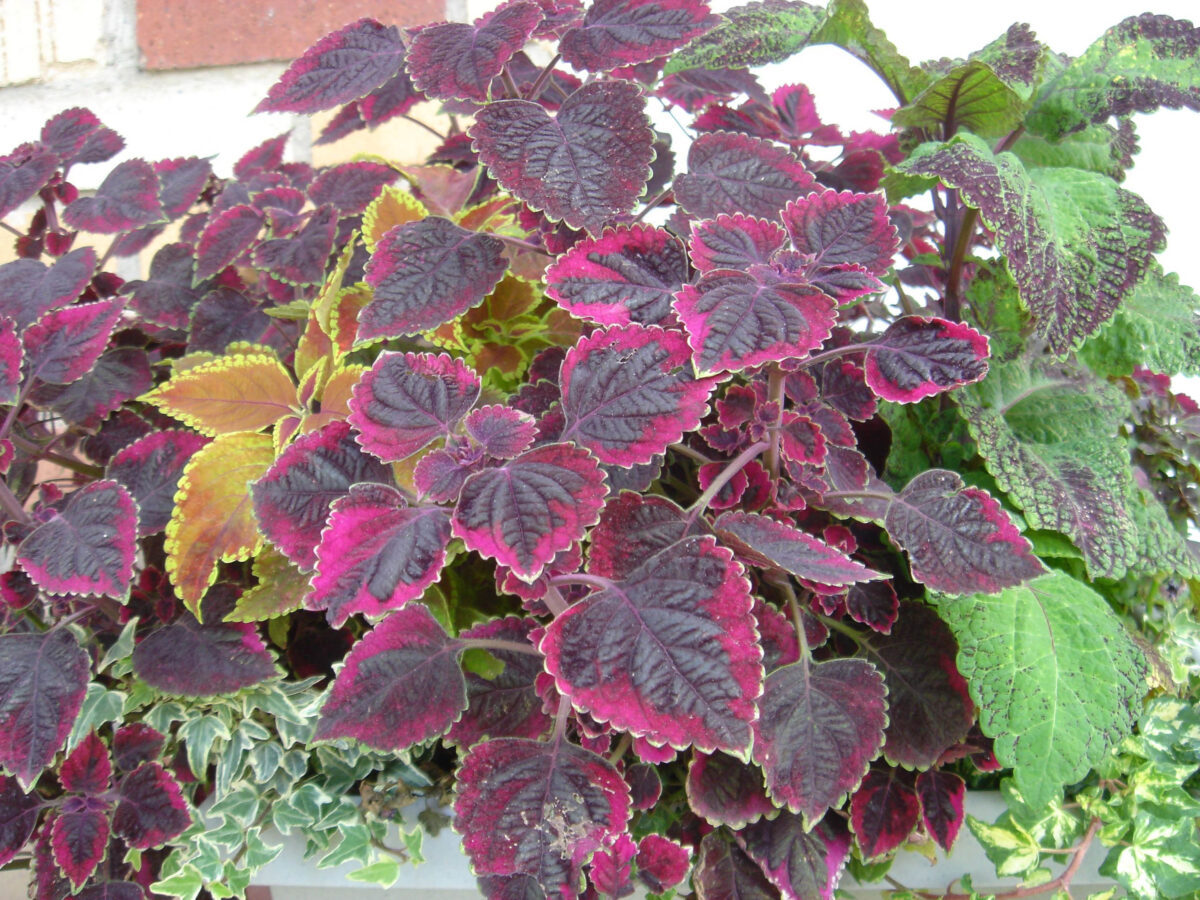
- Coleus comes in a variety of shapes, sizes and colors, but cuttings from all these varieties and many other popular plants will root easily in a glass of water.
-
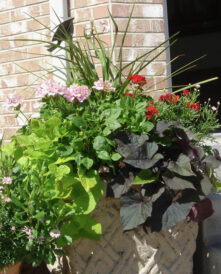
- Sweet potato vine is very tender and is easily damaged by cold temperatures below 50 degrees, but it can be easily rooted in a glass of water or simply cut back part way to control its size during a winter indoors. Geraniums can also be cut back or kept as rooted cuttings over the winter.
I had a few container plants on my patio this summer and some half-hardy sun lovers that won’t overwinter here outdoors. I brought my houseplants in when the nights started getting cold and finally brought in my herbs and less tender plants when frost was in the forecast. Some are a little large for my house. Should I cut them back? Crowd them into my kitchen? Put them in my garage? Is there a best way to keep them so that I can take them back outdoors next year?
You’ve already brought your plants indoors, but ideally, any plants should be carefully inspected for pests like aphids, scale, mites or mealybugs before coming into the house. Remove these pests with strong sprays of water and treat any stragglers with insecticidal soap or alcohol swabs. A systemic insecticide labeled for indoor use is another option. It’s a good idea to recheck your plants every few weeks.
The best method for keeping your plants over the winter will depend on what kind of plants they are. A garage might be too cold for tender tropical plants but perfect for half-hardy plants that only need to stay above freezing.
Even though you didn’t mention what kind of plants you have, I’m going to assume that your patio plants weren’t sun lovers since you had them in a shady spot. They may do fine indoors near a bright window, but not one with direct sun.
Some shade-loving plants like pothos, plectranthus or coleus tolerate cutting back as long as they haven’t gotten too woody. Cut back the stems part-way, but make sure there are at least a few leaves on each stem. You should see new branching at the base of those leaves after several days.
Container grown sun lovers like geraniums, rosemary and sweet potato vine also tolerate some cutting back. Keep in mind that if you cut a plant back, it won’t be using quite as much water until there is plenty of new growth. It will be important to always check the soil moisture before watering.
Cuttings from any of those plants will root very easily, so you can also try rooting and planting some cuttings instead of keeping the plants. You can cut off several inches of stems, each containing a few leaves, remove the lowest leaves and pop the stems into a glass of water. Many species root easily this way. Even rosemary stems will root this way if you’re patient, although rosemary is a bit hardier and can do well in chilly, protected space.
Once you have several roots on your stems, you can plant them in smaller containers. Discarding your original plants once your cuttings have rooted and been potted will give you smaller plants to take care of during the winter.
Some plants need a little extra attention before they’ll root. You may need to dip the ends of your cuttings in a rooting hormone and stick them in moist perlite to get them to root. Loosely cover the container of stems and perlite with a plastic bag and check for roots after a few weeks.
Half-hardy plants in containers may simply need to be relocated to a more protected site outdoors where they’ll remain dormant but not suffer hard freezes. Choose a spot away from wind or low spots where rain or snow melt could collect and cause root rot. Other container plants may need to spend their winter dormancy in a cold indoor location such as a garage or basement window well.
For perennials planted in the landscape that are almost but not quite hardy for our zone, they can be protected with floating row cover, breathable weed barrier, thick mulch or other protection from wind and cold. Check on all your plants frequently, and don’t forget that these plants may need to be watered occasionally.
Once the springtime overnight temperatures are consistently above 50 degrees, you can begin to transition your plants back out into the landscape. Keep an eye on the weather forecast, though, in case your plants need some unexpected frost protection.
Meredith Seaver is a USU Extension horticulture assistant.