Garden Help Desk: Cleaning and traps help solve pantry moth problems
-
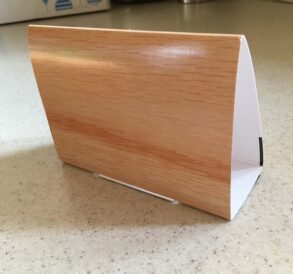
- Most pantry pest traps are small enough (about the height and length of a 3×5 index card) to fit easily onto a pantry shelf without being in the way. These simple traps work well.
-
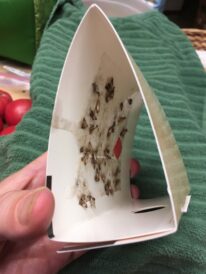
- A pantry pest trap is an easy way to catch the last few moths after inspecting and cleaning out an infested pantry. The moths also make it easy to monitor for new infestations. A fresh trap should be set out once a trap has caught many moths.
-
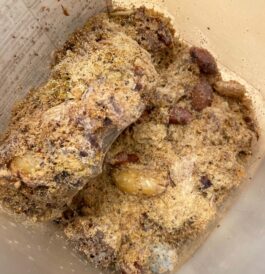
- Indian meal moth larvae will feed on a wide variety of stored food products. Larvae normally leave their food source to pupate in crevasses, corners, etc. These meal moths were in a nearly sealed container of nuts, and some larvae weren’t able to leave before pupating.
-
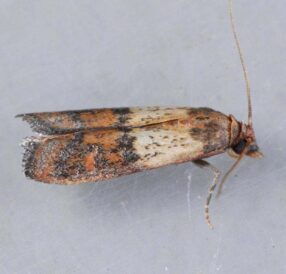
- Adult meal moths are small and light brown in color with darker colored wing tips.
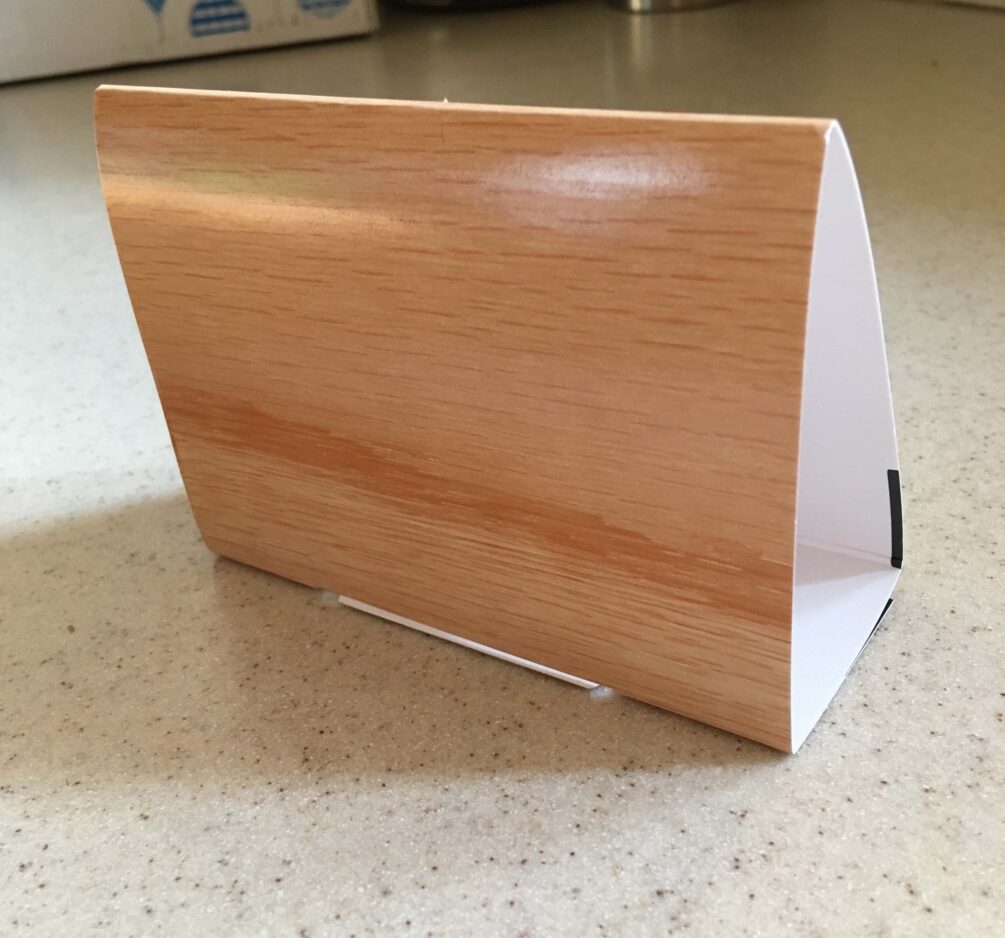
Photo by Meredith Seaver
Most pantry pest traps are small enough (about the height and length of a 3x5 index card) to fit easily onto a pantry shelf without being in the way. These simple traps work well.
For the last few weeks, I have found small (about 3/8 inch) moths in my kitchen, dining room, bathroom, even my bedroom. They have a dark color with lacey wings with fringed edges. I cleaned out every cupboard in kitchen, vacuumed all crevices and holes drilled for shelf placement and washed thoroughly the cupboards and shelves. I threw away food that wasn’t in tightly sealed containers. I did find a few casings from the cocoons of moths and a couple of larvae. The internet encouraged the use of moth traps after I cleaned, but I have a few questions:
Do you have a recommendation for which kind of moth trap? There are MANY kinds available in a price range from a few dollars to $30 and up.
Does more money buy a better trap? How many traps should I use?
It sounds like you could have some Indian meal moths in your pantry. Although there are other pantry moths in Utah, the Indian meal moth is the most common one. They are small, slender and grayish brown in color.
Indian meal moth adults don’t feed on pantry items, but they can lay hundreds of eggs, and the larvae will feed on many of the things that might be in your pantry — baking mixes, flour, pasta, cereal, nuts, dried fruits, spices, chocolate, powdered milk. Damaged and partially used packages are especially prone to infestation. Check everything! Larvae will also feed on dry pet food and bird seed, so you’ll also want to check the areas where you keep items like these.
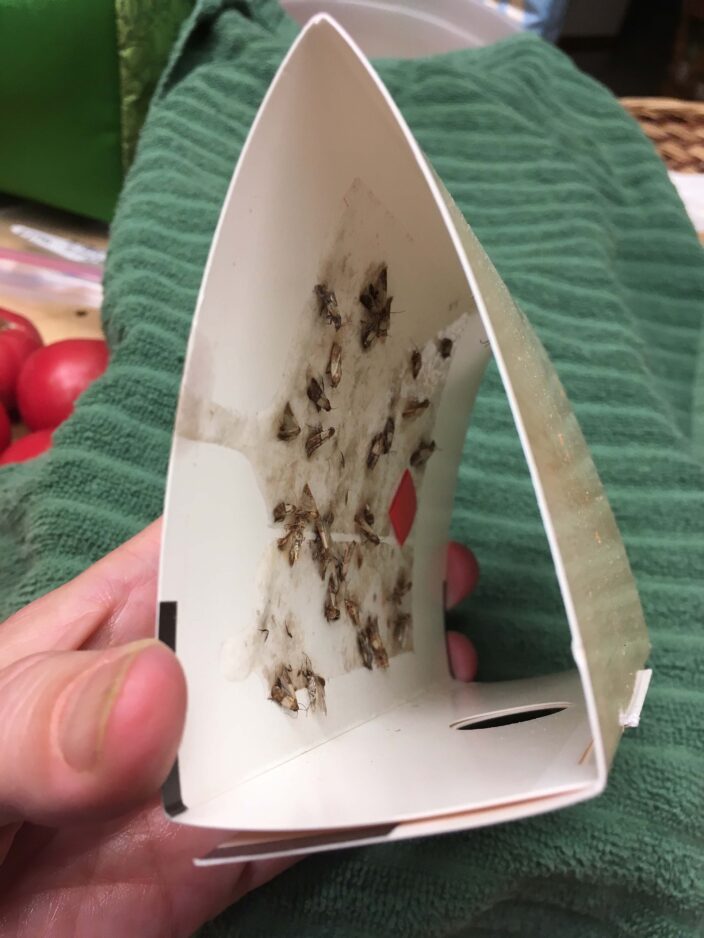
Photo by Meredith Seaver
A pantry pest trap is an easy way to catch the last few moths after inspecting and cleaning out an infested pantry. The moths also make it easy to monitor for new infestations. A fresh trap should be set out once a trap has caught many moths.
Once larvae are ready to pupate, they will leave their food source and find a secluded spot. You might find small cocoons or webbing under package flaps or in a joint or crevasse where shelving meets walls.
As you learned, there isn’t an easy way to get rid of pantry pests, and you’ve done the hardest parts — looking for and disposing of infested items, then cleaning out any spills or other food sources. Dusting or vacuuming the shelves and floor before wiping them down or washing them is an important step in preventing an invisible, edible film from forming on those surfaces.
You can use a baited pantry pest trap to monitor the area once you’re done cleaning. The traps, like the one in today’s photos, are baited with a pheromone that will attract any male moths that may be hiding in the area. Trapping the male stragglers will prevent mating and egg laying. If you catch a lot of moths, swap out the trap for a fresh one.
Once you aren’t catching any more moths, you’ve probably solved the problem. You can keep a trap in your pantry year-round to let you know if meal moths have found their way into kitchen again.
I use pantry pest traps in my own pantry and use the simple ones that I find at local home improvement stores. Nothing fancy, just whatever is available, and I have always had good results. As long as the product has a pheromone bait, it should do the job. One or two traps in the pantry should be enough. Using more traps than that in a single area will make them less effective.
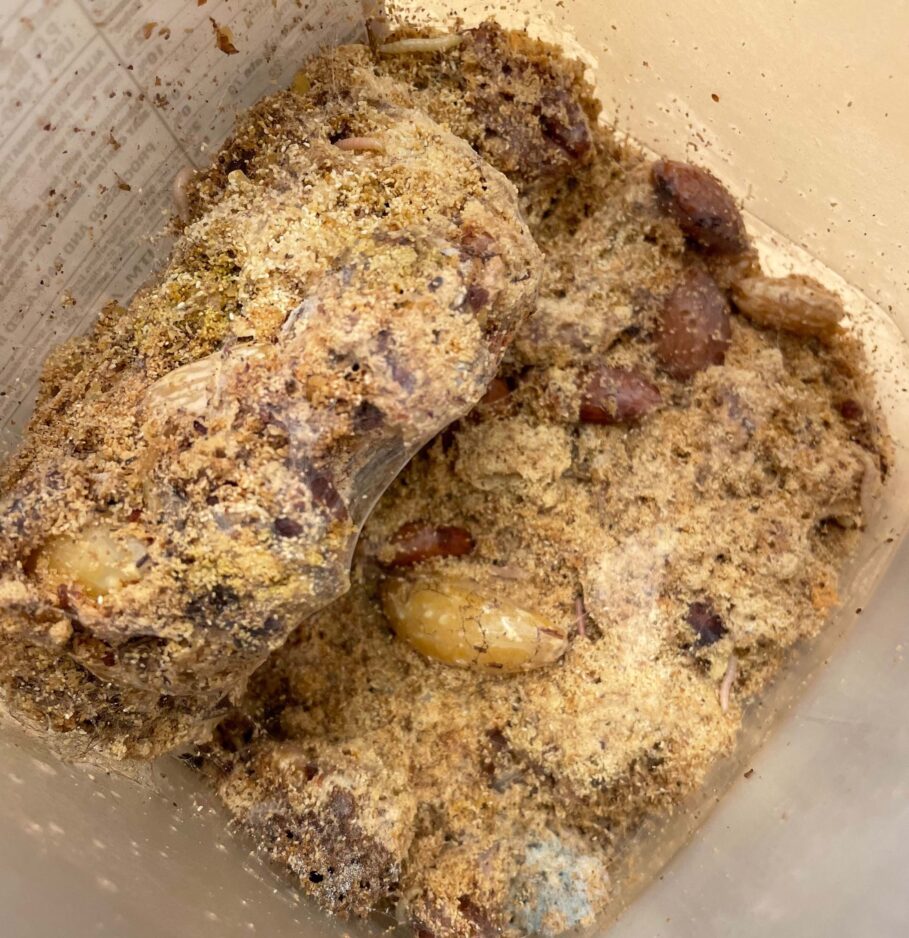
Photo by Meredith Seaver
Indian meal moth larvae will feed on a wide variety of stored food products. Larvae normally leave their food source to pupate in crevasses, corners, etc. These meal moths were in a nearly sealed container of nuts, and some larvae weren’t able to leave before pupating.
I have pantry moths in my kitchen. Again. I had them couple of years ago, got everything cleaned up and didn’t see any more until last month. All at once there were lots of them. I thought I was being so careful!
You’ll need to repeat the steps you took last time to eliminate the infested products and the moths – inspecting carefully and then removing any infested products on your shelves, dusting and cleaning the shelves, and then monitoring with traps.
You feel like this infestation happened suddenly, but it was probably building slowly over several weeks after you brought in an item that looked fine when you purchased it but had moth eggs that went unnoticed during milling or packaging. The eggs hatched, larvae fed, matured and pupated, then emerged as adults that laid more eggs. Soon, there were enough adults to catch your notice.
You can avoid a surprise like this in the future by using pantry pest traps as an “early warning system” on shelves where you store the kinds of foods they like. Check the traps every week or so. If you start catching moths again, make a note of the number of moths you’ve caught each time you check so that you know for sure whether the problem is getting worse. If the number of moths increases quickly, you’ll know you need to inspect the area with the problem trap.
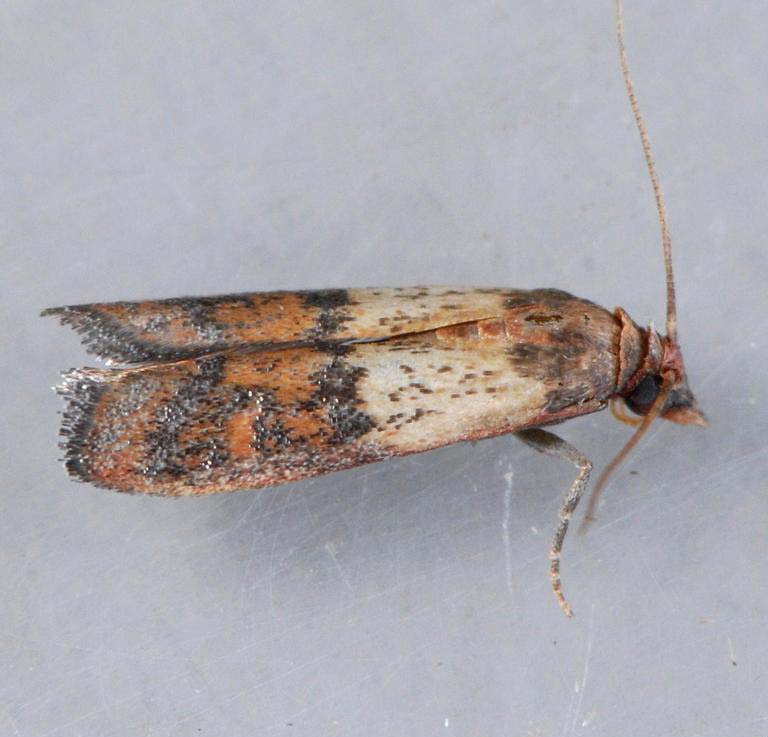
Adult meal moths are small and light brown in color with darker colored wing tips.