Help is out there: Utah Poison Control Center ready to help everyone understand and manage dangers at home
-

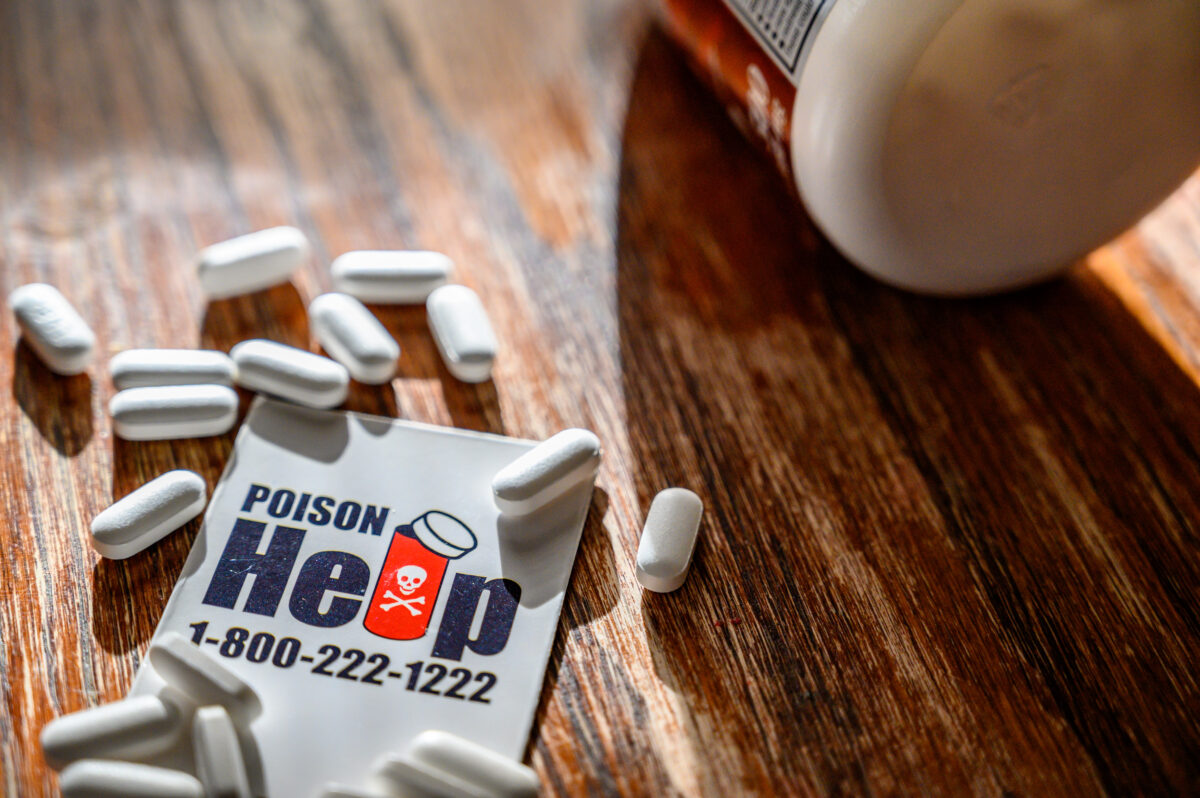
- The Utah Poison Control Center is celebrating its 70th anniversary this year and has been ramping up safety awareness during National Poison Control Week, March 17-23, 2024.
-
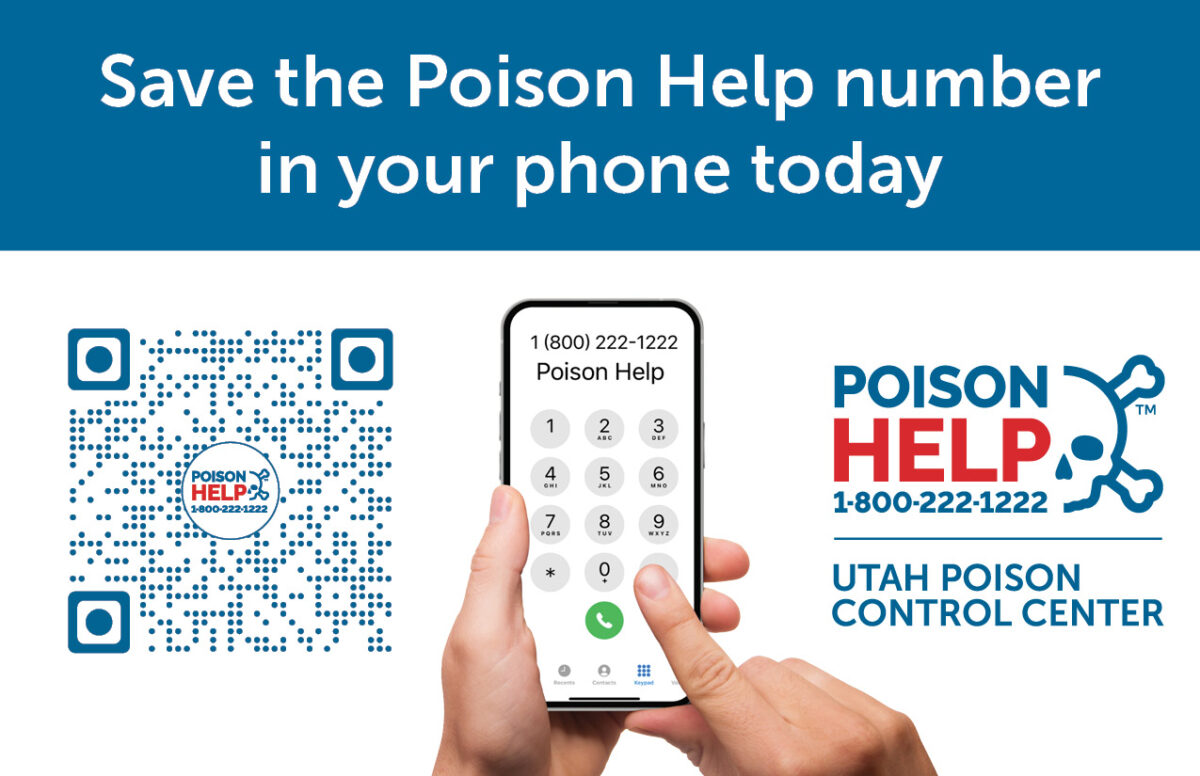
- Contact information for the Utah Poison Control Center.
-
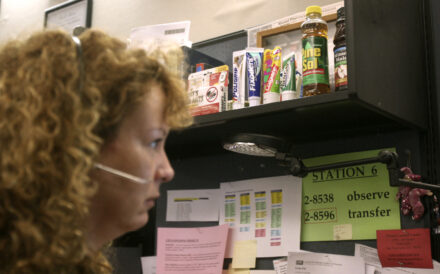
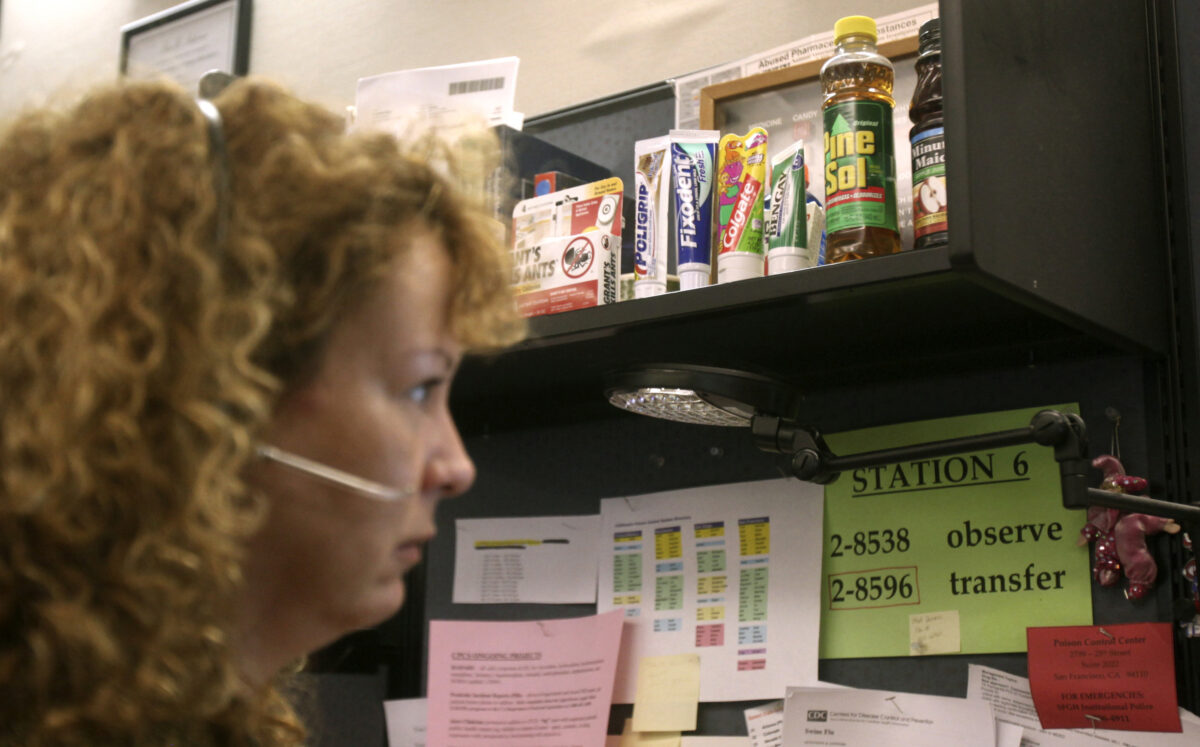
- In this photo taken on June 9, 2009, Poison Information provider Charlene Doss answers a call at the California Poison Control Center in San Francisco.
-
- Contact information for the Utah Poison Control Center.
It’s impossible to avoid danger, even at home.
Our houses may be our places of refuge but inside they often have toxic chemicals, medicines, dietary substances, insects and other potentially harmful objects.
But while the risks are real, so is the support that is available — free of charge, 24 hours a day, seven days a week, 52 weeks a year.
The most important message that the Utah Poison Control Center wants you to know is that their experts are there and ready to help in any way they can.
“When you call, you are in great hands,” said Sherrie Pace, Outreach Education Manager at the Utah Poison Control Center, which is located in Salt Lake City.
Pace said that the center gets approximately 40,000 calls per year. The 2024 annual report said the calls address “possible poison exposures, bug bites and stings, prescription drug reactions, contact with toxic plants and hazardous chemicals, and many other topics.”
To answer those concerns, the center has specialists always on hand who are prepared to respond and give guidance.
“We actually have pharmacists and nurses that answer the phones,” she said. “Not everybody realizes it, but they’re health care professionals. We also have toxicologists on call, 24/7 as well, for the more difficult cases.”
Half of the calls are regarding issues with children under 6-years-old, but Pace said the inquiries come from a wide range of individuals and deal with a wide range of concerns.
“It can be kids getting into cleaners and medications and things or a teen that had too many energy drinks or food poisoning with adults,” Pace said. “With our older adults, they sometimes will have adverse reactions to medications, or accidentally double dose on medicines. We address anything that that could be harmful that gets in the body through swallowing it, breathing it in, getting it on your skin or in your eyes.”
Even with such a diversity of calls, the center has the expertise to help those who reach out to understand the issue and the attention it requires.
“We are able to manage about 75% of our calls without sending you to a health care facility,” Pace said. “That means that’s going to save you a lot of time, money, and the stress of going to an emergency room. That’s another really great benefit of calling us.”
The report had a graphic that said: “Every $1 invested in the Utah Poison Control Center saves $13-$15 in healthcare costs,” indicating just how much of a difference having the poison control center is to the general public.
Pace said that the women and men who answer the calls and help out those seeking guidance find it to be challenging but rewarding work.
“Our specialists who answer the phones say there is that pressure and sometimes it can be stressful, but it’s so rewarding for them to help people,” Pace said. “They do things like calming down a scared parent and help them through a poisoning with their child, just putting their mind at ease and helping them through these situations. They feel at the end of the day like they’ve made a difference.”
Here are some of the tips that the Utah Poison Control Center want people to keep in mind when dealing with potential dangers:
1. Store things out of sight and out of reach of little kids.
Pace acknowledged that youngsters can be quite ingenious when getting into things they shouldn’t, so the goal should be to limit both access and knowledge.
“If they can see it, they can they can climb and they can get to it,” Pace said. “Then we have a problem.”
2. Keep products in their original containers.
It may seem convenient to put cleaning supplies or other chemicals in different containers, but that can lead to confusion and increased risk of exposure.
“We get calls frequently from people who pour a cleaner in a glass or some other sort of a bottle, thinking it’s easier to manage in their cleaning or in their in the garage,” Pace said. “Then someone comes along, doesn’t realize what it is, and then they’re they drink it or something like that. Just really being aware of where things are stored and how we’re handling those things can really go a long way to preventing poisonings.”
3. Follow medication directions carefully.
Misuse or incorrect dosage of medications can turn a helpful product into a dangerous one.
“We recommend making sure you are following the directions on the label carefully, that you are using the correct doses,” Pace said. “Ask your doctor or call us if you have questions. It doesn’t have to be a poison emergency to call. It’s like you have an on-call pharmacist available around the clock.”
4. Get information from trusted sources.
It’s not unusual for people to turn to the internet for advice when unsure what to do, but Pace said that is often more damaging than helpful.
“If you start searching around on the internet for answers, you’re going to find all kinds of things,” she said. “This could be information that is actually dangerous and can make things worse. We just say pick up the phone and give us a call. We’ll help you through your situation that’s very individual to to you and and your your specific poison exposure.”
5. Save the number for the Utah Poison Control Center (1-800-222-1222) in your contacts list.
In an emergency, you may not have time or the ability to hunt for the number to reach the poison control center, which is why they urge everyone to have it saved.
“That way you always have us at your fingertips, no matter where you are, even if you’re traveling or out doing errands or whatever,” Pace said. “If there’s something that happens, you can always get a hold of us really quickly if you have that saved.”
She wants everyone to know that resources are there to help, no matter the severity of the situation.
“You might not know if something that happened is a problem or not,” she said. “We can help you understand that it’s going to be fine. We can provide treatment advice or if you need to go to the hospital. Usually it’s not a big deal and then you can have peace of mind instead of worrying about it all night.
“If there is a problem, though, we’ll get you the help you need. We’ll tell you what to do next and let the hospital know you are coming as well as what happened. We’re going to partner with the physicians to help manage the poison patient’s situation. There are so many advantages to calling and really no disadvantages. We just want to do what is best for everyone.”
For more information on the resource available at the Utah Poison Control Center, go to poisoncontrol.utah.edu.
Info box
Top 10 substance categories for the Utah Poison Control Center in 2024 (all ages)
1. Analgesics (Pain Medications) 5,460 13.8%
2. Household Cleaning Substances 3,423 8.7%
3. Cosmetics and Personal Care Products 2,668 6.7%
4. Antidepressants 2,660 6.7%
5. Vitamins and Minerals 2,402 6.1%
6. Antihistamines 2,137 5.4%
7. Foreign Bodies, Toys, Misc. 2,129 5.4%
8. Sedatives/Hypnotics/Antipsychotics 1,845 4.7%
9. Dietary Supplements/Herbals/Homeopathic 1,749 4.4%
10. Cardiovascular Drugs 1,660 4.2%
Note: More than one substance was involved in 12.2% of ALL human exposures