
Garden Help Desk: Complete these tasks to prepare for the growing season
-
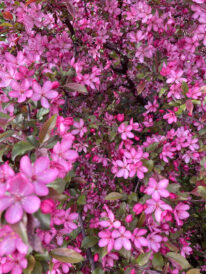
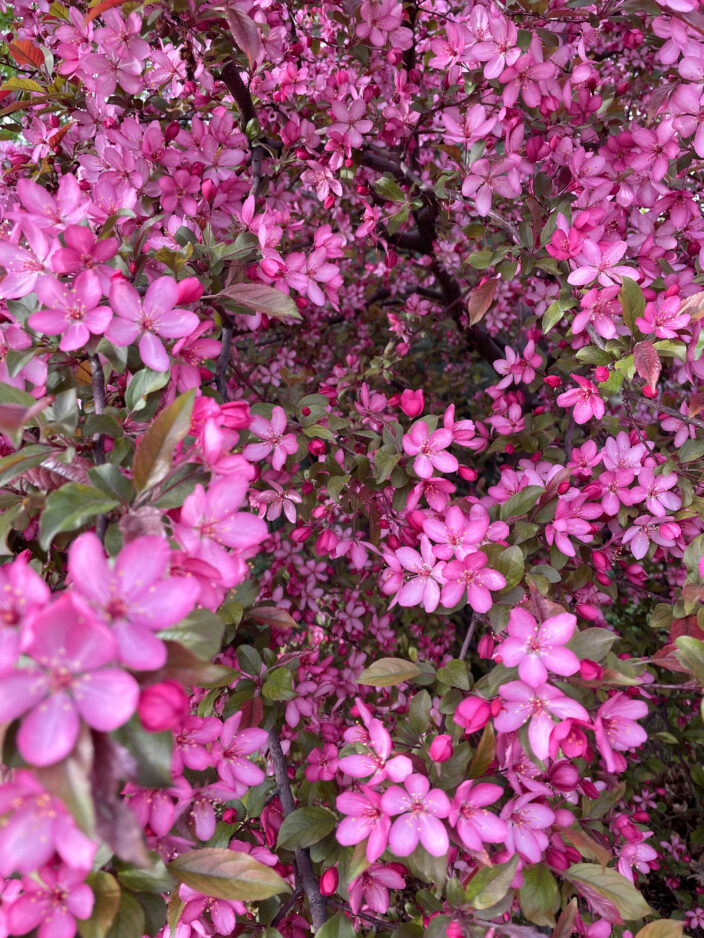
- The blossoms on this crabapple leave behind tiny, dry, persistent fruits that aren’t as messy as some fruits from ornamental flowering trees. For many homeowners it’s a tradeoff between the convenience of cleaning up after their trees and the beauty of the spring blossoms. The right flowing tree makes the choice easier.
-
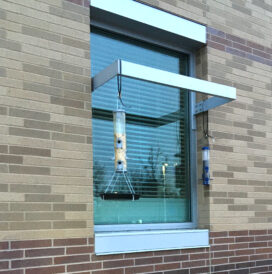
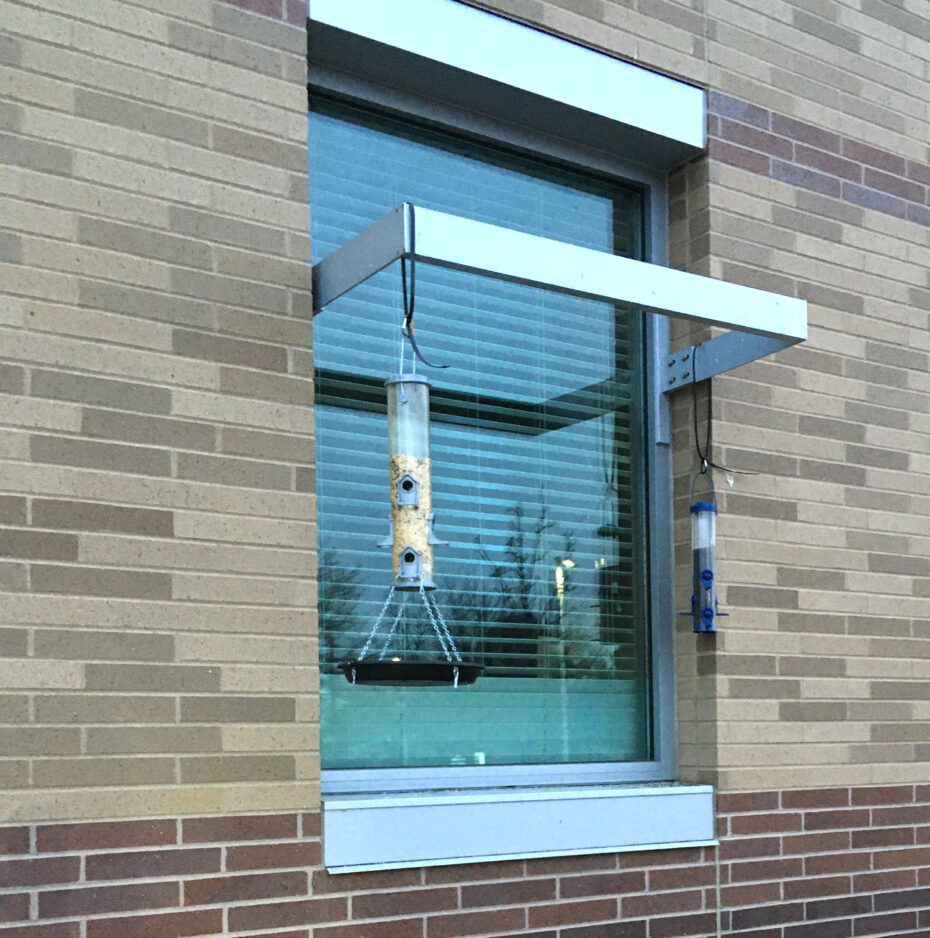
- Local birds benefit from consistent food sources throughout the winter. If you have bird feeders in your landscape, keep them filled into late spring.
-
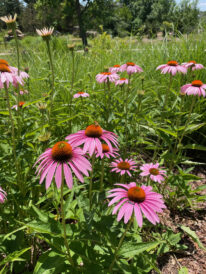
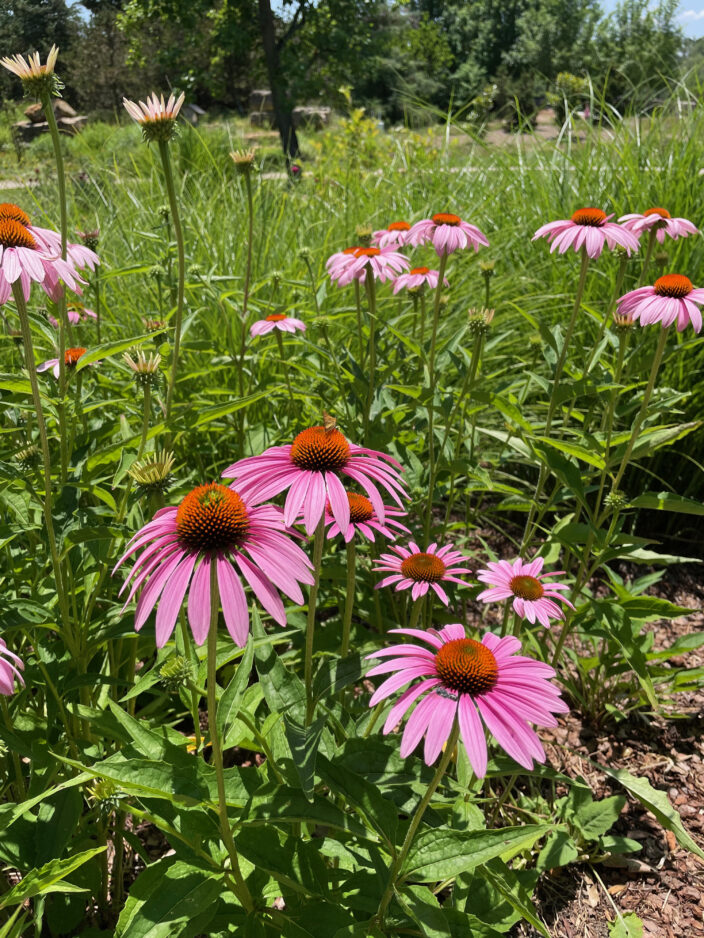
- Echinacea seeds can germinate slowly, making February a good time to get them started.
-
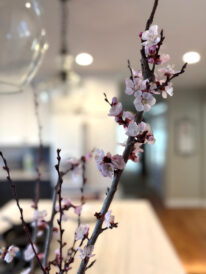
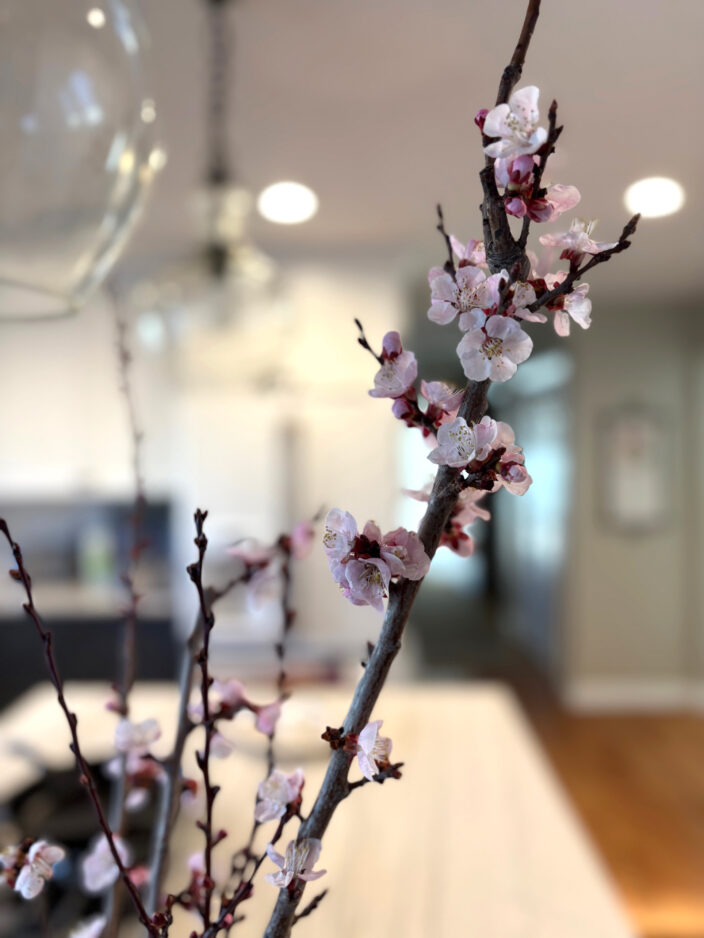
- February is a good time to bring some spring color indoors by displaying some slender branches from flowering trees.
-
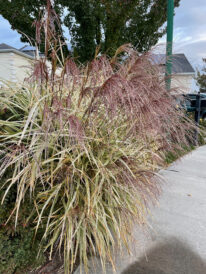
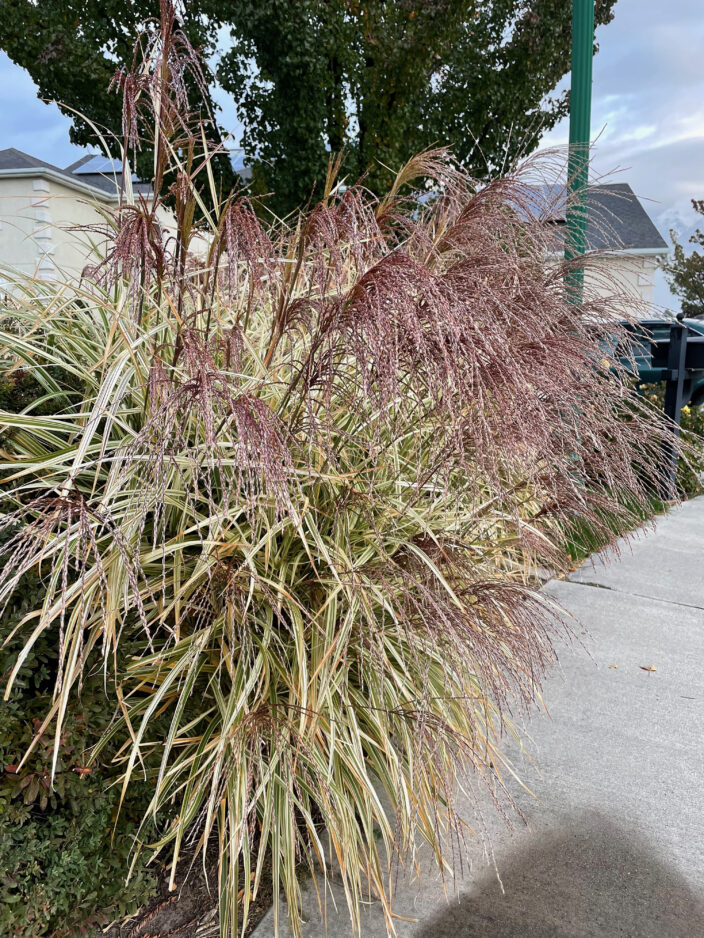
- Many ornamental grasses add interest and beauty to the winter landscape, but by February they often start to break down and lose their good looks.
Spring will be here before we know it. Here are a few tasks to consider doing in February to prepare your garden for its busiest season.
Prune dormant apples, pears and ornamental trees. Hold off on pruning peaches, nectarines, plums and apricots until March. Shrubs that flower on old wood, such as lilac, forsythia and spirea, should not be pruned until after they bloom later this year.
Water evergreens and newer plants to help them survive the dry winter.
Wash and sterilize seed starting trays. They can be soaked in a 10% bleach solution: one part bleach in nine parts water. Thoroughly rinse the trays and let them dry afterwards.
Start cold season crops like broccoli, cabbage and kale or slow-to-germinate perennials like delphinium, yarrow, echinacea and echinops indoors to plant outside later this spring.
Prep your garden beds if they are not too muddy. Trim perennials, clean up refuse and add compost. Avoid working and compacting the soil if it is too wet or soft.
Cut back ornamental grasses. Bundle the grass with tape, string or a bungee cord. Use clippers or a hedge trimmer to trim the bundle about 4 to 5 inches from the ground. The bundle should be easy to dispose of.
Feed the birds. Keep their feeders full because they will come to depend on you for the remaining winter weeks.
Enjoy some early blooms indoors! Force flowering branches such as quince, forsythia and cherry by cutting thin branches at an angle and bringing them inside. Place them in a vessel with water and change the water every few days to keep it clean. The buds will slowly open and reward you with beautiful blossoms.
Elizabeth Binks is a USU Extension horticulture assistant.
Controlling messy flowering pear trees
I have a flowering pear tree that drops little berries and is quite a mess. I’m wondering if there’s something we can spray it with in the spring that will prevent it from producing fruit? Your advice would be appreciated!
The little berries are tiny pears. Some flowering pear cultivars produce messier fruit drop than others. The same is true for crabapples and other ornamental flowering trees. Some flowering trees produce “persistent” fruits that stay on the tree throughout most of the winter, providing food for local birds. The amount of messy fruit, the size of the fruit and whether the fruit is moist or dry depends on the species and cultivar.
There is a systemic growth regulator called ethephon (Monterey Florel, Bayer Proxy and generic Ethephon 2SL are some product names). The growth regulator has a few different uses, and one of those is nuisance fruit elimination. It must be sprayed during bloom as it won’t be effective once there is fruit set. Ethephon won’t completely eliminate fruit set because timing, spray coverage, weather and other factors play a role in its effectiveness, but it should make a noticeable difference.
You can expect the blooms on your tree to drop earlier if you use ethephon. Improper mixing and over application can also result in some leaf drop, so read and follow the label directions carefully.
Meredith Seaver is a USU Extension horticulture assistant.
Home And Garden

Layin’ It on the Line: Why ‘playing it safe’ in retirement can be riskier than you think
Garden Help Desk: Complete these tasks to prepare for the growing season