Garden Help Desk: Tips for winter watering, dormant oil application
-
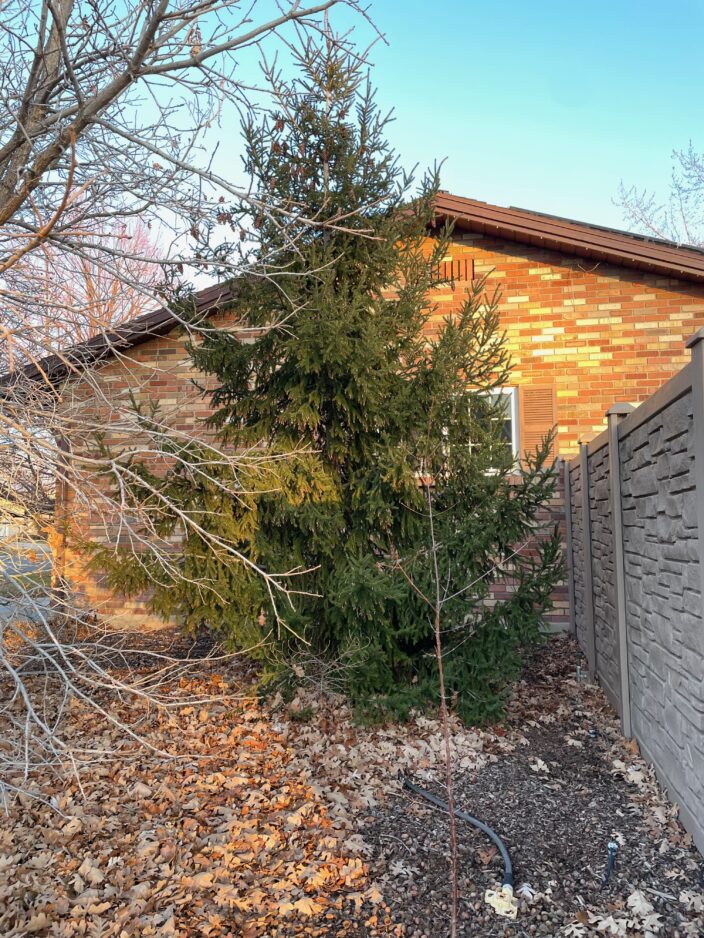
- Evergreens with at least some shelter from winter winds will usually suffer less winter desiccation damage.
-
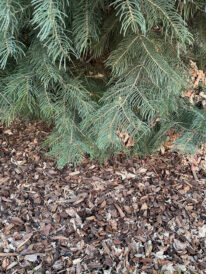
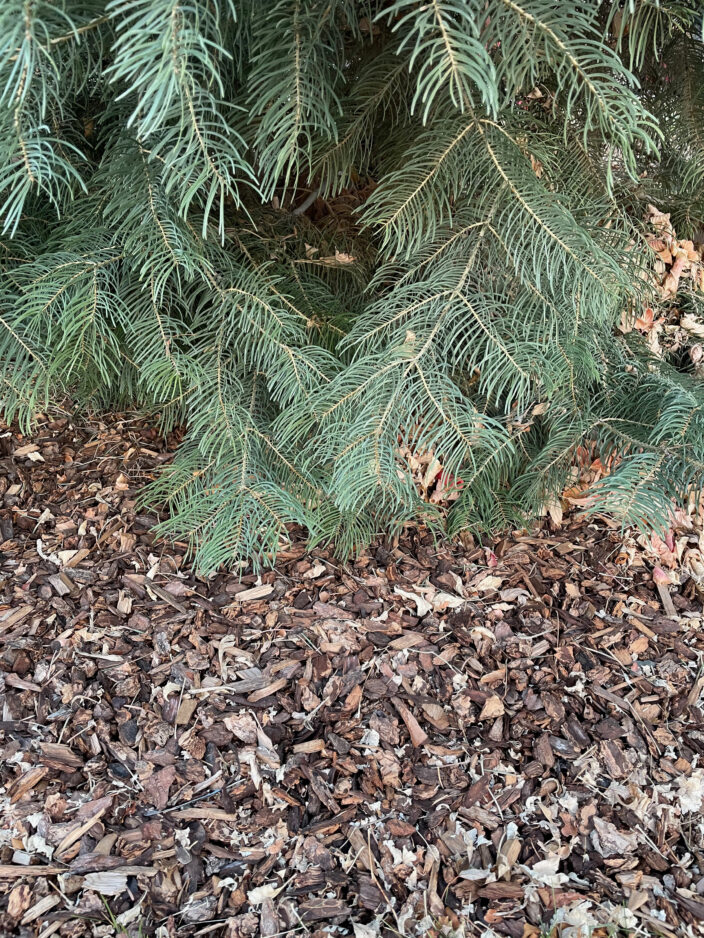
- A thick layer of bark nuggets, or some other mulch, will conserve moisture and insulate the soil, slowing down freezing and making moisture available to evergreens for longer into the season.
How often should I water my trees and shrubs in the winter?
The most precise answer to this question is, “It depends.” There are some factors to consider when deciding whether your trees and shrubs need to be watered.
Are your trees and shrubs deciduous or evergreen? Deciduous woody plants don’t use much water during the winter because they don’t have leaves that need to be maintained. Moisture loss through the bark on branches and twigs is low. Many deciduous trees and shrubs do well without any supplemental irrigation during the winter.
Evergreen trees and shrubs have different needs, though. Our dry winter winds easily draw moisture from their leaves or needles throughout the winter. This is especially true for evergreens that are completely exposed to winds. If the evergreens were drought stressed in the fall or the soil is frozen in the winter, the moisture can’t be replaced and needles or broadleaf evergreen leaves can be damaged.
Also, consider the weather in the fall and early winter. Have temperatures been warmer or colder than usual? Warmer weather can mean your trees need another soak before the soil freezes. Very cold weather may mean your trees are using less water than usual. Was the weather wet or dry? If the weather was wet, no need to water. Snow cover may improve soil moisture and insulate the soil to slow down freezing. Has the weather been very dry? Your trees may need a drink. If you think your trees may need some water, check the soil moisture first. Don’t water if the soil is moist.
To avoid problems over the winter, make sure your trees and shrubs are all well-hydrated at the end of the sprinkler season and the soil is covered with a thick layer of bark nuggets or some other mulch. Also, make the extra effort to give your evergreens a deep soak at the end of November before the soil freezes. That November soak may be your only opportunity to replenish the soil moisture. There is no benefit to watering trees or shrubs if the soil is frozen. If you live in an area where the soil seldom freezes and the weather has been dry, one or two deep soaks over the winter can be helpful.
I think I’m going to be out of town a few times in the spring, and I’m worried I won’t be here when it’s time to spray dormant oil on my fruit trees. Will it still work if I spray in a few weeks before my first trip?
Soft-bodied pests like aphids, mites, peach twig borers, scale and leafrollers overwinter on your trees as eggs, larvae or nymphs. An application of horticultural oil at the right time can suffocate these pests and reduce problems during the growing season. There are also some diseases such as Fire blight, Coryneum blight and apple mildew that can be targeted with spray applications of oils, fungicides or other pesticides during the dormant season.
Instead of spraying in the late winter or very early spring, wait until you see the buds on your tree begin to swell. At that time, problem insects will be increasing their activity and the spray will be most effective.
There’s another reason to wait before spraying. Dormant oil should only be applied if temperatures remain above freezing (ideally above 40°F) for 24 hours after spraying. Freezing temperatures within 24 hours after applying dormant oil can damage your trees. Be patient if the weather forecast isn’t in your favor and wait to apply your oil spray on a clear, calm day with mild temperatures and no rain is expected for at least one day.
Meredith Seaver is a USU Extension horticulture assistant.