Garden Help Desk: Consider the local growing season when choosing plant varieties for this summer’s garden
-
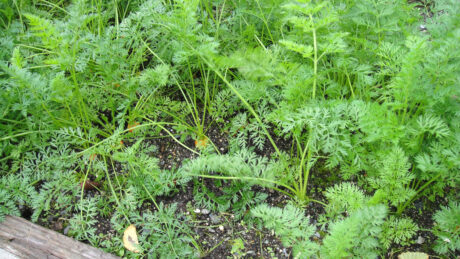
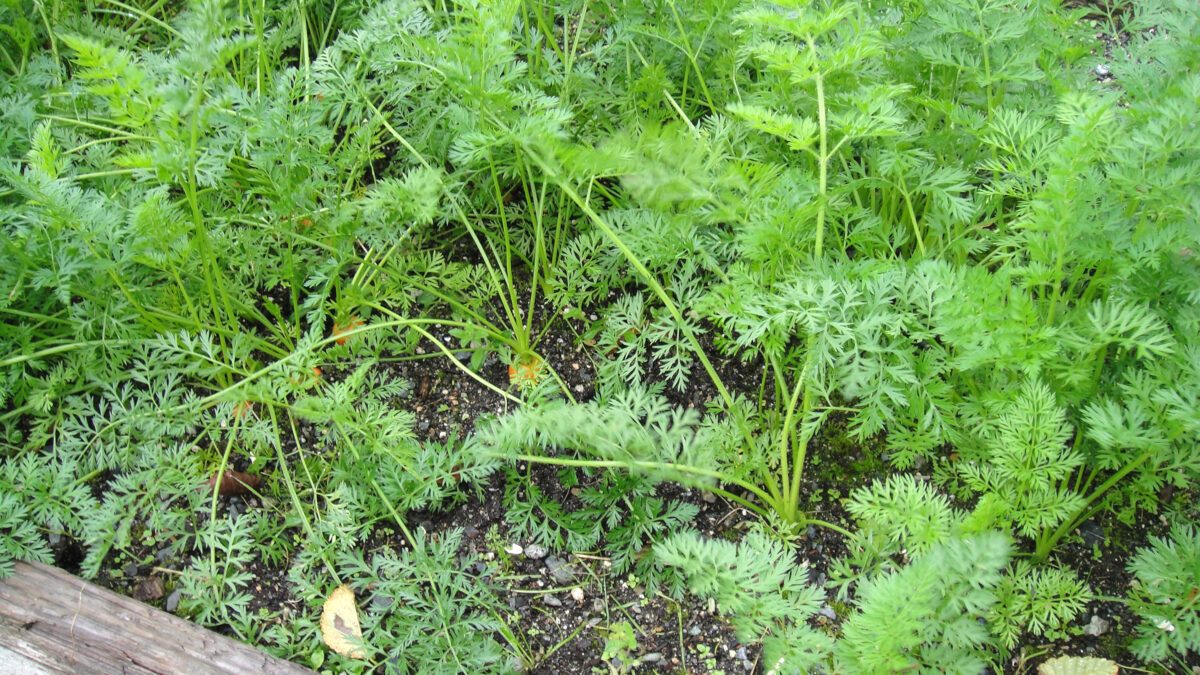
- Carrots are just one of the vegetables where the harvest can be staggered throughout the season by planting a row each week or two or by planting a few different varieties with different days to harvest.
-
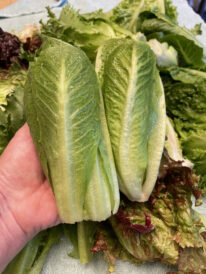
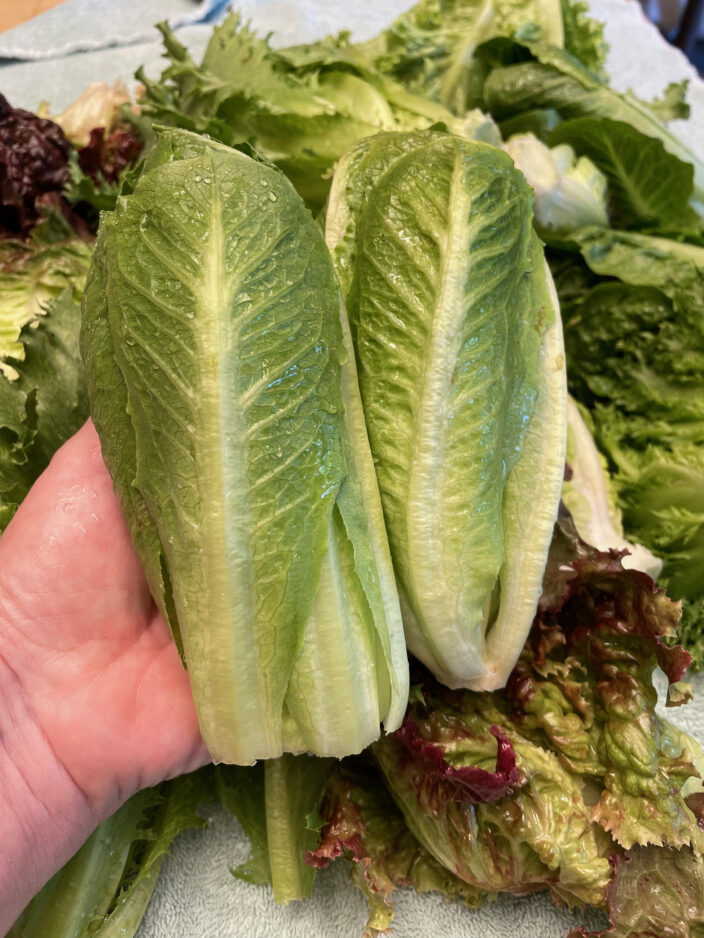
- Gardeners who need to grow in small spaces can still grow many different flowers and vegetables if they select smaller varieties like this dwarf romaine lettuce.
-
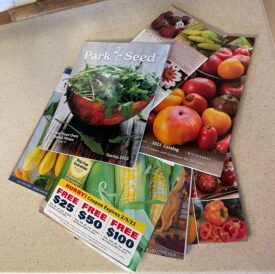
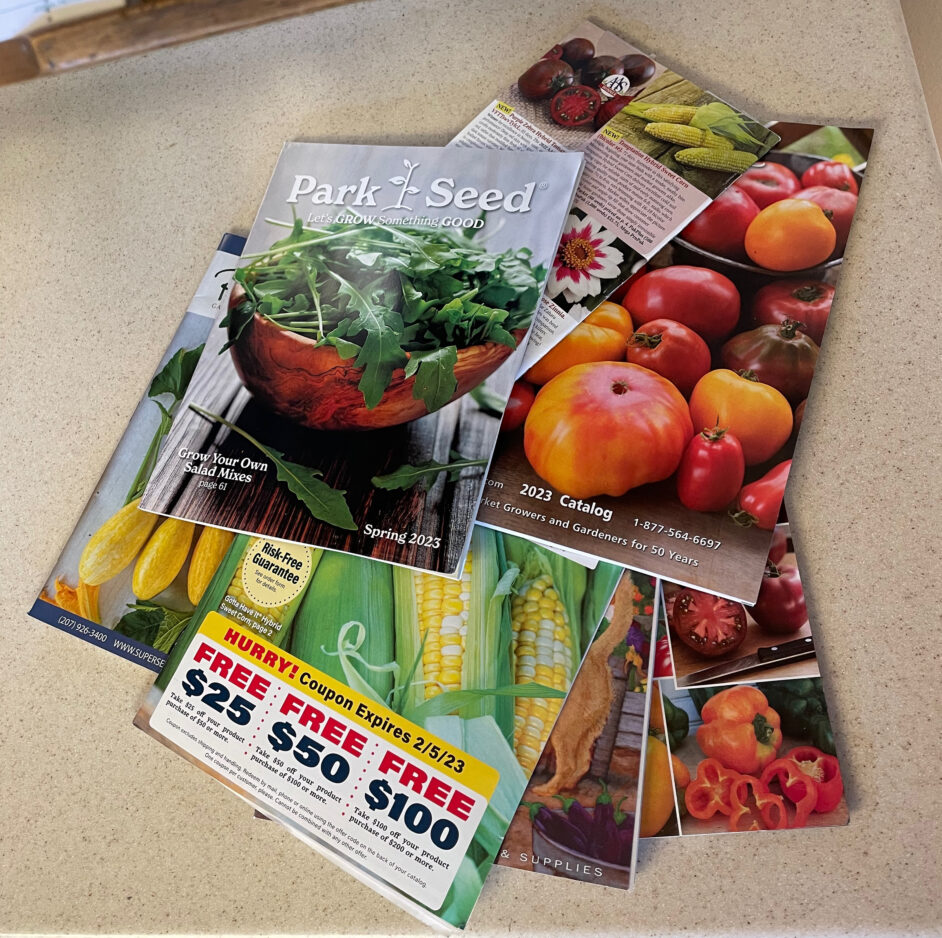
- There are many, many seed companies to choose from.
-
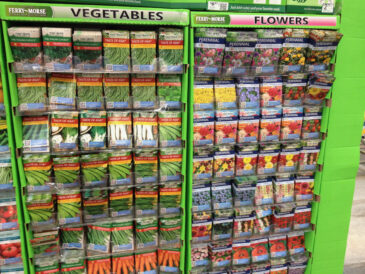
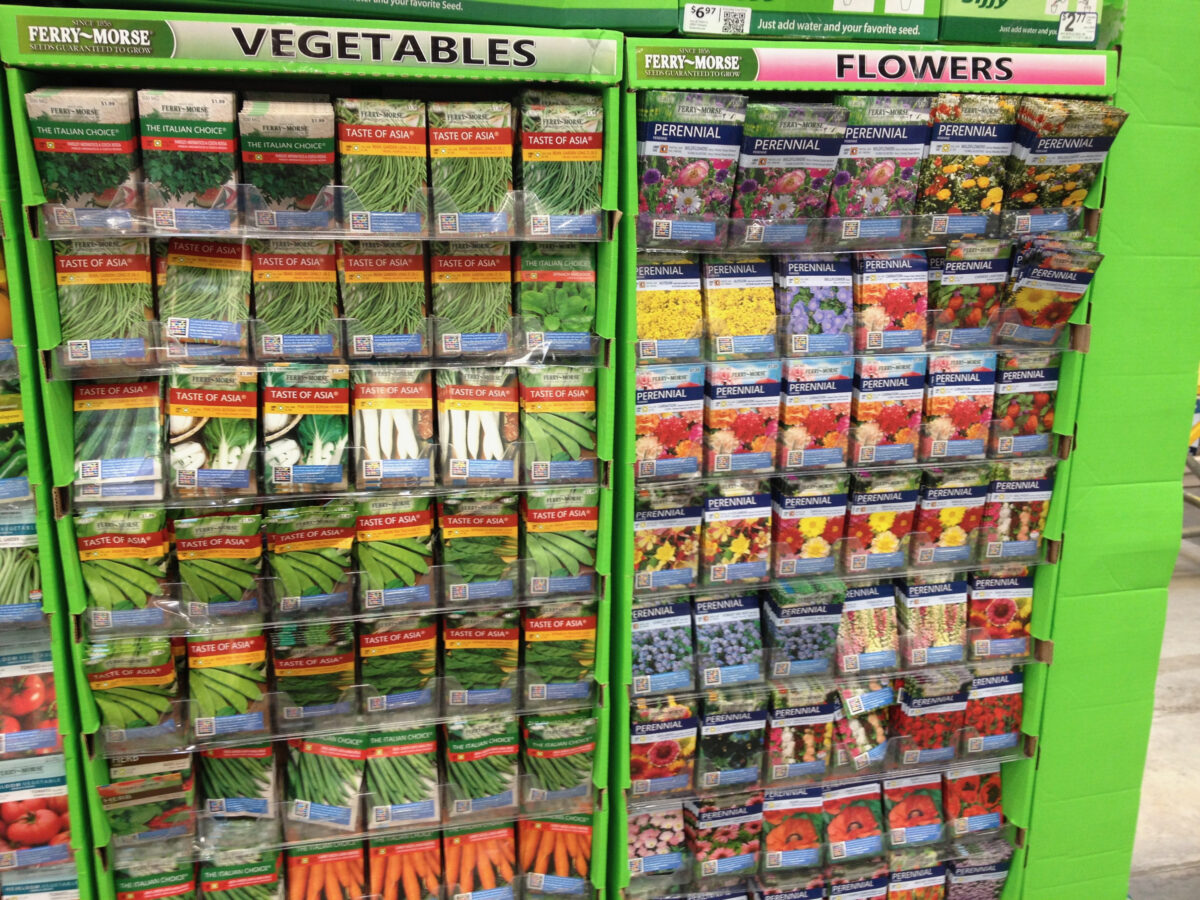
- Seed packets from retail displays will give you information about the variety and the best way to plant, care for and harvest vegetables and flowers.
If you’ve ordered garden seeds from a seed catalog or online seed company at any time in the past, then you probably have a stack of 2026 seed catalogs or several online catalog offers in your inbox. If you’re tempted by all the gorgeous flower and vegetable photos in the catalogs, here are some pointers to help you avoid disappointment in the garden this year.
Pay attention to the variety descriptions: The description may give you clues about whether that variety will do well in our hot, dry summers and be ready for harvest before our average fall frost in October. The typical garden in Utah County gets about 180 frost-free days, but only 100 to 120 of those days are warm enough for good growth from tender vegetables and flowers. During the other frost-free days (spring and fall), the plants may not die, but they won’t thrive either. You can still take advantage of those cool frost-free days, though, with cool-season crops.
Also, keep in mind that we often have mild spring weather that gets gardeners excited to plant or transplant, but those mild spells are often followed by a few days of very cold or freezing weather before safe growing temperatures return. Check with friends and neighbors if you haven’t been keeping a garden journal with details about your own garden microclimate.
Here are clues to look for in those catalog descriptions before you place your seed orders.
- Read the variety descriptions carefully before making your vegetable, herb and flower selections. Will the days to harvest fit our local season? Does the description fit our climate? A variety developed for cool, wet climates or hot, humid regions is less likely to do well here in our county. Look for varieties that boast about their tolerance for hot, dry summers and bright, sunny days instead. Do the blossoms of a new perennial that thrives in acidic soils tempt you? It could disappoint you here in our alkaline soils.
- Check the mature size in the description. If you garden in small grow boxes, you’ll need to make sure the variety will fit your garden.
- Does the variety you want to order do best when direct seeded in your vegetable bed or flower garden or does it need to be started indoors? Do you have the right resources for starting your plants indoors? If you want to order varieties that need to be started indoors, have you looked at the number of days or weeks before transplanting? Is there still time to do that?
- Choose varieties that fit your own schedule. Consider whether something needs to be planted, transplanted or carefully tended. Would this happen when you need to travel or during your busiest days of the season? Does the variety need to be planted as soon as the soil can be worked or is it best to wait until soils have warmed? What are the days to harvest? Are you trying to stagger your harvest? You can do that by either planting a new row of the same variety every week or two in the spring or you can do that by selecting a few different varieties with different days to harvest and planting them at the same time.
- Be careful about ordering extra seeds when a seed company offers a special deal on large quantities. Some vegetable and flower seeds, corn, onions, parsley, verbena and geraniums, for example, are only viable for a year or two. Ordering a two- or three-year supply wouldn’t be economical.
And one last tip: Even though you’ve read all the descriptions before ordering, read the packet before planting. Refresh your memory on where to plant, when to plant, how to space and the other details that make it more likely you’ll have the success you expect.
Meredith Seaver is a USU Extension horticulture assistant.
Home And Garden
Garden Help Desk: Consider the local growing season when choosing plant varieties for this summer’s garden

Hidden home hazard: Radon Awareness Month encourages everyone to take risk seriously