Garden Help Desk: How to start pepper plants and other timely March tips
-
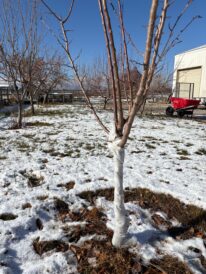
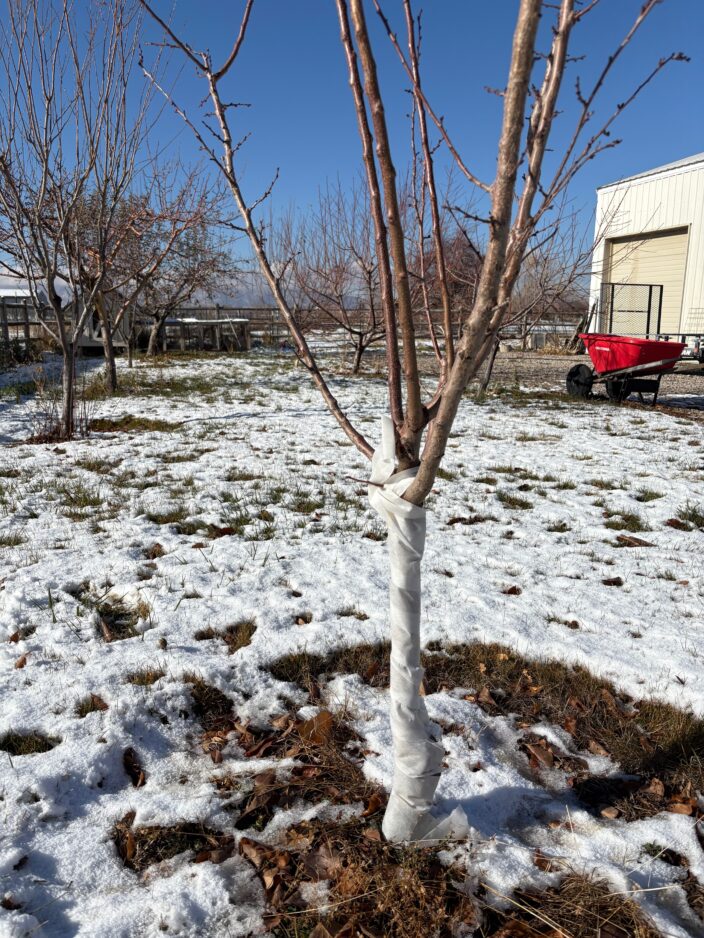
- The tree wrap you put on your tree trunks last fall should come off in the early spring. If you remove it carefully, you can re-use it again this fall.
-
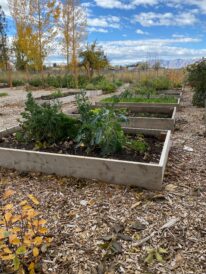
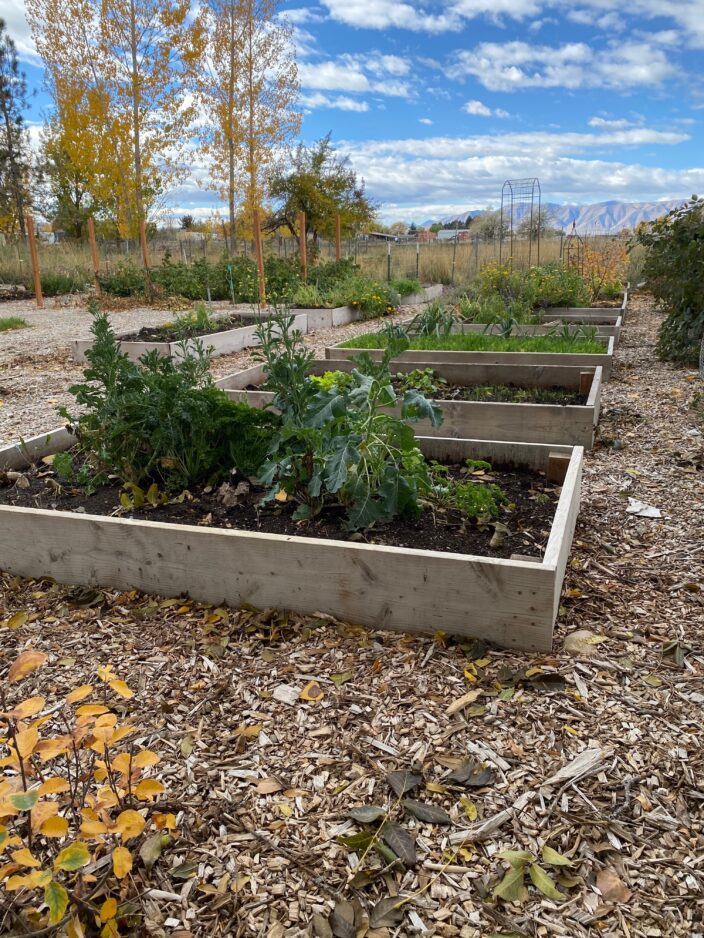
- Raised beds can make it easier to get your garden ready in the spring because the soil dries and warms earlier.
-
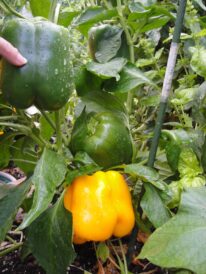
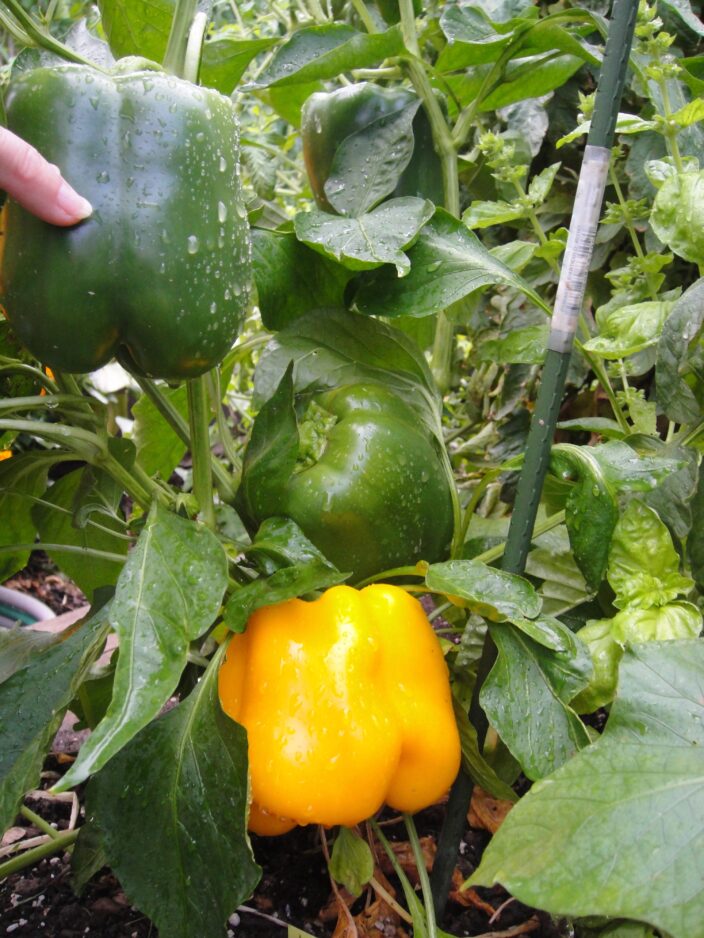
- Healthy pepper transplants are an important first step to getting healthy, tasty peppers.
-
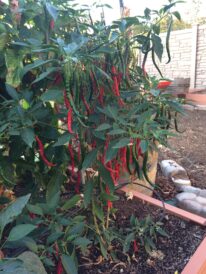
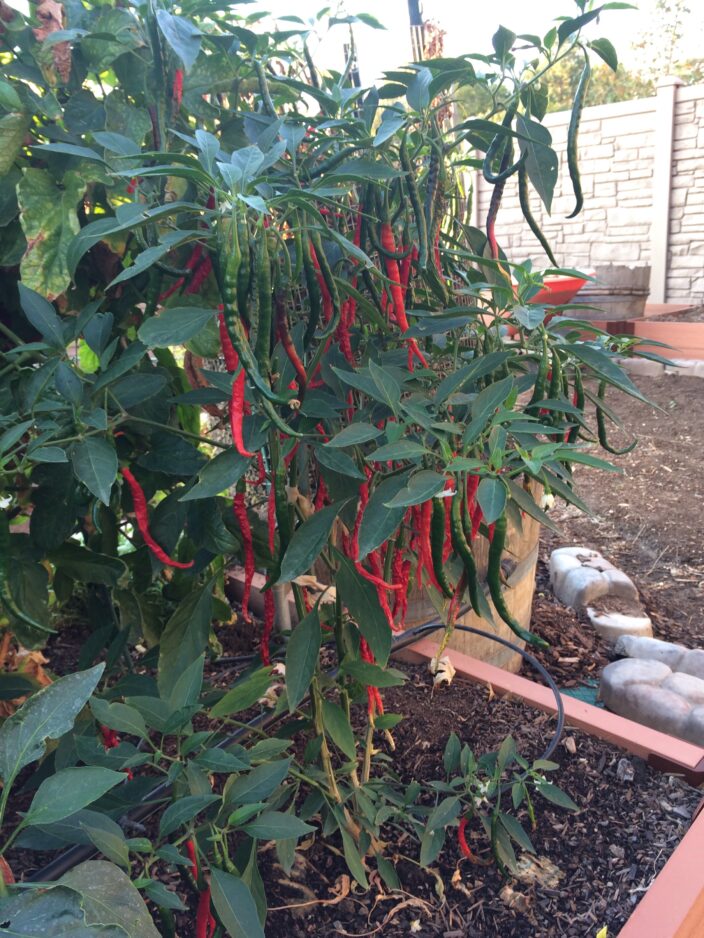
- You may need to grow your own pepper transplants if you want a special variety like these Asian hot peppers.
Peppers are one of the most diverse summer vegetable crops grown in local gardens. If I were to ask 10 people what pepper they like the most in their garden, I would probably get 10 different answers. They’re a worldwide crop grown for a variety of cuisines. From painfully hot to mild or sweet, and in many different colors, there’s a pepper variety for every taste and use.
The real challenge for many of us when it comes to growing a favorite pepper is finding that special but less common variety at a nursery or garden center. That means most of us must order seeds and start any special varieties ourselves. Pepper seeds aren’t hard to start, but the tiny plants have particular needs, and the health and quality of your transplants will affect your yield.
- So, for the pepper lovers out there, here are a few basic tips for getting sturdy, healthy pepper transplants for your summer garden.
- Timing your seed starting is the first step in getting good transplants. Peppers are among the most tender vegetables in the garden. They need eight weeks of growth (or more, depending on the variety) before they are ready to go out into the garden, so count back eight weeks from your target transplant date. Don’t rush peppers into the garden as they aren’t cold hardy.
- Connect with your inner Goldilocks when choosing your container size. Too small and your plants could be root bound before the weather is right. Too large and you’ll waste materials and space and have a greater risk of chronically wet soil and root rot.
- Cover you seeds about ¼-inch deep and set your containers on 78 to 80 degrees bottom heat for faster, more even germination.
- Provide plenty of bright, full-spectrum light once you see germination. A bright window or brightly lit room won’t be enough.
- If you started your seeds in an open flat, transplant into larger cell packs once you see one or two sets of true leaves.
- Reduce the temperature to 70 to 72 degrees while the plants continue to grow.
- Water deeply one to two times a week depending on container size, plant size and temperature. Don’t overwater. Let the soil dry a bit between watering, but don’t wait until plants begin to wilt.
- Start using one-half-strength fertilizer or a slow-release fertilizer once your plants have true leaves.
- Begin to harden off your transplants at about seven weeks. Discontinue any bottom heat and give your transplants time outdoors in dappled light or morning sun. Check them frequently and don’t forget to water.
- Check back in a few weeks for information about transplanting and summer care for your peppers.
Timely garden tips for March
With the mild winter we have had, early spring bulbs may already be blooming in your yard. They remind us that there is plenty to do in the garden. Listed below are some garden chores to tackle this month.
- Fertilize shrubs, trees and perennials with a balanced fertilizer. Try to time application just before a precipitation event. In late March or early April, consider using a fertilizer/pre-emergent combo for your lawn to help keep crabgrass, spurge and other weeds from germinating.
- Prune dormant fruit trees, berries, grapes and roses. Cut back perennials. Clean up garden beds and add organic matter if needed. Avoid tilling when the soil is saturated as this will compact the soil and make it difficult to work with.
- Remove tree wrap from young trees if you wrapped them in the fall.
- Apply dormant oil to fruit trees to help control overwintering insects such as aphids. Treat at the delayed dormant stage when buds begin to swell and break. Wait until temperatures are between 50 to 70 degrees Fahrenheit and when no frost is predicted for the next 24 hours.
- Subscribe to USU Extension Integrated Pest Management email advisories to receive timely alerts regarding pest management in your garden, lawn and orchard.
- March is a great time to build raised beds, which can be aesthetically pleasing and functional. Soil in raised beds often warms sooner than in-ground garden soil and thus can usually be planted sooner. Soil amending and weeding can be easier to control. These tidy beds also provide less compacted soils, which enables concentrated spacing and maximal harvest.
- When your soil is workable, plant frost-tolerant, early-spring crops such as peas, spinach, broccoli, carrots and radishes. It is also a good time to plant bare root fruit trees and berries.
- Start warm season annual seedlings that take a while to grow, such as peppers. Use heat mats and humidity domes to speed up germination. After germination, remove both the heat mat and dome and place seedlings a few inches under grow lights.
Meredith Seaver and Elizabeth Binks are USU Extension horticulture assistants.
Home And Garden
Spring updating: 5 things to consider when evaluating your landscaping
Garden Help Desk: How to start pepper plants and other timely March tips