Spring updating: 5 things to consider when evaluating your landscaping
-
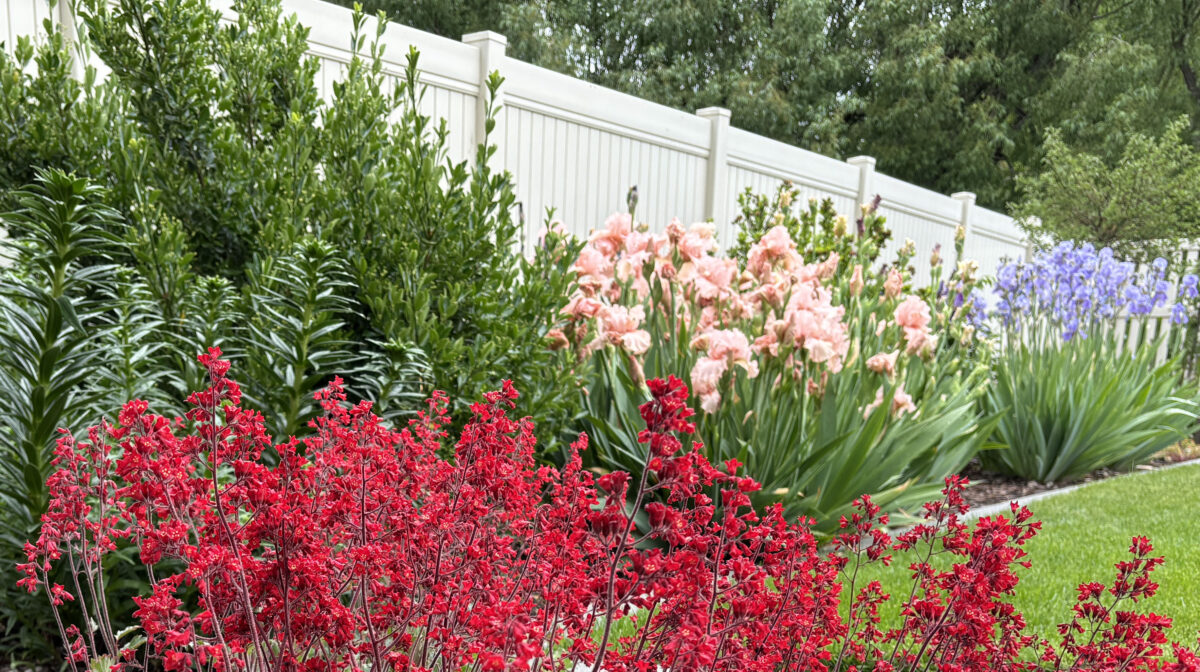
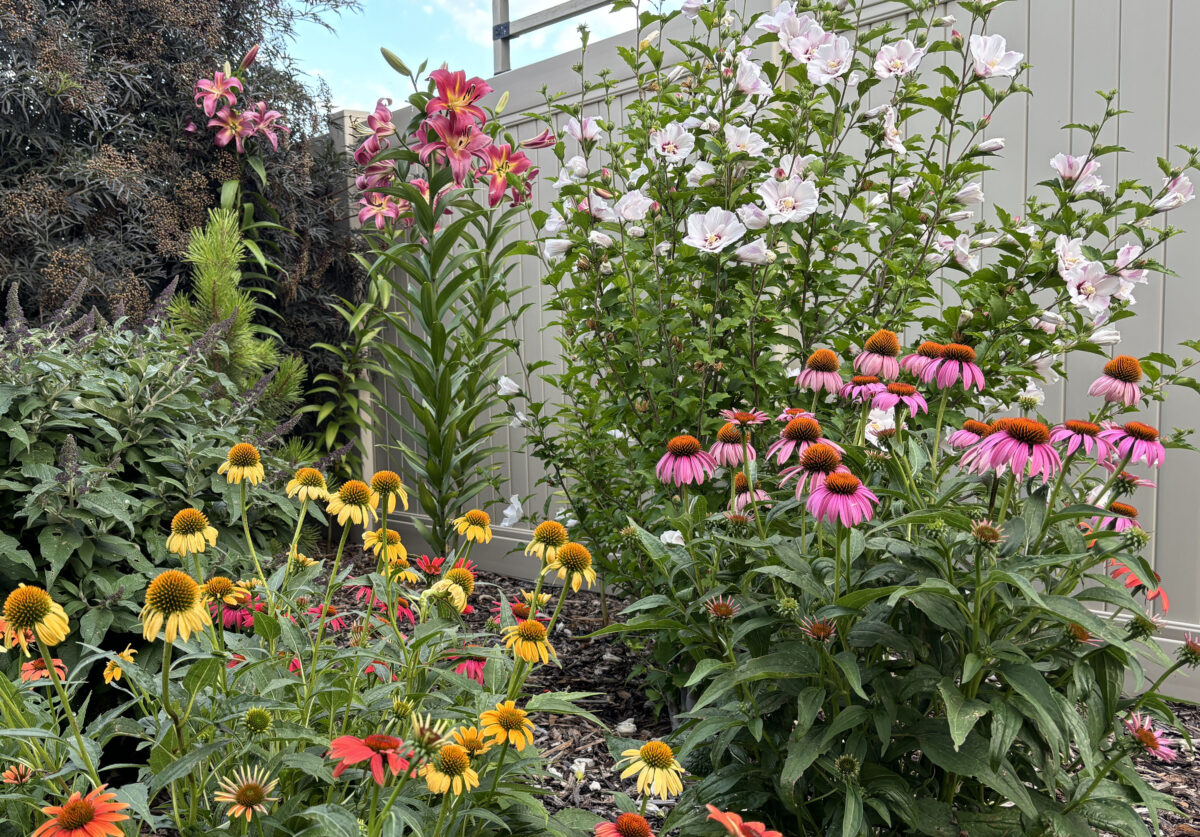
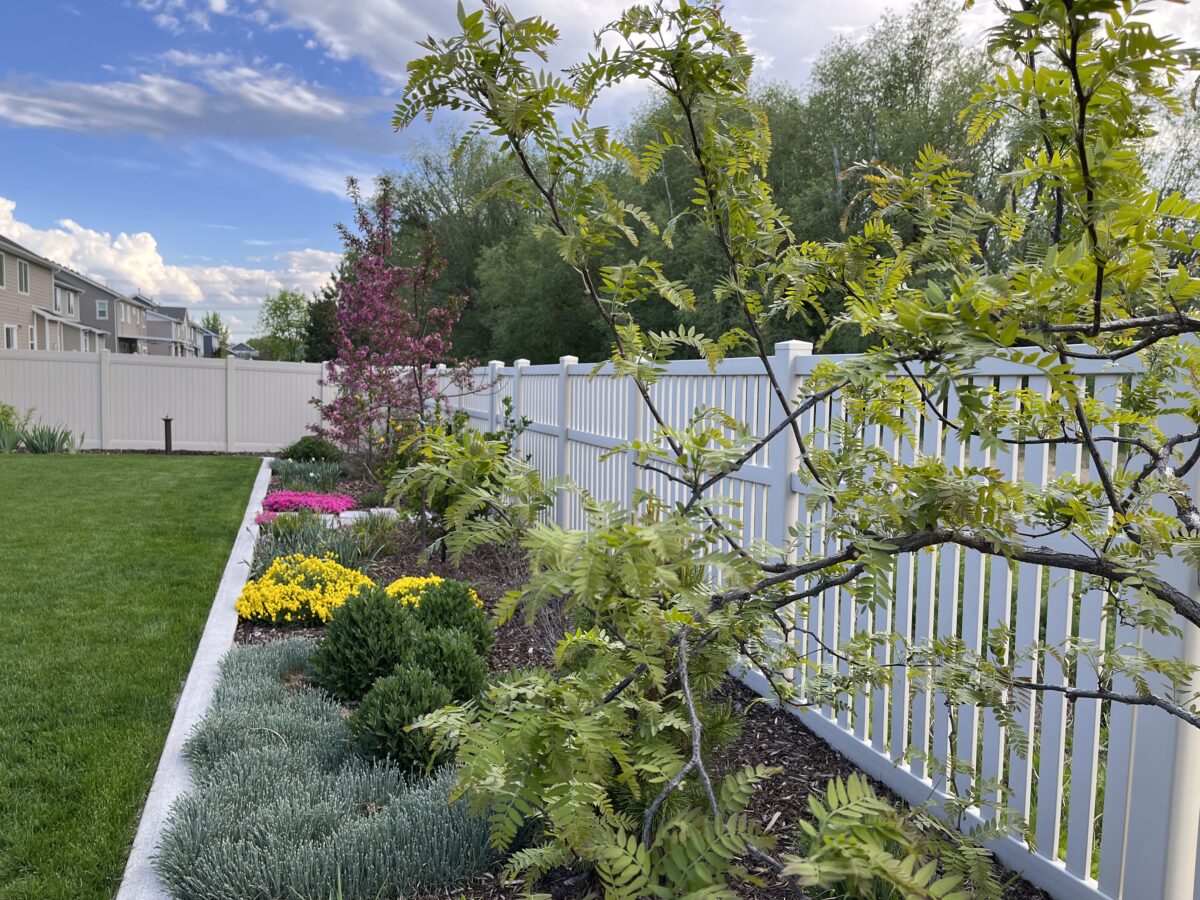
- Examples of local plants bloom in a Utah yard.
-
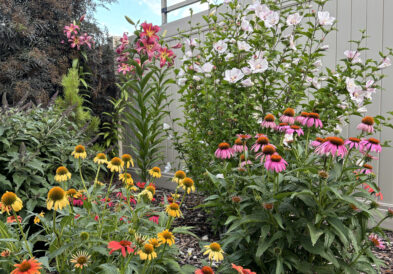
- Examples of local plants bloom in a Utah yard.
-
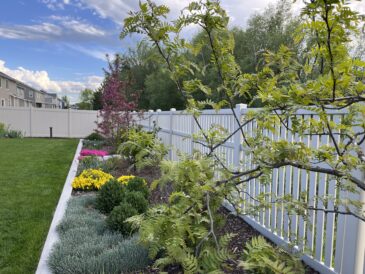
- Examples of local plants bloom in a Utah yard.
Spring is almost here and that means plants are starting to awaken from their winter slumber, which means soon our yards will be turning green with leaves and filled with beautiful blossoms.
That means now is a good time to be considering what to do with your landscaping.
Do you keep things the same, make small changes or go for a major overhaul?
No matter which direction you go, you will likely need water to make your yard look its best, which is why experts from local water conservancy districts, Weber Basin and Central Utah, weighed in with some tips as you consider the possibilities.
Here are five things they suggested:
1. Be ready for the realities of a drought year
Everyone knows Utah’s winter didn’t have many storms so far and thus the amount of water available for landscaping will likely be limited.
David Rice, conservation division manager at the Weber Basin Water Conservancy District, suggests starting by getting educated.
“One of the best tips we can offer is for every homeowner or property manager to become educated about how they use water,” Rice said earlier this week. “In addition, every homeowner should know where their water comes from and why it should be managed so carefully.”
Casey Finlinson, conservation program coordinator at the Central Utah Water Conservancy District, agreed that one of the top priorities is using water efficiently.
“The first thing that comes to mind is to be patient about turning your sprinklers on,” Finlinson said. “A lot of times people will see the weather is nice and we start to think, ‘oh, gosh, I’ve got to turn the water on to keep that grass green. But it’s premature to do that in March. That’s definitely not a good idea. Usually, in April, we don’t need to water. We can hold off until May and, depending on the weather, sometimes even until June.”
With all of Utah needing to carefully manage what water it has available, both Rice and Finlinson urge us to be very aware of what is needed and water accordingly.
“People often apply double the amount of water they need for a healthy lawn,” Rice said. “People with low-water landscapes who are using more drought-tolerant and climate-adapted plants need even less.”
2. Maximize sprinkler effectiveness
We’ve all seen sprinklers going at the hottest part of the day or doing a great job watering a huge area of the street or driveway. That type of waste adds up when you consider the thousands and thousands of homes, as well as other buildings and landscapes in our state.
That’s why the experts emphasize personal accountability.
“I wish everybody could see the big picture that every home, every landscape, matters,” Finlinson said. “What I’ve kind of noticed is that nobody thinks they waste water, but everybody’s neighbor does. If everybody just took the initiative to take care of their jurisdiction, that would go a long way.”
Rice talked about the value of understanding what your sprinklers are doing and making the proper adjustments so the water is used efficiently and waste is minimized.
“Much of the water waste comes from poorly designed or installed sprinkler systems,” Rice said. “Often sprinkler heads are too far apart, have the wrong nozzle or may be operating with the wrong pressure for effective coverage. You can evaluate sprinkler systems by doing a catch can test. This check will help you identify how fast water is being applied and how uniform it is being applied. Then you can adjust scheduling and make fixes to your system to get things watered without overwatering or wasting water due to poor coverage.”
Rice and Finlinson both said that not mowing grass too short and doing other lawn maintenance like fertilizing and aerating allow lawns to use less water and still be healthy.
3. Consider making changes
Rice talked about how having a beautiful lawn can be useful and functional, but it has also become the default landscaping and that isn’t always best.
“A lawn is also the highest water demand plant in a landscape,” he said. “If you have considered removing some lawn and replacing it with more drought-tolerant landscape materials and other plants, now is the time due to incentives that are available to help you with this process. Removing lawn can feel overwhelming, but with the free classes and incentives available, we hope this makes it easier for you.”
Finlinson described how even changing to certain other plants can still provide some similar benefits.
“People do like grass because it does help cool the environment around it, and even the home to an extent, but so do trees and shrubs and other plants,” he said. “As you’re considering looking at removing some of your grass to conserve water, we want to make sure we’re putting plants back in place that are going to help cool the environment around it. Plants do take water, but most other plants can use less water than a lawn does.”
4. Look at localscaping
Traditional lawns are losing ground to more thoughtful landscaping approaches that include better yard designs and plants that fit Utah’s high-desert climate better, which is something the water conservancy districts encourage.
“We teach the localscapes approach,” Finlinson said. “Local scapes is all about designing that lawn space first with sprinklers in mind, and so that you’re being sure to water efficiently. People often realize that they’ve been looking at landscaping the wrong way.”
You can see various options for yourself at the gardens maintained by the water conservancy districts.
“Our district has a demonstration garden located in Layton that has many examples of the styles and the types of plants that will thrive in our climate and soils,” Rice said. “We have metered areas of the garden so we know how much water it takes to maintain and keep it all healthy and looking great.”
5. Take advantage of resources
Both Finlinson and Rice encourage everyone to learn more about the possibilities by taking the classes provided by the districts.
“Learning how to take care of a lawn and learning which plants to use and how to care for them can feel overwhelming, which is why you can take free classes at Weber Basin Water Conservancy District on a wide range of topics, from landscape design, perennial plants, soils, pruning and a whole lot more,” Rice said.
March is a good time to get organized and look at possible benefits. Not only could your yard end up looking better, but there might be some financial incentives if you take steps to conserve water.
“It’s definitely a good time to begin planning those projects,” Finlinson said. “Depending on where you live, you could also be eligible for an incentive or rebate on that.”
Rice said they hope everyone decides that they are going to make a difference.
“We invite you to start this year, not just for a drought response, but for long term change in how you use water in your yard,” he said.
In the Central Utah area, more information and class signups are available at https://cuwcd.gov/classes. For more information on incentive programs or rebates, visit www.mywaterutah.org.
Home And Garden
Spring updating: 5 things to consider when evaluating your landscaping
Garden Help Desk: How to start pepper plants and other timely March tips