Garden Help Desk: Best practices for applying pre-emergent products to lawns
-
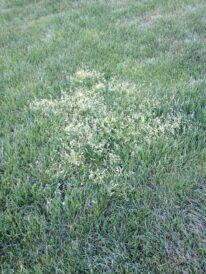
- Grassy weeds like annual bluegrass will easily germinate, grow and set seed in a short amount of time if ignored.
-
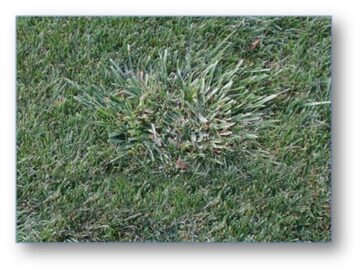
- Crabgrass is a common weed in local lawns, but it can be effectively controlled with a properly timed application of pre-emergent herbicide.
-
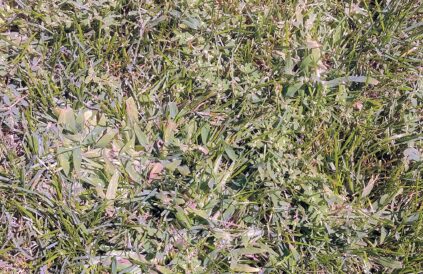
- When lawns have a large number of weeds, it can be a sign of an unhealthy lawn. Proper mowing, watering and fertilizer can help a lawn thicken and thrive, crowding out weeds.
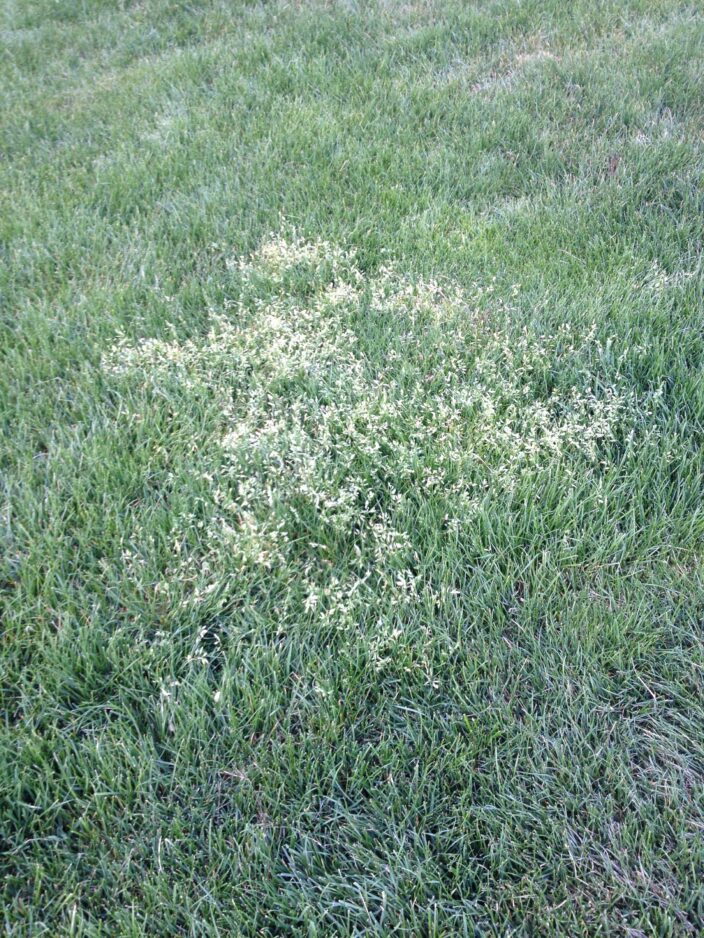
Photo by Meredith Seaver
Grassy weeds like annual bluegrass will easily germinate, grow and set seed in a short amount of time if ignored.
As spring approaches, many homeowners begin asking when they should apply pre-emergent products — often called weed preventers or crabgrass preventers — to their lawns. Some lawn care companies have already started making applications for their customers. Before deciding whether it’s time to apply a pre-emergent, it is helpful to understand what these products are, how they work and whether the timing is right for your specific conditions.
Although we often call pre-emergent products “weed preventers,” they actually prevent the germination of nearly any seed. That means if you have recently planted flower or vegetable seeds and apply a pre-emergent in those areas, those desirable seeds likely will not sprout.
Pre-emergent herbicides work by interfering with early root development. When a seed begins to germinate, it must develop a root system to survive. These products disrupt root growth, preventing the seedling from establishing. As a result, the young plant dies shortly after germination and before it’s visible above the soil surface.
Weed preventers form a thin barrier at or just below the soil surface that targets germinating seeds. Because they affect newly developing roots, they typically do not harm established plants such as lawn grasses, trees, shrubs or perennial flowers with mature root systems.
However, not all products are labeled for use in every situation. Always read and follow the product label carefully to ensure it is safe for your specific lawn or landscape plants and to confirm proper application rates and timing.
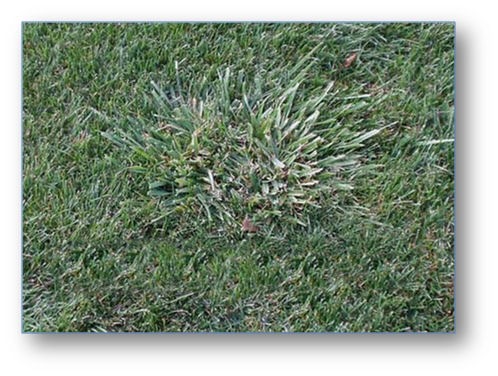
Photo by Taun Beddes
Crabgrass is a common weed in local lawns, but it can be effectively controlled with a properly timed application of pre-emergent herbicide.
For much of the Wasatch Front, late March to mid-April is typically an ideal time to apply a lawn pre-emergent. By then, soil temperatures are approaching the range when summer annual weeds such as crabgrass and spurge begin to germinate. Applying then helps ensure the product is active when weeds start growing while maximizing the effective life of the application.
If you rely on a lawn care company, you may need to work within their schedule. This often means applications occur several weeks earlier. This is not necessarily a problem. Pre-emergent products do not break down quickly in cold soil or cool weather. While an early application may reduce effectiveness slightly later in the season, the loss is usually minimal.
Below are a few common statements people make about pre-emergent products that often require clarification:
“I applied a pre-emergent, but there are still weeds in my lawn.”
Remember that these products are preventative and only affect seeds. The weeds in your lawn may be perennial species emerging from established roots. It is also possible there was uneven coverage during application. Additionally, many pre-emergent products are primarily formulated to prevent annual grasses such as crabgrass and foxtail. Their effectiveness against broadleaf weeds such as spurge, black medic and knotweed can vary.
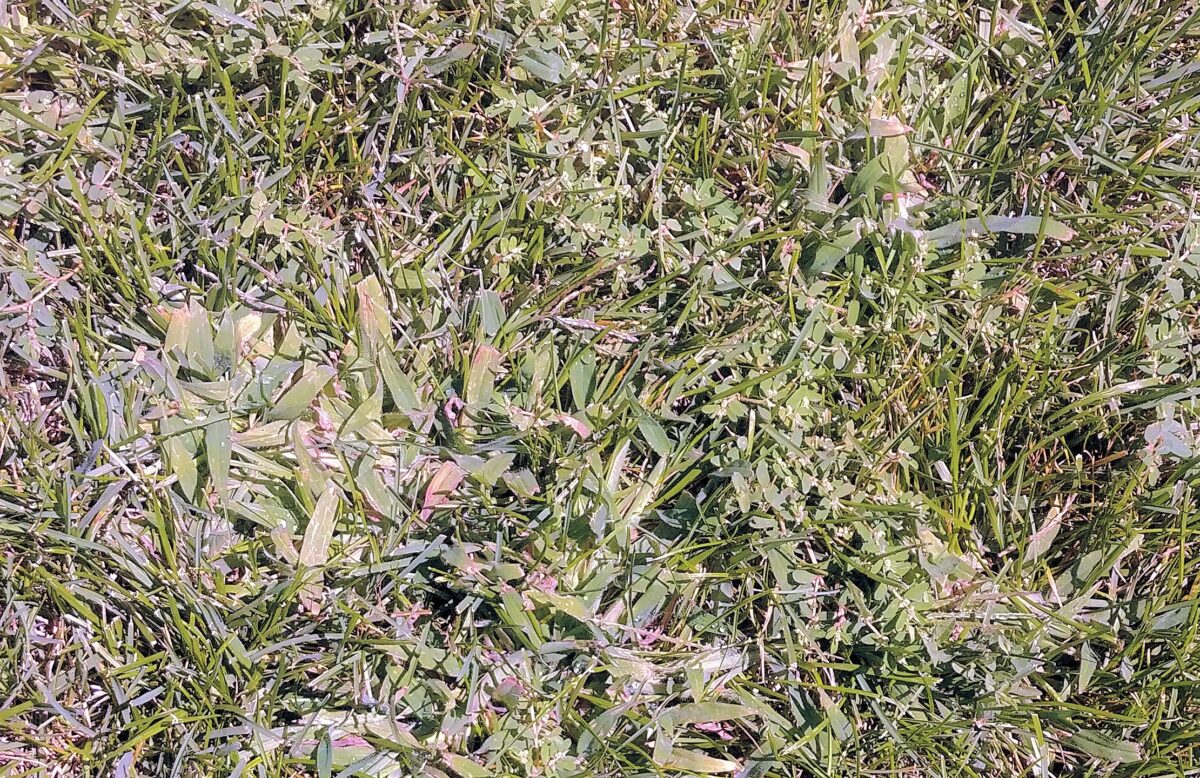
Photo by Taun Beddes
When lawns have a large number of weeds, it can be a sign of an unhealthy lawn. Proper mowing, watering and fertilizer can help a lawn thicken and thrive, crowding out weeds.
Always check the product label. One active ingredient, isoxaben, is more effective against many broadleaf weeds and is sometimes combined with crabgrass preventers for broader control.
“My lawn is in terrible shape, and I want to use a weed preventer to help it recover.”
If your lawn is thin or struggling, it is important to determine why. Common causes include insufficient sunlight, drought stress, compacted soil, overwatering, poor fertility or saline soils. Solutions may include aeration, irrigation adjustments, improved fertilization timing or correcting sprinkler coverage. Identifying and correcting the underlying issue is essential.
If your turfgrass is thin, applying a pre-emergent may actually delay recovery. One of the best ways to thicken a lawn is by overseeding. However, if you apply a pre-emergent, you may need to wait several months — sometimes up to a year, depending on the product — before reseeding. Again, always refer to the product label.
“I applied a pre-emergent, but weeds started germinating by late June.”
The length of control depends on the product used and the application rate. Many products provide about two to three months of control, though some formulations and higher rates may last six months or longer. Heavy irrigation, excessive rainfall and soil disturbance can also shorten effectiveness.
“Can I use lawn pre-emergent in my garden?”
Generally, no. Most lawn pre-emergent products are not labeled for use around edible crops. However, there are garden products containing trifluralin (commonly sold under brand names like Preen), and many store brands contain the same active ingredient. It is critical to read the label carefully, as not all vegetable crops are safe for use with these products.
Some final warnings: never use lawn pre-emergent products in greenhouses. Some products can volatilize, and the vapors may injure sensitive plants, especially those grown on benches or tables. Also, avoid applying pre-emergent products underneath mulch, including grass clippings, bark or plastic mulch. Vapors can become trapped and may damage desirable plants.
If applying in landscaped beds, apply the product according to label directions — typically to the soil surface or to the surface of mulch (not underneath) — and follow instructions carefully.
Horticulturist Taun Beddes is a USU Extension associate professor.