Garden Help Desk: Radishes – one of the easiest vegetables to grow
-
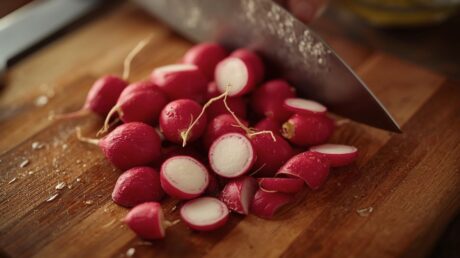
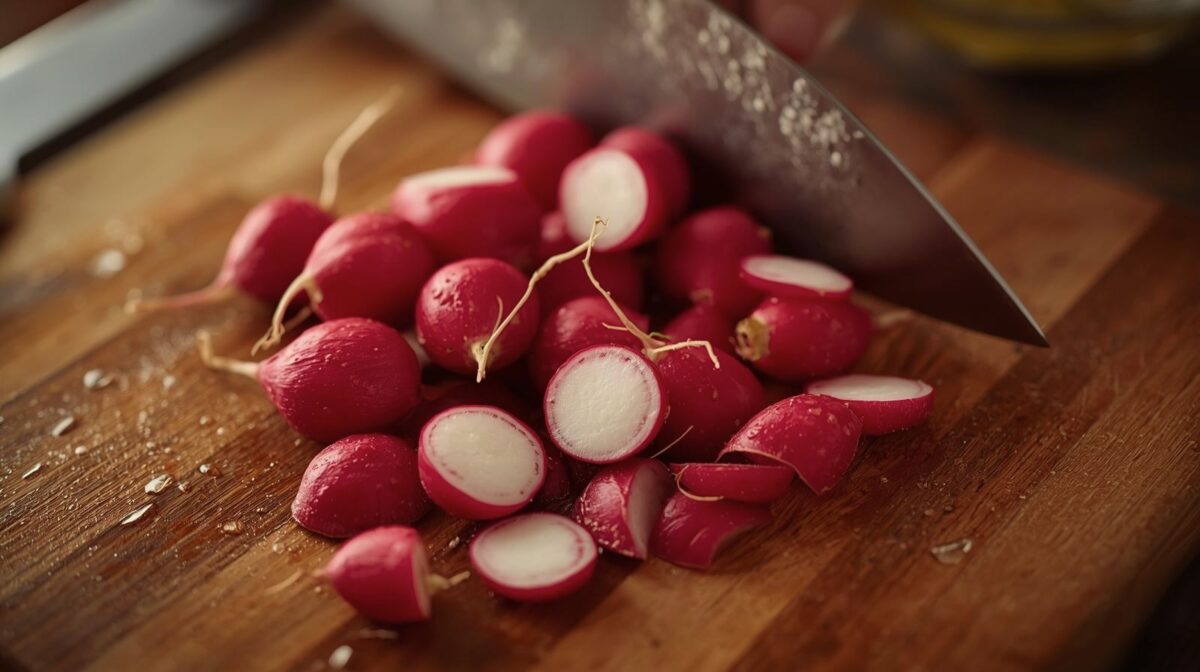
- The contrast between the bright white interior and richly colored skin on radishes is one reason they are a favorite addition to salads.
-
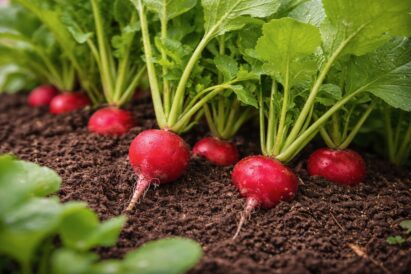
- Radishes are a popular early spring vegetable because they are easy to grow and some varieties can be ready to harvest in just a few weeks.
-
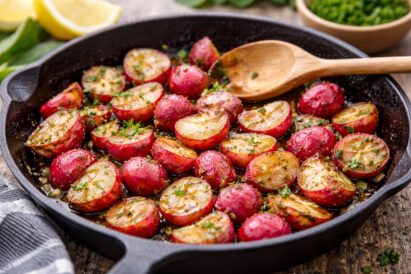
- Radishes are most often used in salads and relish trays or as garnishes, but they are also delicious roasted or in other preparations.
Courtesy USU Extension
The contrast between the bright white interior and richly colored skin on radishes is one reason they are a favorite addition to salads.
We often see radishes in the grocery store and assume they are only meant for green salads. For years, that was my assumption as well. It was not until a doctor placed me on a diet and suggested using radishes as a substitute for potatoes that I discovered how versatile they can be.
As it turns out, radishes are not only versatile in the kitchen, but they are also one of the easiest vegetables to grow in the garden and among the first crops that can be planted in early spring.
Radishes germinate quickly and are simple to care for, making them a great crop for teaching kids how to garden.
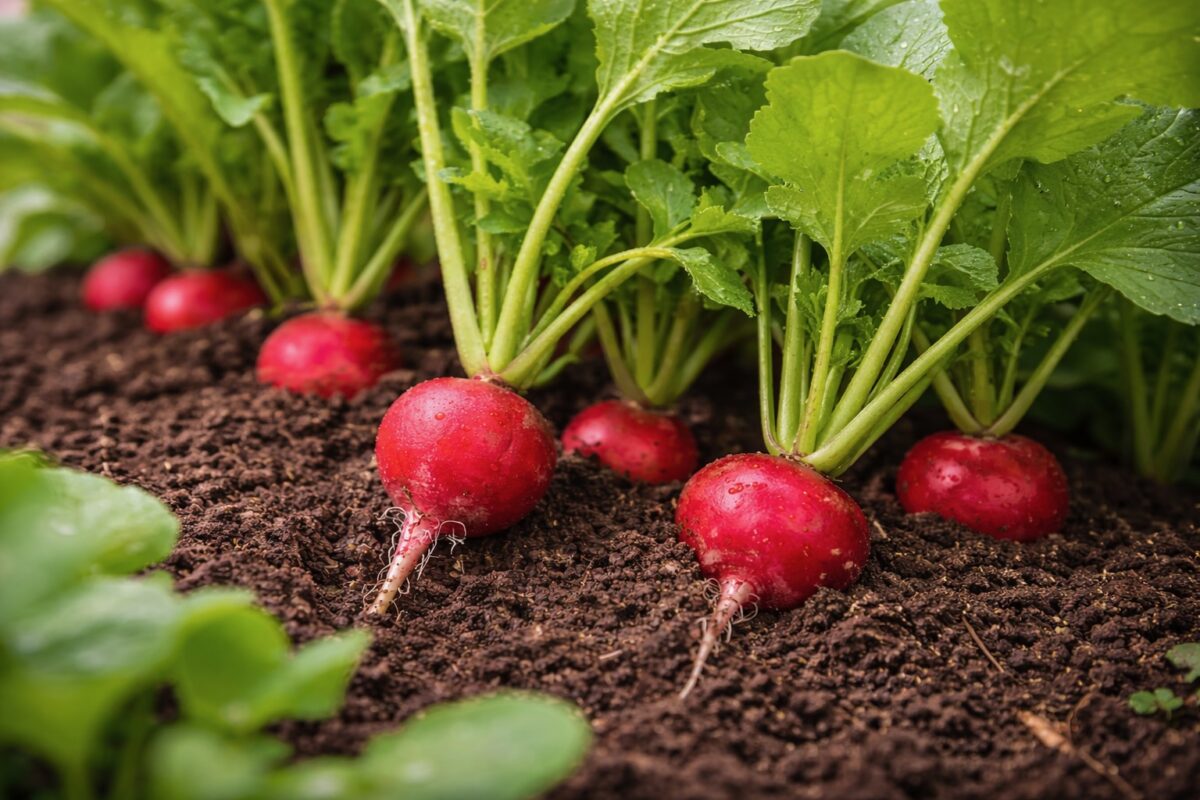
Using an inexpensive kitchen thermometer to gauge soil temperature is the best way to know when to start planting radishes. The minimum soil temperature is 40°F, though they prefer temperatures closer to 55°F. Plant seeds ½ inch deep, and they should emerge in five to 10 days. Once the seedlings appear, thin them so plants are spaced 1 to 3 inches apart, depending on the variety and the size you want them to reach.
Radishes are ready to harvest in 25 to 55 days, depending on the variety. Salad-style radishes mature quickly, while daikon and kimchi types take longer to develop.
Courtesy USU Extension
Radishes are a popular early spring vegetable because they are easy to grow and some varieties can be ready to harvest in just a few weeks.
Radishes are also quite nutritious. They are low in calories and rich in potassium, vitamin C, folate and fiber.
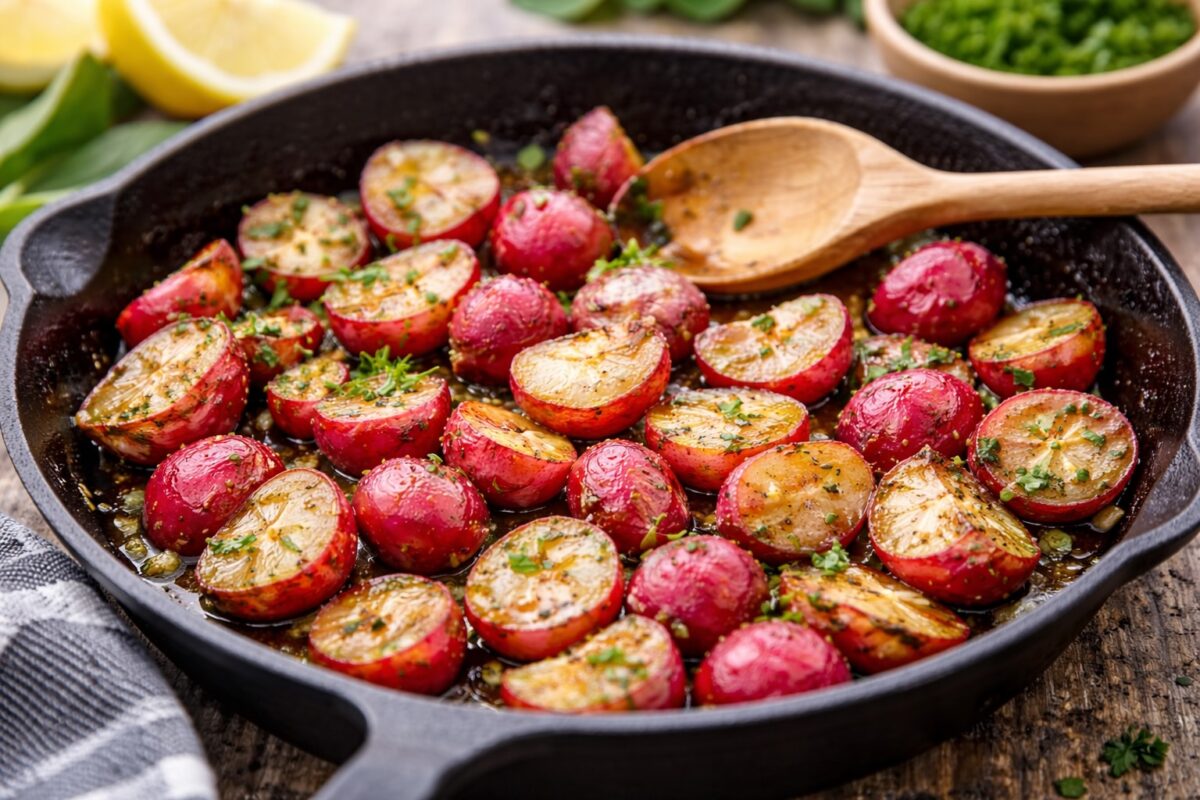
The first recipe I tried was roasted radishes. I will admit I was skeptical at first, but I was pleasantly surprised. When radishes are roasted or otherwise cooked, their sharp flavor softens and becomes more earthy.
My bride and I also tried adding radishes to soup as a partial substitute for potatoes. They added texture and flavor, and the soup turned out quite well. I have not tried it myself, but nutritionist friends have told me that radishes can also be blended with potatoes to thicken soup, improving the balance and texture. Radishes also pair well with potatoes, onions, garlic and leeks.
Coming from someone who favors carbohydrates and is not especially adventurous with food, I would encourage you to try radishes. I changed my mind about them, and you just might, too.
March planting in raised garden beds
I’m anxious to start using my new raised garden beds. What can I plant in my garden now?
Courtesy USU Extension
Radishes are most often used in salads and relish trays or as garnishes, but they are also delicious roasted or in other preparations.
Mid-March is the traditional time for getting some of the hardiest cool-season vegetables and flowers into the garden, and there are many to choose from.
Violas, pansies and ornamental kale are a few of the cool season transplants you may see in garden centers now. In my own vegetable garden, I’ll be moving lettuce transplants out to my raised beds. I could also include cabbage transplants from a local nursery. I’ll definitely be planting peas and radishes in the next few days, too, as they thrive in cool spring temperatures.
Horticulturist Taun Beddes is a USU Extension associate professor. Meredith Seaver is a USU Extension horticulture assistant.