ATV Adventures: The attitude about OHV gates is still a problem on Utah trails
-
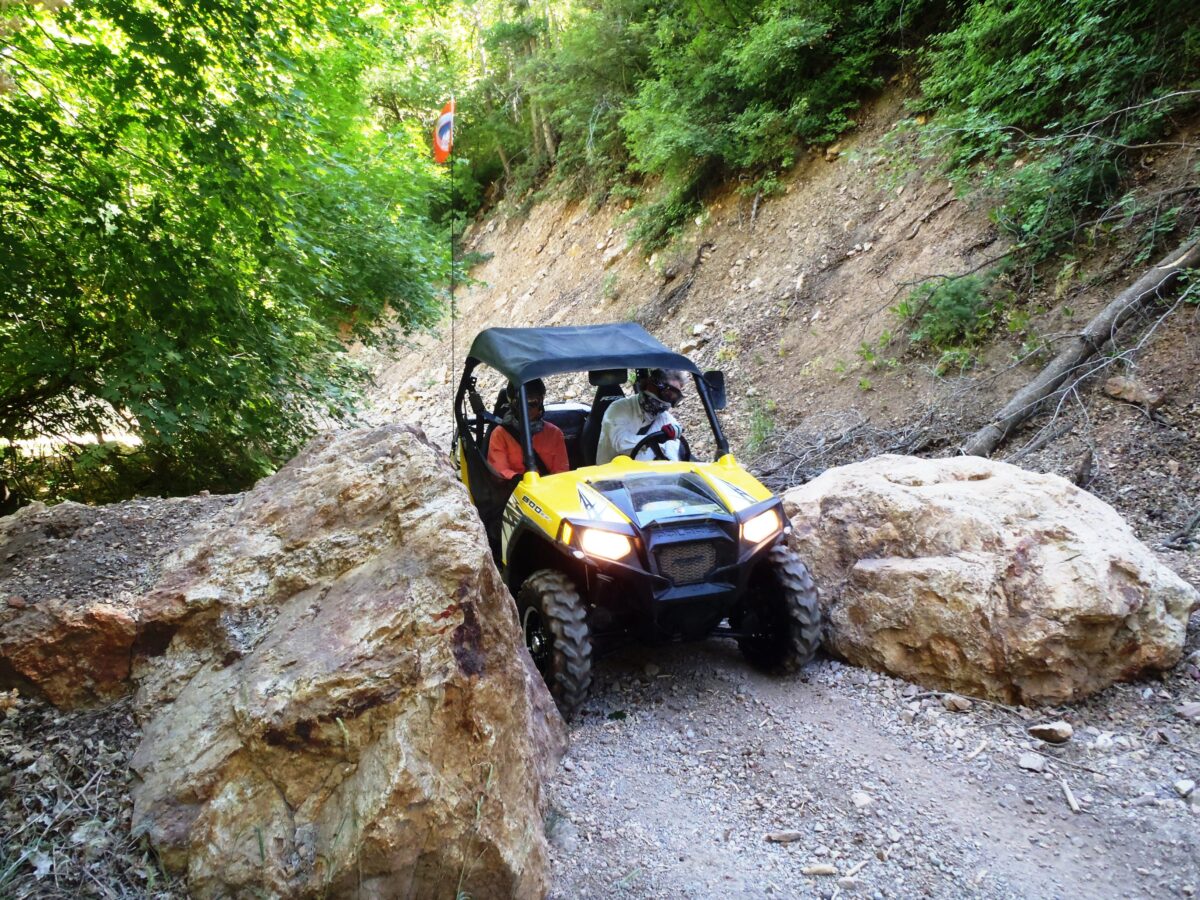
- The 50-inch Chalk Creek Trail gate on the Paiute ATV Trail System above Fillmore.
-
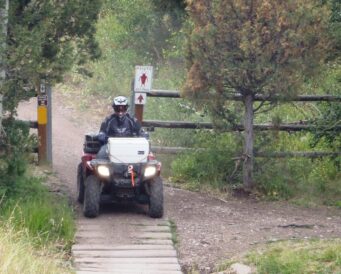
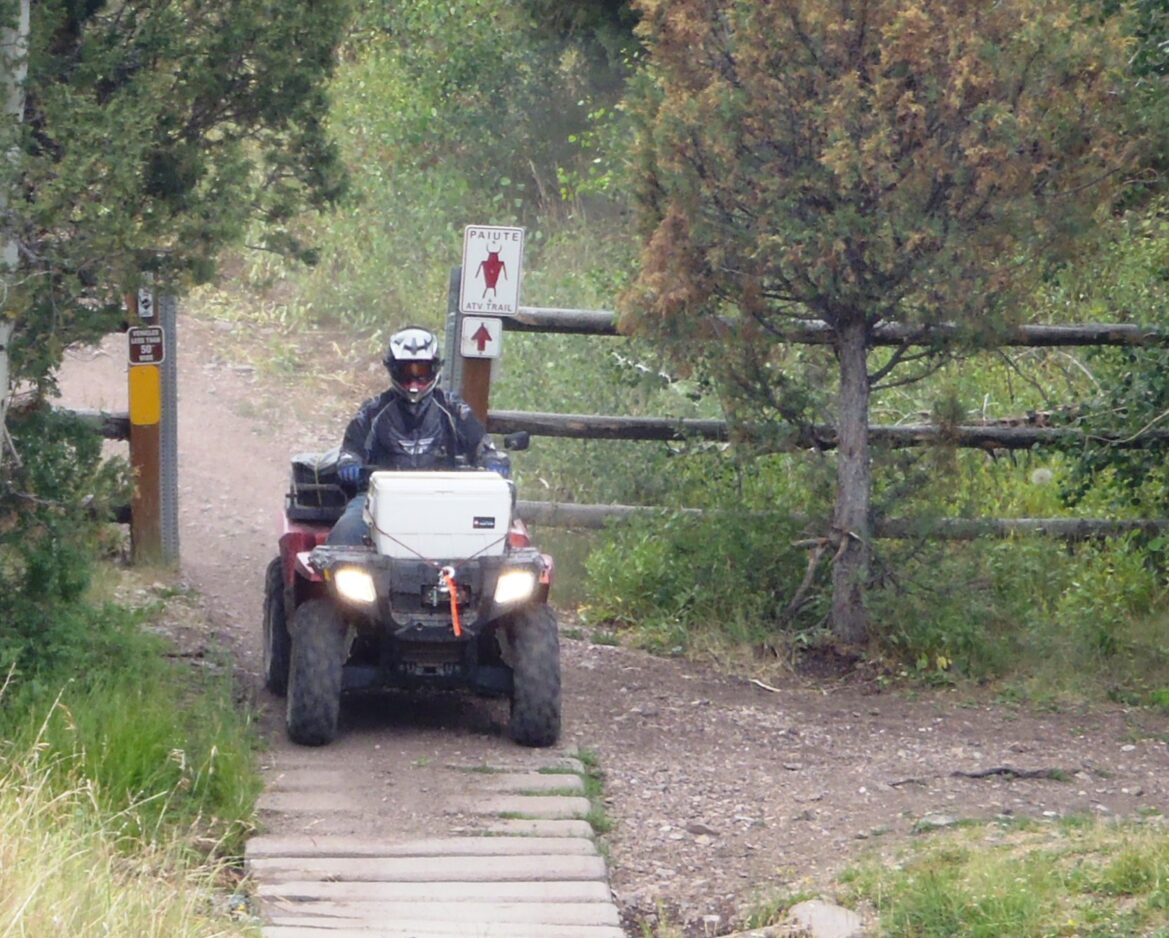
- Coming through a 50-inch gate on the north end of the beautiful Max Reid Trail on the Paiute ATV Trail System.
-
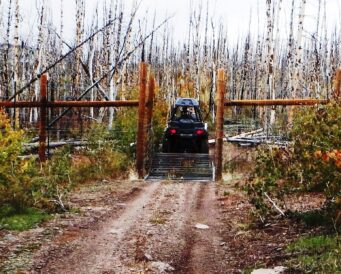
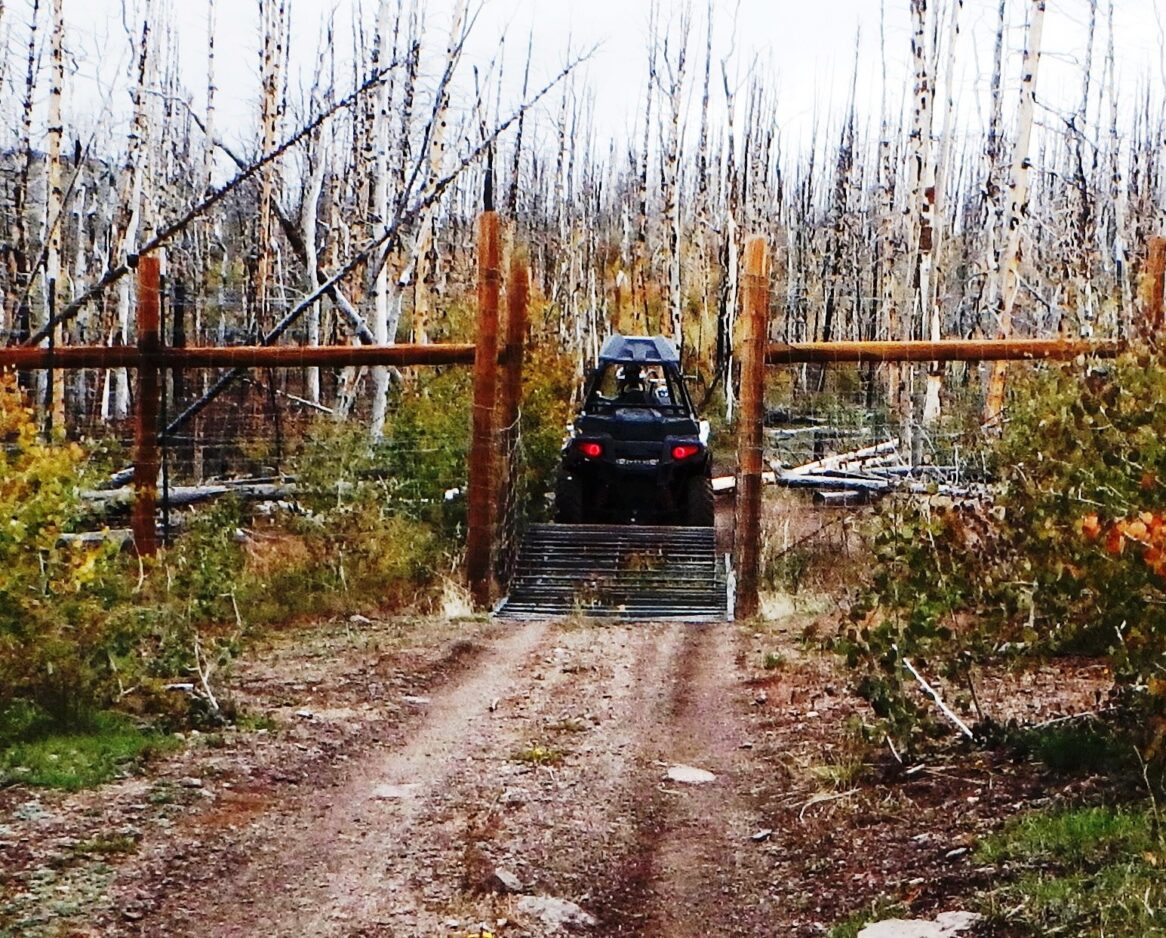
- A different kind of 50-inch gate on the Paiute ATV Trail System.
Width-restricting OHV gates are an essential part of Utah’s off-highway trail system. They are a reason our trails have remained pristine, and why people come from all over the country to ride. Bryan Carter, the natural resource specialist for the Fish Lake National Forest, told me, in fact, they are here to stay, at least in his district. The Paiute ATV Trail System is located in the Fish Lake National Forest.
Carter explained that each National Forest District has a travel plan, and each plan includes trails designed for machines of varying widths. As machines have grown larger, trails have not been updated to accommodate them. It is clear that trails cannot be adjusted to accommodate the rapidly increasing size of machines – riders must know their machines’ width and choose trails that their machines will fit.
Knowing your machine’s width is critical when making modifications to your ride. It may have come off the showroom floor at 50 inches, but with those larger aftermarket tires and mud flaps you have added, it may be wider now. Also, adjusting shocks for a softer ride could change the width.
I was on a ride in the San Rafael Swell with some machines with 40 inches of ground clearance and 85 inches of width. Most of the trails in the Swell will accommodate those machines, but I was on a ride with them on a trail near Mineral Mountain to see the Frisco Kilns. The trail was too narrow, and they were causing real problems.
Max Reid, a member of the Paiute Trails Committee, told me that gate violations on the Paiute Trail System are still a problem. Gates or vegetation around them are being removed to allow a machine to pass. Reid explained that the gates on the Paiute Trail System are not going away.
One of the reasons they are here to stay is that by definition, a 50-inch trail is not a road – it is a trail. During the Clinton Administration, roadless areas were established. No roads were allowed in these regions, but trails are not roads. Trails were permitted, so the 50-inch gates were created to keep them as trails rather than allow them to become roads. Furthermore, the larger machines cause problems because they are too big to negotiate the tight turns on 50-inch trails.
As of Jan. 1, 2023, Utah requires all OHV operators, including resident and non-resident riders, to complete the Utah Off-Highway Vehicle Education Course. There are two courses – one for riders under the age of 18 and one for those 18 and older. Once completed, a certificate is issued certifying that you have taken the course, and it is to be kept on your person when riding Utah trails. The purpose of the course is to:
- Equip operators with awareness of Utah’s OHV laws and rules.
- Increase rider safety.
- Promote respectful, sustainable, and on-trail OHV operation.
- Promote respect for communities affected by OHV operation.
When stopped by a law enforcement officer for a violation, that certificate is proof that you know the rules. If you don’t have the certificate, there is no evidence that you have taken the course required to ride Utah trails. The officer can levy a fine, and in extreme cases, impound your machine.
The new law requires all machines to display a license plate – street-legal machines already have one. All others who ride off-highway only receive a brown plate with black numbers and letters. This allows all machines to be identified on the trail.
To protect the gates, land managers are employing motion-activated trail cameras. They are also reinforcing gates that were previously pulled down. The new license plate requirement will help them identify those who intentionally ignore the rules.
It is essential to know before you go. Some gates may not be at either end of the trail, but in the middle or just at one end or the other. Trail widths are clearly marked on the maps. If you know a trail has a designated width, and your machine is wider, even if you can squeeze through a gate, you are in violation of the rules and the law.
As a rider, I want to protect my right to ride. If I see some activity that jeopardizes my rights, I am going to do something about it. I have a phone with a camera, and I can report it. When you go, take plenty of water, keep the rubber side down, and if you see something, say something.
Lynn R. Blamires can be reached at quadmanone@gmail.com.