Clandestine Competitor
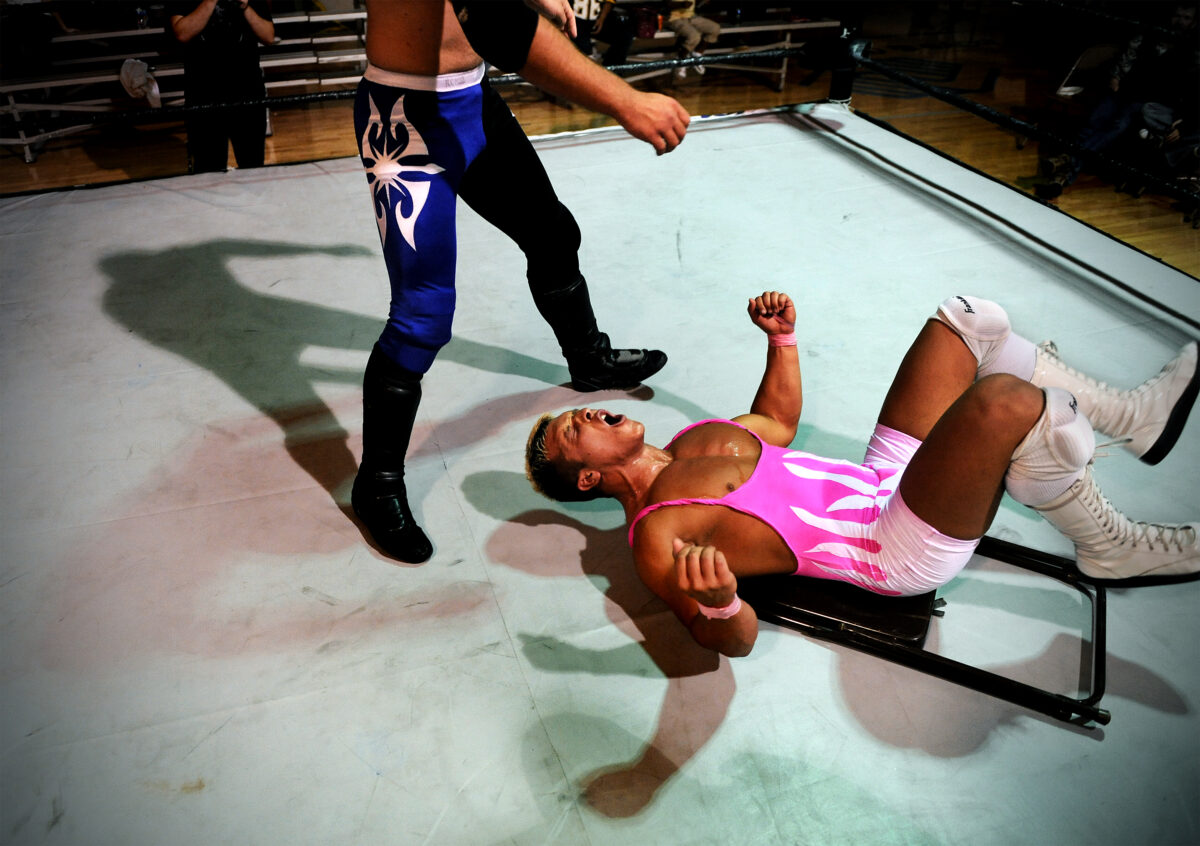
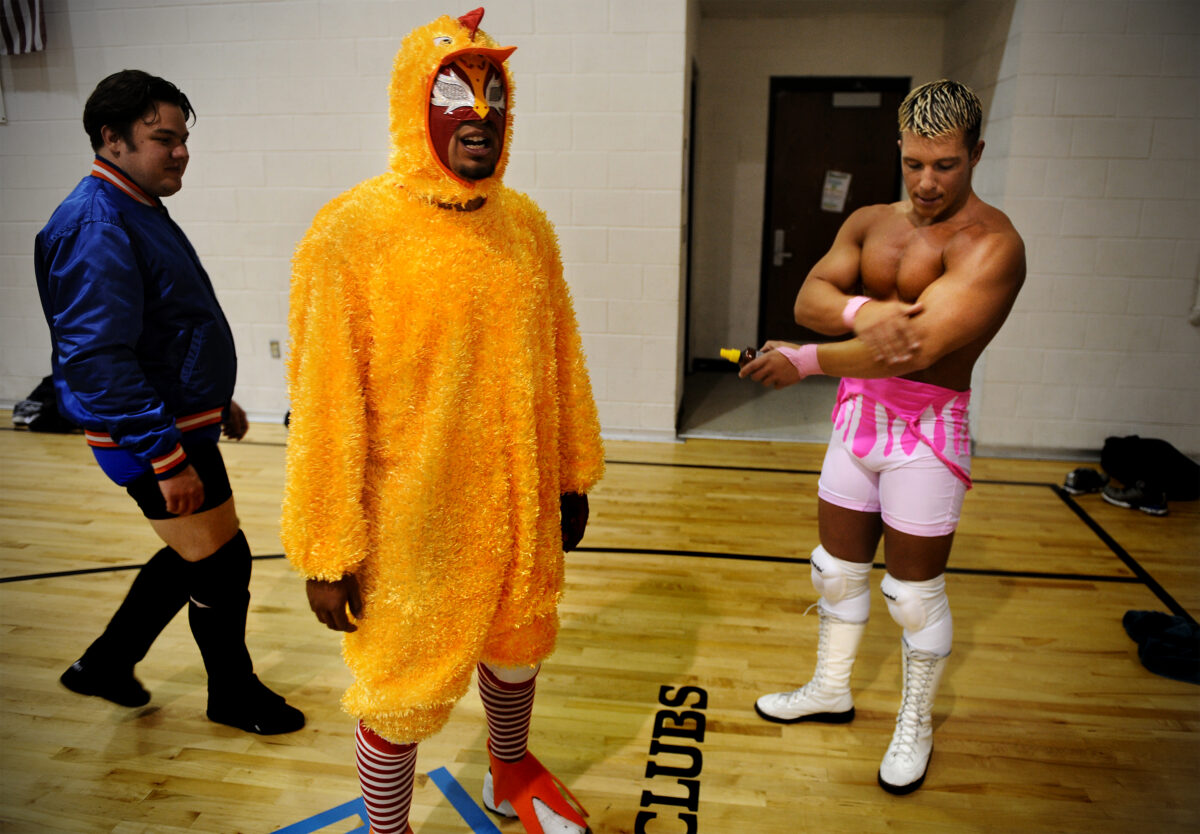
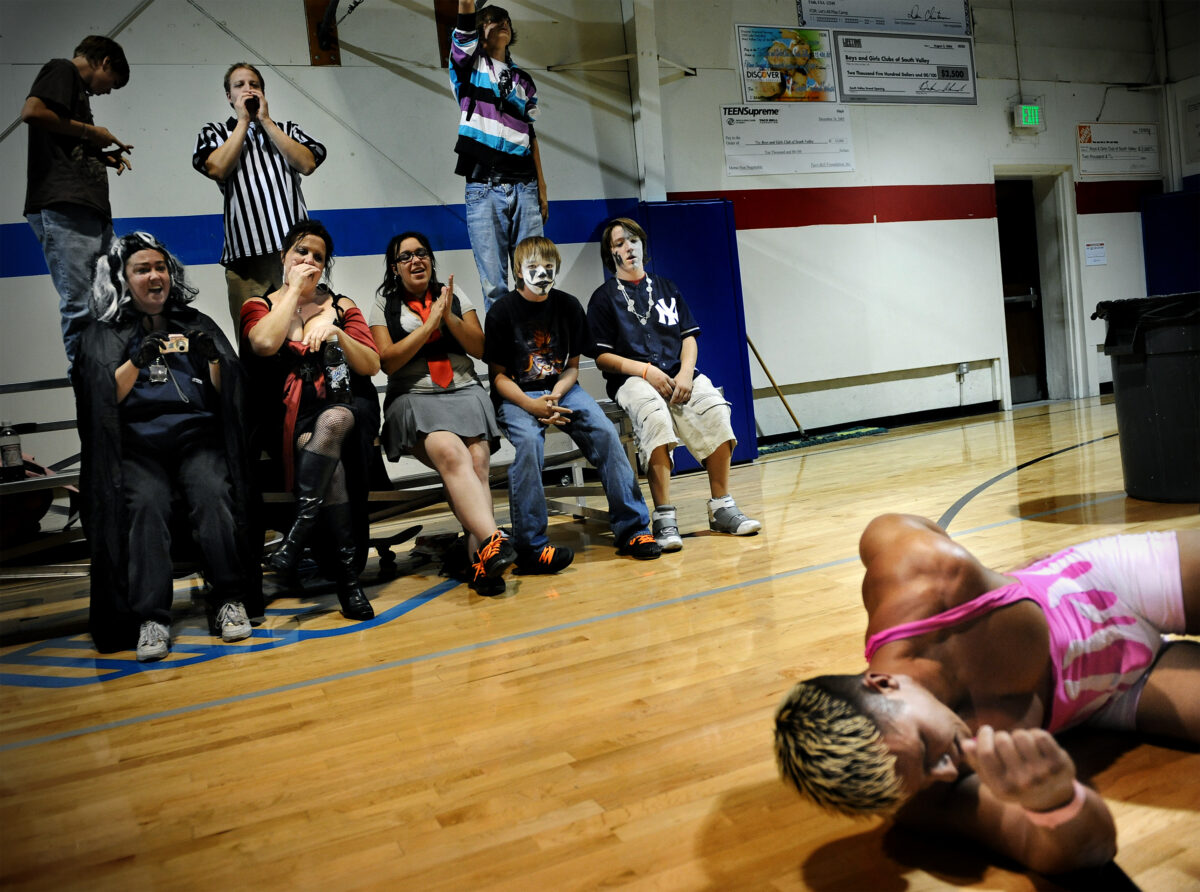
Derrick Hubbard is an average guy – quiet, polite, athletic, a student and young professional – except he has a secret life.
In the morning he studies history education at the University of Utah. By night, he works as a first responder at IM Flash Technologies in Lehi.
But after Hubbard, 24, leaves work and school, he is no longer the same person. He changes his name for the weekend, from Derrick Hubbard to Derrick Jannetty, professional wrestler.
For Hubbard, it all started in the eighth grade when he became fixated with the World Wrestling Entertainment larger-than-life characters like Hulk Hogan.
“It seemed so cutting edge, so cool, and something as a teenager I could identify with,” Hubbard said. “I knew I wanted to become a wrestler and wasn’t shy to announce it, much to the dismay of my parents.”
His father, a football player, wasn’t very fond of his young son’s commitment to wrestling.
“We knew he’d be in the ring with people twice his age and size and my wife and I were always a bit concerned with that,” his father, Jeff Hubbard said. But that didn’t stop Hubbard. He began toting around a popcorn tin, panhandling with it among friends and family. The tin read: Derrick’s wrestling school fund.
Not long after, Hubbard and his pal Ricky Mounteer were knocking on the door of Steve Neilson, the president of NWA-Ultra Championship Wrestling-Zero in Salt Lake City.
“About 16 years old, the two said, ‘We want to be wrestlers,'” Neilson said.
Neilson had just started the wrestling organization in 2000 after he witnessed his sons wrestling in the backyard with friends.
“Whoa, you guys. This has to stop. Someone is going to break their neck,” Neilson remembered he said to his boys. “We can figure out how to do this structured.”
So with that, he built a ring in his basement using old mattresses and supervised all of their events before eventually buying a used boxing ring and establishing the now-nationally recognized company.
Hubbard would dive off the top rope and pile-drive friends in Neilson’s ring, the same ring in which he still wrestles, as much as possible while growing up.
Hubbard was so dedicated when he first started, that Neilson said he would drive down to Saratoga Springs to pick him up, and take him back, three days a week so he could train.”
And that’s exactly what Hubbard did from age 16 to 21. He lived day-to-day for wrestling. Whether he was competing, watching it on television or playing wrestling video games.
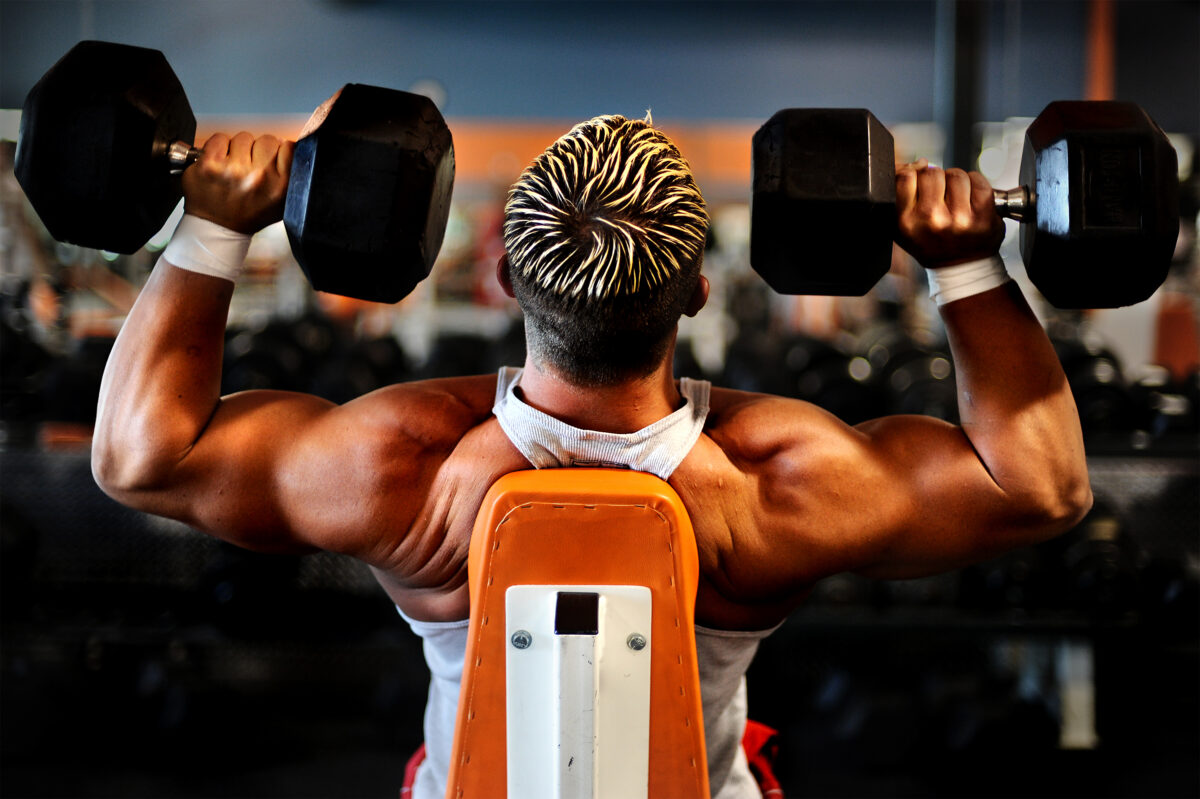
He began lifting weights in order to become the perfect wrestler, too. He does it partly to stay in shape, and partly for aesthetics. Wrestling and working out became his lifestyle.
However, because it’s a way of life many don’t comprehend, he left co-workers and peers in the dark.
“When you get to be something else, suspending your normal life to do something that’s, to a lot of people, off the wall or juvenile, it’s special.” Hubbard said. “It’s escapism.”
“I don’t know if I am really embarrassed, I just don’t think it’s completely accepted.” Hubbard said.
But wrestling is so much more than it seems when watching programs such as WWE Monday Night Raw, a top-rated professional wrestling program, he mentioned.
“You take ad lib, mix that with athleticism and put it in a theatrical sense — that’s wrestling.” Hubbard said. “If people looked at it through that lens, instead of the realm that it’s fake or low-society, they’d appreciate it a lot more.”
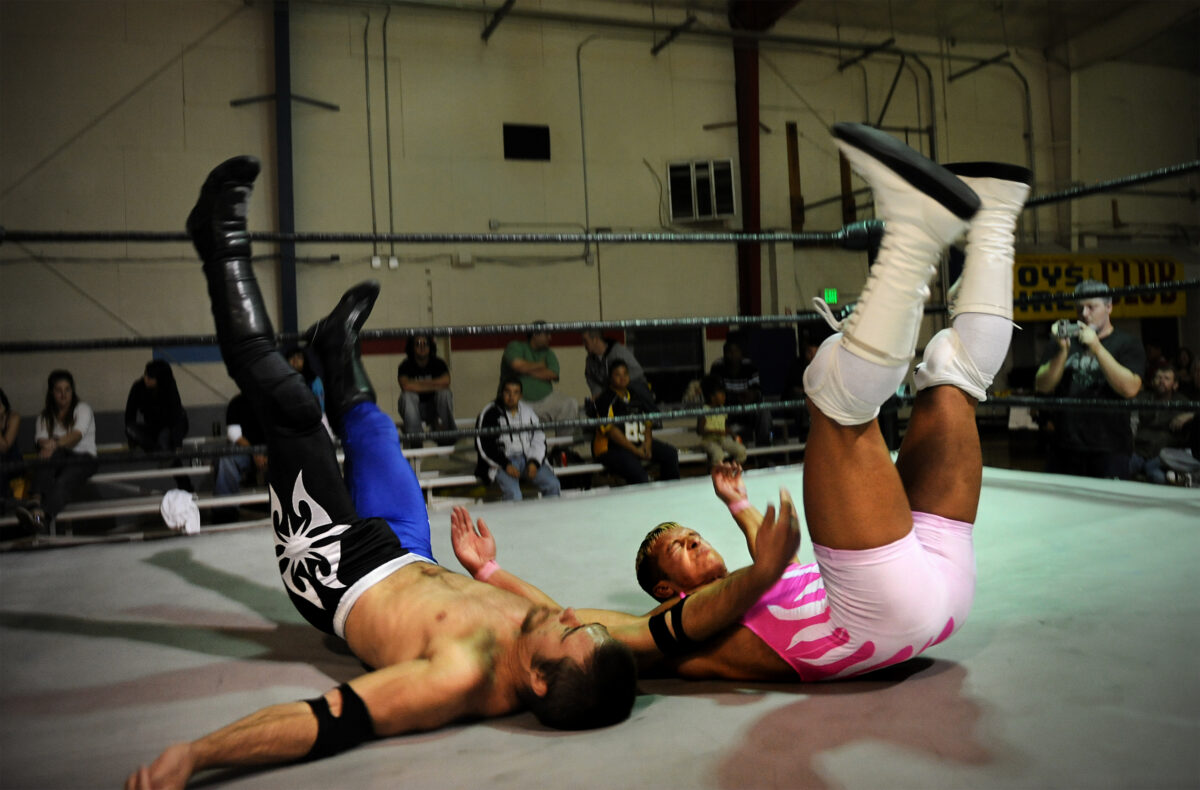
Typically thought of as fake, there is nothing phony about pro-wrestling, or now frequently called sports entertainment.
“The WWE has become a lot of verbal soap opera. We make it happen in the ring,” Neilson said.
Neilson and Hubbard both describe wrestling as classic storytelling, good guys versus bad guys, with a lot of athleticism and physicality.
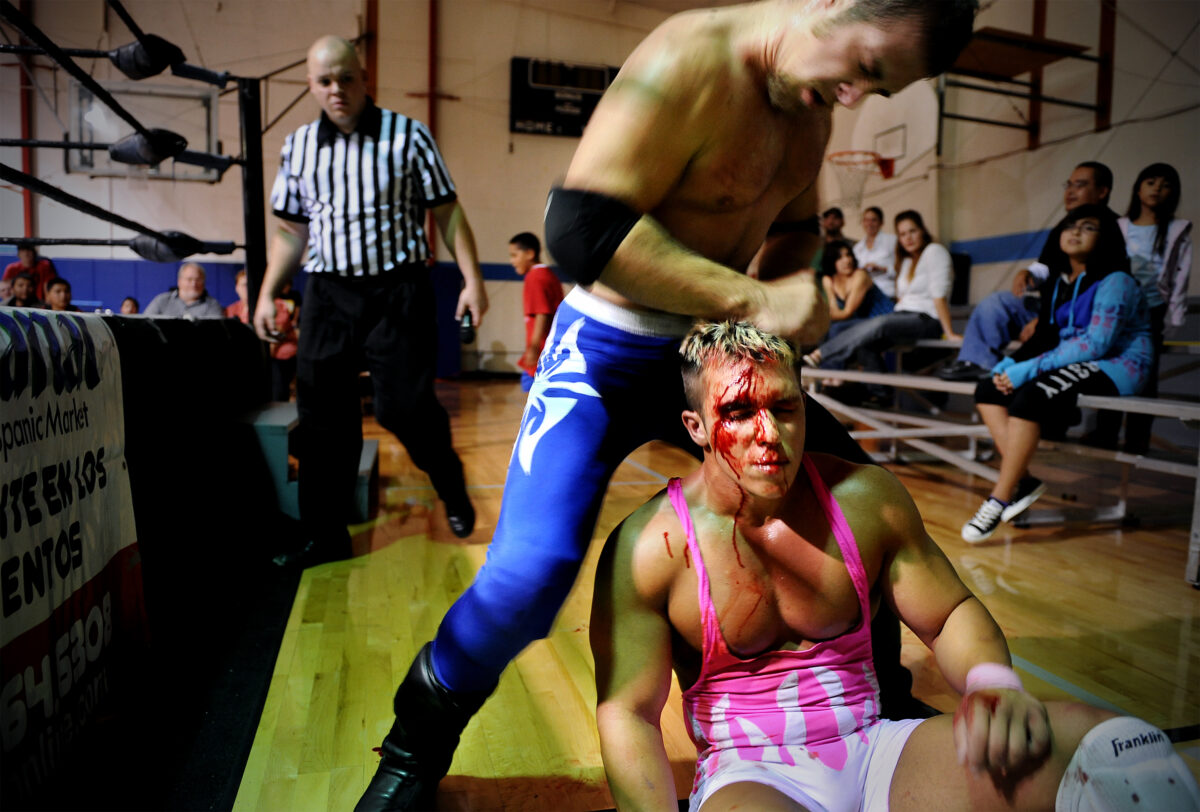
“You’re trying to convey emotional contagion to the audience to suspend the aspect that it’s a performance and have them believe what you’re doing,” Hubbard added. “It doesn’t feel nice either. The ring is not soft and hurts; I can attest to that.”
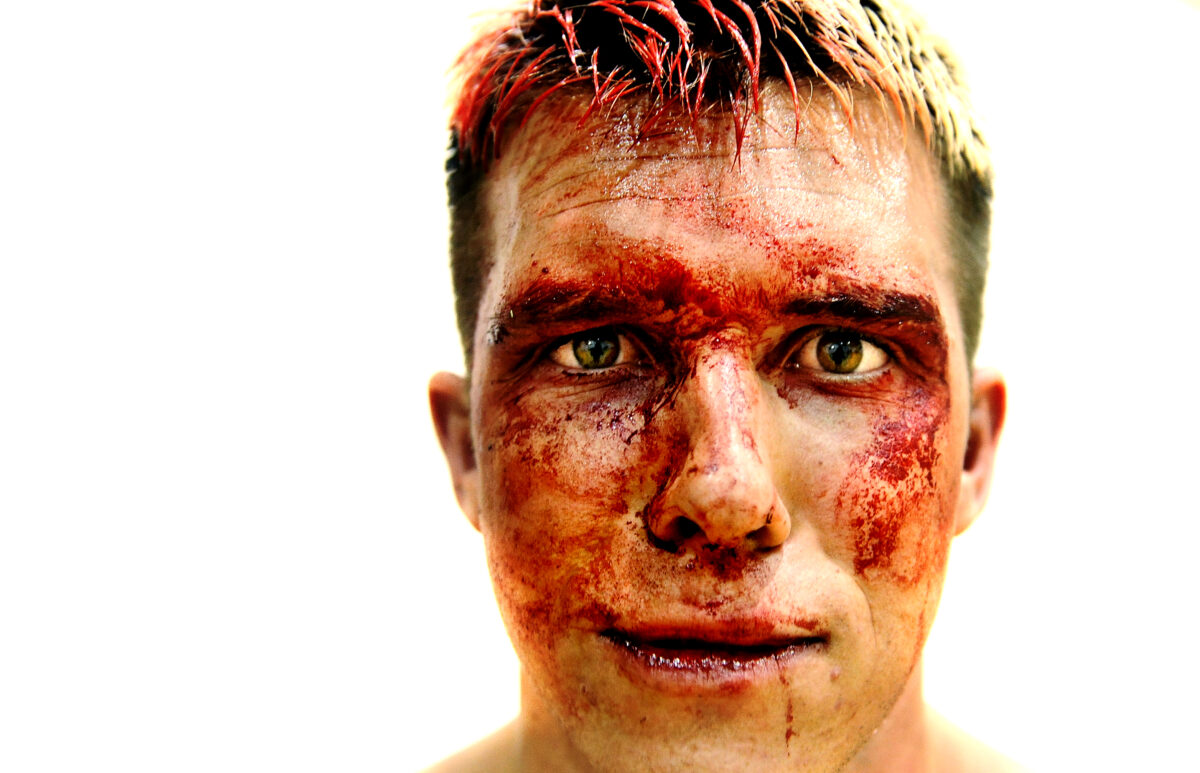
Hubbard has been injured every year since beginning the sport. He averages five to six black eyes a year, has had multiple concussions, hundreds of stitches, a broken tailbone, and most violently, a T7 vertebrae compression fracture in 2005, which left him in a back cast for months.
It’s no secret that wrestlers need to be durable, tough and athletic. And for independent wrestlers like Hubbard, they need to have another way to pay the bills.
Most of them make from $20 to $50 per event. “The hardest part is the commitment,” Hubbard said. “It’s so easy just to go through the motions, but with whatever you do, it’s all about perseverance.”
While Hubbard’s passion and determination to be a better wrestler is a constant in his life now, he said he does it for fun, not fame or fortune.
He has no goal of becoming a WWE superstar, nor even to still be wrestling in 10 years, but would still like to be involved in the sport somehow.
“Two things that have always stayed the same and will continue to in my life are heavy metal and wrestling.”
The next NWA-Ultra Championship Wrestling-Zero event is being held in Murray on Saturday, Oct. 24. For more information visit: http://www.ucw-zero.com/