Survey shows locals love American Fork Canyon just the way it is
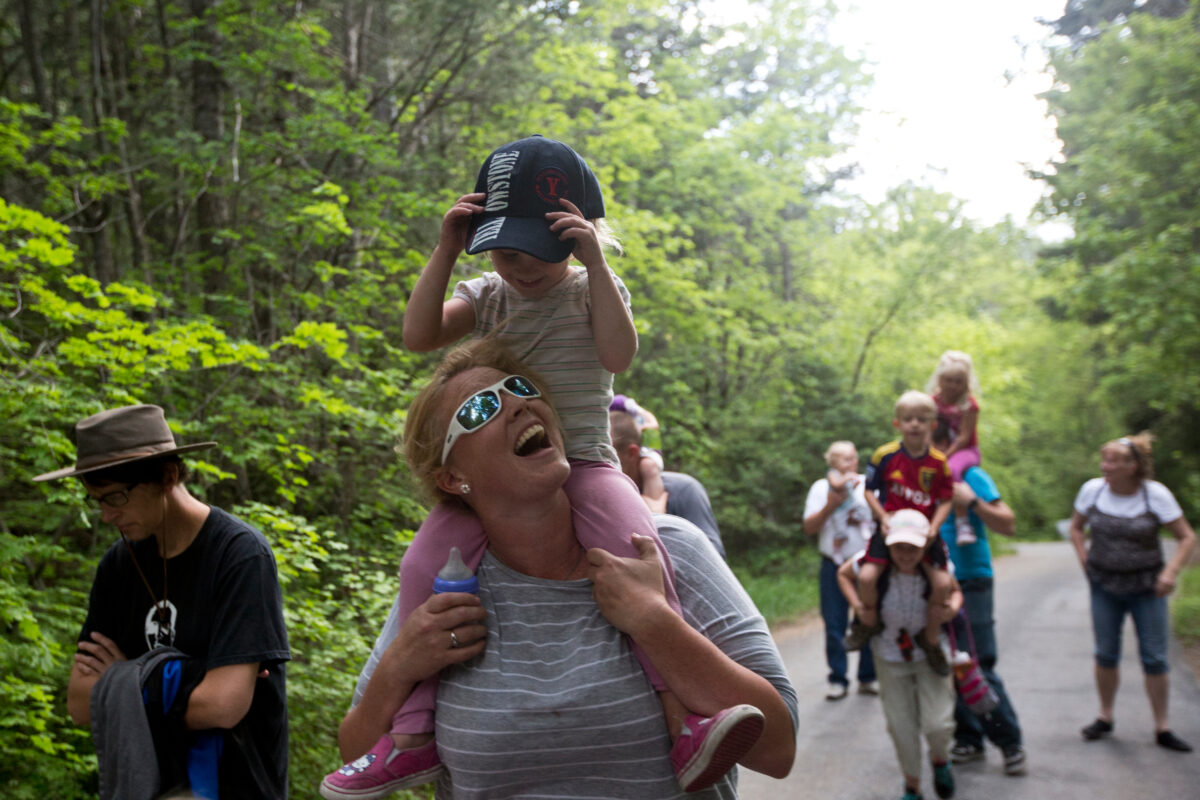
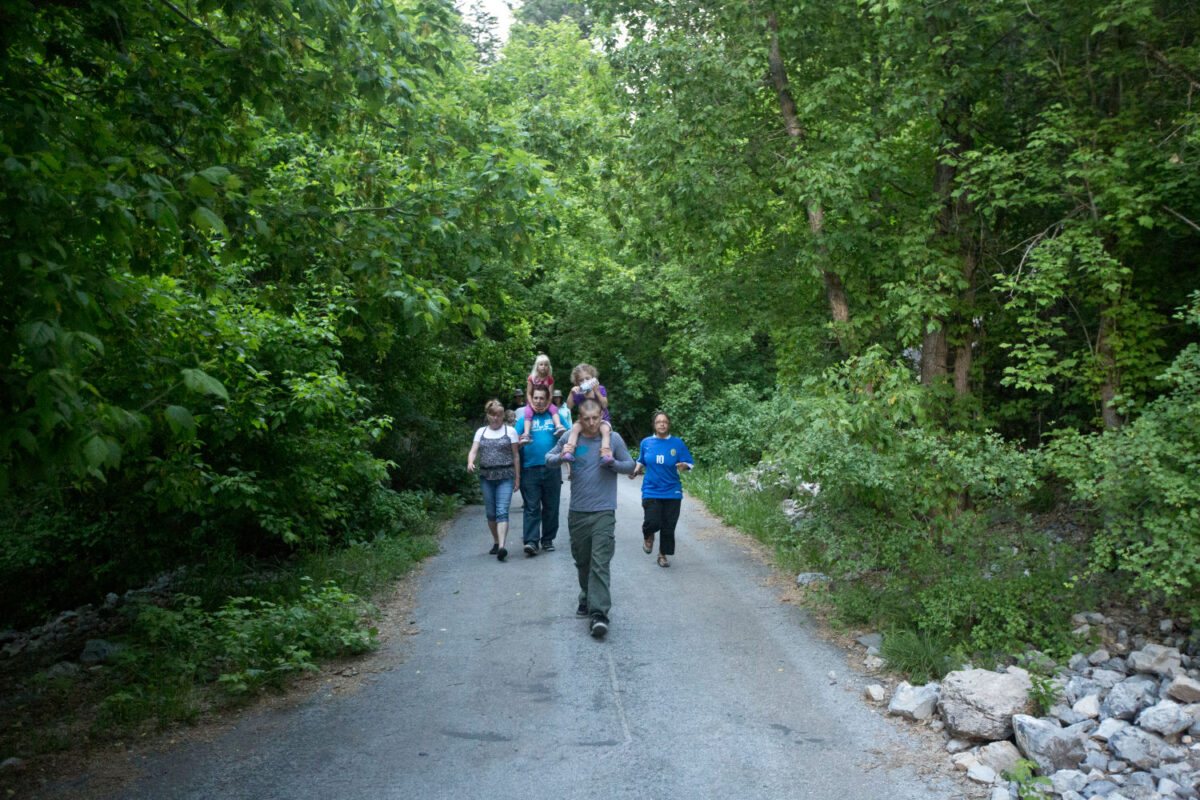
The Cline family enjoys a hike in American Fork Canyon, Monday, June 6, 2016. The canyon area is popular for locals and tourists for its hiking, biking, caving and climbing areas as well as campsites.
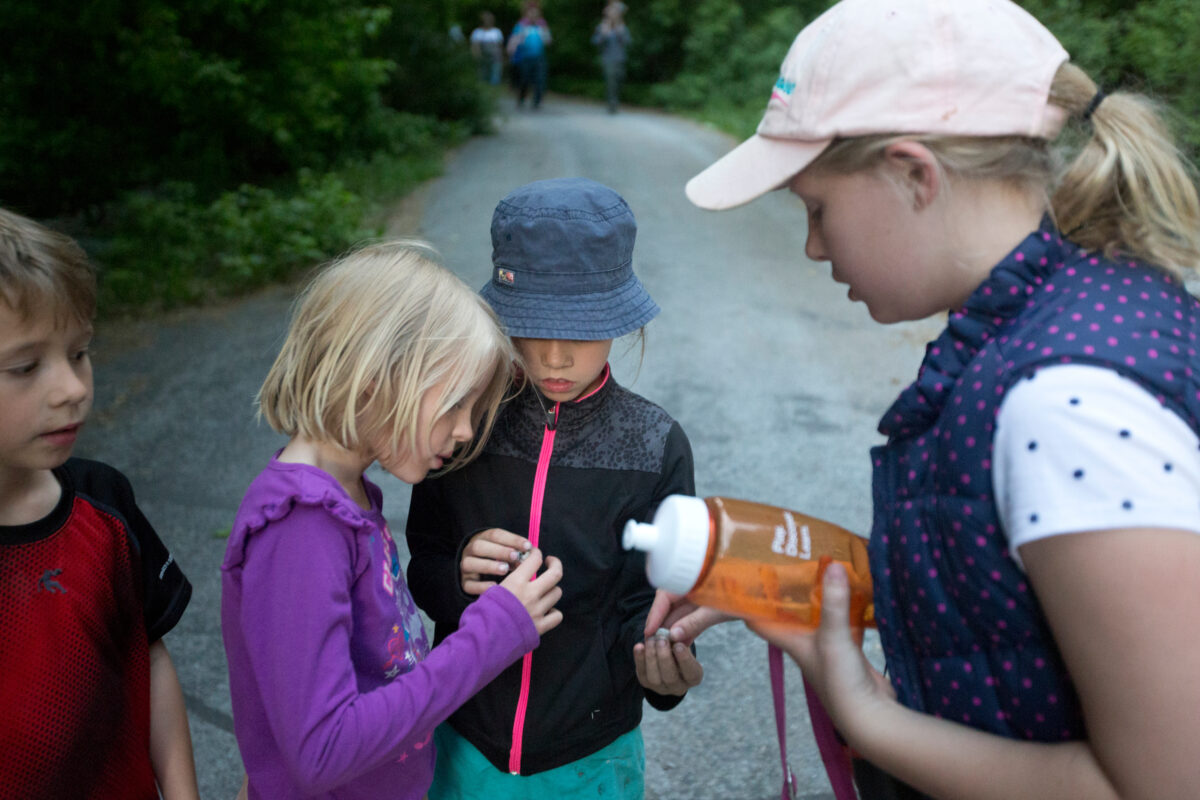
The Cline children check out a snail shell in American Fork Canyon, Monday, June 6, 2016. The canyon area is popular for locals and tourists for its hiking, biking, caving and climbing areas as well as campsites. Sammy Jo Hester, Daily Herald
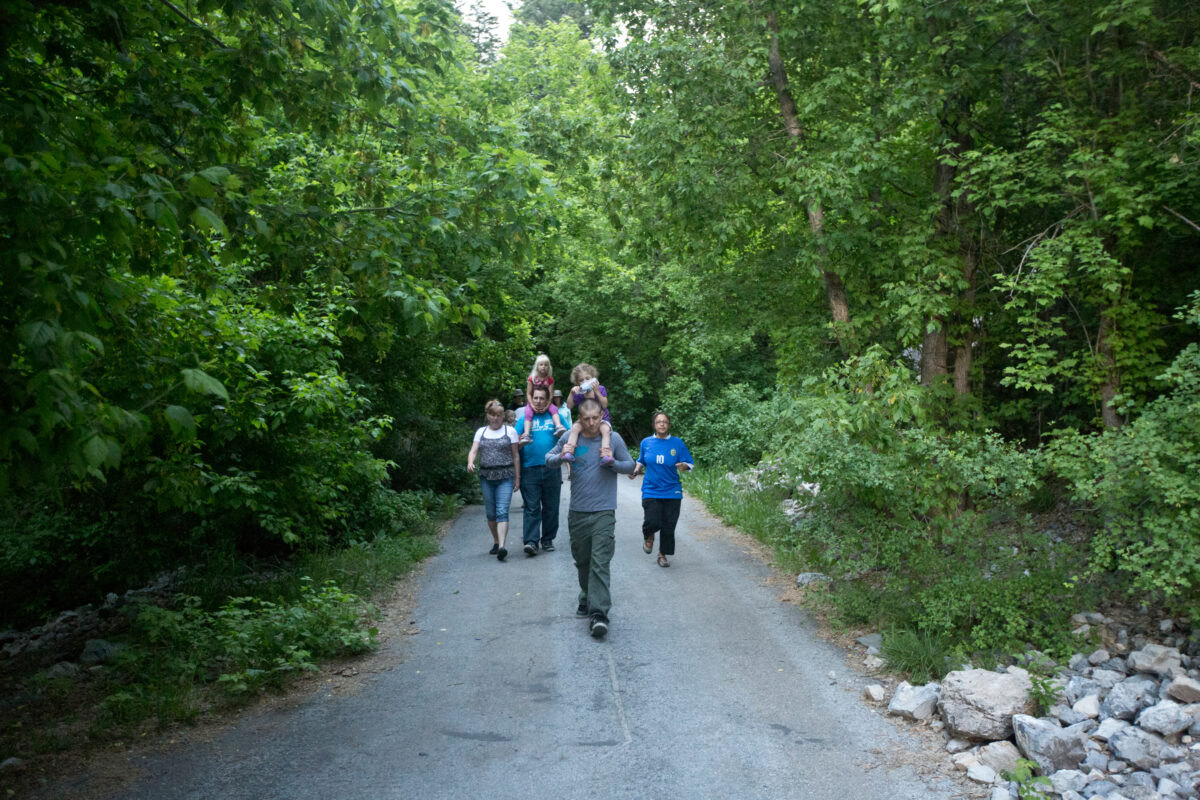
The Cline family enjoys a hike in American Fork Canyon, Monday, June 6, 2016. The canyon area is popular for locals and tourists for its hiking, biking, caving and climbing areas as well as campsites. Sammy Jo Hester, Daily Herald
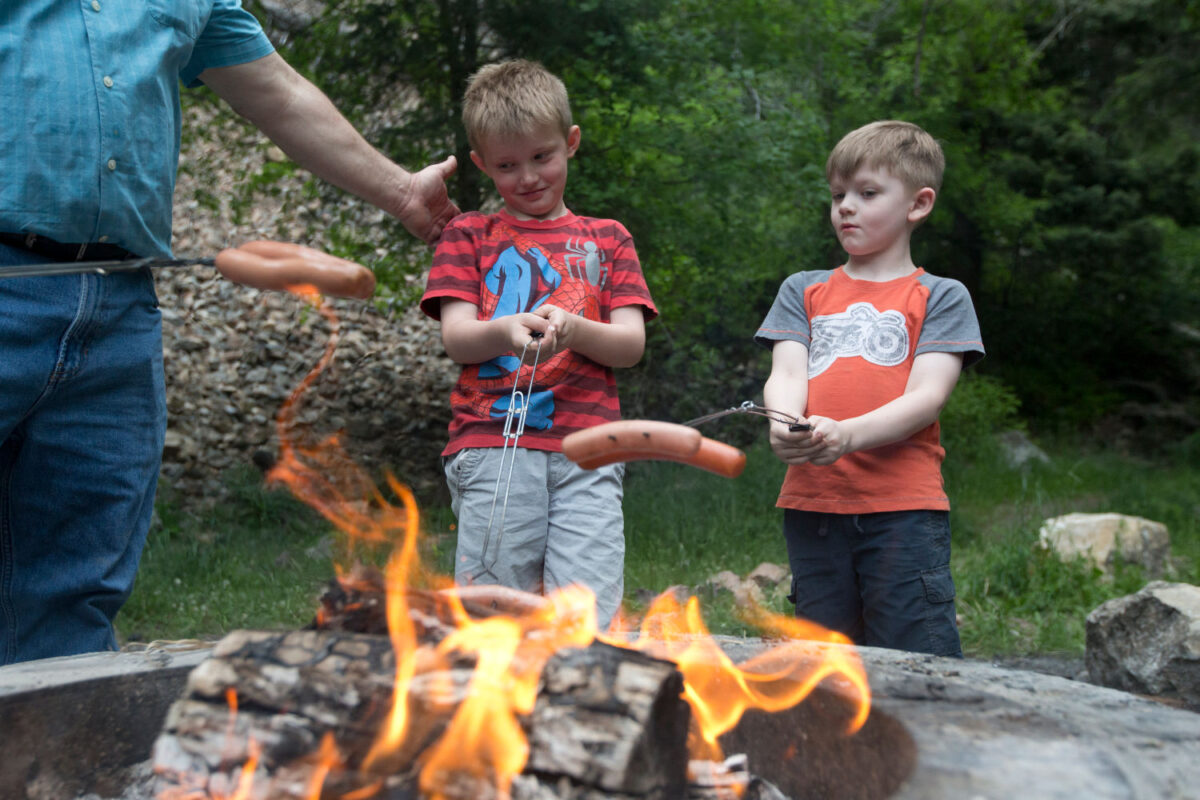
Siblings Jayden and Alex Sorenson roast hotdogs in American Fork Canyon, Monday, June 6, 2016. The canyon area is popular for locals and tourists for its hiking, biking, caving and climbing areas as well as campsites. Sammy Jo Hester, Daily Herald
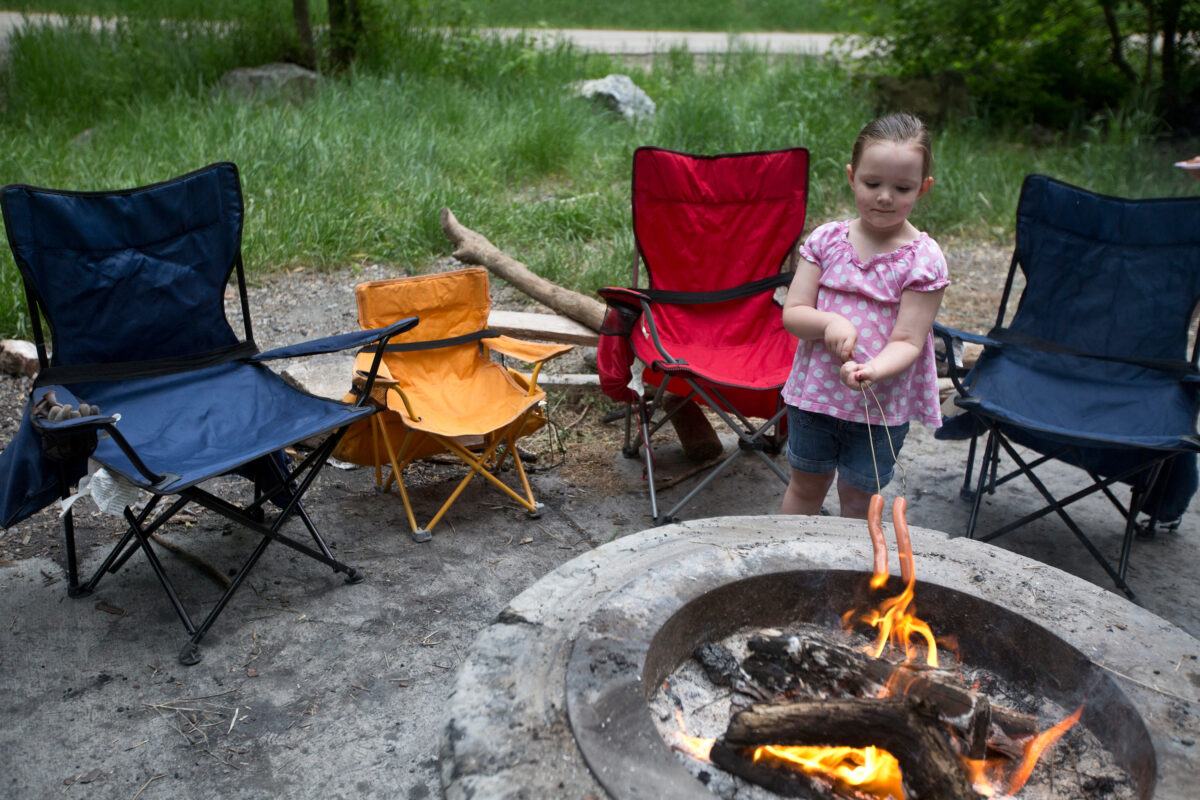
Kaia Blackhurst roasts a hot dog in American Fork Canyon, Monday, June 6, 2016. The canyon area is popular for locals and tourists for its hiking, biking, caving and climbing areas as well as campsites. Sammy Jo Hester, Daily Herald
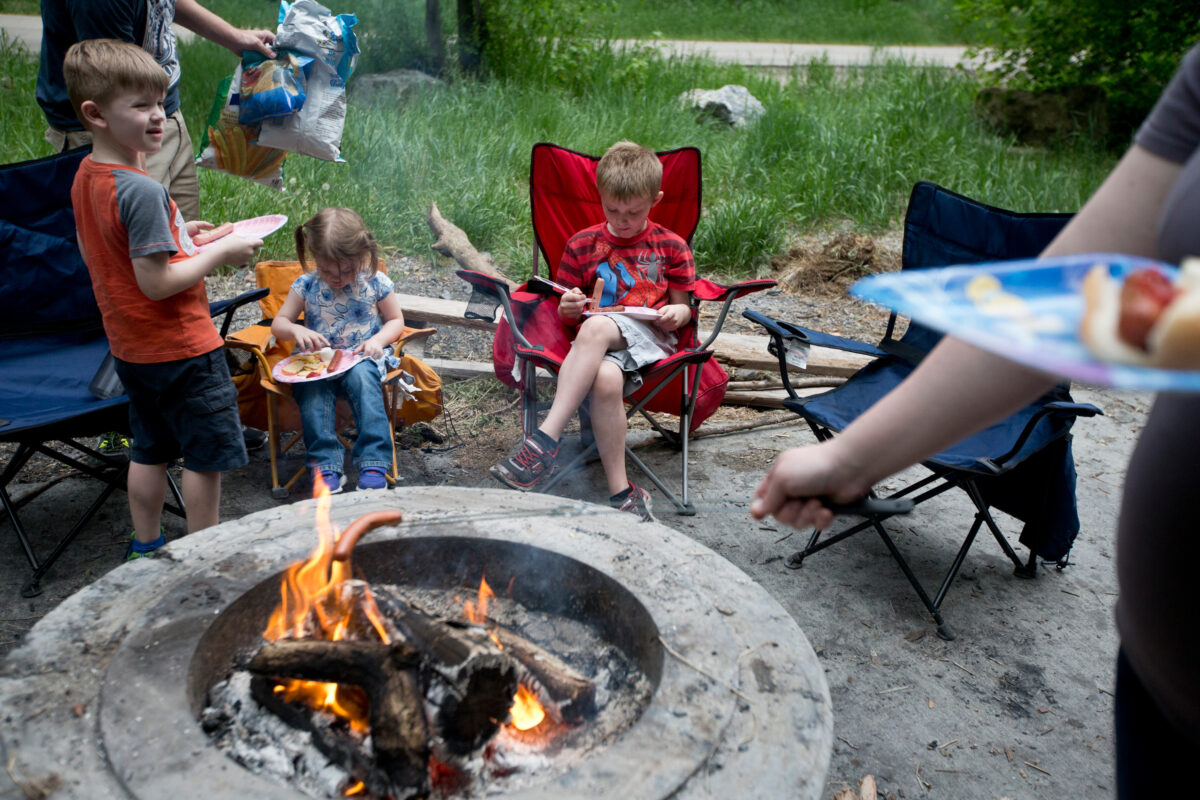
Families enjoy a picnic in American Fork Canyon, Monday, June 6, 2016. The canyon area is popular for locals and tourists for its hiking, biking, caving and climbing areas as well as campsites. Sammy Jo Hester, Daily Herald
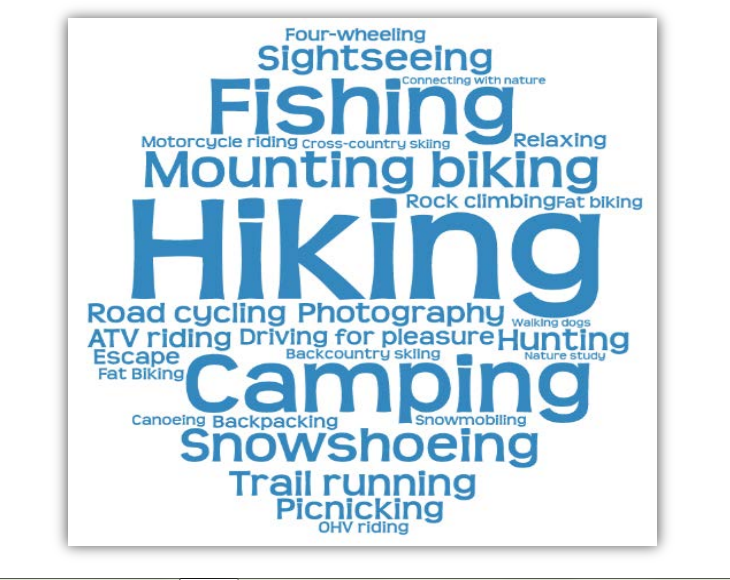
Top recreational activities mentioned in American Fork Canyon/Alpine Loop are on the word map above.
The word map shown below presents the recreational activities respondents listed as being their one to three favorite on the Pleasant Grove Ranger District. The size of the word is related to how often respondents mentioned it. For example, the majority of respondents said hiking was their favorite recreational activity, and therefore it is the largest. Fishing and camping were the next most mentioned activities, followed by mountain biking and snowshoeing, and a host of other activities. The website Tagul was used to develop the word map.
Time together
The Cline family enjoys a hike in American Fork Canyon, June 6. The canyon area is popular for locals and tourists for its hiking, biking, caving and climbing areas as well as campsites. http://bit.ly/1rkl0CY
After a year of waiting, American Fork Canyon Vision’s canyon user survey results are available to the public.
Some statistics gathered via the survey confirm what some already knew — the locals love their canyon.
Government leaders say the study results may still be valuable even though the organization that contracted the survey no longer exists.
“There are two different components going on. We had American Fork Canyon Vision going on, so the survey component was going to serve that Vision effort,” said Shawn Seager with Mountainland Association of Governments.
In his opinion, the National Forest Service will likely use the results of the study in its future planning meetings, Seager said.
Elected officials in Utah County and members of AFC Vision put the state-funded organization on hold since Spring 2015 when it was found Mountain Accord had crossed over its county boundary into American Fork Canyon and that Snowbird Resort had donated $40,000 to AFC Vision.
The donation was eventually returned, and everything but the already-funded study was dropped.
“We just stopped use of the Vision completely,” Seager said.
According to Chase Lamborn, a research associate with the Institute for Outdoor Recreation and Tourism, the survey results found people who use the American Fork Canyon area “generally are more white, more educated, have more money than median household income.”
Lamborn presented the study, officially called the “2015-2016 Pleasant Grove Ranger District Visitor Use Study,” on Monday night at Highland City Hall.
Nearly 80 percent of people using the canyon for recreation live within a 40-mile radius of Tibble Fork, and 58 percent spend less than three hours in the canyon at any one time, the report showed.
Only 4 percent of its users camp overnight, while 24 percent stay for half a day to recreate.
Most importantly, 88 percent of those using the canyon for recreation were very satisfied with the canyon as a resource.
“This is really good as far as results are concerned. All the work I’ve done, this is the highest result I’ve ever seen,” Lamborn said, adding 70 percent would be closer to the expectation.
The top four recreation activities cited were hiking (43.1 percent), motorized vehicles (10 percent), driving for pleasure (8.2 percent) and picnicking (6 percent).
“Many people saw it as a very valuable resource,” said Steven W. Burr, a USU Extension specialist who works with the Institute for Outdoor Recreation and Tourism.
“They saw it as great recreation as if it was in their own backyard,” Burr said. “It’s a great resource to have.”
Each one of the three Utah County commissioners have a copy of the survey results and have been briefed on the numbers.
There were a few surprises in the survey results such as most visitors to American Fork Canyon are those who live within a 40-mile radius, most are happy with the canyon the way it is as a resource, and most do not want public transportation offered as an alternative to access the canyon.
Perhaps not so surprising, 100 percent of canyon users surveyed did not want a ski resort expansion into the canyon.
“The statistics presented tonight coincide with what we have been saying, ‘zero percent support for Snowbird’s expansion plans,'” said Marc Allen, co-founder of Protect and Preserve American Fork Canyon.
“People love American Fork Canyon and desire it to be protected and preserved,” he added.
Utah State University students began the study more than one year ago to find about the canyon’s current uses.
“It’s really important to understand how the study was conducted,” Lamborn said. “We used a template, but we wanted to tweak it a little bit more to the area and issue specific.”
The students who conducted the survey in American Fork Canyon were able to take 1,722 surveys from canyon users and turned in 212 follow-up surveys.
More information on the survey results can be found online at afvision.org, or https://extension.usus.edu/iort/ for the follow-up survey report.