LDS Elder D. Todd Christofferson relates lessons from Watergate experience
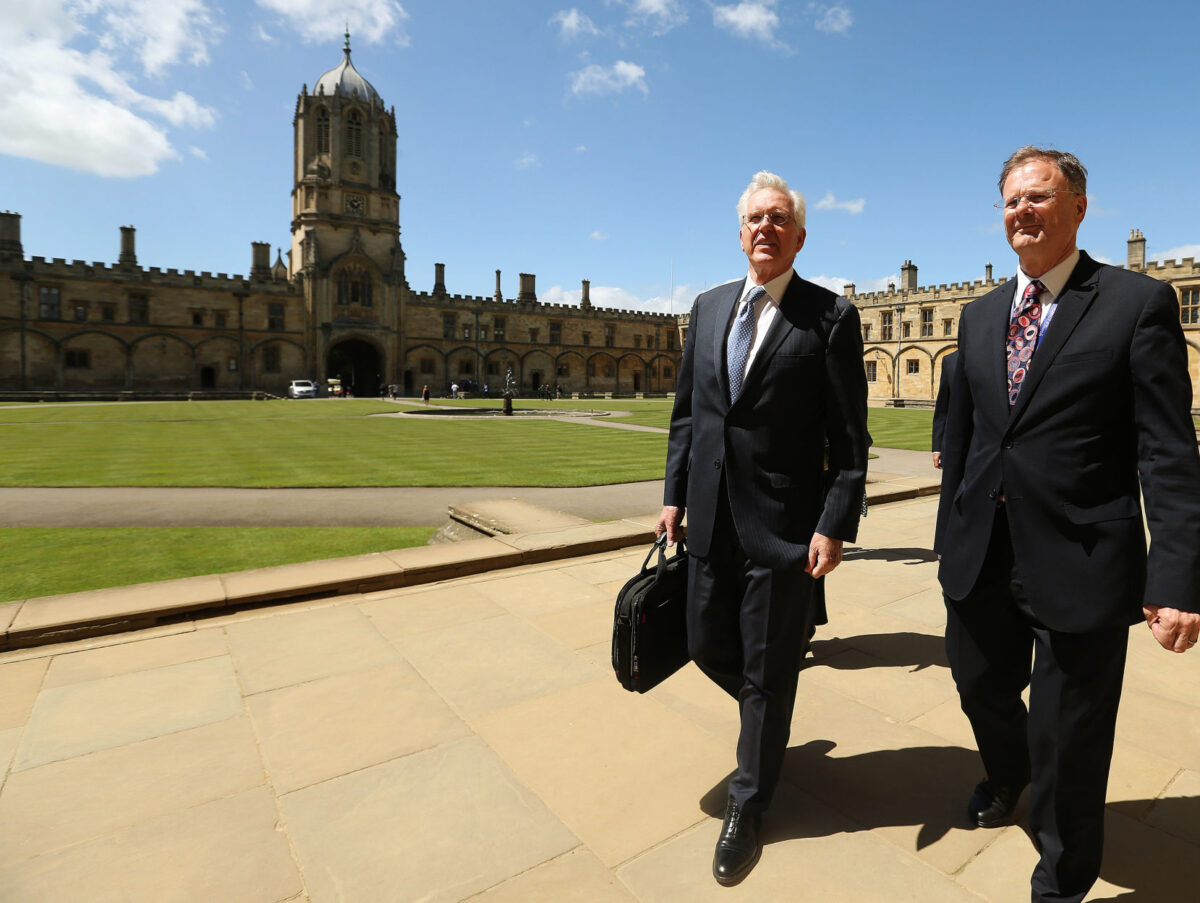
Elder D. Todd Christofferson, member of the Quorum of the Twelve Apostles of The Church of Jesus Christ of Latter-day Saints, gets a tour from Philip Tootill at Christ Church, Oxford University prior to speaking in Oxford, England on Thursday, June 15, 2017.
{div class=”big-picture-block”}{div class=”caption-bar”}
{/div}{/div}
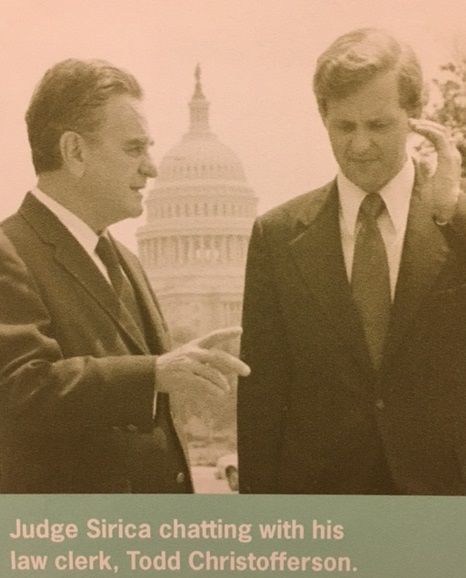
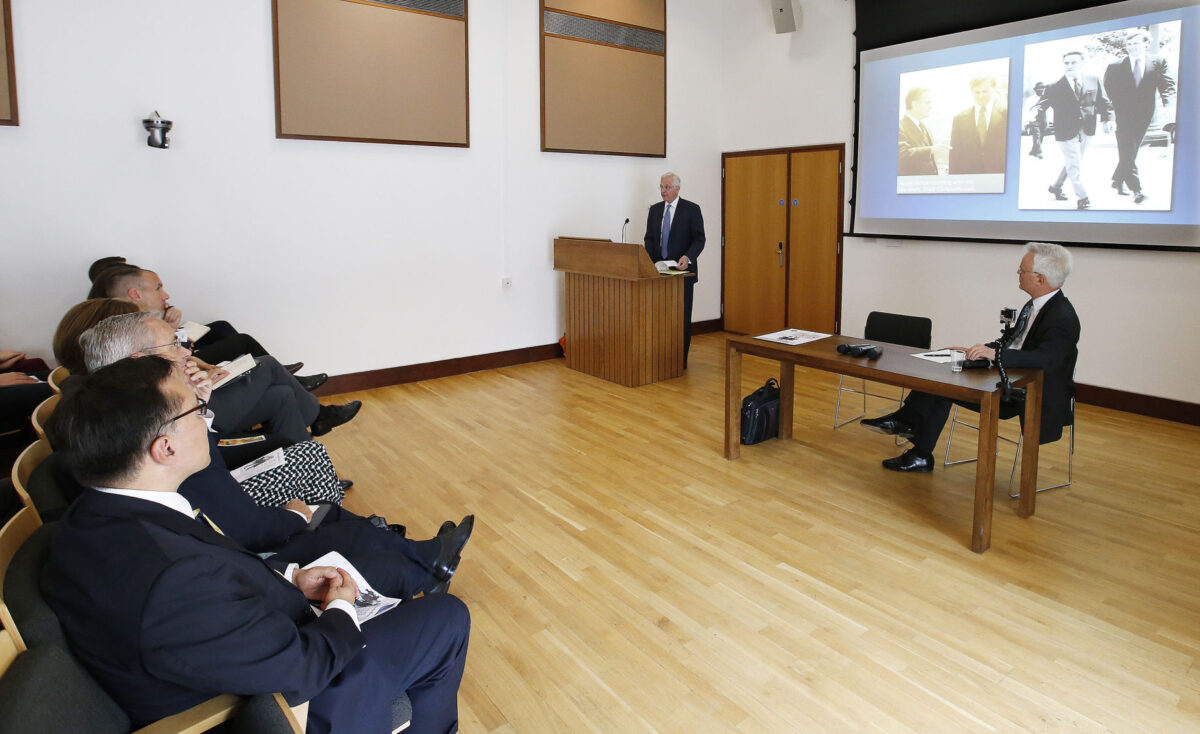
Elder D. Todd Christofferson, member of the Quorum of the Twelve Apostles of The Church of Jesus Christ of Latter-day Saints, speaks at Christ Church, Oxford University in Oxford, England on Thursday, June 15, 2017.
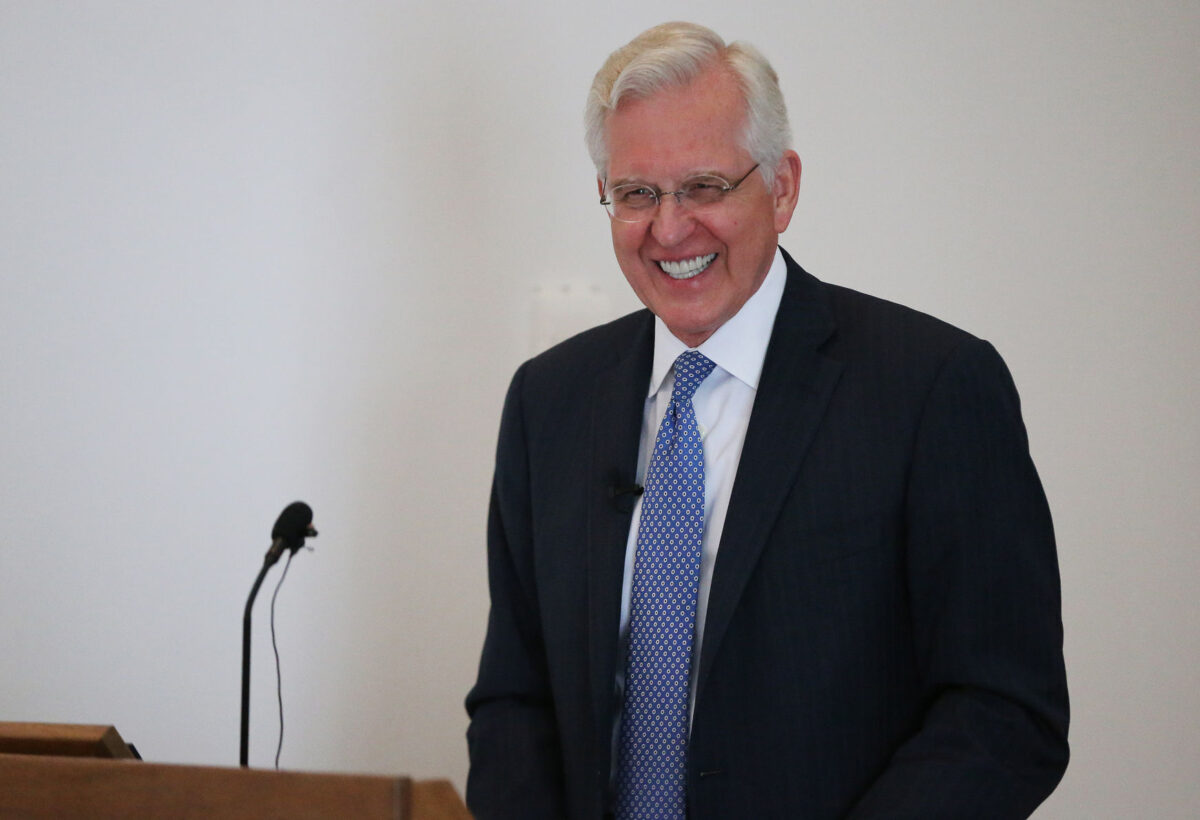
Elder D. Todd Christofferson, a member of the Quorum of the Twelve Apostles of The Church of Jesus Christ of Latter-day Saints, speaks at Christ Church, Oxford University in Oxford, England on Thursday, June 15, 2017.
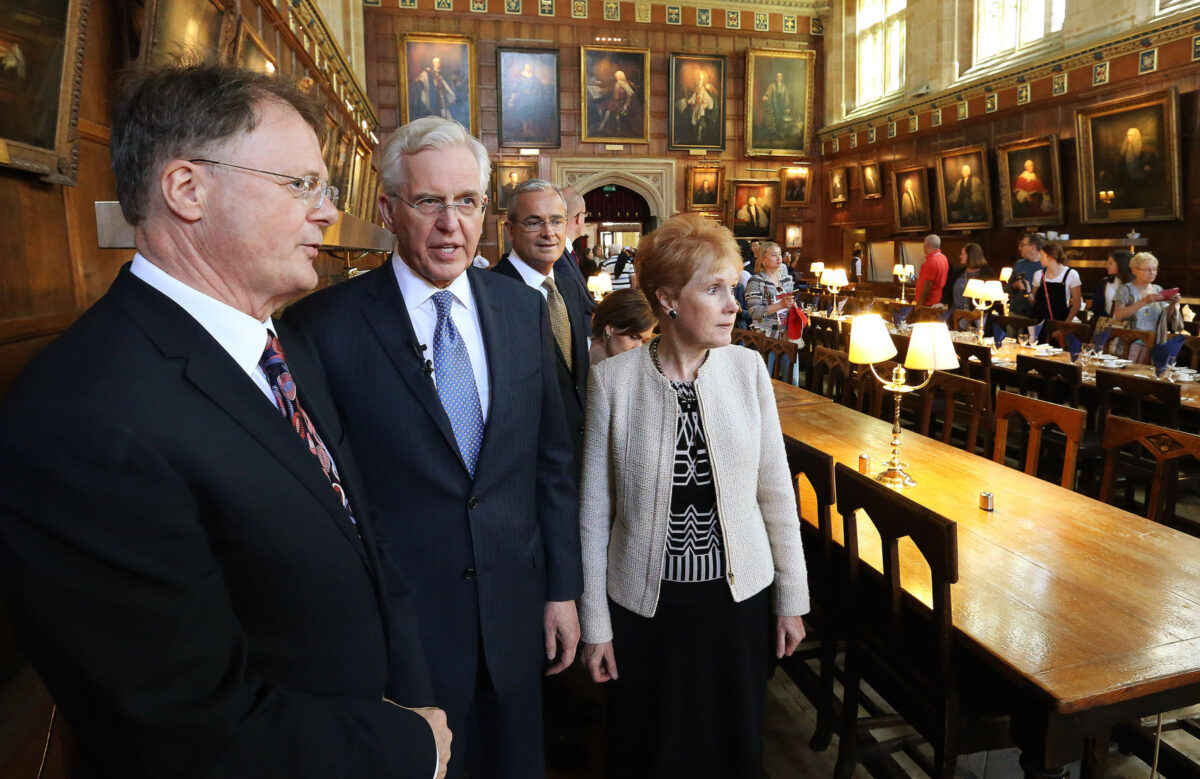
Elder D. Todd Christofferson, a member of the Quorum of the Twelve Apostles of The Church of Jesus Christ of Latter-day Saints, gets a tour from Philip Tootill at Christ Church, Oxford University prior to speaking in Oxford, England on Thursday, June 15, 2017. The dining hall was used in the Harry Potter films.
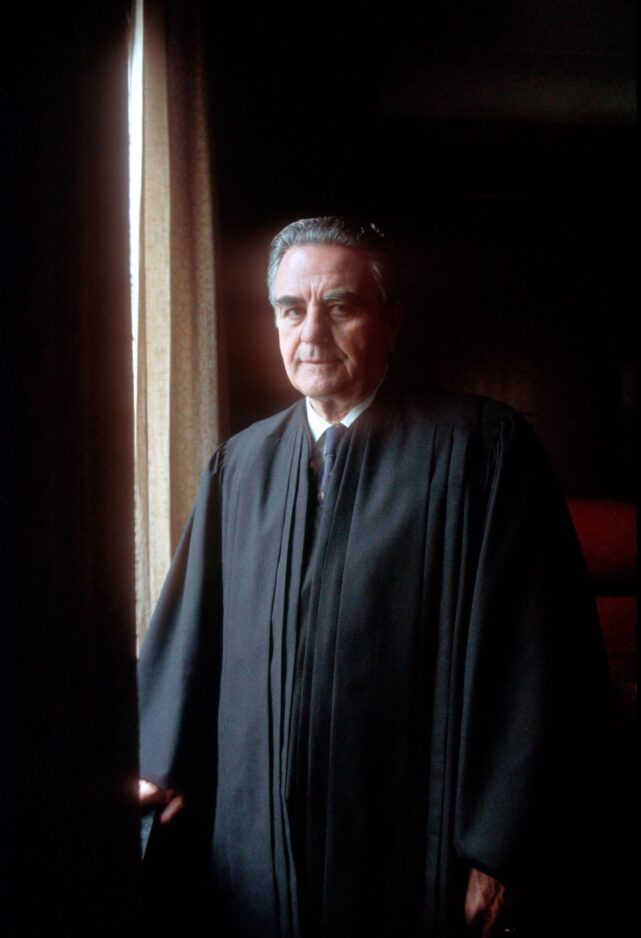
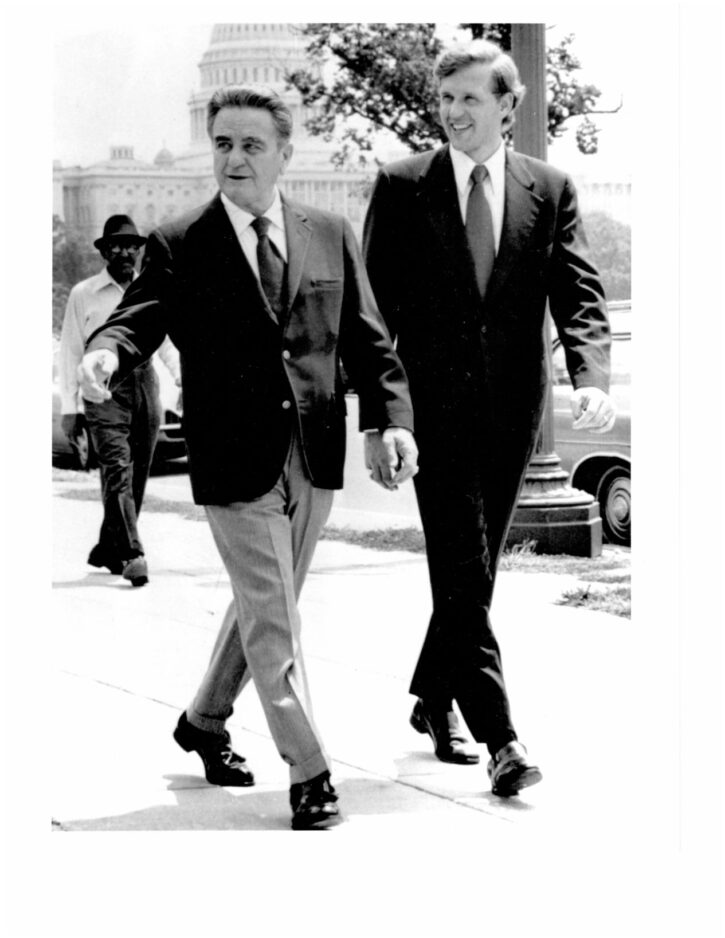
Two of the first people to listen to the infamous Nixon Watergate tapes outside of the White House were federal Judge John J. Sirica and a young law clerk who would later become an apostle for The Church of Jesus Christ of Latter-day Saints.
Elder D. Todd Christofferson, a member of the church’s Quorum of the Twelve Apostles, spoke Thursday to students and faculty at the University of Oxford in England about his experiences serving as a law clerk for Sirica in the United States District Court in Washington, D.C. in the early 1970s.
“I had what you would call a ‘ringside’ seat at the Watergate trials,” said Christofferson, according to a transcript posted on Mormon Newsroom. “On one occasion the judge said to me, ‘I hope you appreciate this. Not many law clerks get an experience like this.’ And then he paused and said, ‘I guess not many judges do either.'”
Saturday marks 45 years since the day of the break-in at the Democratic National Committee headquarters at the Watergate Hotel. The scandal that followed the break-in led to the resignation of President Richard Nixon in 1974.
During the course of the investigation into the cover-up of the break-in, White House aide Alexander Butterfield revealed that Nixon had arranged to record all meetings that happened in the Oval Office and in the president’s office in the Executive Office Building next door, as well as a phone line.
The issue of releasing those tapes were argued before Sirica.
“I remember clearly the moment in his chambers on Aug. 29, the judge sitting at the table, his order and opinion enforcing the tapes subpoena before him,” Christofferson recalled. “He was about to make the order public. I stood beside him as he paused, pen in hand, for what seemed a long, dramatic moment, then he said out loud, ‘It is right,’ and signed the order.”
According to Christofferson, Nixon tried to fight the subpoenas, but public outcry over his attempt to fire the special prosecutor over the case forced him to turn over the tapes.
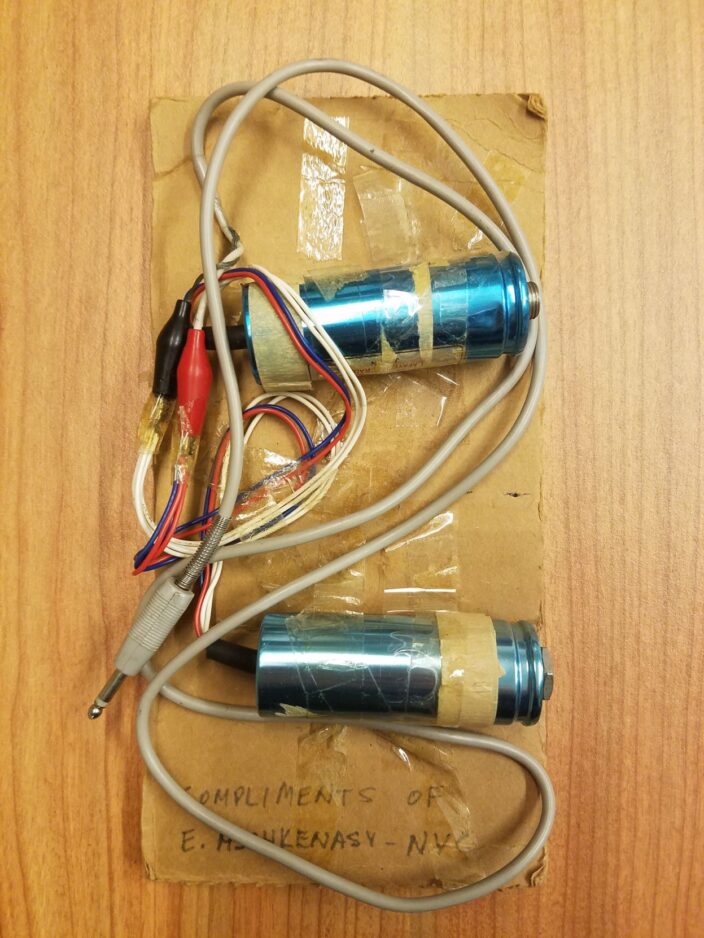
“Judge Sirica and I listened to all the subpoenaed tapes ‘in camera,’ meaning in chambers or in private,” Christofferson said. “The judge was determined that there would be no leak of the tapes’ content from his office, so we listened in an interior room with no outside exposure, a room that had been checked for electronic eavesdropping devices. In addition, he insisted that we use headphones, but the recorder we were using (which we had borrowed from the White House, by the way) had only one headphone port. So we asked a technical expert to fashion a “splitter” with a cable that on one end plugged into the recorder and on the other end was split and connected to two cylindrical jacks that we could plug our headphones into. This homemade apparatus was taped to a piece of cardboard for stability–very ‘high-tech.'”
Copies of the relevant portions of the tapes were then turned over to the special prosecutor and grand jury. The tapes showed that Nixon was complicit in the cover-up, but no evidence showed his involvement with the initial break-in.
Christofferson related lessons he learned from the experience, saying that he believed that Nixon had lost his conscience.
“Nixon and others were, as best I could judge, basically decent men,” he said.
However, Christofferson believes President Nixon had “many points along the way” that he could have stopped the cover-up “with an awakened conscience.” Instead, he said the president got deeper into the cover-up conspiracy.
“I wondered at the time, and have since, why Nixon allowed this scandal to grow and fester,” he said. “I still feel surprise that over time his conscience could become sufficiently numbed that even the attempted blackmail of the president of the United States by the Watergate burglars did not arouse any indignation in him.”
But Christofferson said that there are life lessons he took from the experience.
“Conscience should never be a cloak to hide hurtful behavior or an excuse to gain privilege,” Christofferson said. “When we deploy our beliefs in this way, fellow citizens see through the agenda.”
Christofferson offered the audience a practical suggestion on how to strengthen conscience.
“A life devoted to service to others allows conscience to flourish. Service provides a natural barrier against the ills that flow in the wake of self-will and self-interest,” he said.
Utah Valley University President Matthew Holland is also at Oxford, spending the summer giving several public lectures, along with conducting research and writing on topics of political philosophy, history and higher education administration.
Local News
‘Get out early:’ Here’s where the fish are in Utah County as angling season gets a head start

The Church of Jesus Christ of Latter-day Saints announces meeting schedule adjustment