Snowbird has no immediate plans for expansion in AF Canyon, despite completed water quality monitoring
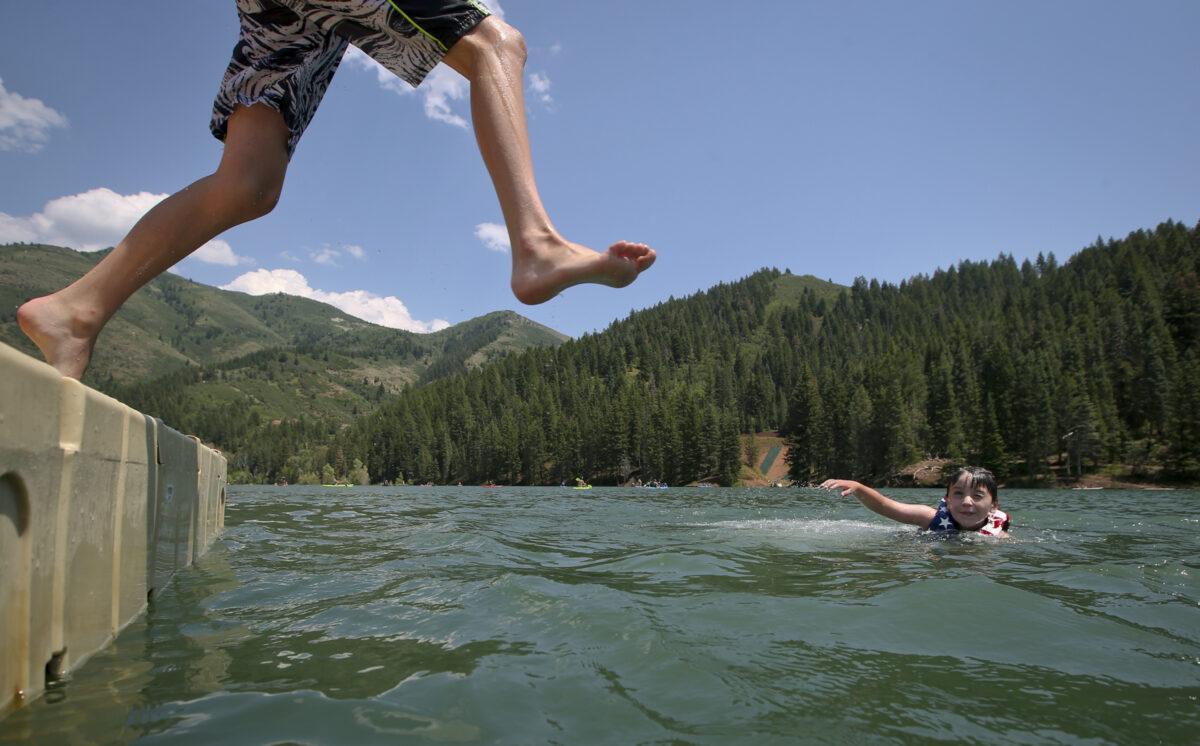
Cael Robinson, 9, right, watches as his brother, Nash, 10, both of Lehi, jumps into the water at Tibble Fork Reservoir on Tuesday, July 17, 2018, in American Fork Canyon. Isaac Hale, Daily Herald
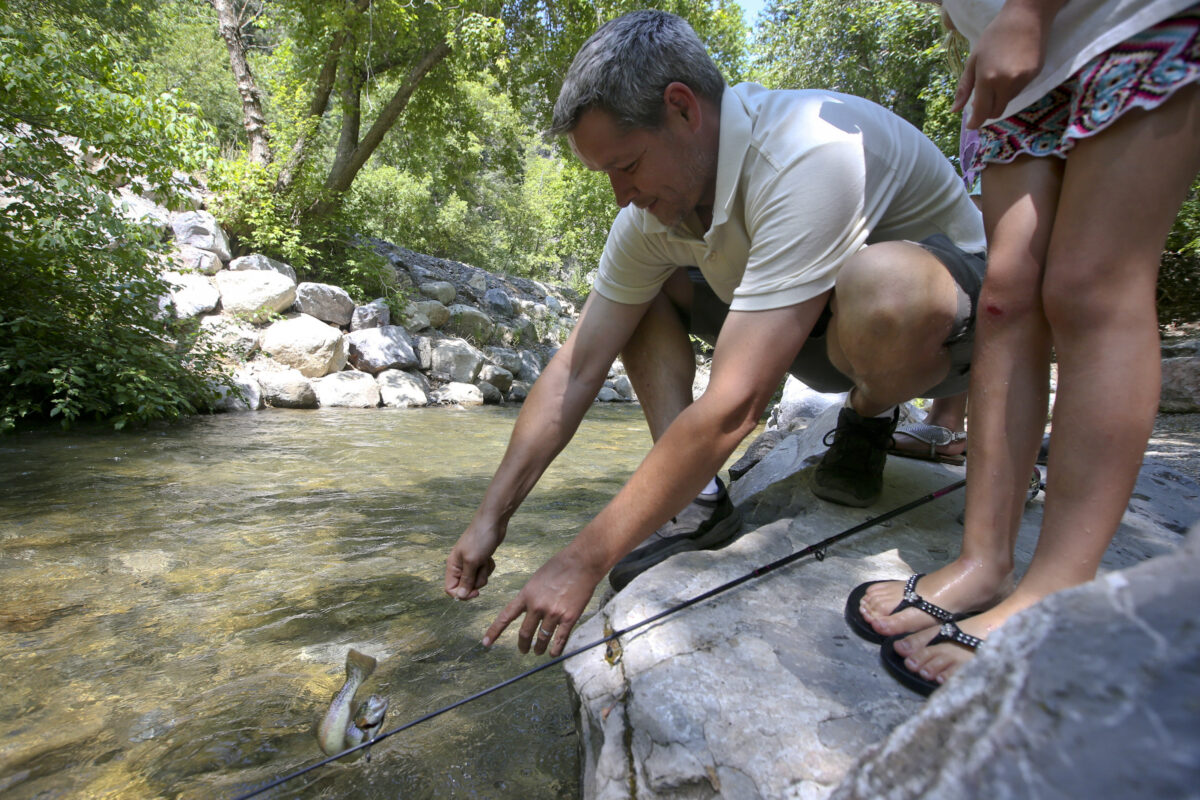
A fish gets loose from the hook of Brad Whaley, of Springville, as he fishes with his family along a stream near Little Mill Campground on Tuesday, July 17, 2018, in American Fork Canyon. Isaac Hale, Daily Herald
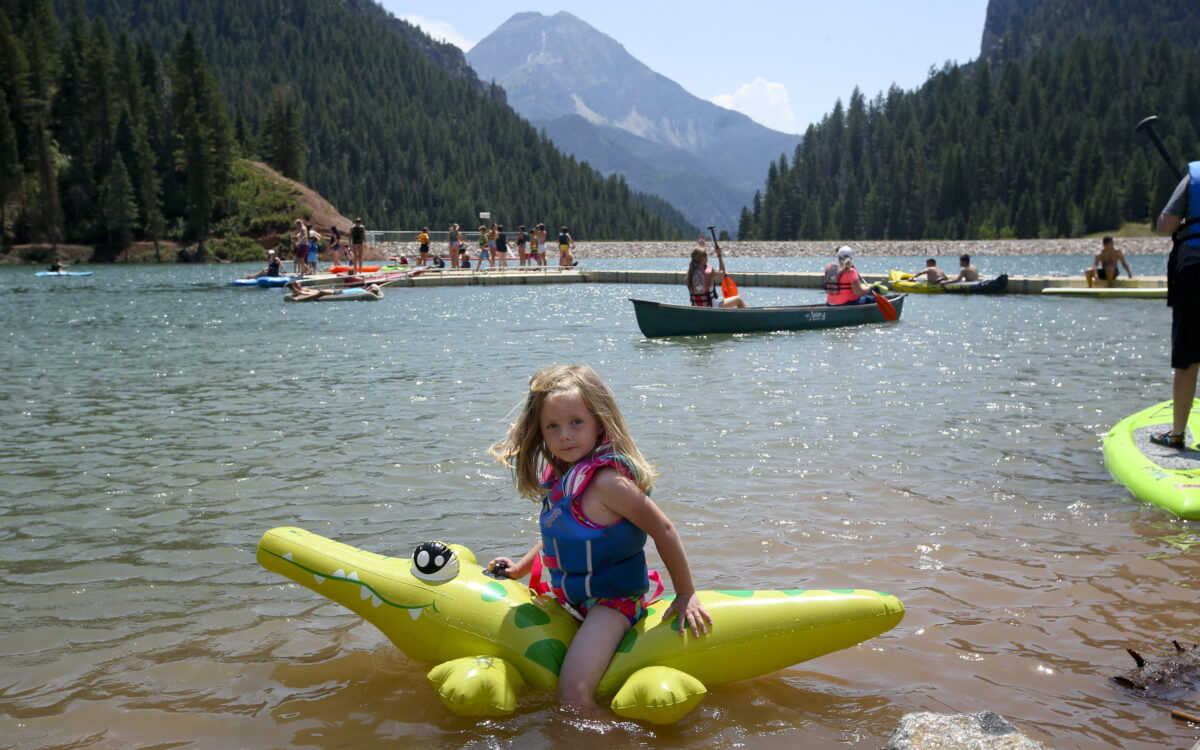
Collins May, 4, of Syracuse, plays on an inflatable raft while others recreate at Tibble Fork Reservoir on Tuesday, July 17, 2018, in American Fork Canyon. Isaac Hale, Daily Herald
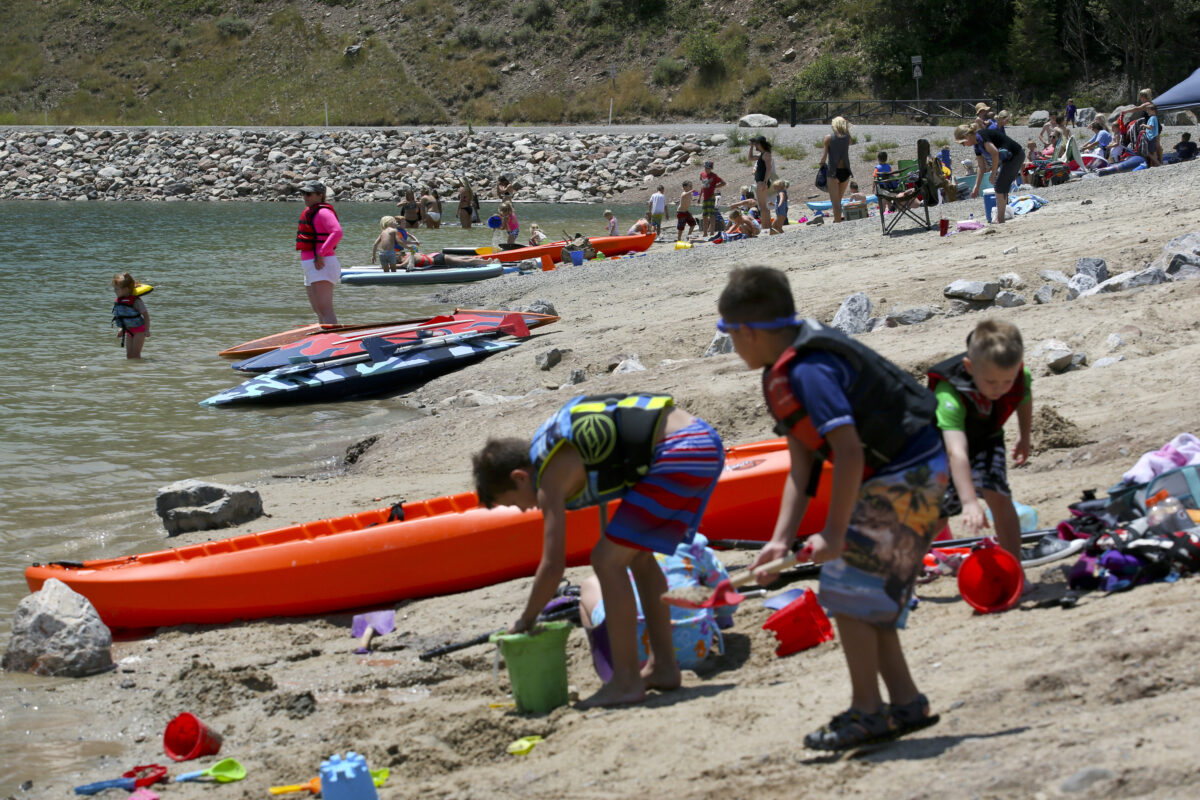
People recreate along the beach and in the water at Tibble Fork Reservoir on Tuesday, July 17, 2018, in American Fork Canyon. Isaac Hale, Daily Herald

People recreate at Tibble Fork Reservoir on Tuesday, July 17, 2018, in American Fork Canyon. Isaac Hale, Daily Herald
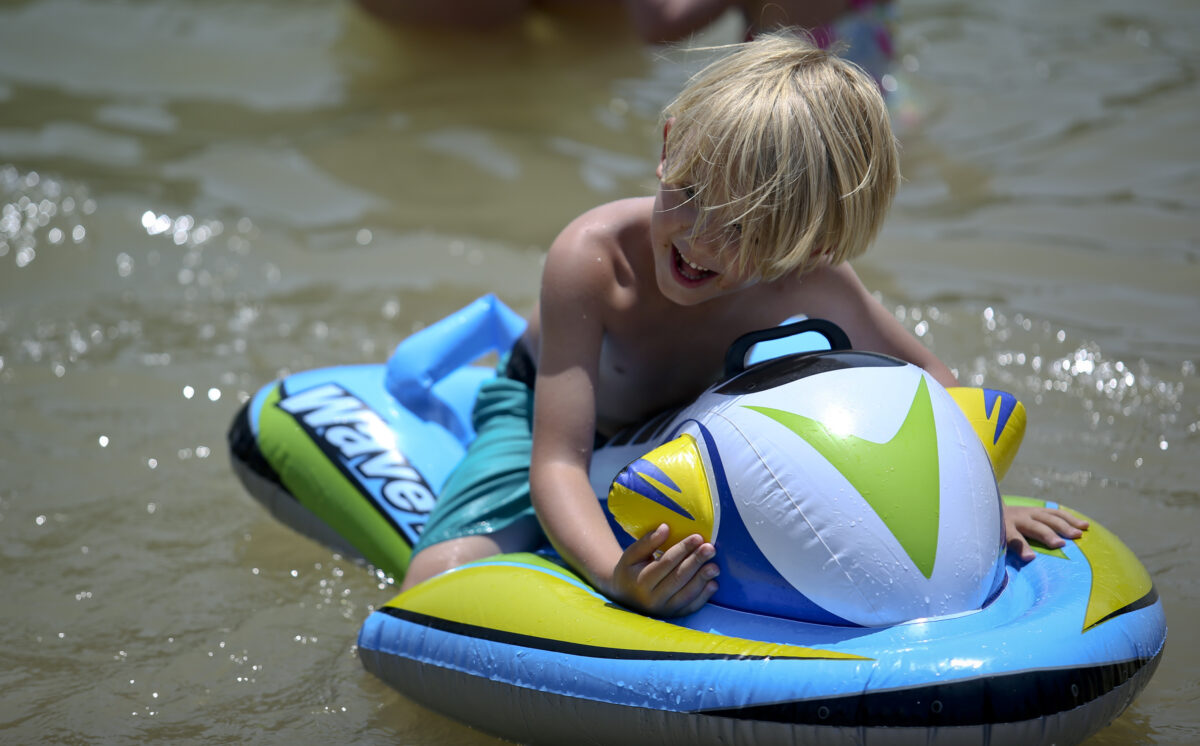
James Brown, of Eagle Mountain, plays on an inflatable raft at Tibble Fork Reservoir on Tuesday, July 17, 2018, in American Fork Canyon. Isaac Hale, Daily Herald
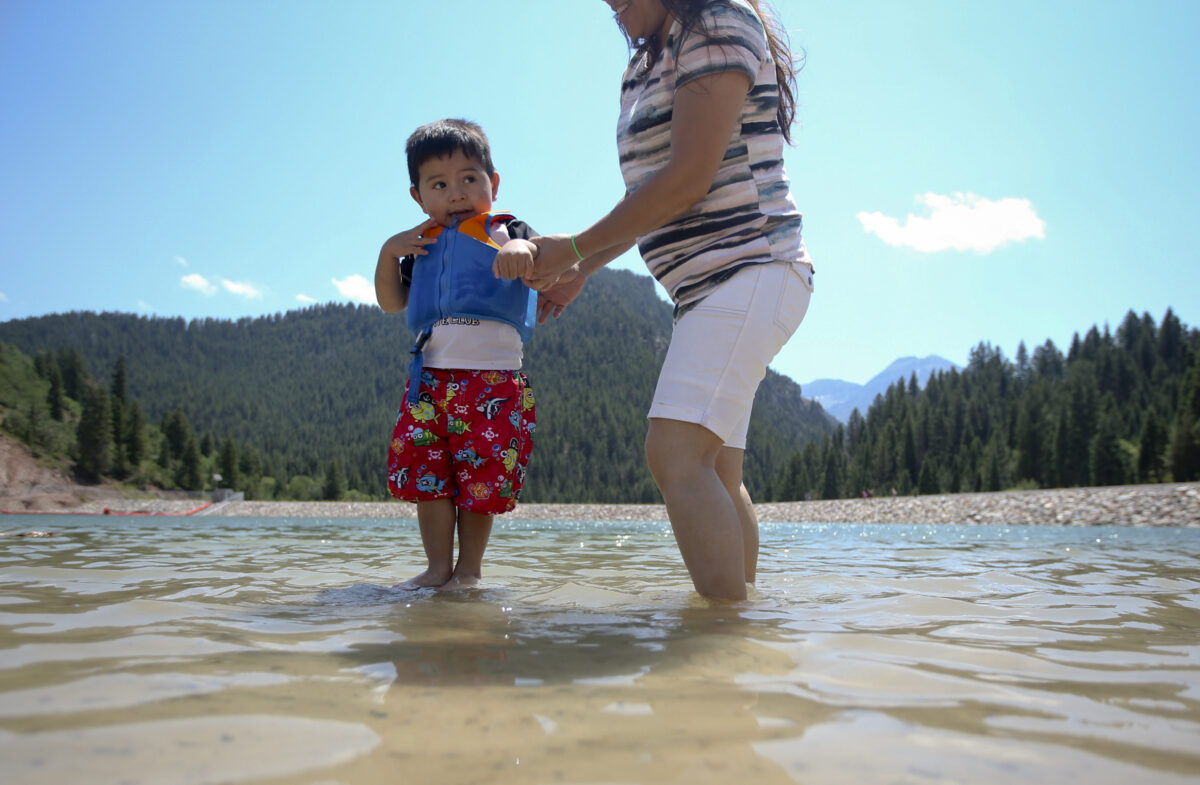
Elijah Espinoza, 3, stands on a rock beside his grandmother, Alexis Torres, both of Lindon, at Tibble Fork Reservoir on Tuesday, July 17, 2018, in American Fork Canyon. Isaac Hale, Daily Herald
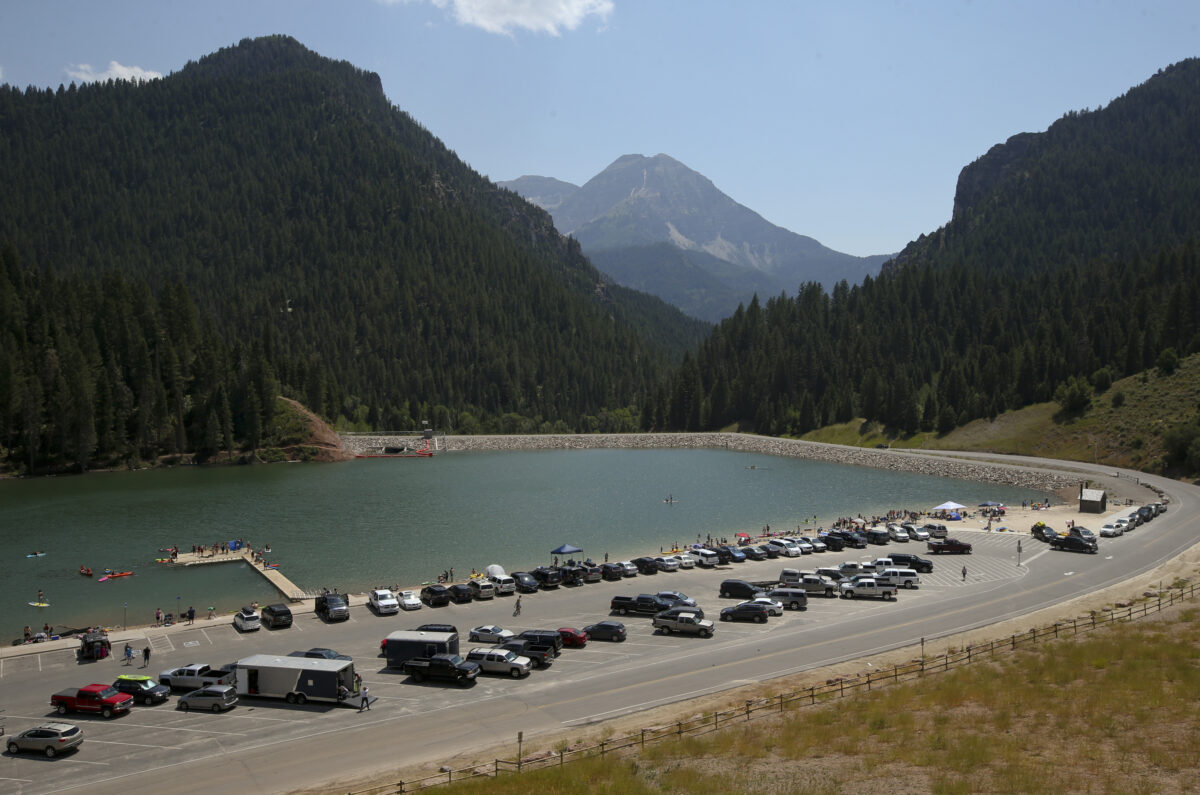
People recreate at Tibble Fork Reservoir on Tuesday, July 17, 2018, in American Fork Canyon. Isaac Hale, Daily Herald

Nash Robinson, 10, makes his way toward the dock in front of his brother, Cael, 9, both of Lehi, at Tibble Fork Reservoir on Tuesday, July 17, 2018, in American Fork Canyon. Isaac Hale, Daily Herald
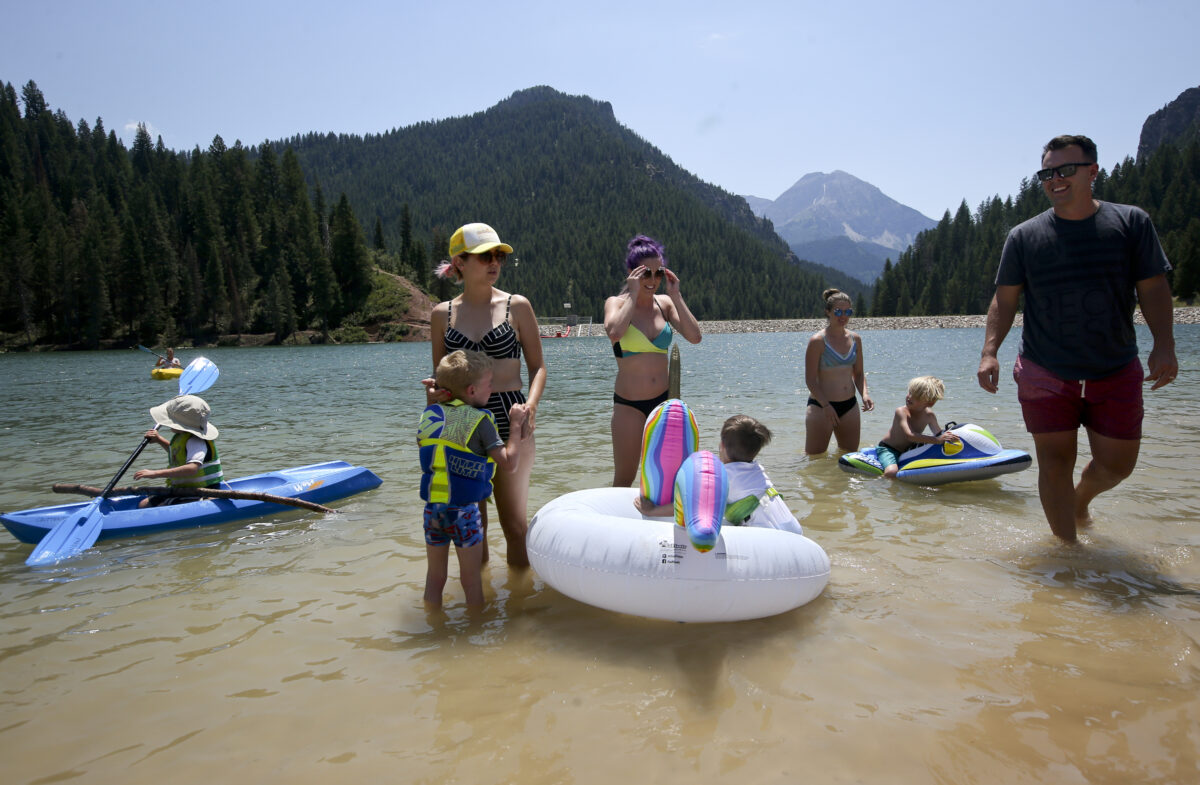
Northern Utah County friends and their children play at Tibble Fork Reservoir on Tuesday, July 17, 2018, in American Fork Canyon. Isaac Hale, Daily Herald
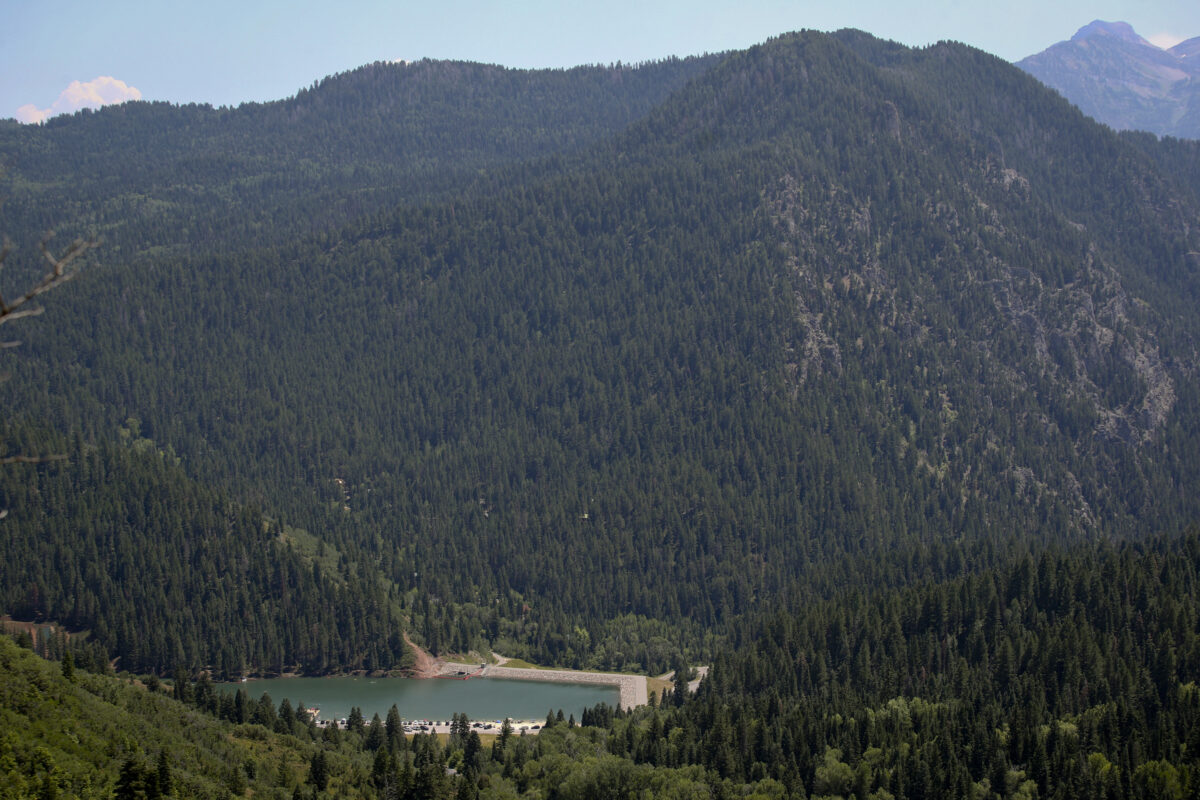
Tibble Fork Reservoir lies among the mountains Tuesday, July 17, 2018, in American Fork Canyon. Isaac Hale, Daily Herald
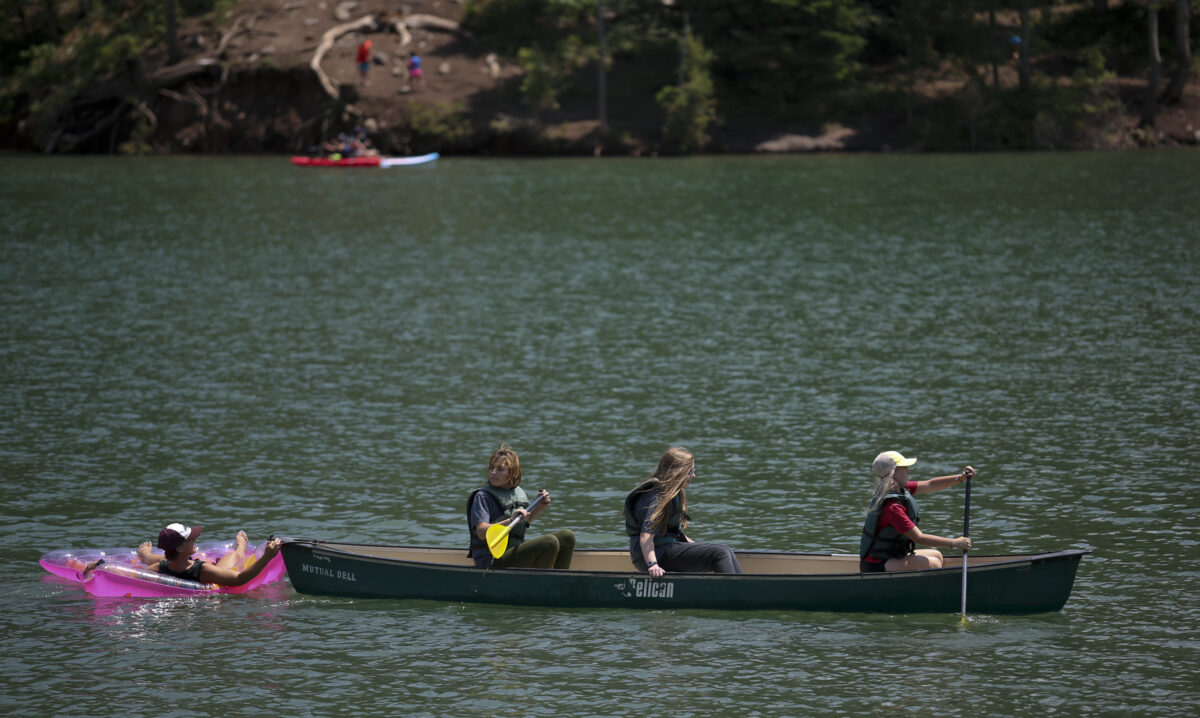
People recreate on the water at Tibble Fork Reservoir on Tuesday, July 17, 2018, in American Fork Canyon. Isaac Hale, Daily Herald
When Snowbird Ski and Summer Resort received approval from Utah County in 2016 to expand over the Salt Lake/Utah County border into American Fork Canyon, the approval came with some conditions.
Among those conditions was that, before starting construction on ski lifts on privately-held land in Mary Ellen Gulch, Snowbird had to complete two years worth of water quality sampling to establish a baseline for water quality in the area. That way, water quality can be compared during and after construction in the gulch to see if water quality is being affected.
Even though the required two years of water quality monitoring has now been completed, Snowbird spokesman Brian Brown said the resort has no immediate plans to expand into American Fork Canyon.
Those expansion plans haven’t been abandoned, Brown said, but do not yet have any kind of definite timeline.
Brown said there’s still geological work to do and public input to gather before moving forward.
“It’s gonna be a slow process in terms of when (construction) happens,” Brown said. “We don’t have any immediate plans to begin construction.”
Water quality was a major public concern in 2016 when Snowbird sought approval from Utah County to build ski lifts into American Fork Canyon’s Mary Ellen Gulch, which because of historic mining activity, is dotted with mine waste piles which can contain heavy metals.
The public scrutiny included concerns about possible pollution to the watershed caused by disturbing mine waste during construction, resulting in the Utah County Board of Adjustments requiring the water quality testing when they approved conditional use permits for Snowbird to expand to Mary Ellen Gulch.
Results of Snowbird’s water quality monitoring were available at a public forum held Tuesday night in American Fork, which showed that most of the substances tested for came in below the required level for drinking water standards, even though the water in the testing area is not used for human consumption.
Lead tested well below all standards, and mercury was not detected, said Hilary Arens, director of environmental quality at Snowbird.
Cadmium and zinc tested high at some sites, and Arens said Snowbird will be working with Utah’s Division of Water Quality about how to address that, Arens said.
Having completed the two years of water quality testing, Snowbird is also partnering with other groups to complete projects this fall that are intended to help minimize any contact of mining waste material with water in the canyon.
Trout Unlimited, a non-profit organization, is partnering with Snowbird to complete anti-erosion projects in the canyon this fall intended to keep mine materials out of water, keeping it from flowing downstream.
Snowbird and Trout Unlimited have worked together on mine cleanups before, particularly the Pacific Mine in 2006, said Jason Willis, mine restoration project manager with Trout Unlimited.
Snowbird brought Willis in to figure out what kind of contamination might be present in Mary Ellen Gulch from historic mining, and what contamination can run off when it rains.
Trout Unlimited was in American Fork Canyon on Monday taking soil samples, Willis said, in order to better identify best management processes.
Those best management practices include building insulation that prevents erosion, so that contaminated substances never make it to water sources.
“It’s all water management,” Willis said. “The installation of water bars and rehabilitating this eroded road will help reduce that contaminated water from going into the stream … and reducing erosion. Then, with that, they are planning to do some re-vegetation plots as well.”
The vegetation test plots will help scientists figure out how to grow vegetation on the old mining waste piles, which can be as hard as concrete, said Richard White, environmental engineer with EarthFax, who is also partnering for the projects.
“They’ll evaluate the data on those test plots and then down the road we’ll look at large-scale reclamation of these waste rock piles,” White said. “We’ll basically plant vegetation on all of those.”
White said re-vegetating the mine waste piles is easier than removing the waste piles, and just as effective.
“To take those out, you’d do more damage than you would good,” White said. “Just getting in and out with all of that material, so it’s easier just to reclaim it in place and just as effective. It will stabilize it in place.”
Snowbird has also partnered with Tread Lightly, a national group that focuses on access to public lands.
“We’re here to support the work with Snowbird, and we’re playing a part with helping them create signage that will help delineate the public and private boundary lines, so that there’s not as much confusion when people are riding as to what rules they have to abide by when they are on the trail,” said Evan Robins with Tread Lightly.
The water quality monitoring will continue during the entire time Snowbird is active in Mary Ellen Gulch, Brown said, and Snowbird will continue to work on community outreach and education.
“We are going to continue to monitor and look at it,” Brown said. “Between the city, county, state and federal, there’s a lot of reporting and a lot of accountability on us in terms of being back there.”