What damage did the Pole Creek, Bald Mountain fires do to popular recreation sites?
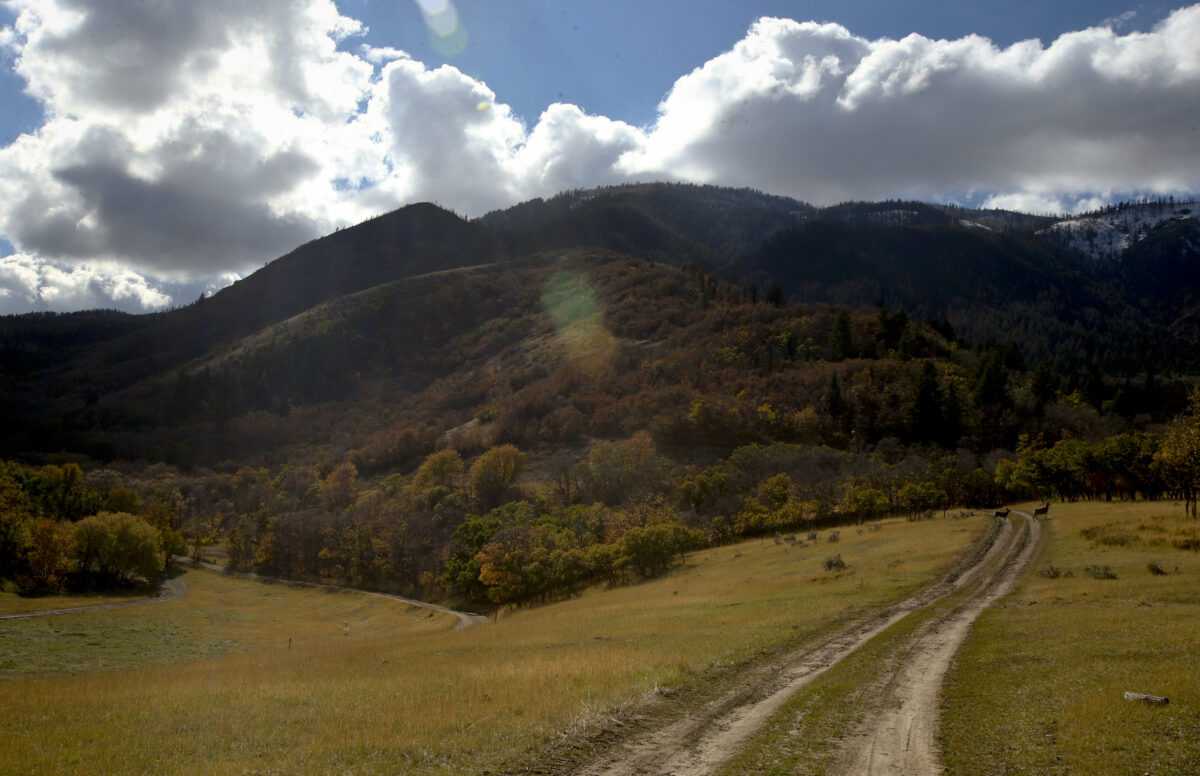
Deer cross a dirt road in the Maple Dell Scout Camp area near the Mount Nebo Scenic Byway on Thursday, Oct. 18, 2018, in southern Utah County. Isaac Hale, Daily Herald
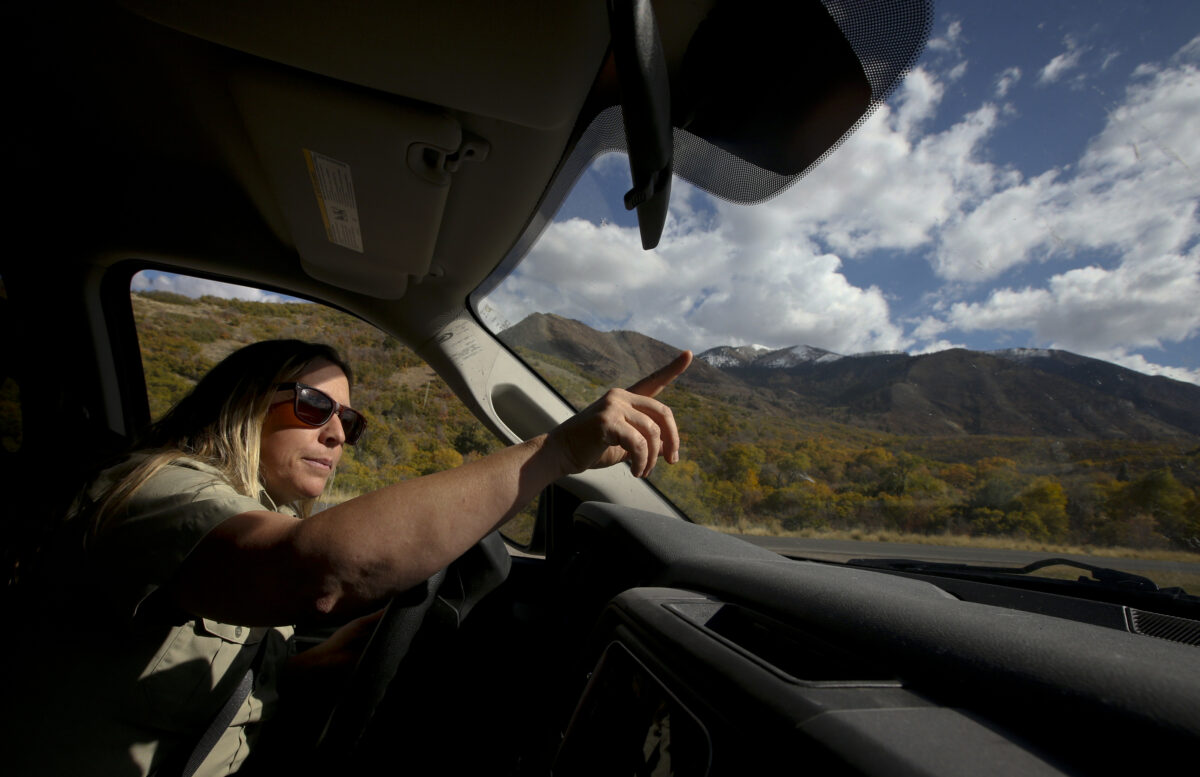
Sarah Flinders, a recreation staff officer with the U.S. Forest Service, points out areas burned from the Pole Creek Fire along the Mount Nebo Scenic Byway on Thursday, Oct. 18, 2018, in southern Utah County. Isaac Hale, Daily Herald
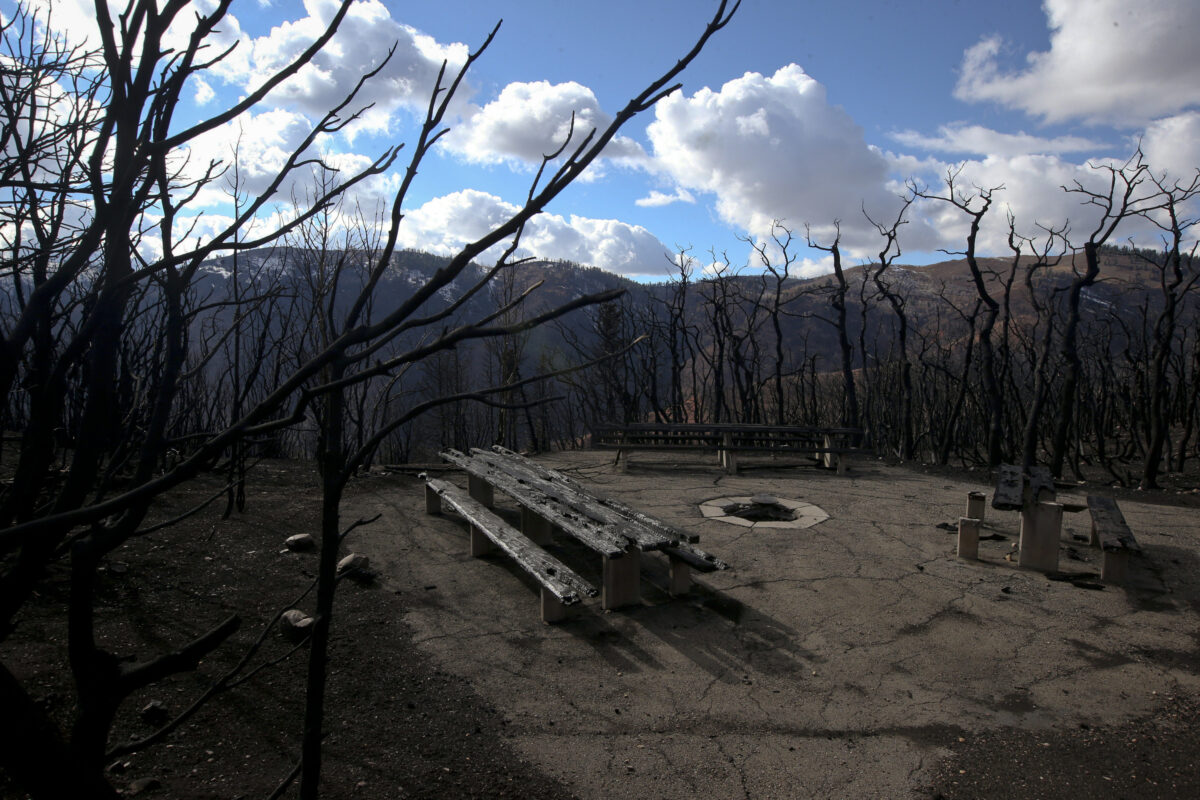
Burned trees and benches stand along Loop A of the Blackhawk Campground near Mount Nebo Scenic Byway on Thursday, Oct. 18, 2018, in southern Utah County. Isaac Hale, Daily Herald
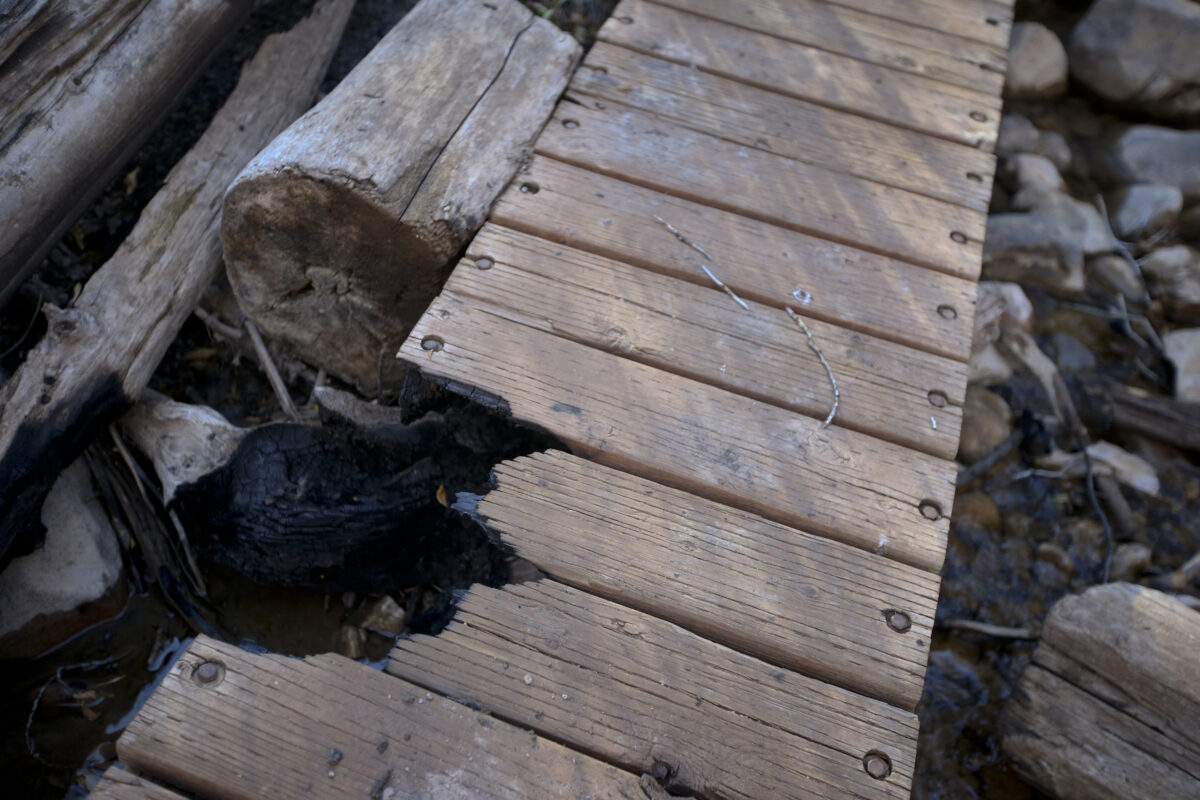
A walking bridge stands with a portion of it burned along the Grotto Falls Trail near the Mount Nebo Scenic Byway on Thursday, Oct. 18, 2018, in southern Utah County. Isaac Hale, Daily Herald
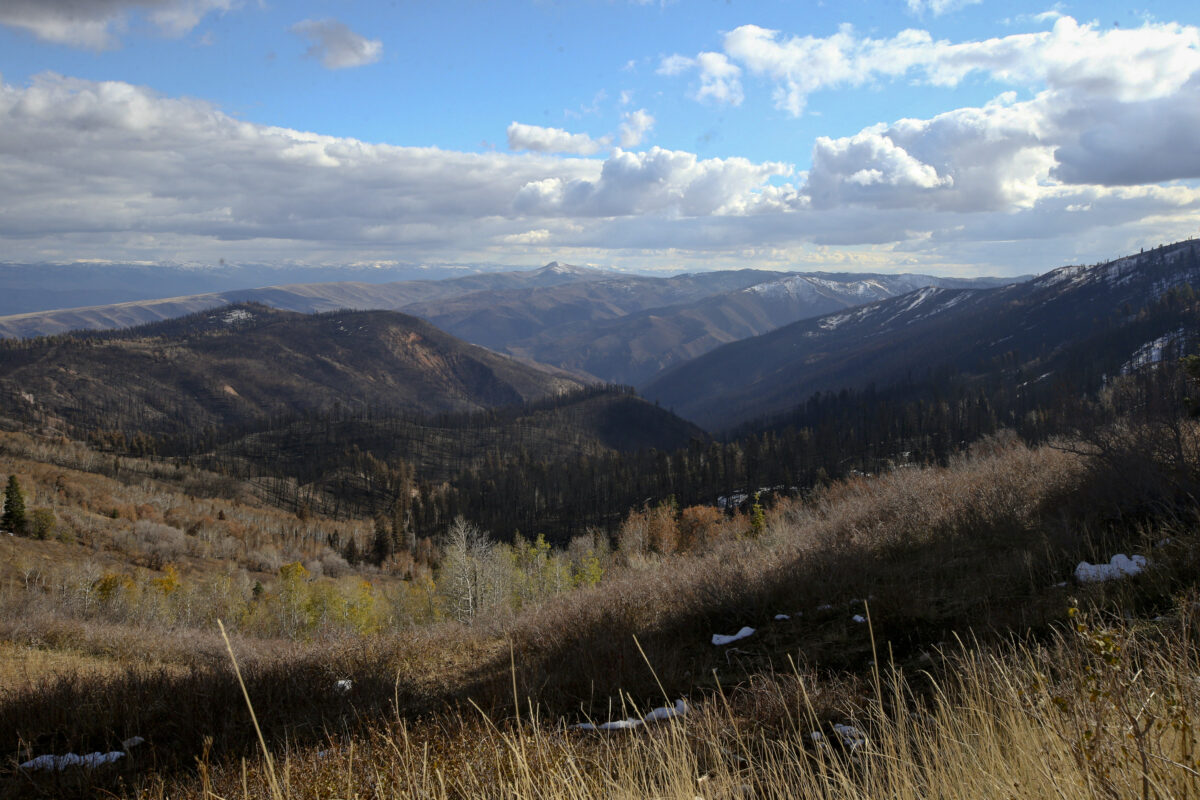
The Beaver Dam area is pictured along the Mount Nebo Scenic Byway on Thursday, Oct. 18, 2018, in southern Utah County. Isaac Hale, Daily Herald
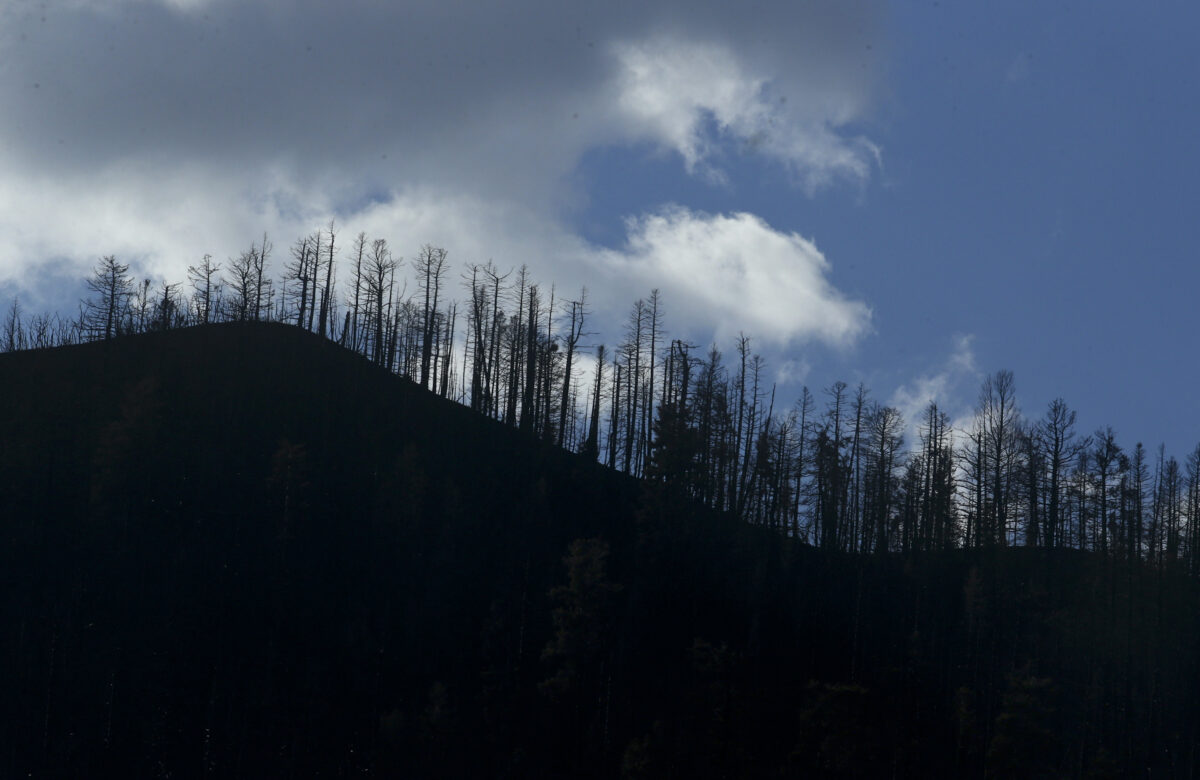
Trees burned by the Bald Mountain Fire stand along the Mount Nebo Scenic Byway on Thursday, Oct. 18, 2018, in southern Utah County. Isaac Hale, Daily Herald
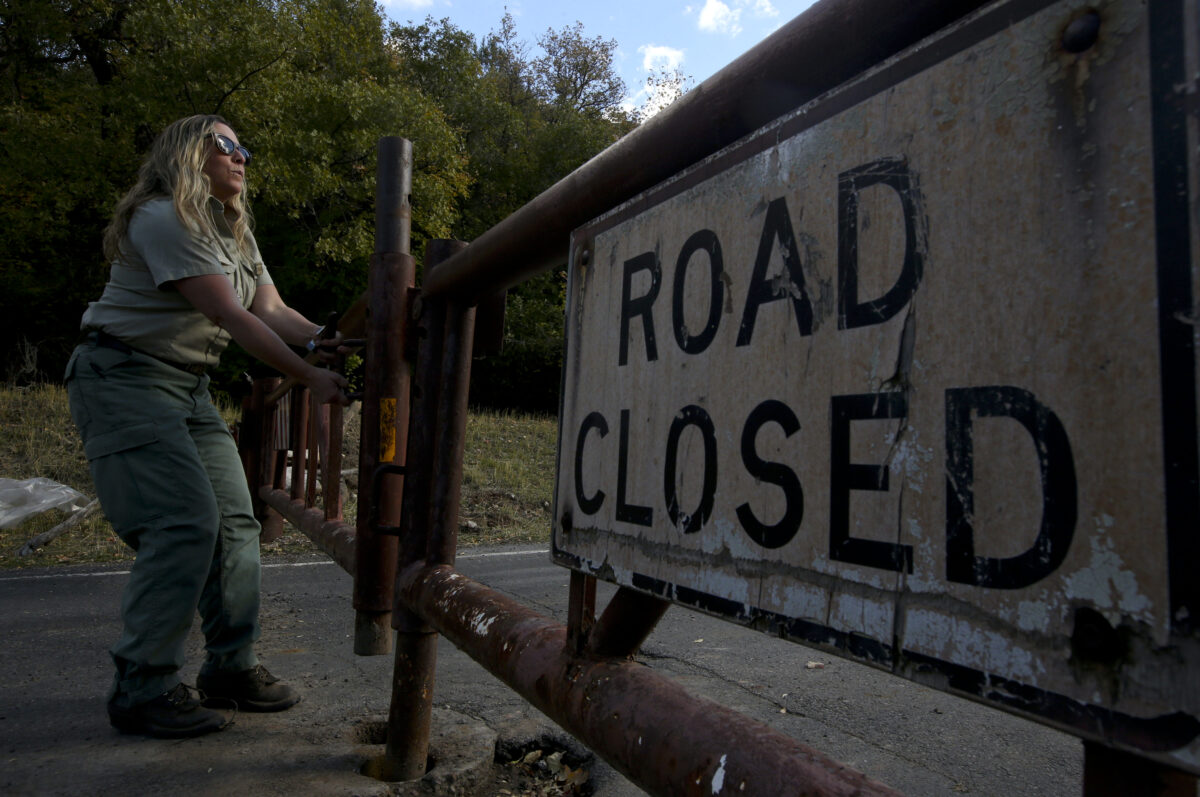
Sarah Flinders, a recreation staff officer with the U.S. Forest Service, opens a gate near the northern end of the Mount Nebo Scenic Byway on Thursday, Oct. 18, 2018, in southern Utah County. The road is currently closed and is estimated to reopen at its normal time in the spring. Isaac Hale, Daily Herald
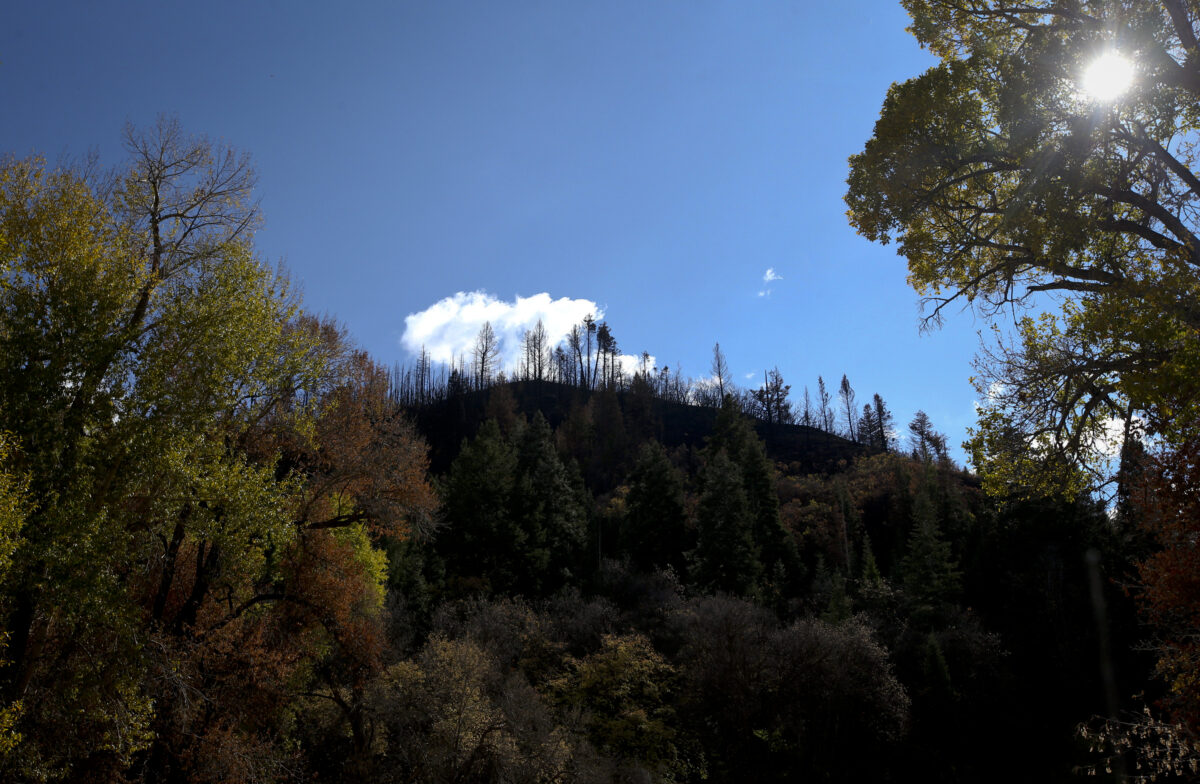
Trees burned by the Pole Creek Fire stand near the Mount Nebo Scenic Byway on Thursday, Oct. 18, 2018, in southern Utah County. Isaac Hale, Daily Herald
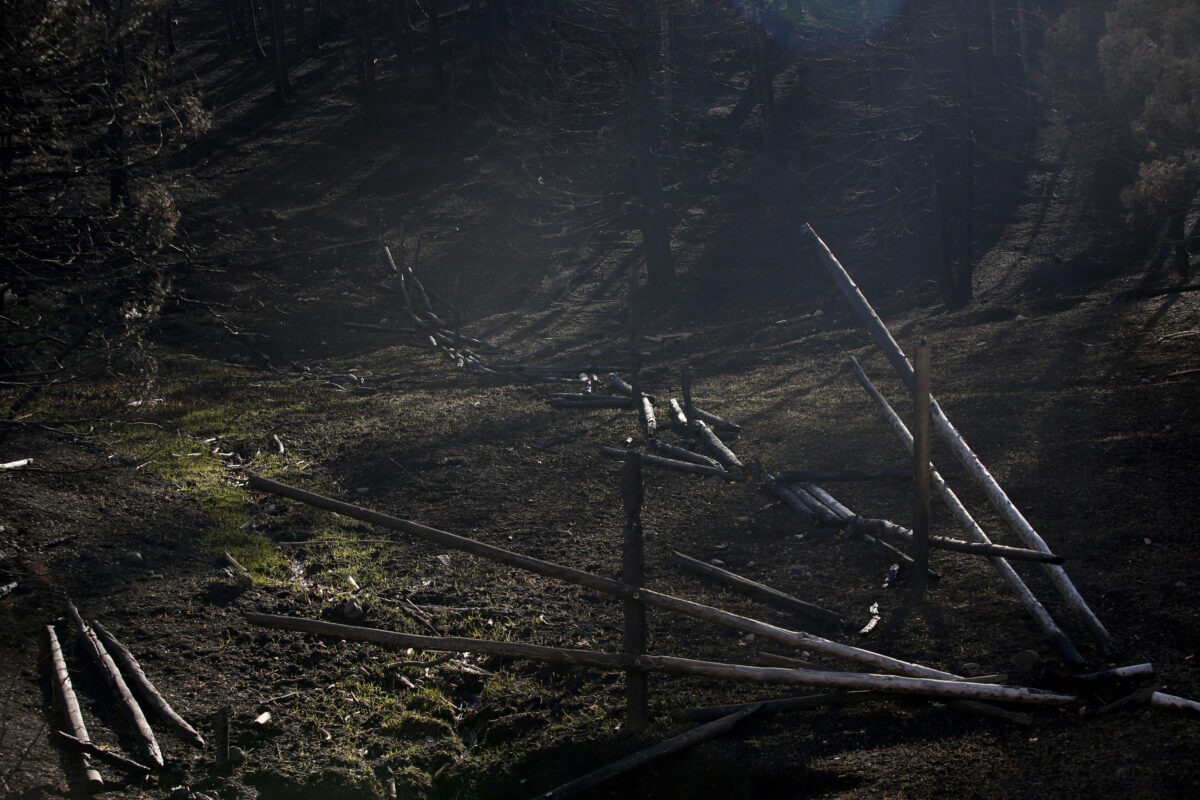
A fence burned by the Pole Creek Fire lies scattered along the Mount Nebo Scenic Byway on Thursday, Oct. 18, 2018, in southern Utah County. Isaac Hale, Daily Herald
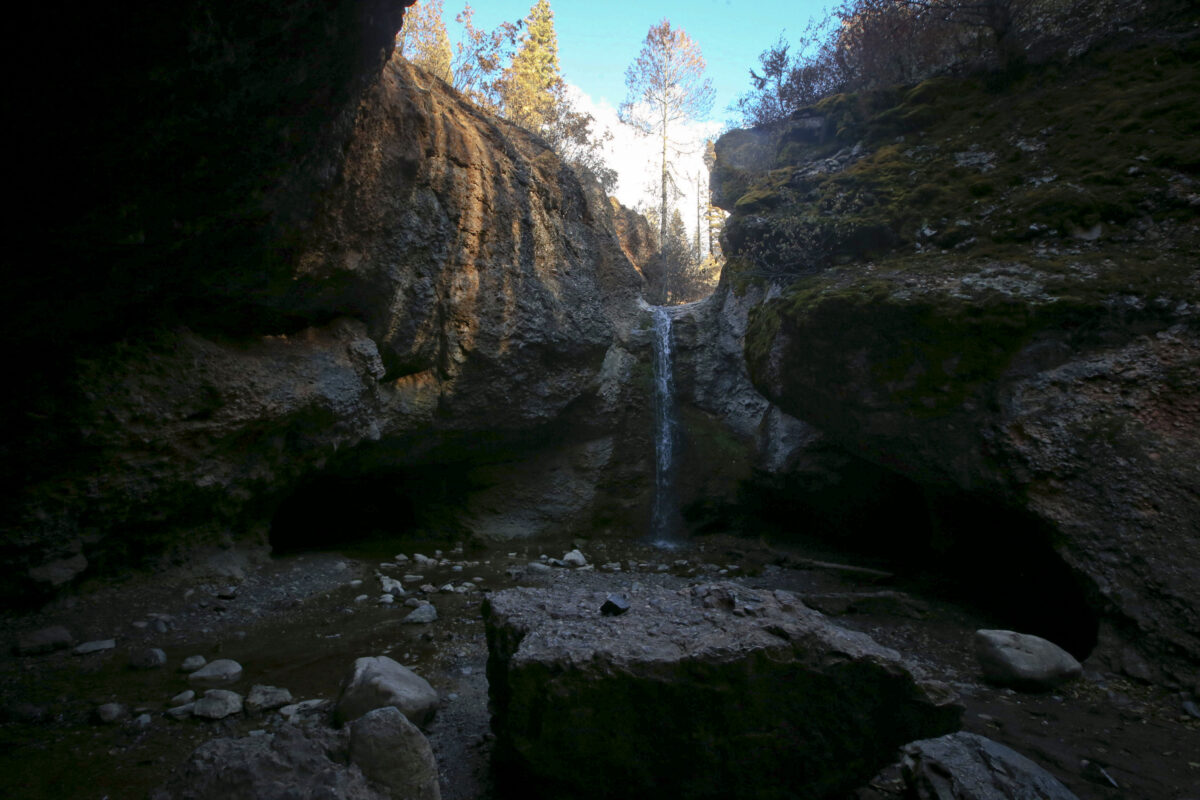
Water flows through the Grotto near the Mount Nebo Scenic Byway on Thursday, Oct. 18, 2018, in southern Utah County. Isaac Hale, Daily Herald
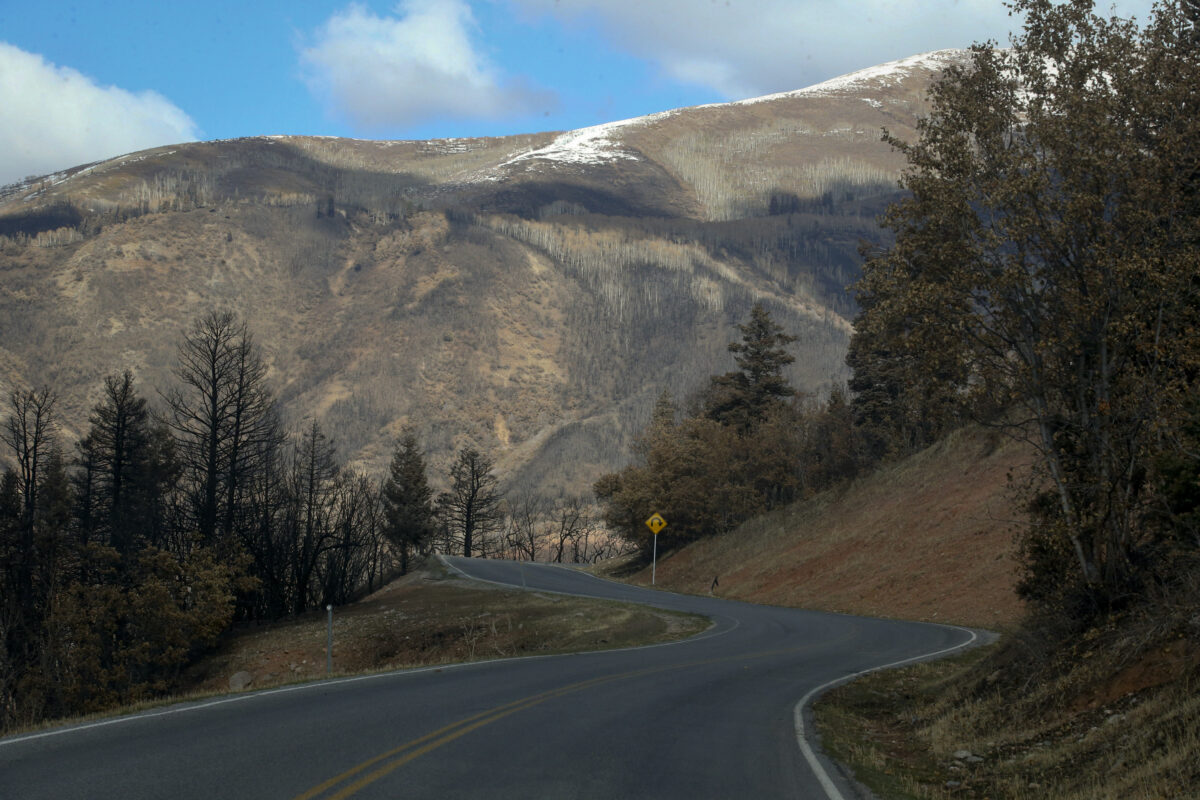
Burned trees stand along the Mount Nebo Scenic Byway on Thursday, Oct. 18, 2018, in southern Utah County. Isaac Hale, Daily Herald
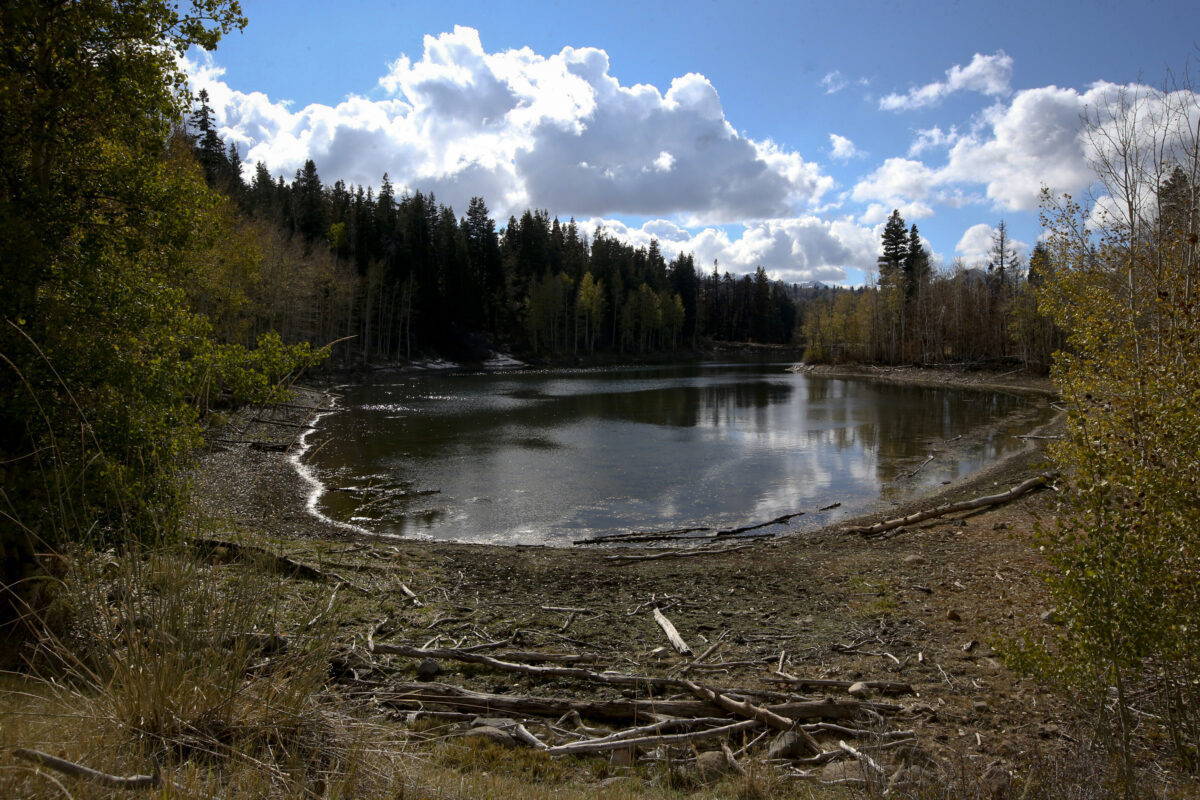
Box Lake, one of the Payson Lakes, is pictured near the Mount Nebo Scenic Byway on Thursday, Oct. 18, 2018, in southern Utah County. Isaac Hale, Daily Herald
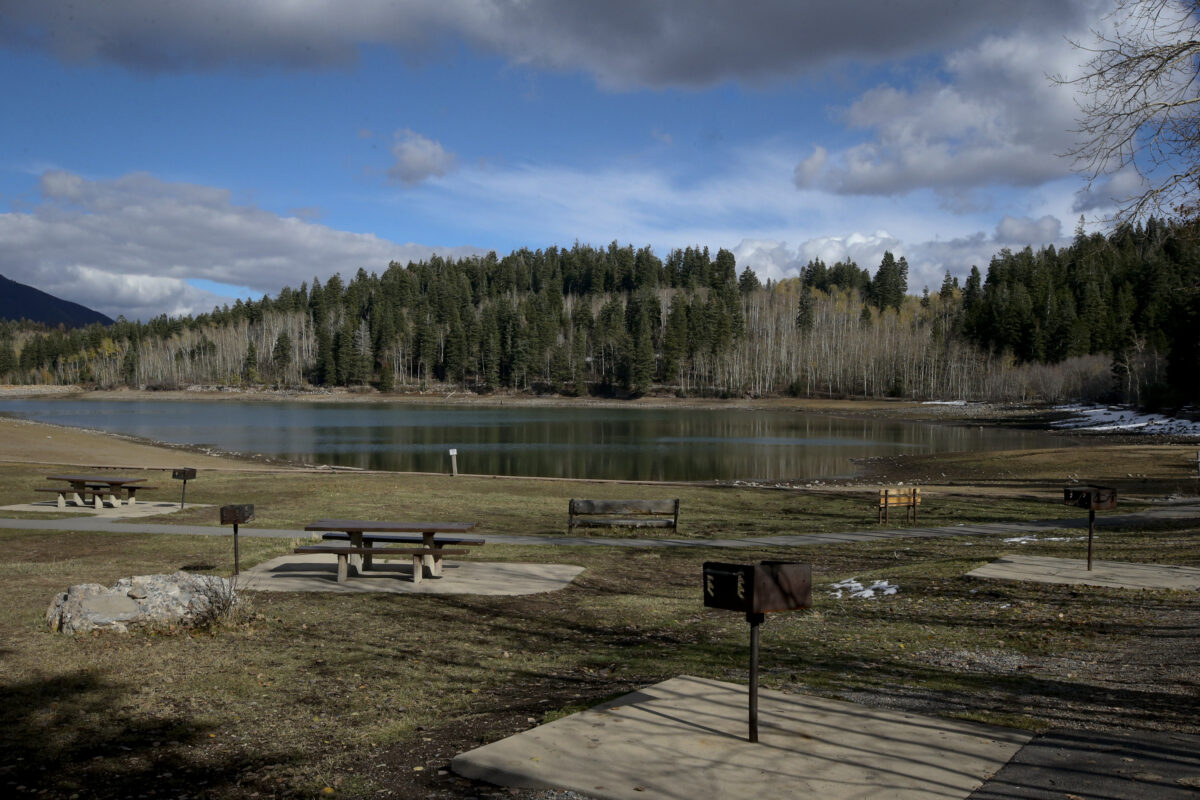
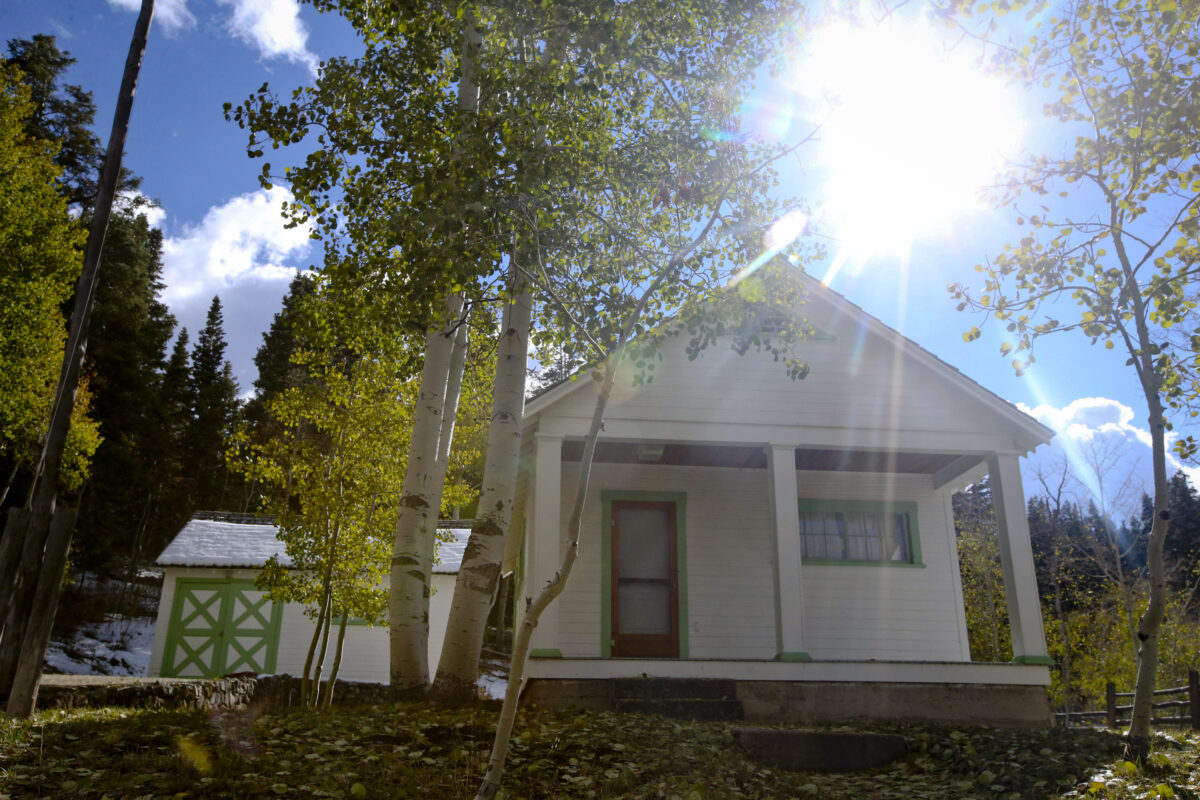
The Payson Lakes Guard Station stands near the Mount Nebo Scenic Byway on Thursday, Oct. 18, 2018, in southern Utah County. Isaac Hale, Daily Herald
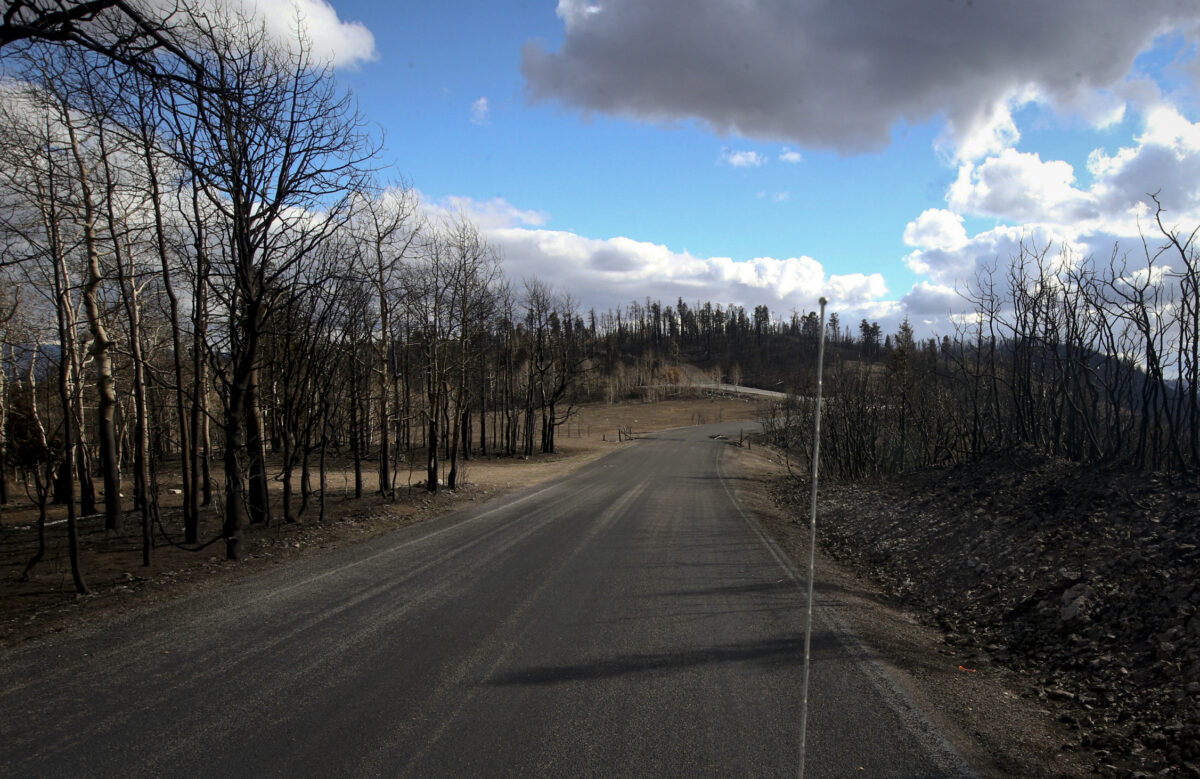
Burned trees stand along Loop A of the Blackhawk Campground near Mount Nebo Scenic Byway on Thursday, Oct. 18, 2018, in southern Utah County. Isaac Hale, Daily Herald
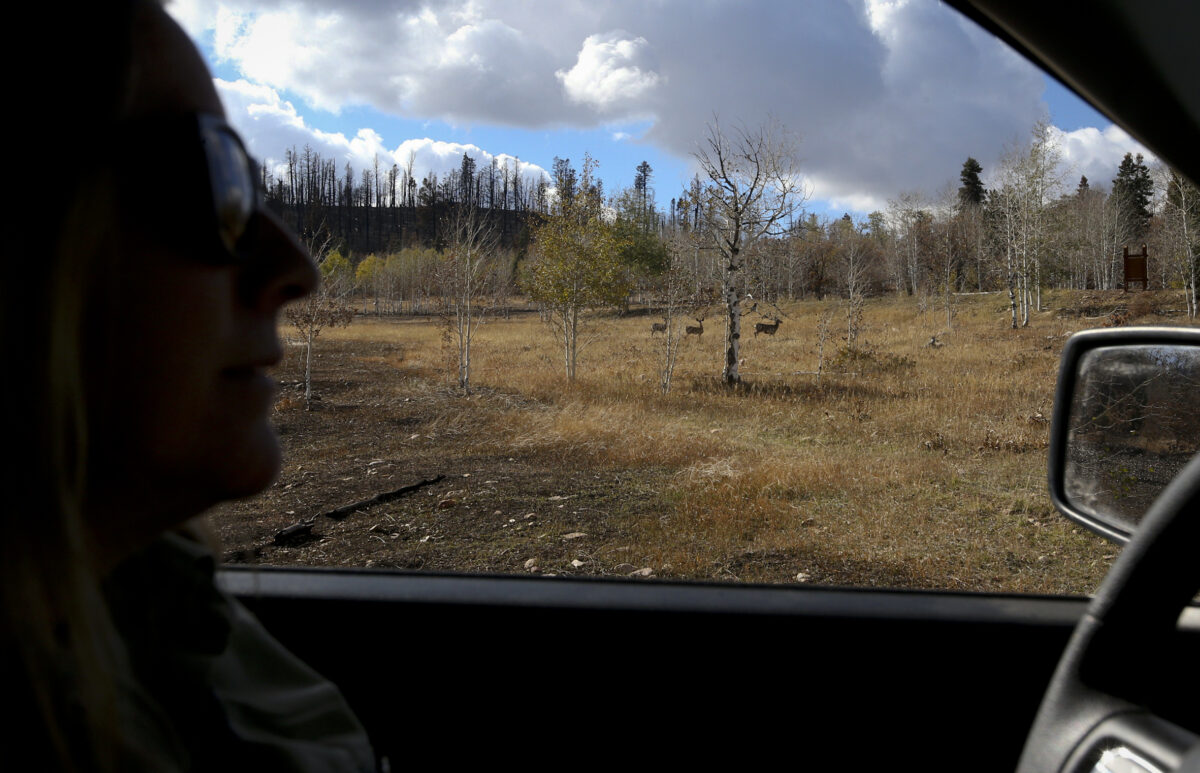
Deer roam along Loop A of the Blackhawk Campground near Mount Nebo Scenic Byway on Thursday, Oct. 18, 2018, in southern Utah County. Isaac Hale, Daily Herald
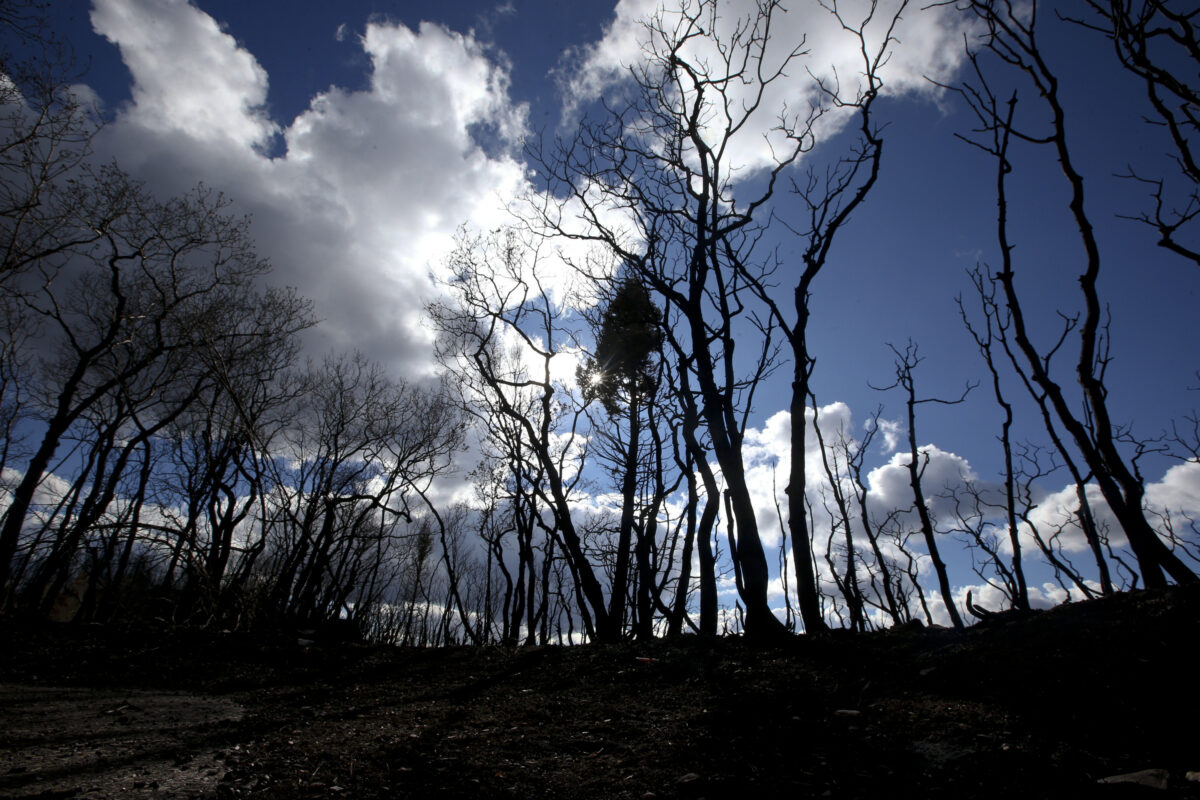
Burned trees stand along Loop A of the Blackhawk Campground near Mount Nebo Scenic Byway on Thursday, Oct. 18, 2018, in southern Utah County. Isaac Hale, Daily Herald
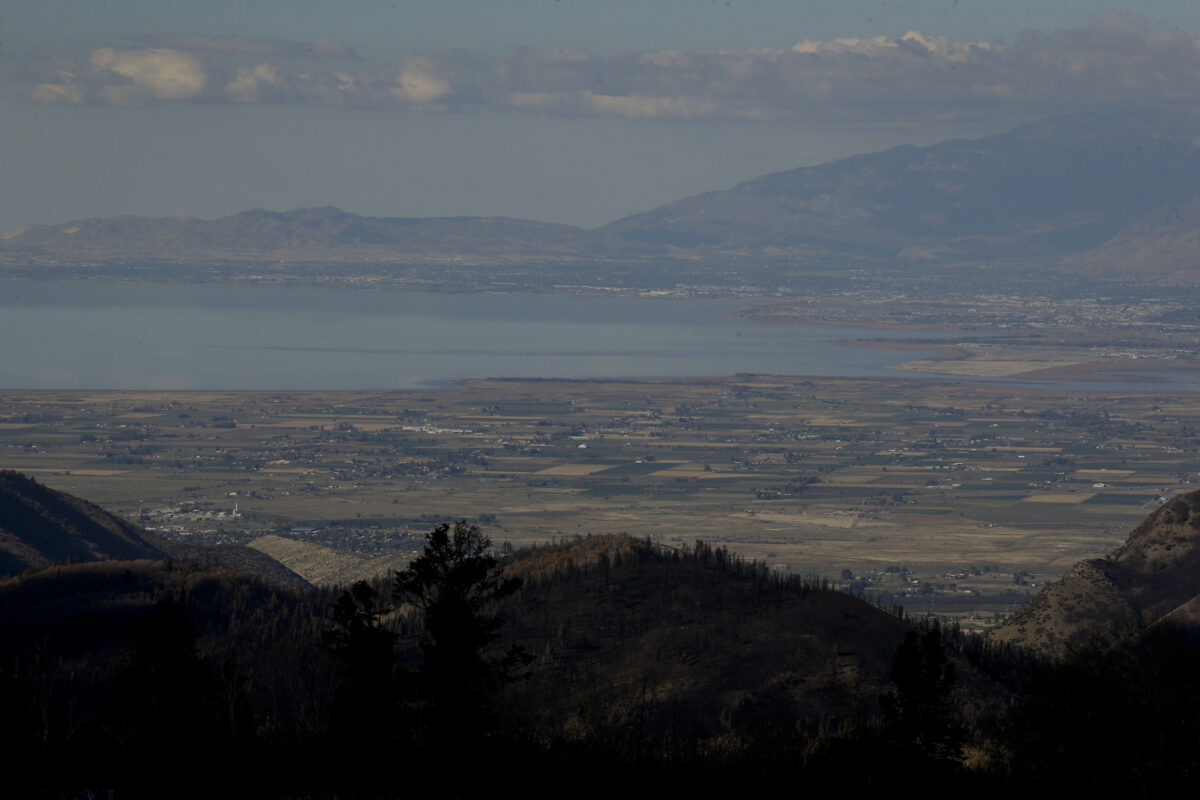
Utah Lake and Utah County are seen from the Mount Nebo Scenic Byway on Thursday, Oct. 18, 2018. Isaac Hale, Daily Herald
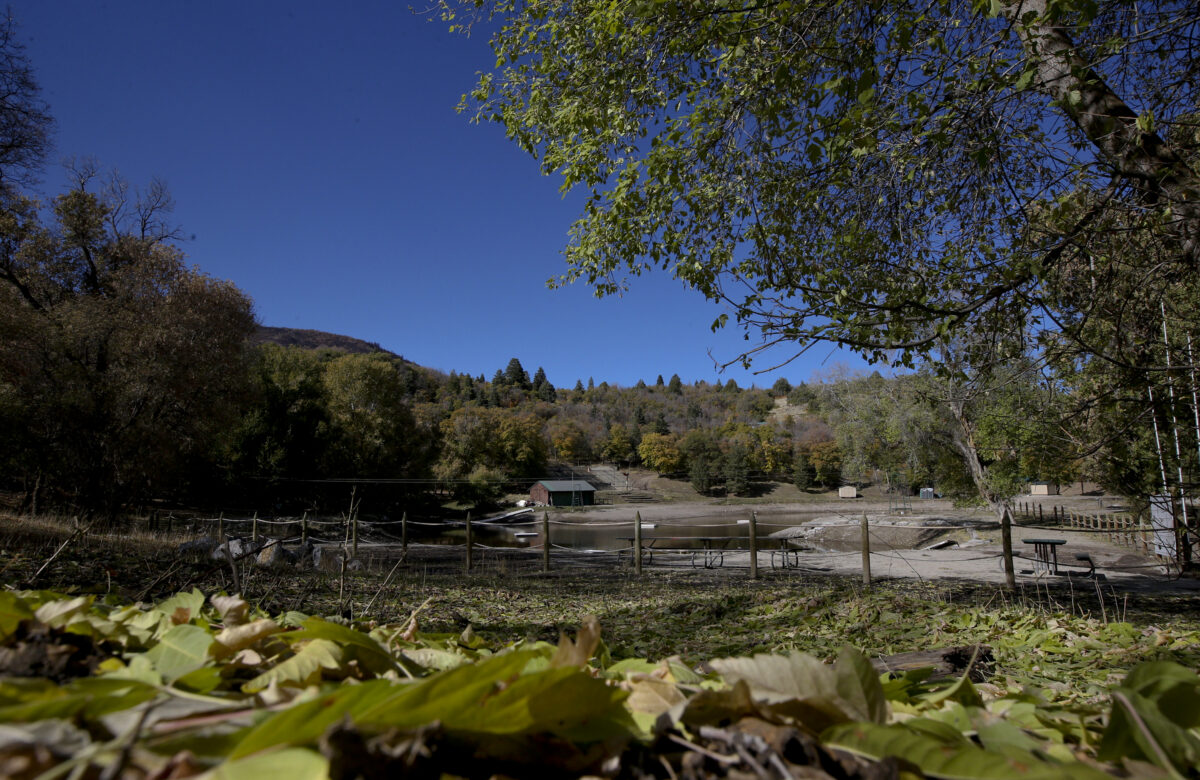
The Maple Dell Scout Camp is pictured near the Mount Nebo Scenic Byway on Thursday, Oct. 18, 2018, in southern Utah County. Isaac Hale, Daily Herald
Nearly two weeks after the massive Pole Creek and Bald Mountain fires were pronounced 100 percent contained, many closures remain in place, leaving many people wondering to what extent beloved public spaces survived the 120,000 acre blazes.
Many people will be pleasantly surprised by the amount of space in the burn area that will still be usable next year, said Sarah Flinders, recreation staff officer with the Uinta-Wasatch-Cache National Forest.
There were some losses, though, and when the Nebo Loop Scenic Byway is opened next spring, some areas and trails will remain closed as dangers are assessed and repairs are made.
It’s hard for many people to understand why, after the fires are put out and it’s rained and snowed, the areas are still closed, but there are still many hazards even with the fires out, Flinders said.
Flinders motioned to a stand of charred trees, just off the Nebo Loop past the Maple Lake turnoff.
“These will fall down into the road,” Flinders said. “That’s a precarious place to put people in on that slope to cut. Part of the reason this is still closed is because we know they’re going to come down. We don’t know if it’s going to be the snow, the rain, what’s going to bring them down, but we know it’s going to happen.”
Some of the charred trees have already been removed, and lay by the side of the road, while others are in terrain that make it too dangerous to send crews in to remove.
With the loop closed for the winter, Flinders said the snow will work to fell some of the less stable trees that crews can’t safely get to before then.
What was lost
The biggest loss as far as recreation sites go was Blackhawk Campground, located off the Nebo Loop above Payson Lakes. Many of the sites accommodate horses, which people use to ride the more than 70 miles of trail that connect to the site.
It’s one of the only areas where the dangerous, blackened trees still stand, unmoved by the Forest Service, Flinders said. The trees will all have to be cut down before the campground is re-opened for public use for safety reasons.
The blackened picnic tables, bathrooms with roofs burned or melted off and melted signs will also all have to be replaced before the campground is usable again.
“It will look different,” Flinders said. “It will be awesome, it’ll just be different.”
Flinders expects the site to be shut down a full season while crews work on the repairs next summer.
“I think between the restrooms, making sure the water’s all up to par, and the new picnic tables, I think it’ll take us a season,” Flinders said. “I don’t see it being past a year though, which I think is great.”
Many of the trails which lead down into the Beaver Dam bowl below Blackhawk Campground, could be closed for a season as well.
Those trails include Summit, Sawmill and Page Fork.
The fires burned hot through that area, leaving not only many charred trees that pose hazards on the trail, but potential for mudslides and debris.
“We’ll get a good feel for some of those on the east side, up on the higher bowl, in the spring,” Flinders said. “That will be a big focus of ours for sure.”
They’re still in the process of assessing safety for winter use in some areas, Flinders said, though winter use is much lighter than it is during the summer.
Another loss being mourned is what was known locally as “Big Tree,” which Flinders said is the largest documented white fir in North America.
Salem resident Don Cole recalls granting people access to Big Tree via land owned by the Loafer Recreation Association, of which he is a part.
“Quite often, we’d have Scout groups or community groups that will come and ask if they can hike up through the property,” Cole said. “We have never turned down anybody who wanted to walk up to the Big Tree.”
Cole estimated the tree to be 6 feet across and hundreds of years old. He recalled it taking five people to reach their arms all the way around the trunk.
“I daresay it was the biggest tree in Utah,” Cole said.
What is still safe
Payson Lakes fared well during the fires. The fire came right up to the edge in some places, charring the bottoms of the aspen trees. Because aspen trees carry more moisture than other trees like maples or firs, it was enough to slow the fires and keep them from wiping out all the vegetation surrounding the lakes and campground.
A few of the popular trails toward the Payson side of the Nebo Loop are in relatively good shape. Bennie Creek and the Grotto will open next spring, Flinders said.
The Grotto underwent some mosaic-pattern burning and damage to one of the footbridges. The trail, however, is fine and is expected to open next spring.
It will be important, Flinders said, for people to stay on the trail once it re-opens, and not venture into the surrounding burn areas.
“Stay on the trail, and let everything heal around it,” Flinders said.
The Maple Dell Scout Camp off the Nebo Loop escaped without any fire damage, though burn marks can be seen in the surrounding slopes. The camp did experience some mud flow off the burn scars during the rains that immediately followed the fires. Most of that has already been cleaned up.
The camp reopened Oct. 13, though a clean up is being held Nov. 2 and 3 to help finish the mudslide cleanup. For more information on the cleanup, email david.johnson@scouting.org.
The pine forest above the camp, consisting of Ponderosa Pines planted in the 1930s, ’40s and ’50s, escaped the fire as well.
Four Bay, a tract of land toward the base of Payson Canyon with miles of popular mountain biking trails, survived the blazes with minimal damage.
Carey Pierce, who started building the Four Bay trails starting in 2002, was at one point positive that the beloved area had been burned.
“We started seeing photos that people took from Provo that made it look like Four Bay was burning,” Pierce said. A couple days later, Pierce was working as a firefighter in then-evacuated Elk Ridge, and was able to get a better view of Four Bay and see it was still there.
“I knew they cut a fireline through it, and the fireline needed to happen,” Pierce said. “
Once the fires died down, Pierce was finally able to get into Four Bay and see that it had survived — the biggest damage was the firelines that were cut through it.
The Kaya trail sustained the most damage, Pierce said, because it was hit with both firelines and fire.
“Mostly, we just need to clear debris and re-mark the trail,” Pierce said. He estimates that the repairs to the trails can be made this fall to have it ready for the fat bikers in the winter.
Flinders also expressed relief that the Payson Lakes guard station, built in 1908, and numerous cabins in the area remained untouched by the flames.
“I can rebuild a campground,” she said. “I can’t rebuild a 1908 structure.”