Crossing tracks? Be aware of flashing lights, officials say during national safety week
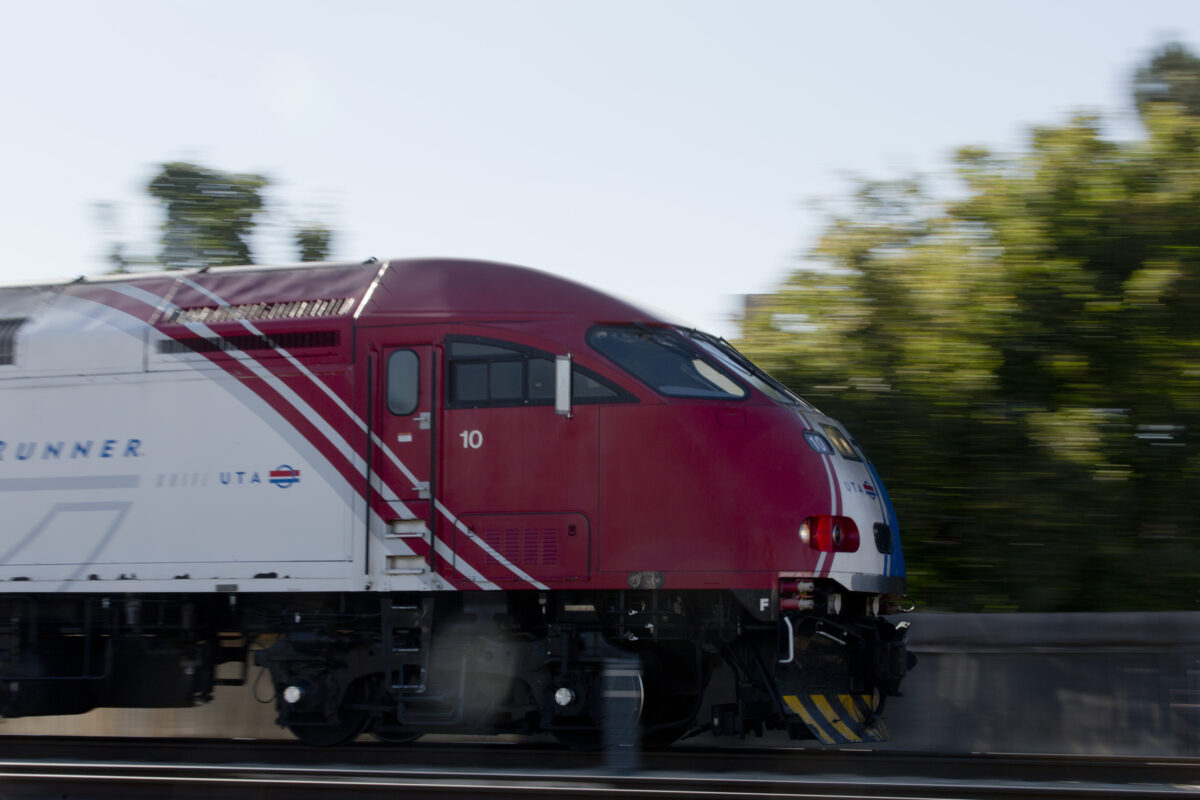
A northbound FrontRunner train is pictured on Wednesday, Sept. 26, 2018, in Provo.
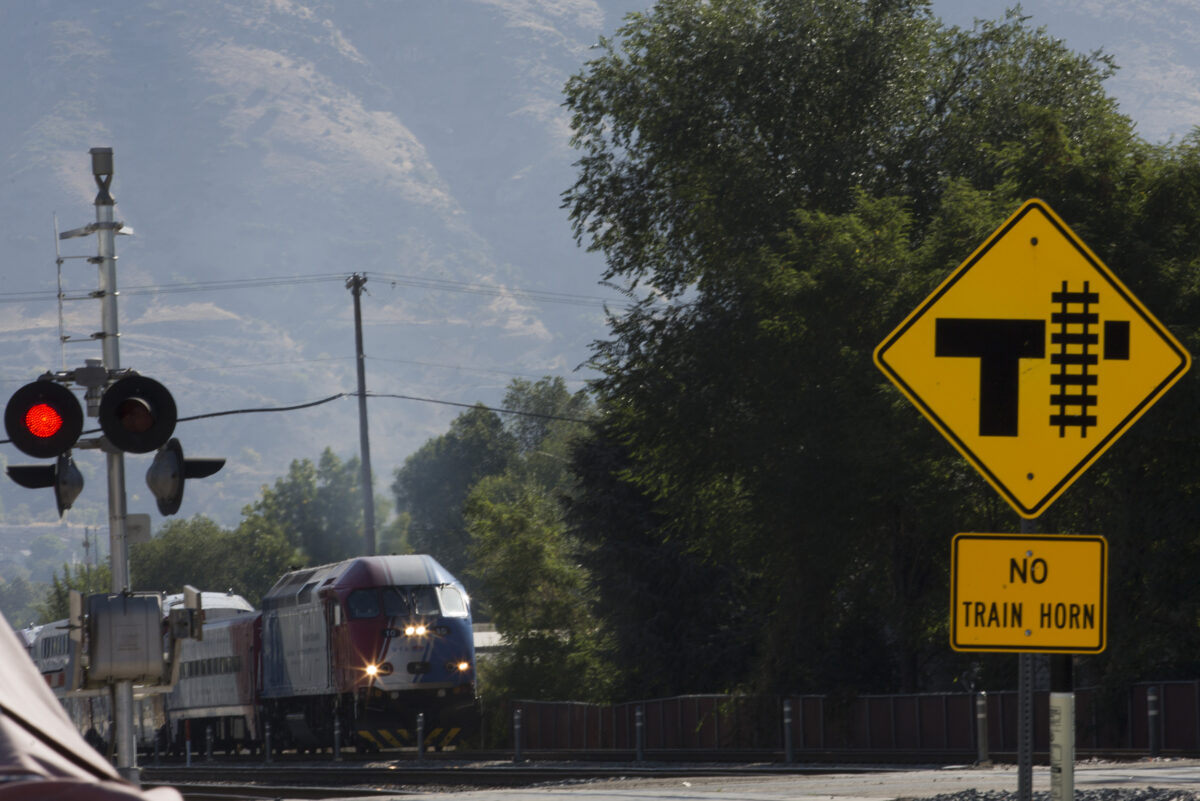
A northbound FrontRunner train is pictured on Wednesday, Sept. 26, 2018, in Provo.
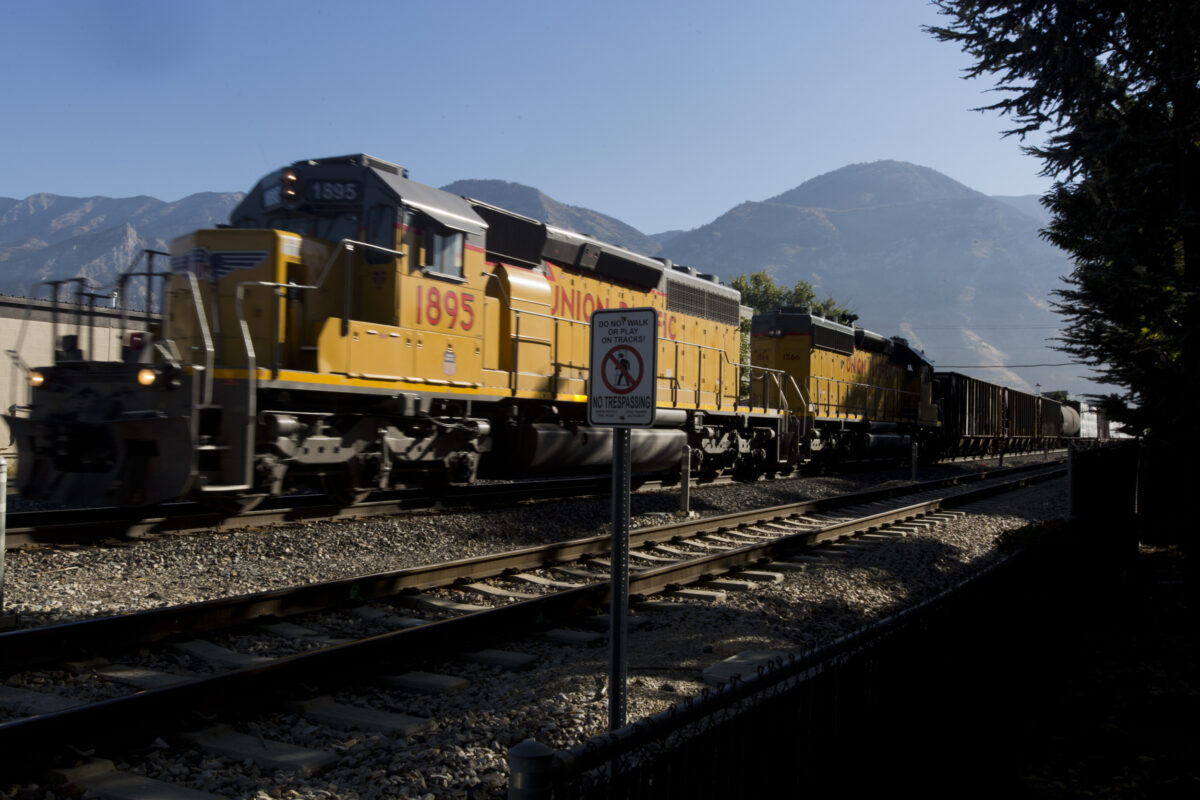
A northbound train is pictured passing north of the Provo FrontRunner station on Wednesday, Sept. 26, 2018, in Provo.
A Hyrum biology teacher, a 5-year-old boy and an American Fork resident are among those who have been killed by a train in Utah County during the past five years.
As Sunday marked the start of National Rail Safety Week, officials at the Utah Transit Authority and Operation Lifesaver urged people to obey safety rules to avoid future fatalities around trains.
“If you get hit by a train, chances are you won’t survive it,” said Carl Arky, the UTA public information officer.
In 2013, Larry Litizzette was killed by a Union Pacific train while duck-hunting with his son in Spanish Fork Canyon, according to police. The Mountain Crest High School teacher was walking on a railroad bridge when he was struck and fell from the bridge into the Price River.
A 5-year-old boy died in 2014 after being struck by a Union Pacific train near a Diamond Fork apartment complex. Police reported the boy and two other children were playing on the railroad tracks at the time of the accident.
In July 2018, Delwin Laughridge was hit and killed by a FrontRunner train in American Fork. The train engineer was blaring the horn as the 53-year-old American Fork resident walked underneath the lowered safety arm and past the flashing lights, police reported.
“With the trains, they can’t change directions. They can’t veer and avoid you,” Arky said. “We want people to be aware of their surroundings.”
The most common safety violation is crossing train tracks while the red lights are flashing or the crossing gate is lowered. The lights and gate arms are activated by sensors about 25 to 30 seconds before a train crosses the intersection, Arky said.
Even when the crossing gate lifts, people should wait until the lights stop flashing before crossing, he explained. Many people are often struck by oncoming trains that pass when the gate arm is raised but the red lights are still flashing.
“What dictates whether or not it’s safe to cross at a railroad crossing is whether the lights are off, not the gates going up,” Arky said.
A person or a vehicle is hit by a train every three hours on average in the United States, according to the statewide nonprofit Operation Lifesaver.
That statistic happened every ninety minutes when Vern Keeslar, the nonprofit’s state coordinator, began volunteering in the organization in 1996.
“We’ve gotten better,” he said. “We’ve done great at educating the public about the dangers that exist at railroad crossings.”
Operation Lifesaver helps educate people on railway safety. Last year, the program taught 17,000 high school students in driver’s education classes across Utah, Keeslar said.
“The lights are the real key,” he said. “If the lights are flashing, there is a situation where you need to remain stopped.”
Utah drivers often try to sneak under or nudge the gate higher with the hood of their cars, steer around the gate or just smash clean through the crossing gate, Arky said.
Utah drivers break an average of 300 crossing gates every year, Arky stated. If caught, drivers are issued a citation, fined and ordered to pay to replace the crossing gate, which can cost up to $1,000.
The UTA operators are trained to err on the side of caution. When someone is hit by a train, operators are offered counseling and time off to recover, Arky said.
“We’re trying everything we can to make the system as safe as we possibly can,” he said. “We’re relying on the public to be a partner with us and to be safe around railroad crossings.”
There has been an 82 percent decrease in railroad crossing accidents since Operation Lifesaver came to Utah in 1976. But Keeslar has seen a significant increase on trespassing deaths on railroad tracks.
Railroad tracks are private property, he explained. A train traveling at 50 mph can take at least a mile to stop.
“We shouldn’t walk on the train tracks, we shouldn’t take photographs on the train tracks or any of the sort,” Keeslar said. “Anytime that we’re on a railroad track, a train could come.”
People are advised to keep their eyes open, take their earbuds out and stay behind the yellow line when standing on station platforms.
If travelers have any safety concerns, UTA authorities encourage them to call (801) 287-3937 and report to the UTA police.
“Just one injury or one fatality affects an entire community,” Keeslar said. “Every single one of those is preventable. We want people to understand if they exercise a little caution, they’ll always be safe at a railroad crossing.”
- Always expect a train and look both ways before crossing.
- Only cross the tracks at designated railroad crossings, located where the street intersects with the tracks.
- Never walk between the rails or areas that are not designated railroad crossings.
- Avoid distractions including loud music, texting or talking on cell phones when crossing the railroad tracks.
- Stay away from trains and other railroad property, including trestles, yards and equipment.
- Report emergencies or suspicious activity on the tracks to Union Pacific’s Response Management Communication Center at 888-877-7267 or 911.