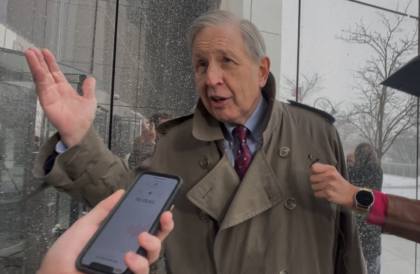
Funeral homes, mourners adapting to restrictions during pandemic
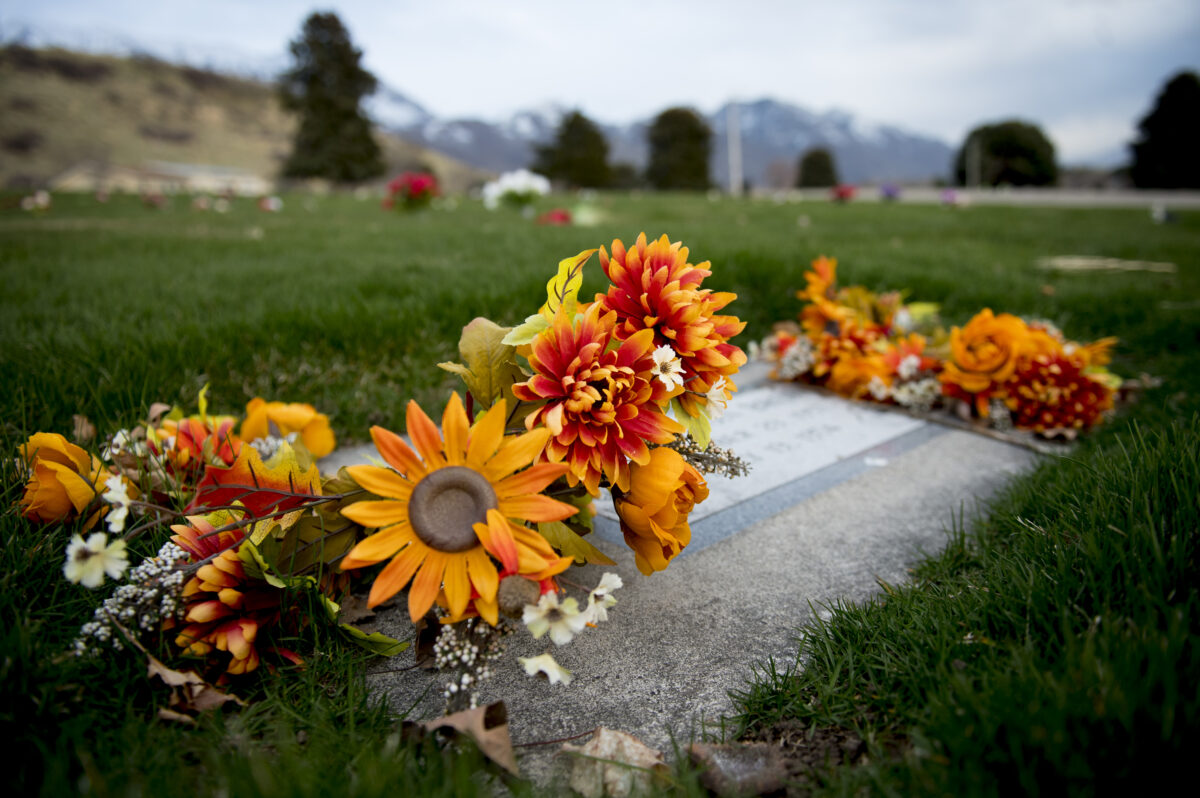
Flowers are displayed on a headstone at the Orem Cemetery on Wednesday, April 1, 2020. Isaac Hale, Daily Herald
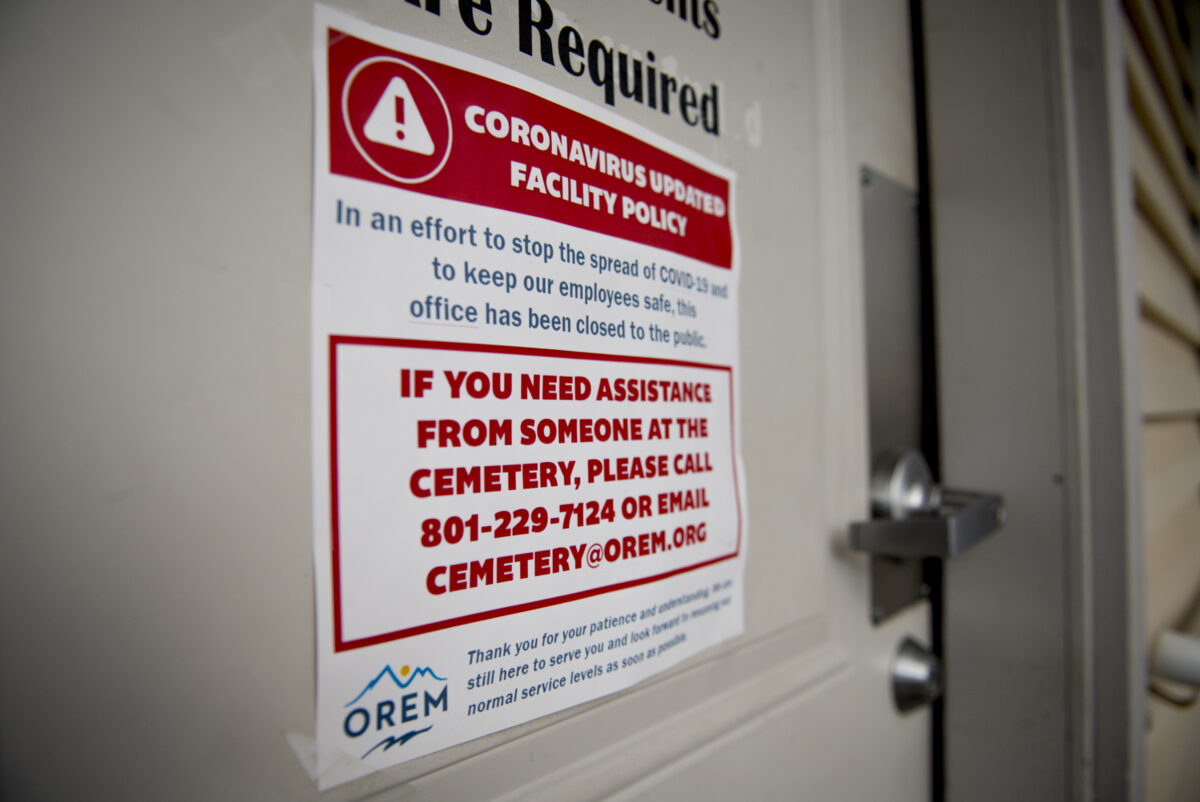
A notice is displayed at the Orem Cemetery on Wednesday, April 1, 2020. Isaac Hale, Daily Herald
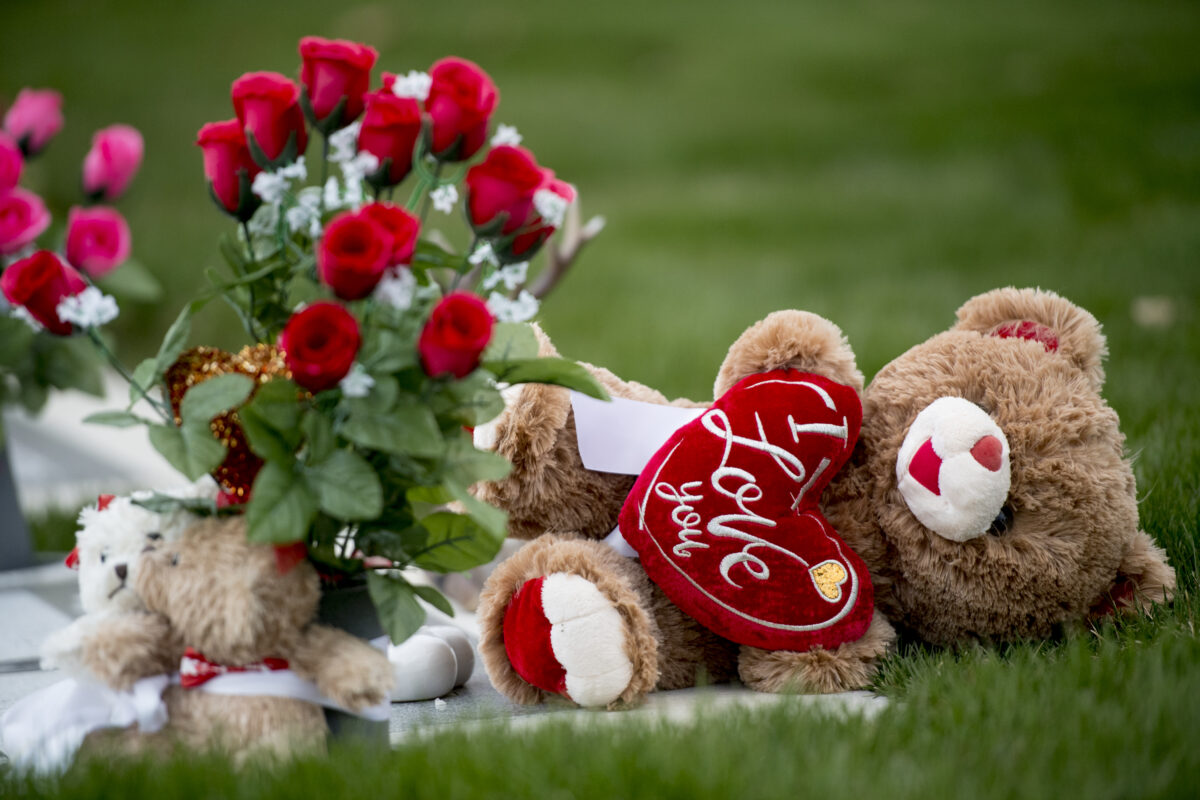
A teddy bear is displayed on a headstone at the Orem Cemetery on Wednesday, April 1, 2020. Isaac Hale, Daily Herald
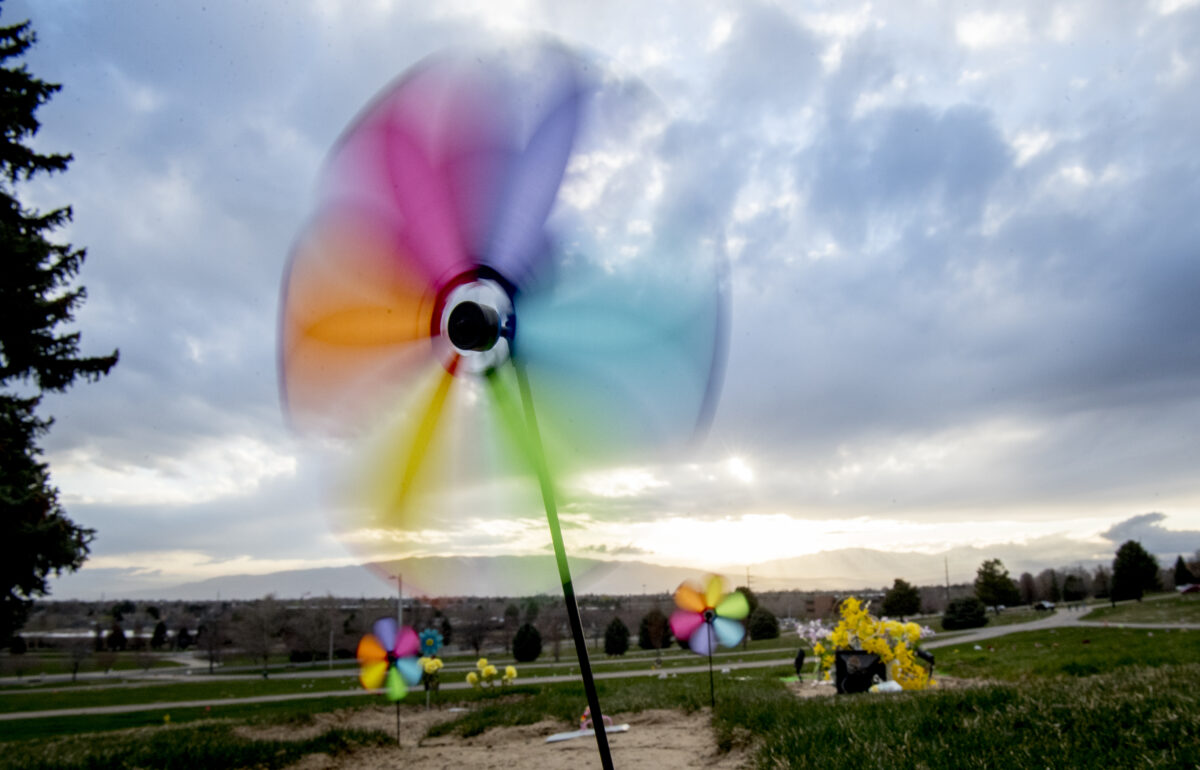
A pinwheel spins in the wind at the Orem Cemetery on Wednesday, April 1, 2020. Isaac Hale, Daily Herald
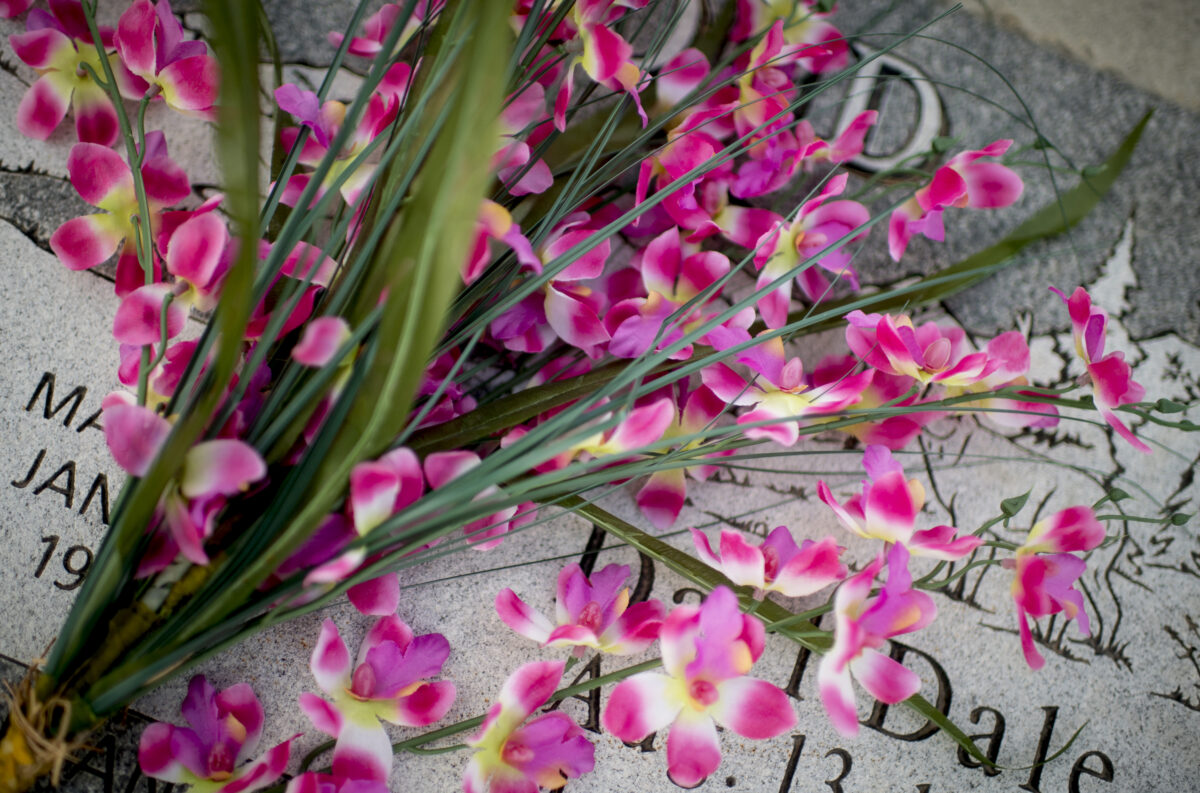
Flowers are displayed on a headstone at the Orem Cemetery on Wednesday, April 1, 2020. Isaac Hale, Daily Herald
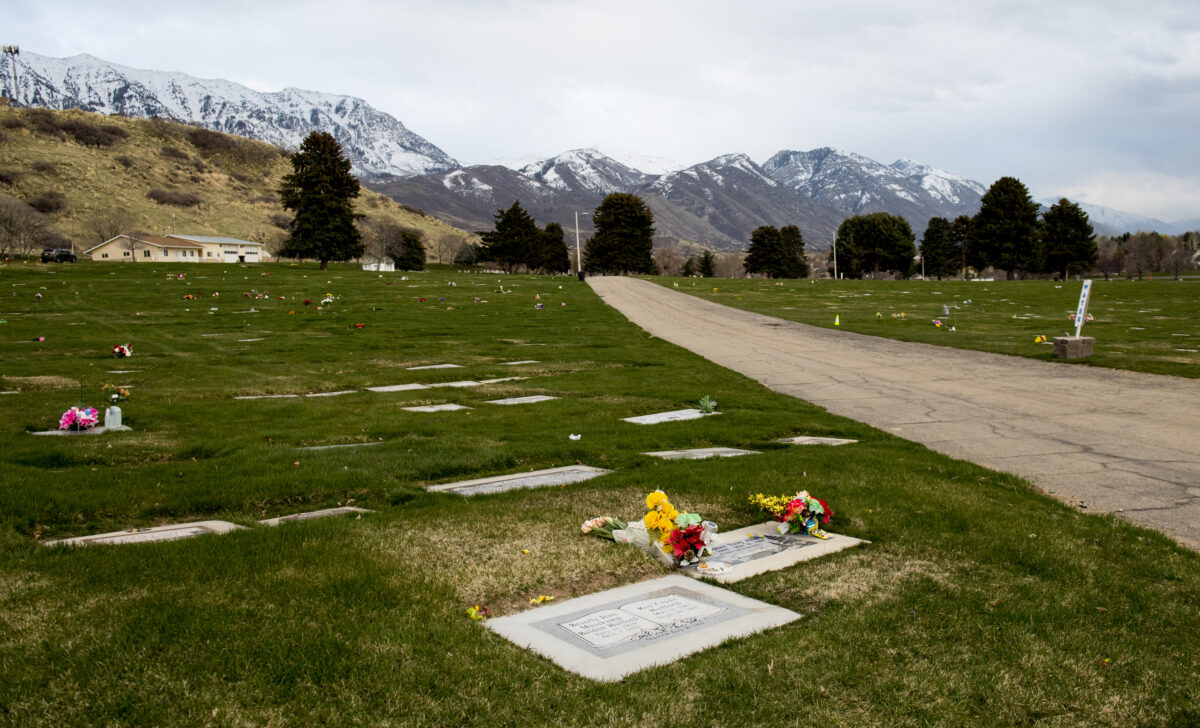
Headstones mark graves at the Orem Cemetery on Wednesday, April 1, 2020. Isaac Hale, Daily Herald

A message remains drawn into the dirt of a recently dug grave at the Orem Cemetery on Wednesday, April 1, 2020. Isaac Hale, Daily Herald
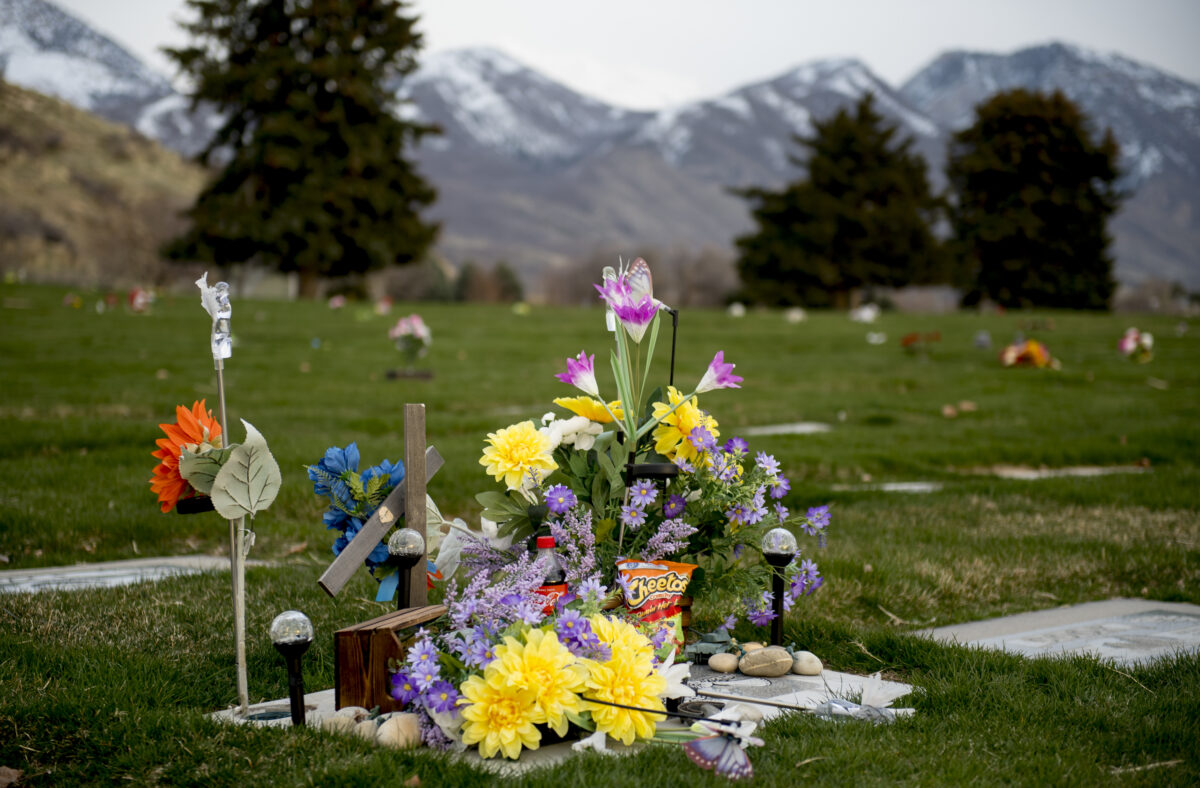
Flowers are displayed on a headstone at the Orem Cemetery on Wednesday, April 1, 2020. Isaac Hale, Daily Herald
What does one do when a loved one has died, but social distancing requirements restrict funeral traditions?
Both grieving families and funeral directors in Utah County are currently finding themselves stuck between the need to mourn and find closure through viewings and funerals, while also trying to adhere to social distancing guidelines due to the current COVID-19 pandemic.
On Wednesday, R. Bryant Hightower Jr., president of the National Funeral Directors Association, released the following information in a press release:
“While the National Funeral Directors Association (NFDA) is deeply committed to promoting the value of a funeral, the unprecedented novel coronavirus (COVID-19) pandemic requires the funeral profession to balance its long-held values with the need to: flatten the curve of the pandemic; protect the health of attendees, funeral home staff and clergy/celebrant; and reduce the potential for community spread and mass-fatalities,” Hightower said in the statement.
The association recommends funeral homes limit the size of services to no more than 10 of the deceased’s next-of-kin until further notice, the statement said.
“Issuing this recommendation is a serious step — one NFDA leaders never imagined taking,” Hightower said. “However, in light of the rising rate of infection and increasing deaths, it is a step they felt was necessary to prevent community spread of and deaths due to COVID-19.”
Hightower said, “Funeral directors will continue to do all they can to help families understand the options they have for commemorating the life of a loved one in a manner that is safe for everyone involved.”
Joe Rudd, president of the Utah Funeral Director’s Association, said funeral directors in Utah are doing their best to adhere to their area health departments, state and national guidelines, but in the grieving and mourning of helping loved ones find closure, it’s not that easy.
“It’s the hardest thing for funeral directors,” Rudd said. “Our whole business is based on giving loved ones closure, and we can’t do that at this time.”
Rudd said as the longer the current crisis continues, the more understanding families seem to be.
So just what can families expect if a loved one dies?
Rudd said he recently worked with a family whose deceased had been in hospice care.
“They started a Facebook page. They messaged their feelings to the relative,” Rudd said. “They (the hospice patient) could hear their eulogy before they passed, and the family gets more closure that way.”
Funeral directors are doing more live streaming and videoing viewings and graveside services. Some videos are being attached to obituaries.
“You can’t push off grief,” Rudd said.
Families should plan to have no more than 10 at a service. According to Rudd, even some cemeteries are only allowing 10 people at a graveside service.
According to Rudd, if large families want to participate in a viewing, they can, but the must make specific appointment times where 10 or fewer may come and pay respects.
In some cases, families might have to provide things they normally don’t have to at funerals. Vault companies that typically provide chairs, tents and sound systems at the graveside have temporarily stopped their services, and families must provide their own chairs and sound systems if used, according to Tom Sanderson, an Orem funeral director.
“It’s worse than crazy,” Sanderson said.
Sanderson added he feels sorry for families that can’t celebrate a loved one’s life as they would like to.
As for the effects of COVID-19, funeral directors already practice safety measures when handling bodies. In the case of this virus, once a body is dead, so is the virus.
A mortician’s personal protective equipment always includes masks, gloves, goggles and gowns, and at times face guards, according to Sanderson.
As part of preparation for burial, the body is disinfected and embalmed. Funeral homes are already trained to use the best practices and safety measures, whether or not there is a crisis.
According to Rudd, the problem they may have is getting the protective equipment. Funeral homes and mortuaries have been put in line after the medical profession to receive protective equipment.
“Funeral directors will continue to do all they can to help families understand the options they have for commemorating the life of a loved one in a manner that is safe for everyone involved,” Hightower said in the press statement. “This guidance is based on ‘The President’s Coronavirus Guidelines for America’ developed to slow the spread of COVID-19.”
Hightower adds, “NFDA urges funeral directors to follow these recommendations for the safety of their funeral home’s staff and the families and community they serve. NFDA will continue to monitor the situation and provide updates as necessary.”
Local News
Deepening its roots: Utah State Hospital announces 15-year master plan for Provo campus
Orem audiologist addresses correlation between hearing loss and dementia