Utah County dairy industry faces udder chaos
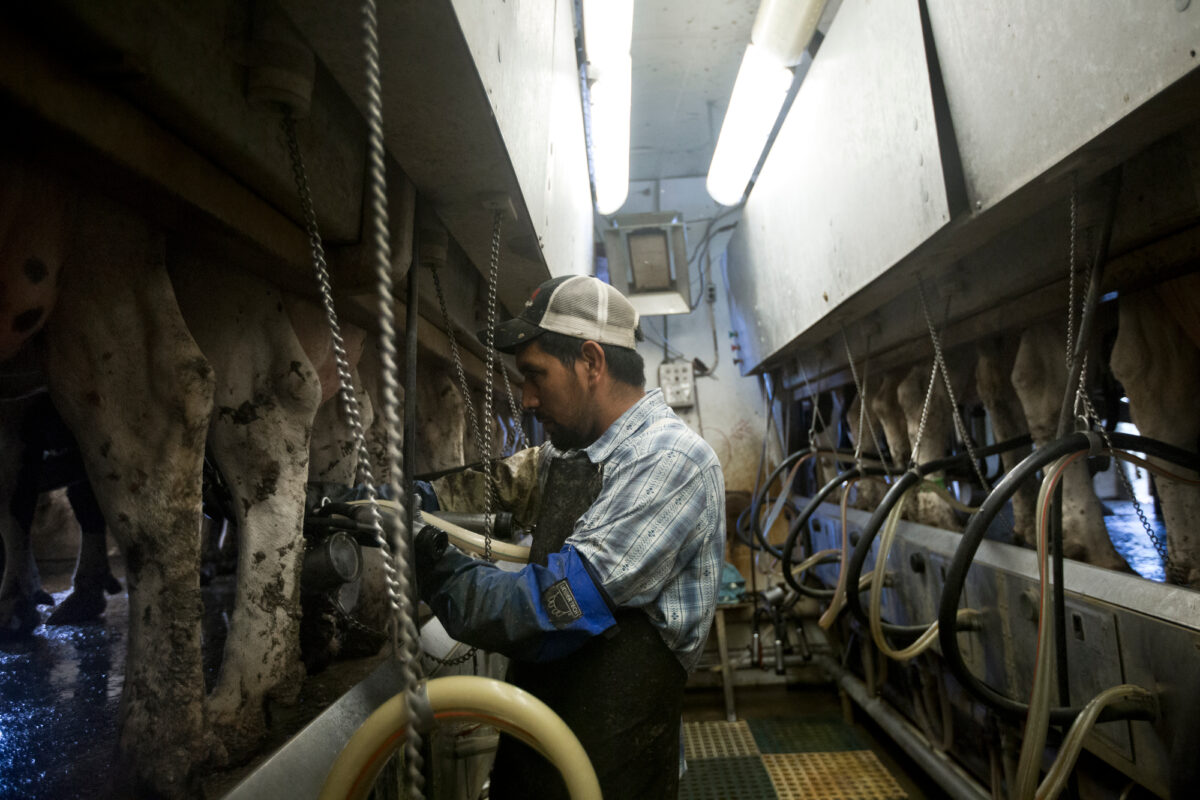
A worker known as Moises attaches cattle to a milking machine at a Springville dairy farm on Wednesday, July 27, 2016.
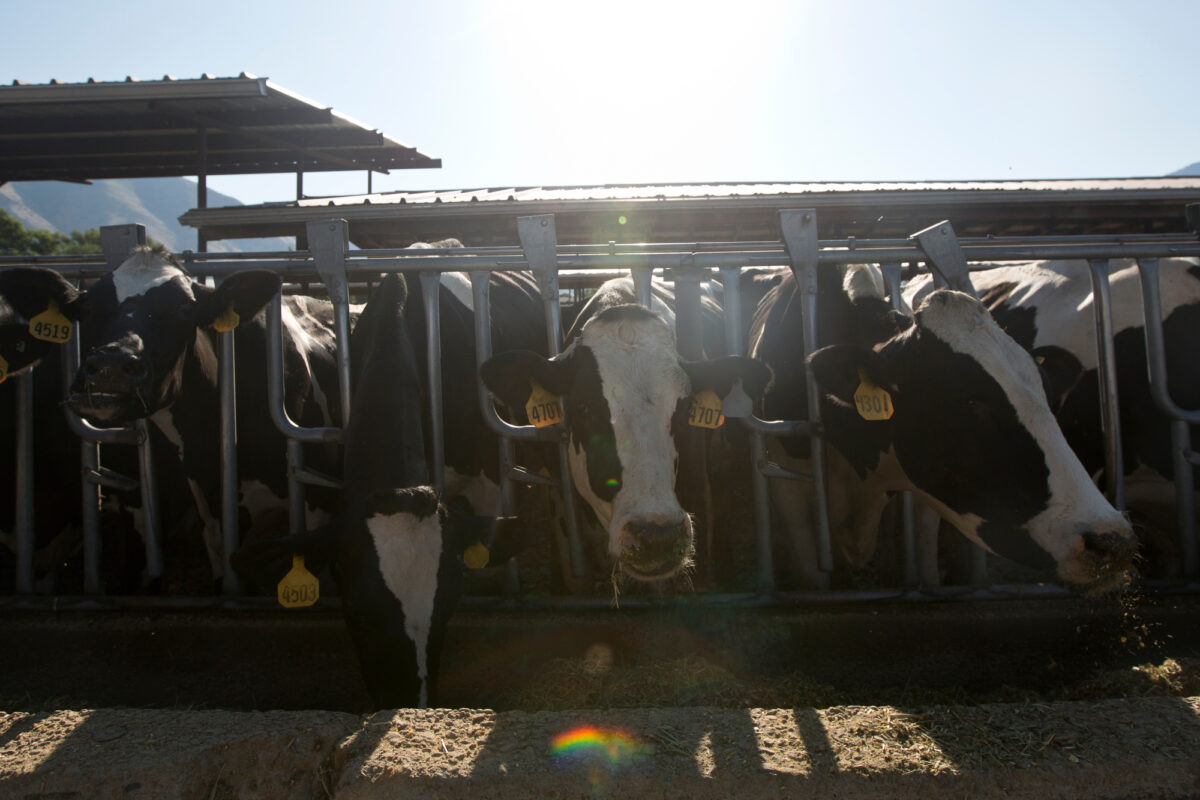
Cattle prepare to be fed at a Springville dairy farm on Wednesday, July 27, 2016.
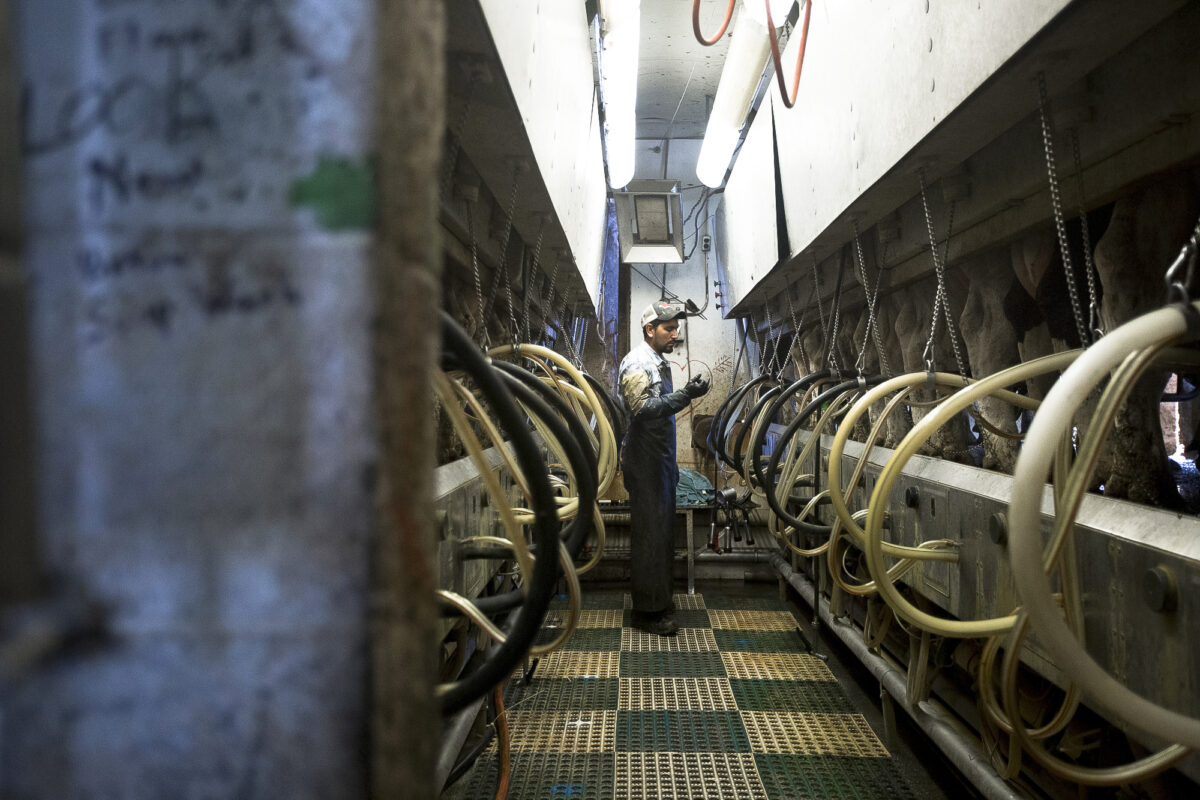
A worker known as Moises attaches cattle to a milking machine at a Springville dairy farm on Wednesday, July 27, 2016.
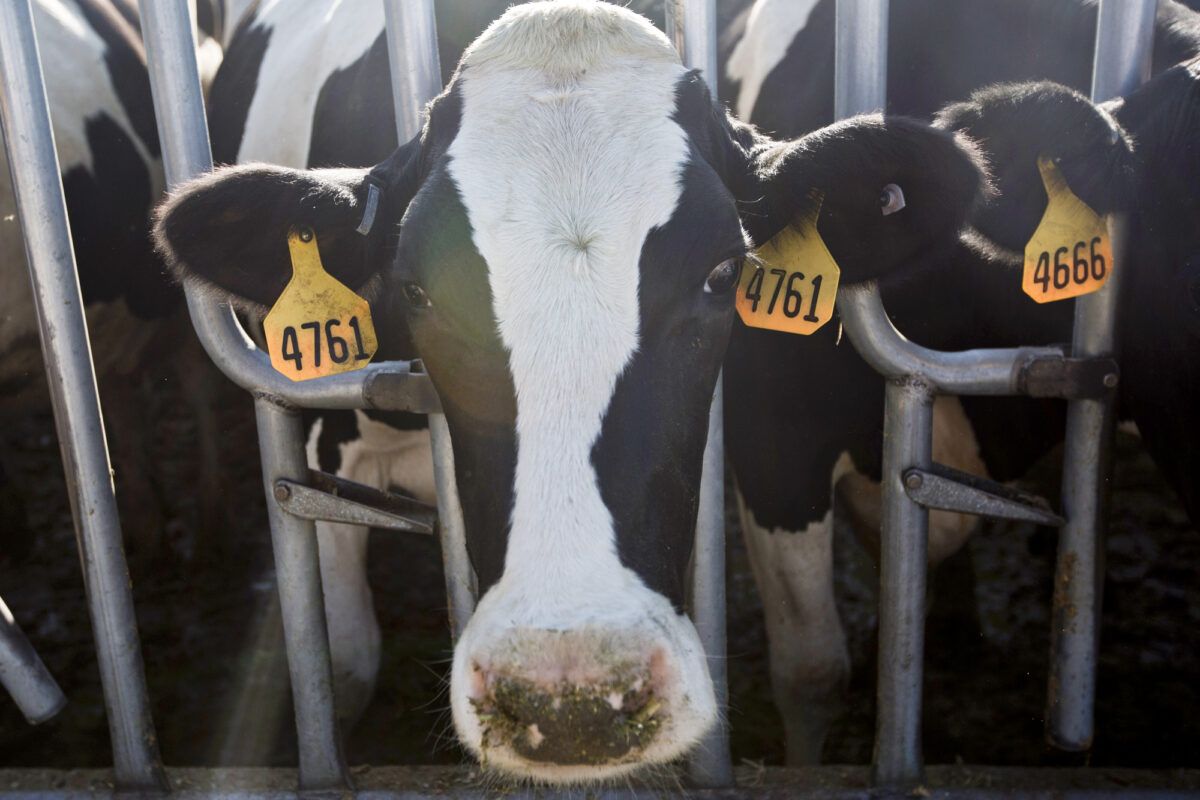
Cattle prepare to be fed at a Springville dairy farm on Wednesday, July 27, 2016.
The closure of K-12 schools, restaurants and event centers during the COVID-19 pandemic has hit Utah’s agricultural industry particularly hard, including dairy farmers in Utah County.
Brent Carter, a dairy farmer at the family-owned Circle C Dairy in Goshen, explained that the price of milk and other dairy products “is controlled by supply and demand.” And with schools and restaurants across the county, state and country suddenly closing all at once, demand has plummeted.
“The schools are all out now … (and) there’s a lot of milk that goes into the school districts and is consumed that way,” Carter said. “So there’s just more supply now than there is demand on milk, so that’s why there is more milk than what we’re consuming.”
The drop in demand has left dairy farmers in Utah County — and across the country — wondering what to do with their excess product.
According to Carter, some dairies in Utah are resorting to dumping milk down drains or in fields. He added that Circle C Dairy, which sells milk to Gossner Foods in Logan, has been able to sell its milk and hasn’t had to dump it.
“We personally aren’t, but I do know that some of our neighboring dairies are having to dump milk,” said Carter.
While Carter’s 200-cow farm is still operating during the pandemic, the dairy farmer said some agricultural services and offices in the state have adjusted business hours or are otherwise hard to get a hold of.
“So that makes it difficult to receive supplies and send supplies and stuff like that,” he said.
When asked how significant of an impact the pandemic would have on the dairy industry, Carter said, “it’s going to be pretty big” and that many dairies will “probably go out of business.”
“I don’t know how big it’s going to be, but definitely it’s going to be big,” Carter said.
The pandemic exacerbated struggles that Utah’s agricultural community was already facing, said Matt Hargreaves, vice president of communications for the Utah Farm Bureau Federation.
“They (agricultural workers) already had strange financial situations anyway, and then this is compounding things because it just disrupted the food … distribution model,” Hargreaves said.
According to Hargreaves, about 40% of the United States dairy market typically goes toward “food service,” which includes restaurants and school cafeterias.
“And on top of that, about 20% would be exported,” Hargreaves said. “And global demand has dried up. And so what do you do with all this milk? The cows still have to get milked every day. Stores shut down, but you can’t shut down the cows.”
It isn’t just farmers themselves who are impacted, said Hargreaves. Milk processing plants that, for example, typically make big tubs of sour cream and butter for restaurants “can’t just switch to making the small little tubs of sour cream that go to grocery stores.”
“That’s just not what they’re designed for,” he said.
Pleasant Grove resident and former Wasatch Dairy Services president Todd Devereaux, who is now president of TD Logix, a company that provides automated milking, feeding and manure disposal services for dairy farms in Utah County and elsewhere, said the “huge price drop” in milk and a lack of demand has given his customers anxiety about their livelihoods.
“You don’t just turn off milk production,” Devereaux said. “If you stop milking your cows, they stop giving milk and you can’t turn it back on for another year. So it’s a very vulnerable business.”
Devereaux said he expects his company to be hit hard by the pandemic as well, since “my business is to sell them (dairies) products” and most dairies aren’t in a position to buy products.
“I only work with dairies, so I’m likely to be struggling,” he said.
Carter of Circle C Dairy said that with prices declining year after year, going out of business is a common fear within the dairy industry.
“I mean, it’s always a concern that you have,” said Carter. “Because you can’t continue to function in a negative cash flow.”
Reopening schools and businesses once experts approve doing so will benefit Utah’s dairy community, Hargreaves said.
“The best thing to help our farmers is to get markets open again when public health standards are appropriate to do so,” he said. “We want to make sure we’re being smart about what we’re doing, but … what’s going to help the most is getting markets open again.”
Hargreaves added that support from the federal government could help keep agricultural industries afloat until businesses and schools start re-opening.
On April 18, U.S. Secretary of Agriculture Sonny Perdue announced the creation of the Coronavirus Food Assistance Program, which will provide $19 billion in aid to farmers and ranchers throughout the country.
Local News
Phil Lyman running for Congress to ‘push back’ against perceived government overreach

An authentic adventure: A look inside The Chosen’s final season filming in Utah County