LDS Church Addiction Recovery Program provides support, healing
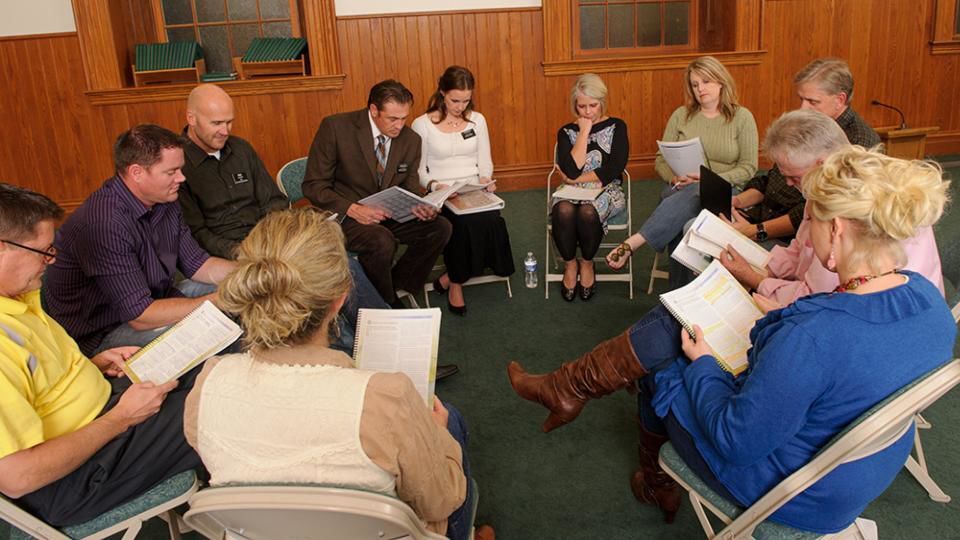
Every week, around 2,800 Addiction Recovery Program meetings are held in 30 different countries and 17 different languages. These meetings happen in person, but also virtually.
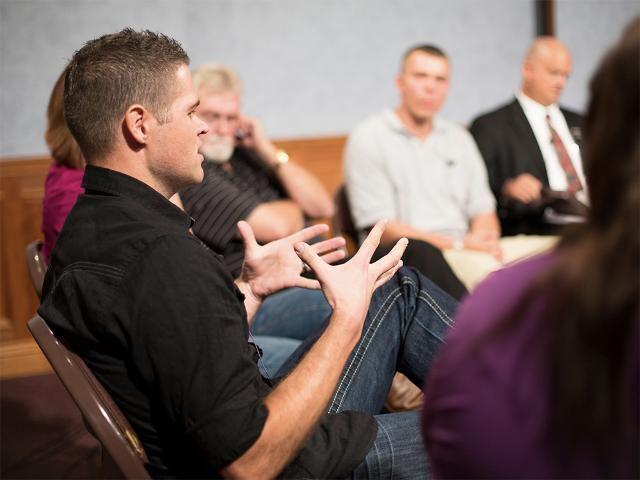
The Addiction Recovery Program provides support and a safe place for anyone working to overcome an addiction or compulsive behavior. May 20, 2021.
One of the services provided by The Church of Jesus Christ of Latter-day Saints is its Addiction Recovery Program (ARP).
ARP is designed to help those interested in working toward overcoming addiction or compulsive behavior have hope that recovery is possible, even during a pandemic, according to a church statement.
What is it?
The church’s Addiction Recovery Program provides support and a safe place for anyone working to overcome an addiction or compulsive behavior. The program is made up of support groups that follow a 12-step approach with a gospel framework.
Those addictions can range from drugs and alcohol to porn and compulsive behavior.
Each group is made up of participants working toward recovery, ARP service missionaries and facilitators who have found recovery and healing through the Addiction Recovery Program themselves.
There are separate groups for those struggling with general addictions and pornography use. There also are support groups for spouses and family members to attend.
“In society and especially in the church there is so much shame and stigma around addictive and compulsive behaviors. Consequently, people suffer in silence, and it breaks my heart,” said Ben Erwin, a Family Services therapist and the Addiction Recovery Program manager.
“The Addiction Recovery Program provides a safe place where anyone can find acceptance, compassion, help, support, truth and healing. When you walk into an Addiction Recovery Program meeting, people don’t judge, stare, cast a glance — they warmly welcome you. They’re so glad you came. And they’ll invite you to keep coming back.”
Paul Oveson, Orem, was an ARP missionary from 2015 through 2017. His specific assignment was on the Brigham Young University campus to help those addicted to porn.
“We started out with one class a week on Tuesday nights,” Oveson said. “When we finished (the mission) we had meetings going every night.”
Oveson said he and his companion started with about 10 participants and met in a seminary building near the BYU campus. The classes began growing and when they got to 40 or 50 attendees, they split the class. Some attending were not students or even members of the church.
“We started in the seminary building and then held some in the Harold B. Lee Library, and then classes were held all over campus,” Oveson said. “We also did presentations in wards (congregations).”
Oveson said the thing that brings the greatest success is when the addict knows they are loved and not judged or looked down upon.
When Oveson and his companion started seeing the classes grow with many recently returned missionaries, he called his friend Elder D. Todd Christofferson of the Quorum of the Twelve Apostles.
“They come off a spiritual high to nothing,” Oveson told Christofferson. “I suggested maybe they could be called to help at the temples, cleaning or serving to keep them there until they could get their feet on the ground and settled.”
According to Oveson, the Temple Department was approached, but Christofferson told him he hit a brick wall.
Since his mission, Oveson is hoping some things have changed. “Porn is very pervasive. The returned missionary women also got into it.”
Not only do you need to treat them with love, ARP missionaries, counselors, friends, family and the addict must work together to help build the addict’s self-esteem back.
“That’s the very first thing you should do,” Oveson said.
“On the other side of addiction, there is hope and healing and happiness,” said Karen, an ARP participant who is recovering from a drug addiction. “I’m really grateful that I have had this experience because it has brought me this relationship with Jesus Christ that I never thought possible.”
Karen’s struggle with addiction first began when she was working as a nurse and going to graduate school. “I also had a miscarriage, and after the miscarriage, I was given a prescription for narcotic pain medication, and that’s the first time I realized that these drugs helped me feel better in my mind as well as for pain.”
Karen spiraled into addiction and began stealing narcotics from work. When she was caught and lost her job, Karen started her journey to recovery. During this journey, she attended ARP meetings.
“The addiction recovery meetings were probably the most important thing in my recovery,” Karen said. “As I sat there and heard the stories of other people — there were other good, good people who had struggled with addiction, and hearing their stories and seeing their successes gave me hope that I could get better too.
“As I went to meetings regularly, I felt the power of healing take over. I’m a totally different person today than I was when this happened. Because of Jesus Christ, I know that I don’t have to be defined by what I did back then and that I am a good person. I have felt his love. I have felt him come into my life and change who I am,” said Karen.
Find a Virtual or In-Person Meeting
Every week, around 2,800 ARP meetings are held in 30 different countries and 17 different languages. These meetings happen in person, but also virtually. If there are no meetings in your area or if you feel more comfortable attending virtually, you can join a Zoom or phone meeting, according to the church.
“Traditionally, we’ve met in person, but through COVID, we’ve grown and expanded online meetings where people can join via Zoom,” said Erwin.
Virtual meetings have been a necessity during the pandemic, but they also bring many benefits. If there isn’t a meeting in your area, you can join a meeting in a different city. If you feel more comfortable joining anonymously, you can do that virtually, Erwin added.
“Virtual meetings give people an extra opportunity to take the first step. The first meeting is always the scariest, it’s always the hardest — but if you have a little bit of faith, you can join a call. You don’t have to say your real name. You can just go sit and participate and listen and observe and feel the spirit. I would invite anyone who’s interested to just anonymously attend a meeting. Come and see for yourself,” said Erwin.
Finding Strength in the Lord
The church’s Addiction Recovery Program is about supporting and connecting with each other in overcoming addiction, but it’s also about connecting with the Savior, according to the church.
“The Savior is keenly aware of all of our trials and struggles,” said Erwin. “When we gather to support each other in overcoming this challenge through him, my experience is that he is there with us.”
Visit addictionrecovery.ChurchofJesusChrist.org to find a virtual or in-person meeting. The website also includes stories of hope, videos and support group guides. You can also listen to podcasts of recorded meetings to learn more about what a meeting is like.
Local News

ICE buys a Salt Lake City warehouse with plans for a new detention center

Transforming the mall: Provo Towne Centre redevelopment plan goes through the legislative process