
New York Attorney General Moves Against Sweepstakes Casinos Amid Online Gambling Boom
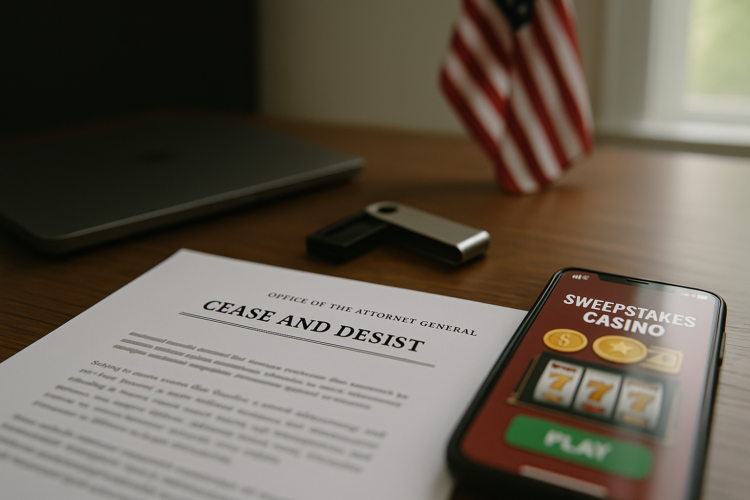
New York’s Attorney General Letitia James has issued cease-and-desist notices to 26 online sweepstakes casinos, calling them “illegal and dangerous” for operating without appropriate authorization. The enforcement action, announced in early June, targets platforms that offer casino-style games under sweepstakes models – marketing themselves as free-to-play while using virtual currencies to simulate gambling. These platforms have grown in popularity nationwide, particularly in states with strict gambling bans, creating a regulatory gap that now faces heightened scrutiny.
The timing of the announcement is notable. As regulated online gambling continues to expand across the U.S., consumers in restricted markets, such as Utah, often turn to alternative platforms outside state jurisdiction. Because of this, curated resources like the Bovada alternatives list have become increasingly popular among users looking for access to legitimate gaming experiences without violating local laws. These lists, which sometimes compare offshore and sweepstakes-based options, speak to a growing interest in platforms that offer users more control, transparency, and access, especially in states where legal gambling is tightly restricted or undefined.
Sweepstakes casinos typically operate on a dual-currency system, offering users “gold coins” for entertainment and “sweeps cash” that can be redeemed for real prizes. Operators argue this system exempts them from gambling definitions, allowing them to serve users across multiple jurisdictions. But according to James’s office, this business model obscures the true risks, especially when age verification, loss limits, and transparency are inconsistently applied or absent altogether.
This legal challenge sheds light on a larger debate surrounding digital gambling oversight in the United States. While traditional casinos are bound by extensive licensing and consumer protection laws, many online sweepstakes sites operate from offshore jurisdictions, facing few consequences unless targeted directly. The enforcement approach in New York may signal a new phase of accountability, particularly as these platforms become more visible to mainstream audiences.
Regulators across the country are paying attention. In a 2024 interview featured in a Guardian article on booming US gambling industry, Massachusetts Gaming Commission chair Jordan Maynard warned of the lack of national infrastructure. He described the current system as one that allows for rapid market growth without shared standards on marketing, exclusion lists, or public safeguards. The concern is not just about legality but also consistency – whether consumers in different states are receiving equal levels of protection.
Despite these concerns, the casino sector remains a substantial contributor to the U.S. economy. According to the American Gaming Association State of the States report, commercial gaming operations generated $15.91 billion in direct taxes to state and local governments in 2024, an 8.5 percent increase over the previous year. These funds support a wide range of public services, from education to transportation infrastructure, reinforcing the fiscal relevance of the industry even as regulatory models lag behind.
Utah, one of only two U.S. states with a total ban on all forms of gambling, offers a unique case in this national picture. With no state lottery, no casinos, and no legal sports betting, Utahns often turn to offshore or sweepstakes-based platforms to access gaming services. Local law enforcement rarely pursues individual users, but legal ambiguity persists. The New York case does not target Utah residents directly, but it raises the question of how long such platforms can continue operating without more coordinated enforcement.
The companies named by the New York AG, including several well-known sweepstakes operators, have not issued formal responses. Some have previously stated their compliance with sweepstakes laws and emphasized that purchases are optional. Whether the companies will modify their offerings or pursue legal action is still unclear.
Industry observers believe that this enforcement effort may lead to broader consequences beyond New York. Payment processors, ad networks, and platform hosts may now reassess their relationships with sweepstakes casinos. Some may tighten compliance standards, while others could exit the category entirely to avoid reputational or legal risks.
For users in restrictive states like Utah, the market remains complex. While legal gambling is absent, the desire for participation is not. As enforcement evolves and definitions narrow, access may become more limited – or more fragmented – depending on how courts interpret business models like sweepstakes-based gaming. The gap between user demand and legal availability continues to be filled by alternatives, but those alternatives are now facing unprecedented legal examination.