A fruitless harvest: How farmers are recovering from weather whiplash in Utah County
Farmers in Utah Valley facing challenges after wild weather year
-
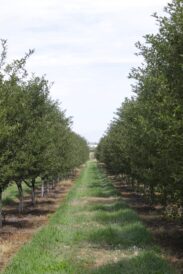
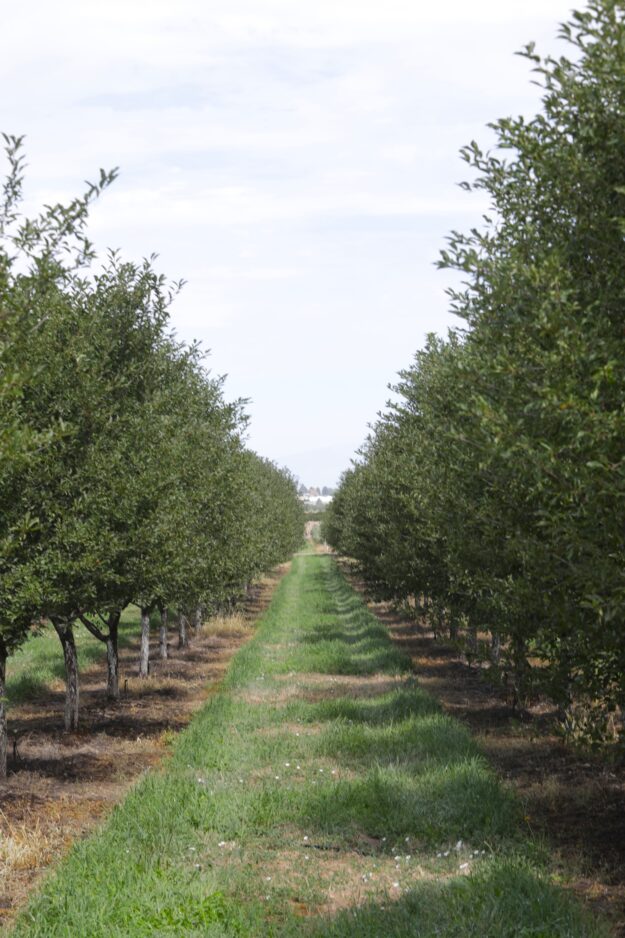
- Pyne Farms in Santaquin, which experienced a near total loss of its fruit crops due to a freeze, is pictured Friday, Aug. 21, 2026. (Jacob Nielson, Daily Herald)
-
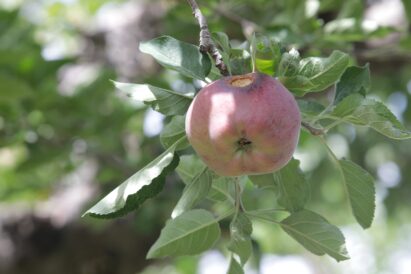
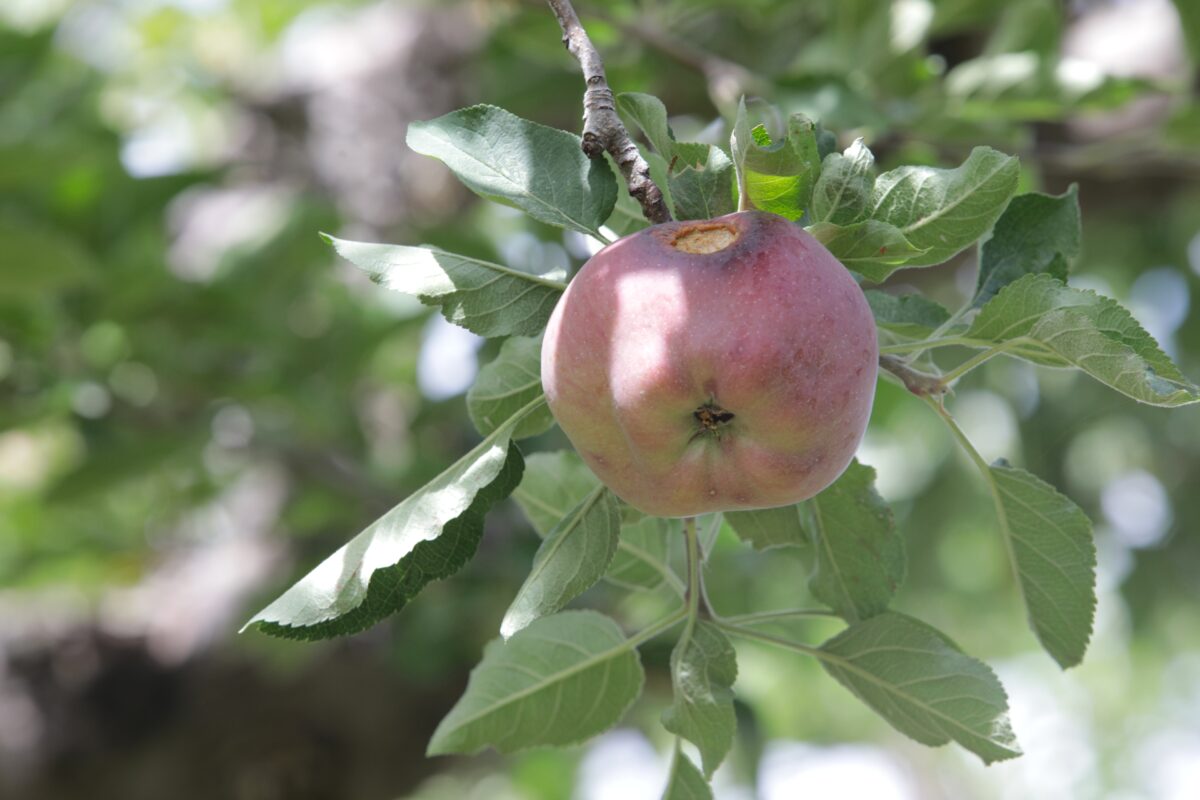
- Pyne Farms in Santaquin, which experienced a near total loss of its fruit crops due to a freeze, is pictured Friday, Aug. 21, 2026. (Jacob Nielson, Daily Herald)
-
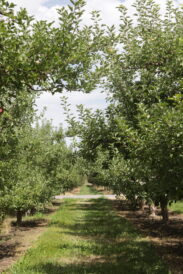
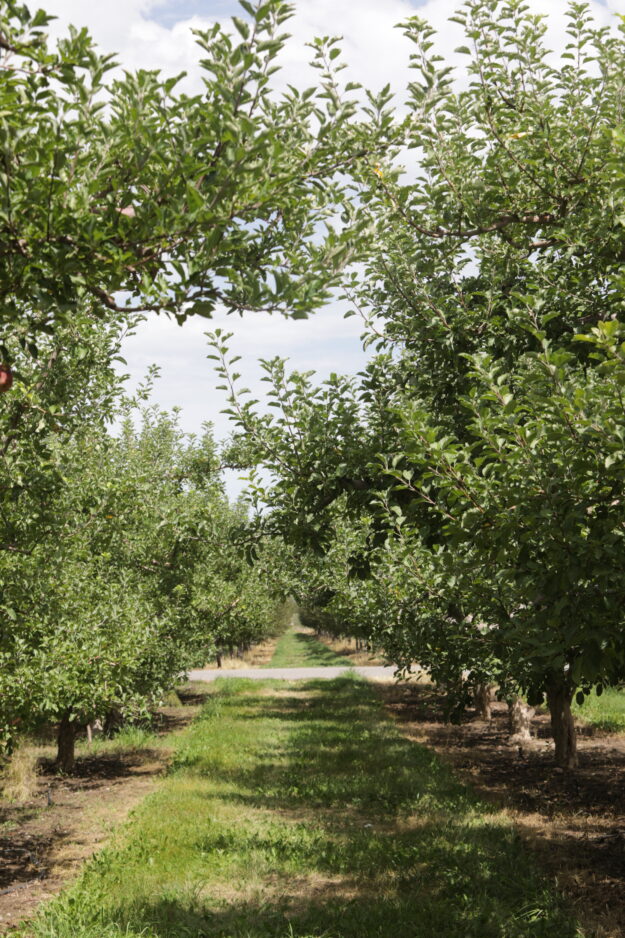
- Pyne Farms in Santaquin, which experienced a near total loss of its fruit crops due to a freeze, is pictured Friday, Aug. 21, 2026. (Jacob Nielson, Daily Herald)
-
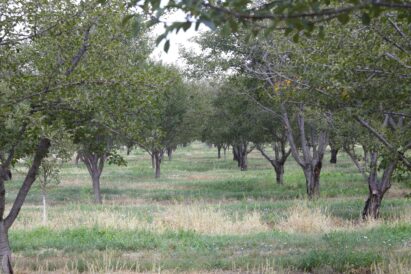
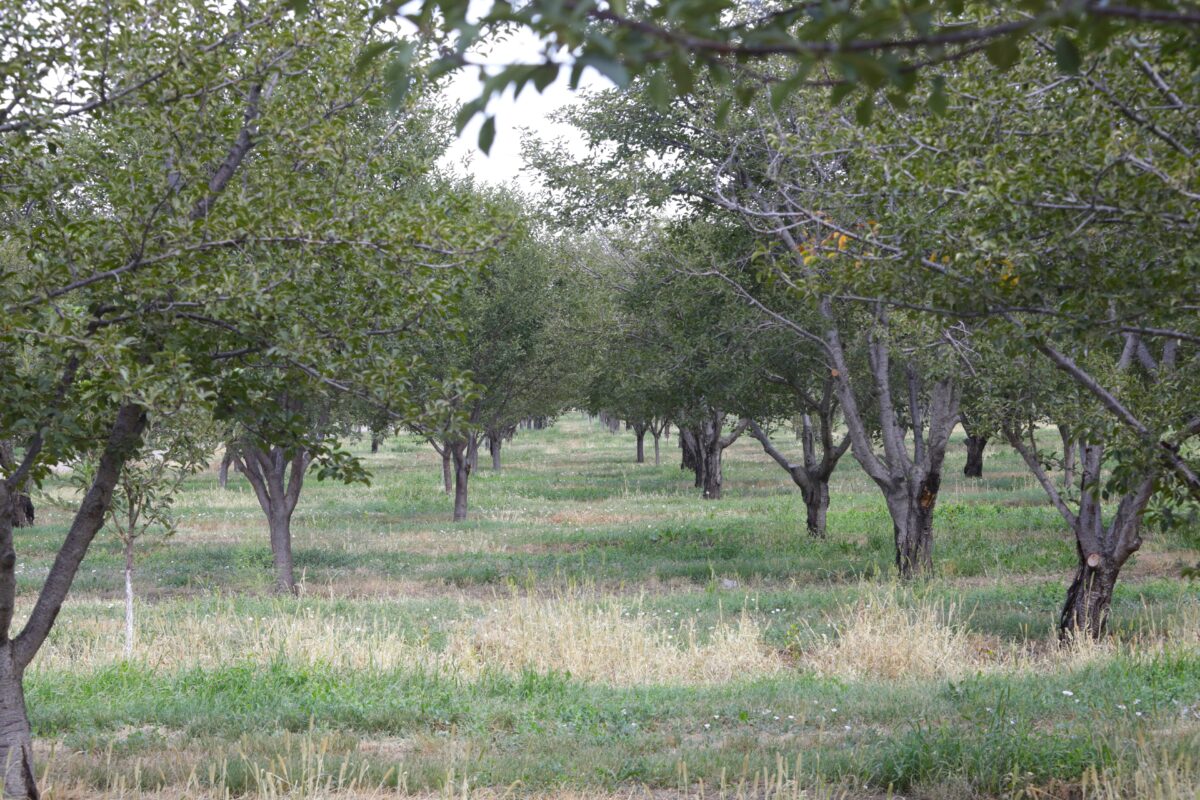
- Pyne Farms in Santaquin, which experienced a near total loss of its fruit crops due to a freeze, is pictured Friday, Aug. 21, 2026. (Jacob Nielson, Daily Herald)
Kent Pyne of Pyne Farms walked through his orchard the first week of April, cutting open blossoms to assess damage. The night before had brought the first hard freeze of the growing season. Around 90% of his Santaquin orchard, home to tart cherries and apples were lost.
His Genola orchard, home to peaches, pluots and other stone fruit, managed to survive the first freeze mostly untouched. The freeze on April 18, however, finished off what remained.
“At that point, there was small fruit on the trees and they either turned black and shriveled up or just shriveled up and fell to the ground,” Pyne said.
Pyne Farms has grown fruit in Utah County since 1903. His father told Pyne that 2026 followed the same pattern as the family’s last total loss in 1972: a warm winter and early spring, blossoms out ahead of schedule, then a killing freeze.
Winter 2025-2026 was Utah’s warmest since federal statewide records began in 1895, according to the National Centers for Environmental Information. Utah’s average temperature between Dec. 1 and Feb. 28 was around 40 degrees, breaking the previous record set during the 2014-2015 winter. That warmth pushed the fruit trees into early bloom and left the mountains short of snow.
Then came April 2026. Weather stations in the affected areas dropped below 26 degrees for more than eight hours on four separate mornings, according to Gov. Spencer Cox’s Executive Order 2026-01. USU Extension advisories say that just 30 minutes at 25 degrees is enough to kill roughly 90% of flowers and fruitlets at the bloom or post-bloom stage.
For some of Utah County’s stone fruit, apple and pear producers, the April freeze caused near total losses.
“Some producers reported they lost around 95% to 100% of their crops, while others estimated figures more in the 75% range,” said Leon Page, public information officer for the Utah Department of Agriculture and Food, or UDAF, in an email. Anecdotally, Page said that producers have told UDAF they haven’t seen losses on this scale since the early 1970s, though he cautioned there is no concrete data to compare.
Beyond fruit, Page said, “virtually every crop in its growing cycle during the freeze was affected one way or another.” Many crops had their tops frozen and needed early cutting to keep growing at all, an acute problem for alfalfa which is normally cut at least twice a season. Much of the wheat was baled for forage rather than left to reach grain. Producers, he said, “have had to pivot expectations on season planning and scheduling in addition to viable crop harvests.”
After April came the cascading declarations. Cox declared a 30-day state of emergency for freeze damage on May 15, covering 10 counties, including Utah County. Six days later, he declared a statewide drought emergency across all 29 counties. On June 5, the USDA named Utah County a primary county in a federal disaster designation but for drought. On June 25, Cox added a statewide wildfire emergency declaration. On July 12, Salt Lake City hit 109 degrees, an all-time record high, according to the National Weather Service. By mid-August, Utah Fire Info counted more than 537,000 acres burned statewide; surpassing the 355,944 acres burned across all of 2021 through 2025 per National Interagency Fire Center data.
The state’s dedicated tool for helping producers recover is the Emergency Disaster Relief Loan Program, or EDRL, administered by UDAF through the Utah Conservation Commission. Producers can borrow up to $100,000 in seven-year loans at 0% interest for the first two years, then at 2.75%. There is a separate application window for each declared disaster: the freeze track opened May 15 and closes Nov. 15; the drought track opened May 21 and closes Nov. 21; the wildfire track opened June 25 and closes Dec. 25.
For orchardists, the entry point is Daniel Gunnell, the Resource Coordinator for the Payson and Santaquin area in Utah County, reachable at (435) 749-0853 or drgunnell@utah.gov. A producer works with Gunnell to complete the fillable PDF application, available at ag.utah.gov, and gather supporting documents. The application then goes to the local Conservation District Board for approval, then to UDAF for underwriting, and finally to the Utah Conservation Commission for final approval. The District and Commission require a minimum of 90 days after an application is submitted to process, approve and fund a loan.
“The EDRL is a loan, not a grant,” Page said. “Ultimately, it is up to each producer to evaluate their own finances and decide if taking on debt makes sense for their operation.” He urged producers to first pursue any available grant funds from federal sources like USDA before turning to the state loan.
As of July 21, UDAF had received 44 EDRL applications statewide, requesting a combined $3.93 million against a $6 million fund. Eight of those applications came from Utah County. The Utah Conservation Commission approved the first nine loans that week ($770,000 total) with disbursements to those borrowers expected to begin in the following weeks.
If demand exceeds the fund, Page said, Commissioner Pehrson and UDAF staff “are already in discussions with legislators and other partners about acquiring more funding for emergency programs including EDRL.” The issue, he said, will likely be addressed during the next emergency or special legislative session.
Pyne has not applied for an EDRL loan.
“I’m trying to not take on debt if possible,” he said. “I’m trying to see how the next couple of months go for us before potentially applying.”
His cash-flow strategy this year has been apple cider he had pressed and frozen earlier, sold at farmers markets across the Wasatch Front since late May.
“Substantially less than a normal year,” Pyne said.
UDAF’s own outlook on the upcoming year depends on the water.
“If reservoirs are able to refill over the winter, recovery will be able to happen quicker,” Page said. “A cooler winter with more snowpack would mean that most row cropping and orchards may return to full production next growing season.”
Taun Beddes, USU Extension horticulturist and Utah County Extension director, agreed that water is the key going into 2027. For orchards specifically, he described the most direct issue as having an adequate and reliable supply of irrigation water during the growing season, much of which depends on winter snowpack and reservoir storage. Longer-term concern is what a repeat year would mean.
“Farmers are good at finding ways to stick it out and be resilient,” Page said. “Many of them will survive this year, but if this year’s challenges continue into next year and beyond, losing long-standing farms will be a legitimate concern.”
Beddes, drawing from his field visit experience, said he has not heard of any southern Utah County orchard “in immediate danger of going under this year,” though he said another significant crop failure could change the situation.
Beddes explained that many farms have diversified revenue streams with vegetables, cut flowers, berries, farm stands, agritourism, firewood and other businesses to help absorb the bad crop year. He added that the trees themselves largely survived April’s freeze, though he cautioned that, in stone fruits like peaches, plums and cherries, “some effects of severe winter injury can become apparent over the following several years.”
The summer heat that followed has not caused significant tree damage in commercial orchards, Beddes said, because they are generally well irrigated and cared for. He said the concern lies more with residential trees, where shallow irrigation during prolonged extremes can cause real stress.
Pyne noted his own trees might have suffered even without the crop loss from the freeze.
“With how hot it has been, I think if I did have a full crop of fruit, there may have been a lot of sun burn damage, especially to the apples,” he said.
Beddes emphasized that fresh fruit remains available. Some Utah farms had fruit survive the freeze. Other growing areas, such as the St. George region, were less affected. Some Utah County farm stands are supplementing with fruit from Palisade, Colorado and Idaho.
“We will not lose the farm,” Pyne said. “If it came down to it, I would get an additional job off the farm to make it work.”
Page pointed to consumers as the most direct lever available.
“Buying locally through farmer’s markets, Utah’s Own, and other sources is the number one action that Utahns can take,” he said.
Local News

Fall fun is in season at University Place

‘5 minutes before the miracle’: How Provo fighter Court McGee turned addiction into two-decade MMA career