
How Online Casinos Reflect Broader Shifts in Digital Entertainment
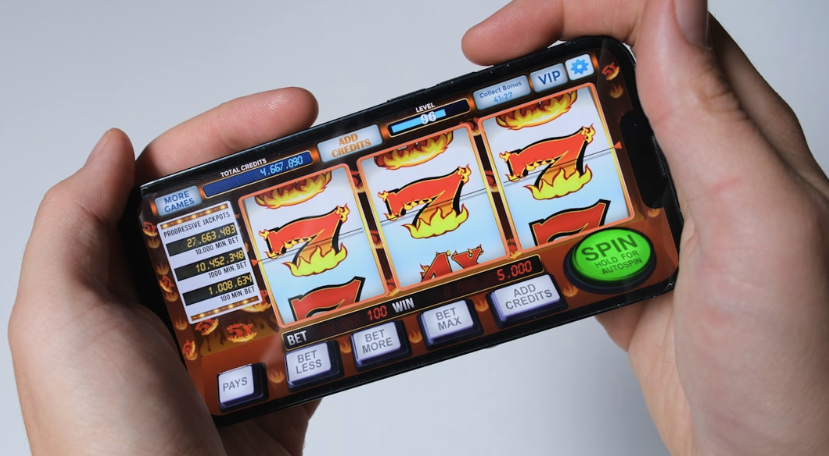
The last decade of digital entertainment has looked less like a lineup and more like a scroll. Movies, music, creators, games, even live sports, all compete inside the same pocket-sized ecosystem, with the same swipe gestures and the same notifications.
Online casinos have moved through that same system. Their design choices, product mixes, and marketing rhythms increasingly resemble what has worked across streaming, mobile gaming, and social platforms. At the same time, regulators and public health agencies have tried to keep pace with the risks that come with always-on access.
Entertainment migrated to the phone, and casinos followed
It is hard to talk about modern entertainment without talking about the phone first. DataReportal’s 2025 global overview estimated that internet users spend 3 hours and 46 minutes per day online on mobile devices, compared with 2 hours and 52 minutes on computers.
That matters for casino play because it suits short sessions and repeat visits. A slot spin, a hand of blackjack, a roulette turn, they fit the same time budget as a quick video or a mobile game level.
Europe’s gambling data points in the same direction. The European Gaming and Betting Association said mobile devices generated 58% of online gambling revenue in 2024, up from 56% a year earlier. The device, not the venue, has become the baseline.
From schedule to feed
Digital entertainment has been reshaped by recommendation systems and by the shift from planned viewing to on-demand grazing. Deloitte’s 2025 Digital Media Trends argued that video entertainment has been disrupted by social platforms, creators, user-generated content, and more advanced recommendation models.
The casino lobby has followed the same logic. Instead of a neutral list of games, many platforms now behave like feeds, surfacing promoted titles, recently played games, and time-limited events. Discovery is designed for re-entry.
This is where the broader entertainment economy shows up in small details. Icons look like streaming thumbnails. Categories read like playlists. The language, missions, drops, and rewards have drifted closer to what players see in free-to-play apps.
Personalisation sits underneath it. Casinos have invested in the same kinds of data systems used across digital entertainment, using segmentation to decide which game tile, which offer, and which message appears first.
Live Dealers and the casino’s studio era
If early online casinos leaned on software simulations, later products leaned into production. Live dealer formats turned table games into broadcasts, with presenters, studio lighting, and chat-like features.
Live content also matches what has worked elsewhere online: formats that feel social, not just consumable. Presence becomes part of the product, and it can create routines around hosts, time zones, and shared moments.
Supplier reporting has framed the shift as both technology and demand, helped by better bandwidth and better devices. In Europe, where EGBA said online casino is the largest online gambling product by revenue, live formats have become a visible example of casinos borrowing from the wider language of modern streaming.
Coverage sites like BonusFindersit inside that ecosystem, tracking how operators package live products and where they position them as the category matures.
Gamified loops, familiar on purpose
Many of the mechanics that define modern entertainment arrived through games. Daily streaks, quests, progress bars, limited-time events, they trained audiences to expect a sense of progression even when the activity repeats.
Online casino design has borrowed from that playbook. Missions and challenges can be layered onto slots. Badges can accompany milestones. Leaderboards can frame play competitively, in ways that echo mainstream games.
Newzoo’s 2025 outlook described a global games market of $188.8 billion in 2025, with mobile still the biggest slice. That scale helps explain why casino operators watch gaming trends closely. The audience overlap is real, and expectations travel.
Payments, speed, and the new friction
Digital platforms trained users to expect instant access. Gambling regulators have noted that those expectations have reached betting and casino accounts, too. In a 2025 speech, UK Gambling Commission chief executive Andrew Rhodes said consumer expectations have changed, shaped by services where purchases and deliveries are tracked in real time.
Operators have responded with a race toward faster onboarding, smoother payments, and quicker withdrawals. But speed has also become one of the flashpoints for consumer protection.
In May 2024, the Gambling Commission announced widespread online safety changes and a pilot of frictionless financial risk assessments. Rhodes described the need to “get the balance right” between protection from harm and adult freedom to gamble.
In the United States, the American Gaming Association reported that online gaming made up 30% of nationwide commercial gaming revenue in 2024. In the same release, AGA chief executive Bill Miller said: “In 2024, Americans embraced the diverse legal gaming options available to them.”
Trust, scrutiny, and the cost of attention
Digital entertainment platforms have spent years dealing with trust issues, from scams to harmful content. Gambling carries its own risk profile, and online distribution can magnify it because access is constant and marketing can be targeted.
Participation data suggests the activity remains mainstream. The UK Gambling Commission’s 2024 participation report said 48% of adults reported gambling in the past four weeks, and the most common reasons included the chance of winning big money and that gambling is fun.
Public health institutions have framed the issue more broadly. The World Health Organization has described gambling as a public health issue and noted that smartphone access can drive growth in gambling activity.
Final Thoughts
For online casinos, the contradiction sits in plain sight. The most successful digital entertainment products tend to reduce friction and increase personalisation. Regulators and campaigners have often argued for more friction, clearer information, and stricter limits. Online casinos, built inside the feed economy, sit directly on that fault line.
Online casinos did not develop in isolation. Their current shape reflects the same forces that have reorganised digital entertainment more broadly: mobile habits, recommendation-driven discovery, live interactive formats, game-style progression, and a relentless competition for attention, now paired with tighter scrutiny.