Unforgotten veterans: Korean War soldiers honored by American Legion Post 13 Provo
-
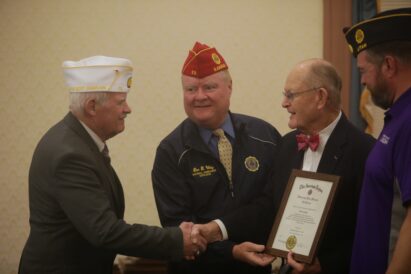
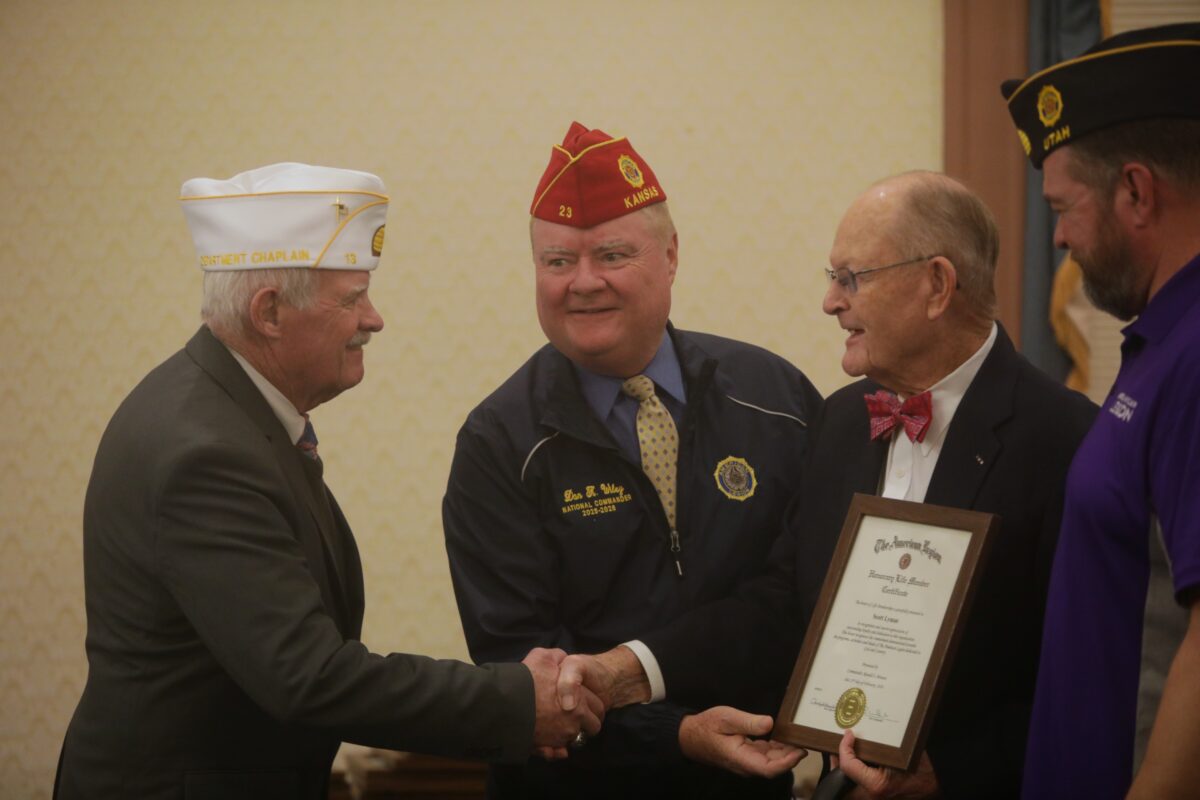
- Korean War veteran Lt. Col. Scott Lyman, right, accepts an award from Post 13 member Randy Edwards and American Legion National Commander Dan Wiley on Thursday, Feb. 19, 2026, in Provo.
-
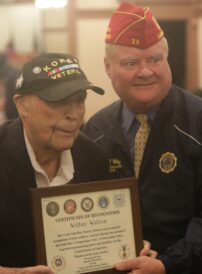
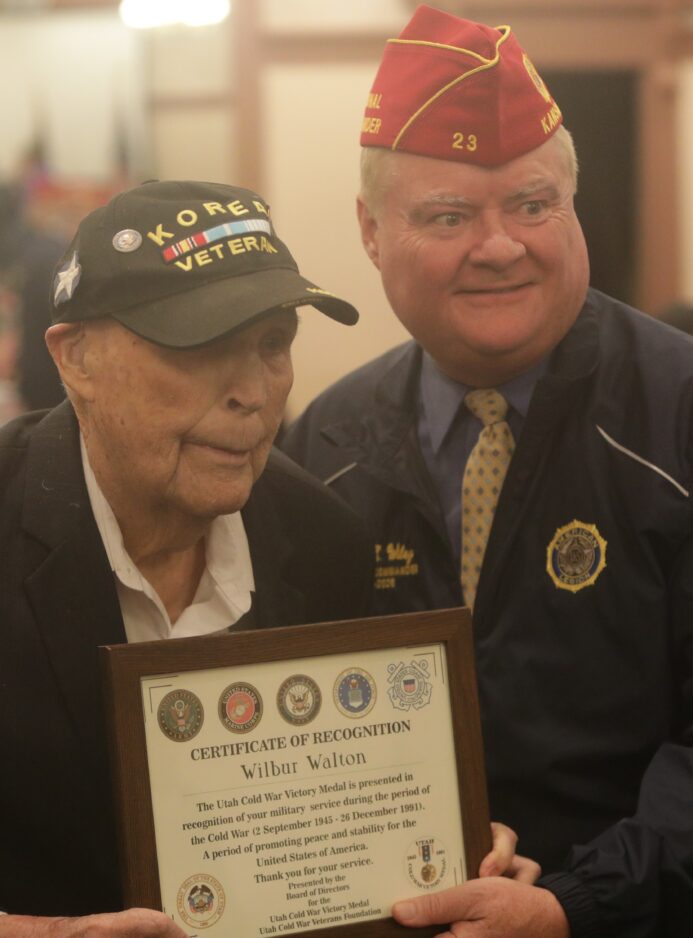
- Korean War veteran Wilbur “Bill” Walton, left, is pictured next to American Legion National Commander Dan Wiley on Thursday, Feb. 19, 2026, in Provo.
-
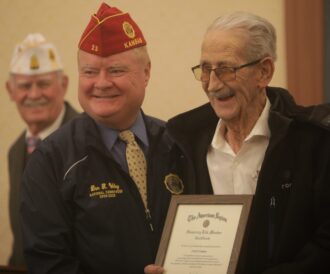
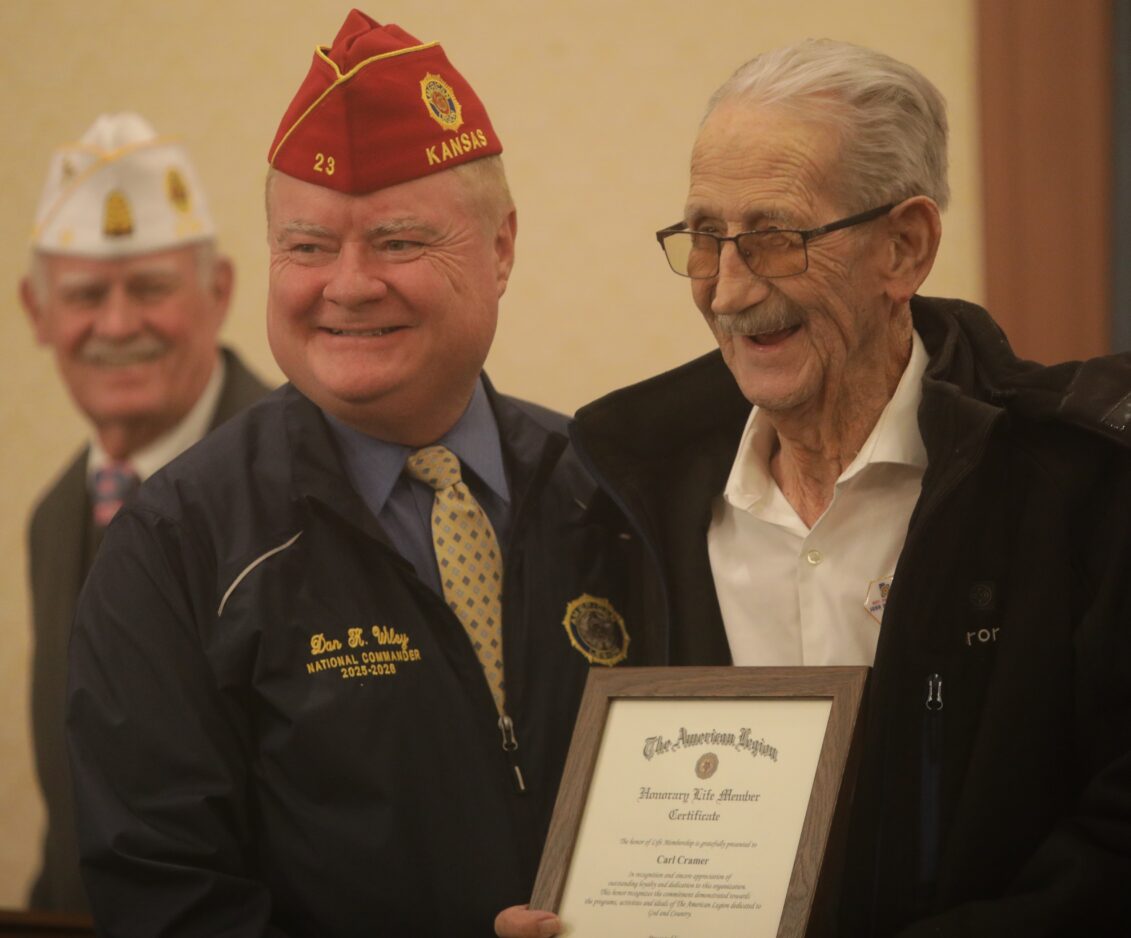
- Korean War veteran Carl Cramer, right, is pictured next to American Legion National Commander Dan Wiley on Thursday, Feb. 19, 2026, in Provo.
Occurring five years after World War II ended and the decade before the United States’ involvement in Vietnam, the Korean War from 1950 to 1953 is considered by many to be “the forgotten war.”
It’s a phrase all too familiar to American Legion Provo Post 13 member Wilbur “Bill” Walton, a 96-year-old Navy veteran who still remembers when President Harry S. Truman referred to the war as a “police action” — a phrase he felt undermined the nature of the conflict.
“It didn’t make us feel very good about it, when so many of our friends were dying over there,” Walton said.
Walton was one of 14 Korean War veterans and one World War II veteran honored by the American Legion in a ceremony at the Historic Courthouse in Provo with a Cold War medal and an honorary lifetime membership in the American Legion.
He didn’t want to accept the honor for himself.
“Over 50,000 American soldiers died over there, and they are the ones that should be honored and receive these awards as those who gave their life,” he said. “I receive these awards in honor of those who died. They’re in honor of the ones who gave their life when I didn’t.”
The living veterans from “the forgotten war” are climbing in age. That was underscored by the fact that just a handful of the 15 honored at the ceremony attended because many are living in hospice or otherwise unable to attend, according to Post 13 member Randy Edwards.
That magnified the impact made by those who could be there, like Walton, as they each humbly stood and accepted the recognition.
“When you look at World War II veterans and Korean War veterans, they’re the ones that really set the example for the rest of us,” said American Legion National Commander Dan Wiley, who arranged the schedule of his Utah trip to ensure he was in Provo for the ceremony. “They were the real heroes that served during that era. And when you stop and think about it, we are losing them every day. And so it’s important, I think, to take the time to recognize the service that they gave to this country.”
According to Wiley, many Korean War veterans have never been recognized because they’ve kept that chapter of life to themselves. He said he had eight uncles who served in World War II or the Korean War and didn’t know about half of them who served because they didn’t talk about it.
“They came home and they went to work, and they just raised families. They were pillars in the community,” he said. “They just went about their business every day.”
The inclination to downplay their service still persists to this day. Walton, showing pins on his Korean War Veteran hat, emphasized that they were medals of duty, explaining he simply did what was required of him.
Lt. Col. Scott Lyman, who served in the 245th Tank Battalion 45th Division during the Korean War, said he doesn’t think he needed to be honored. Instead, he just wishes more people showed patriotism.
“I wear my uniform about four or five times a year, mostly to invite people to salute the flag and remember the flag,” he said.
Their humility didn’t mean the evening wasn’t a special occasion for the men, though.
Carl Cramer, a Navy veteran in the war, said that he enjoyed his service, and that he was happy that he could be honored for it while surrounded by his family.
“They’re the heart of the whole things,” he said.
A grandson of Cramer’s said he was thrilled to invite everyone, calling family members personally and asking them to RSVP.
Walton’s daughter said the ceremony meant a lot to him, also.
“That time of his service was really important to him, and he talks about it. He put it in his journal,” she said. “We all know about what he did during that time. So I think it’s great when we recognize men who and women who fought to keep us safe.”
Local News
‘Biscuit’s Bill’ fails in Utah Senate. Shelter animal advocates say they’ll keep fighting
Unforgotten veterans: Korean War soldiers honored by American Legion Post 13 Provo