Protecting a watershed: BLM seeks input on proposal to renew mining restrictions in Spanish Fork Canyon
-
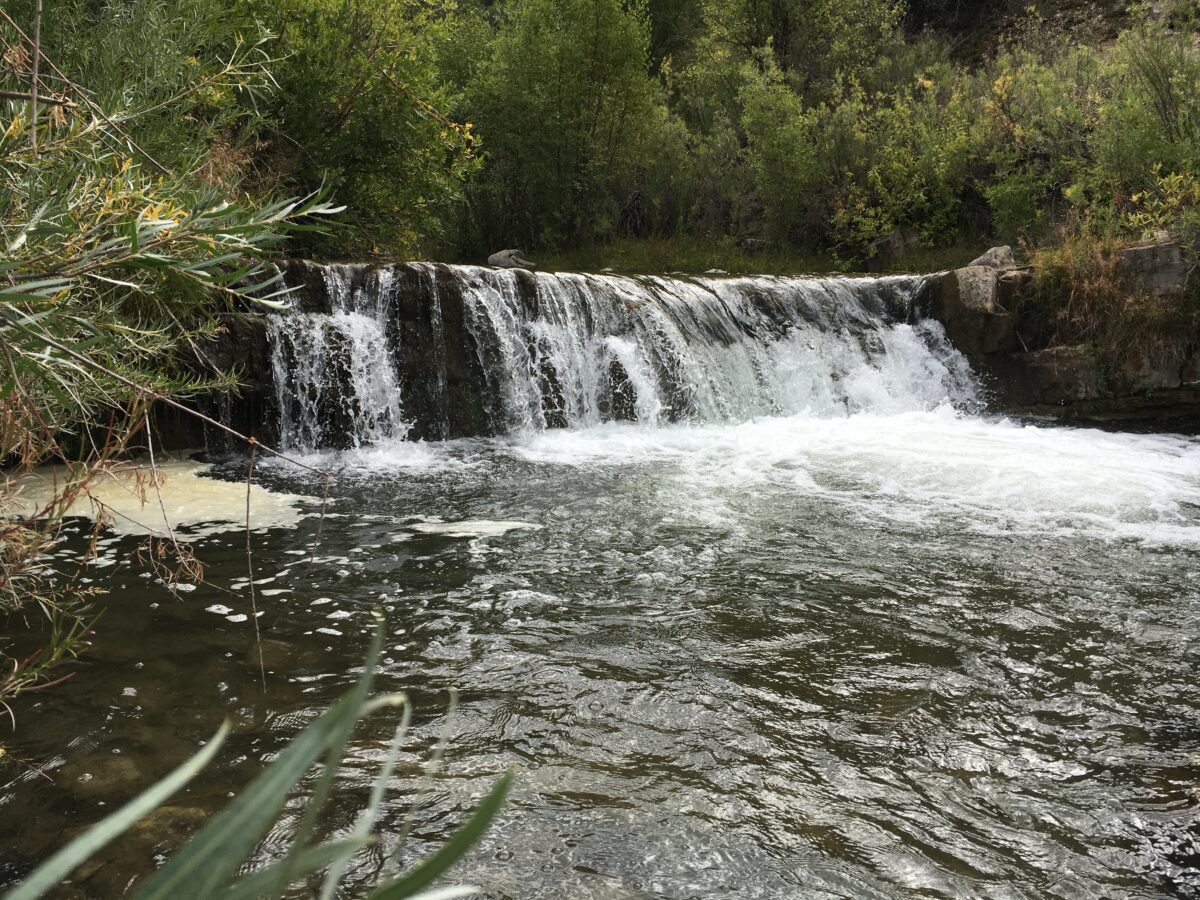
- The sixth water waterfall is pictured in Diamond Fork Canyon.
-
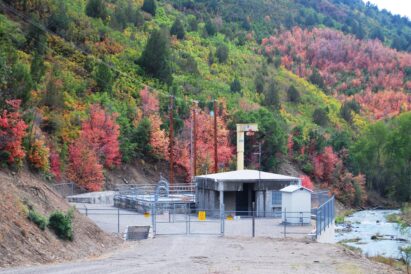
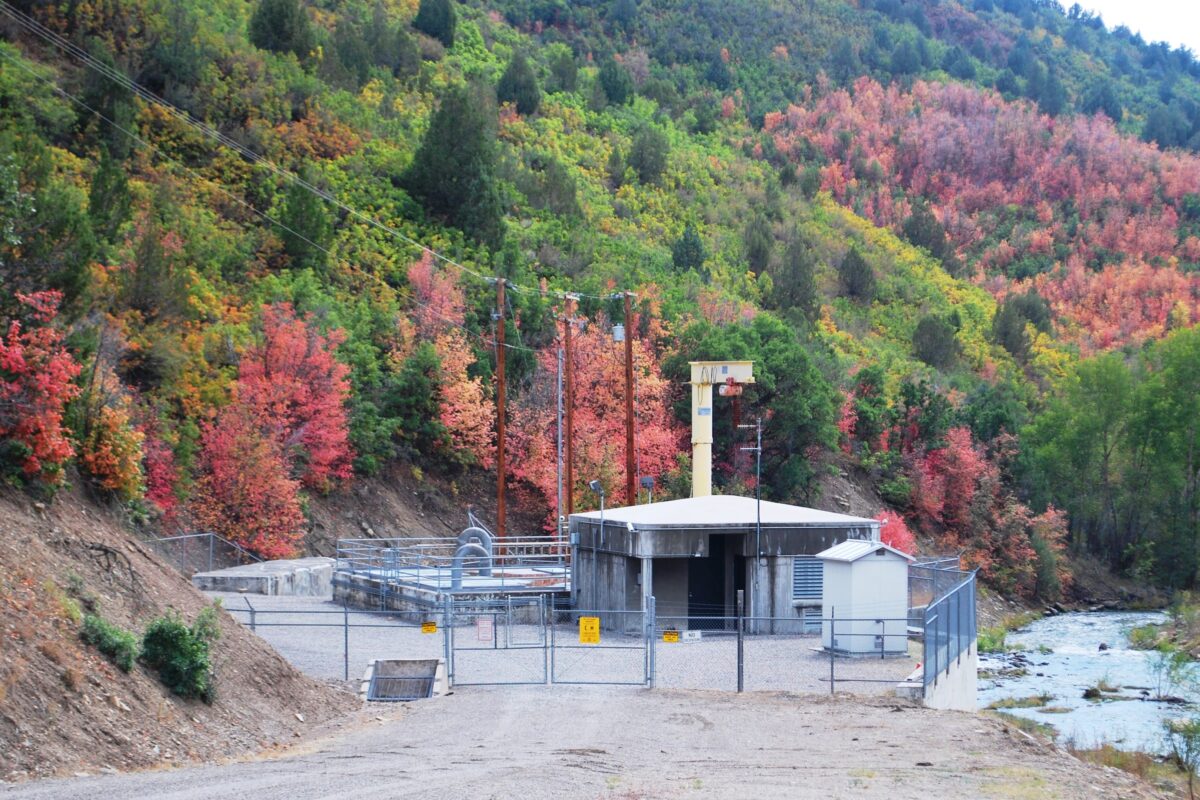
- The Sixth Water Flow Control structure is pictured in Diamond Fork Canyon.
The Bureau of Land Management opened a public comment period Monday for input on a proposed 20-year extension of a land order that prevents mining claims in parts of Spanish Fork Canyon to protect the area’s water development program.
The order, placed in 2006, withdraws 6,559 acres of the Uintah-Wasatch-Cache National Forest in Spanish Fork and Diamond Fork canyons from mining location and entry to protect the Utah Lake Drainage Basin and Diamond Fork systems of the Central Utah Project, the BLM said.
“Extending the withdrawal prevents mining entry and exploration on lands that support the existing water delivery system, protecting critical water infrastructure and associated resources,” a BLM spokesperson told the Daily Herald.
According to the U.S. Geological Survey, mines can produce mine drainage, or metal-rich surface or groundwater, that can contaminate drinking water.
The Central Utah Project delivers hundreds of thousands of acre-feet of water annually from the Colorado River Basin to the Wasatch Front via reservoirs, pipelines and tunnels for agricultural and municipal uses.
The Diamond Fork System moves water in pipelines from the Strawberry Reservoir to the Spanish Fork River in Spanish Fork Canyon. The Utah Lake Drainage Basin System then distributes the water to Utah Valley and the Wasatch Front.
Roger Pearson, program manager for The Central Utah Water Conservancy District, which manages the Central Utah Project, told the Daily Herald in a statement Monday that these water facilities in Diamond Fork and Spanish Fork canyons are “critical.”
“An extension means we would continue to deliver safe, reliable water to the Wasatch Front, and do so in an environmentally responsible manner,” Pearson said.
The BLM spokesperson said if the withdrawal were to expire, it would allow public mineral exploration, which would “pose risks to the existing water delivery system.”
Local News
Protecting a watershed: BLM seeks input on proposal to renew mining restrictions in Spanish Fork Canyon

Wasatch County Search and Rescue locates body of man killed in avalanche Sunday