Six months later: An update on Provo’s mitigation efforts following Buckley Draw mudslide
-
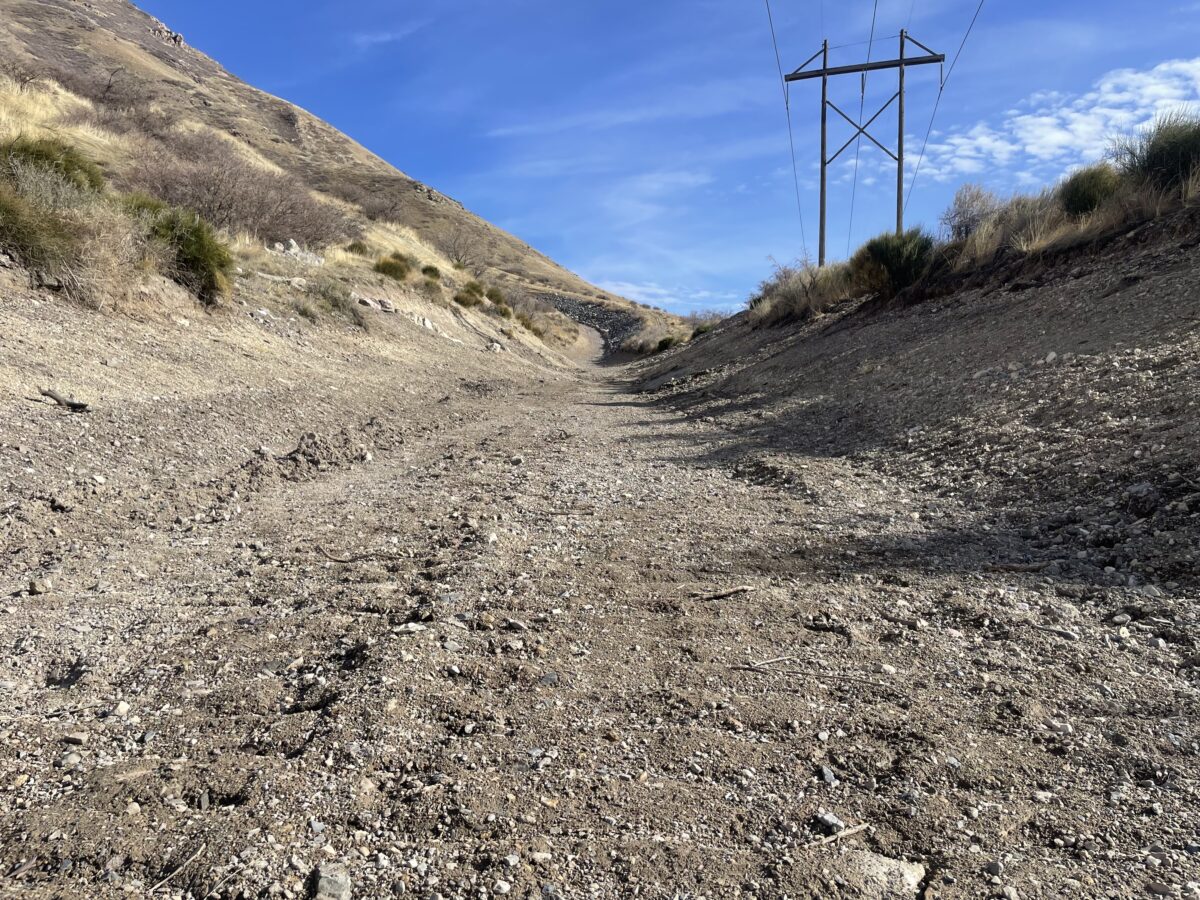
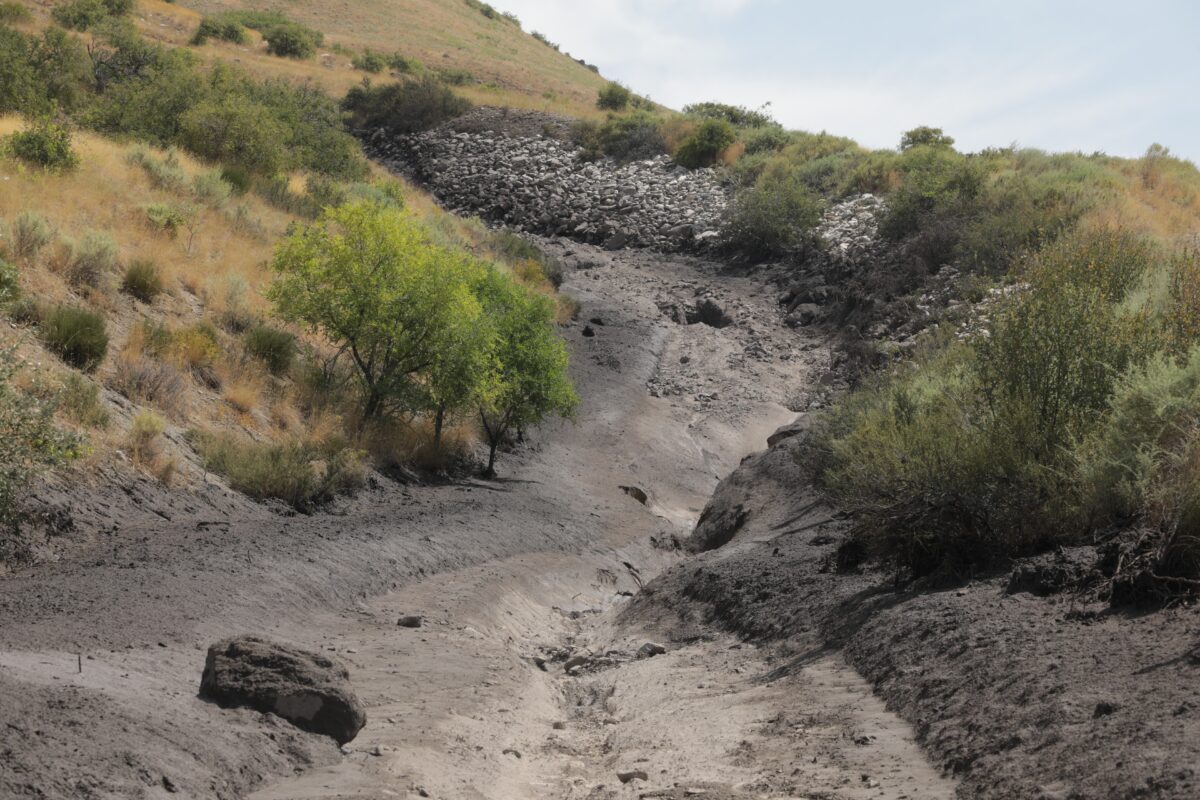
- A cleared-out debris channel is pictured Friday, Feb. 27, 2026, in Provo.
-
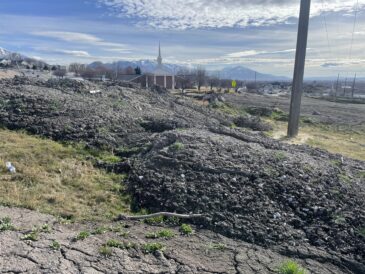
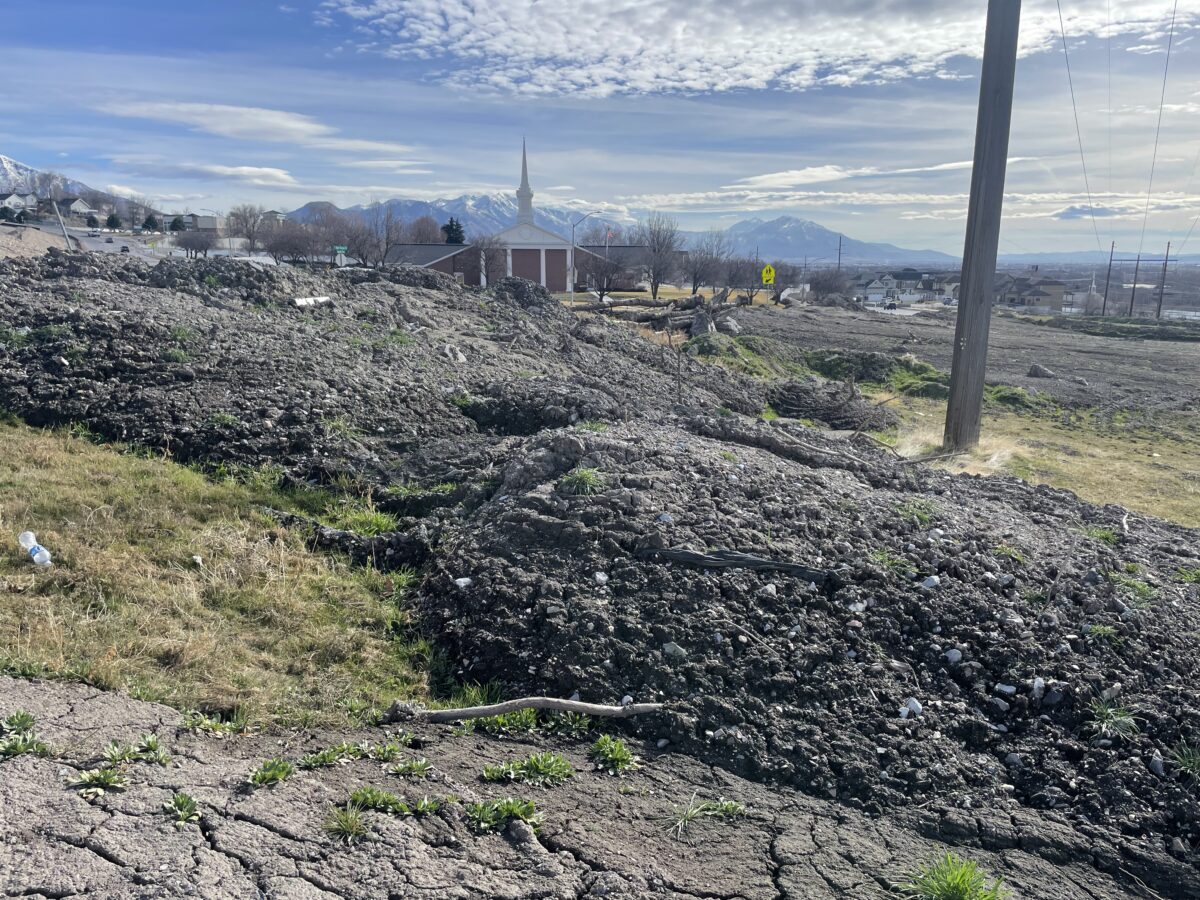
- Mud left over from an August mudslide is pictured Friday, Feb. 27, 2026, in Provo.
-

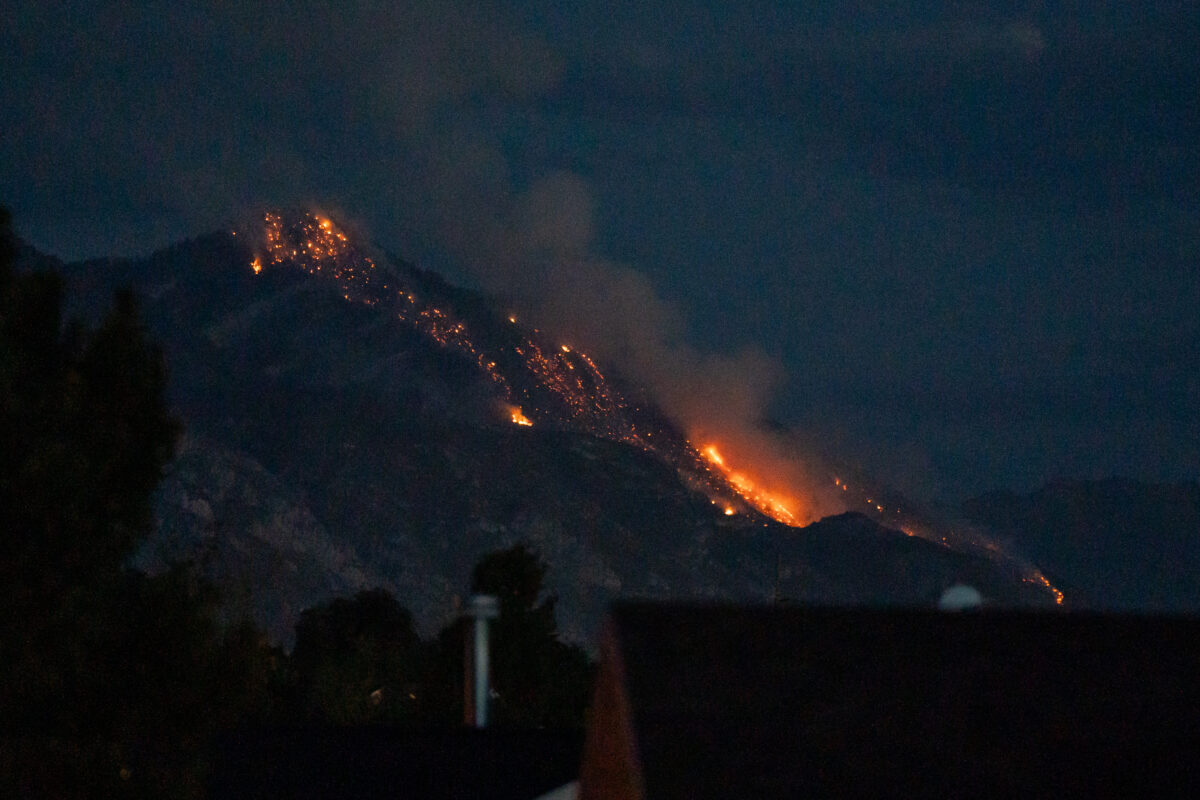
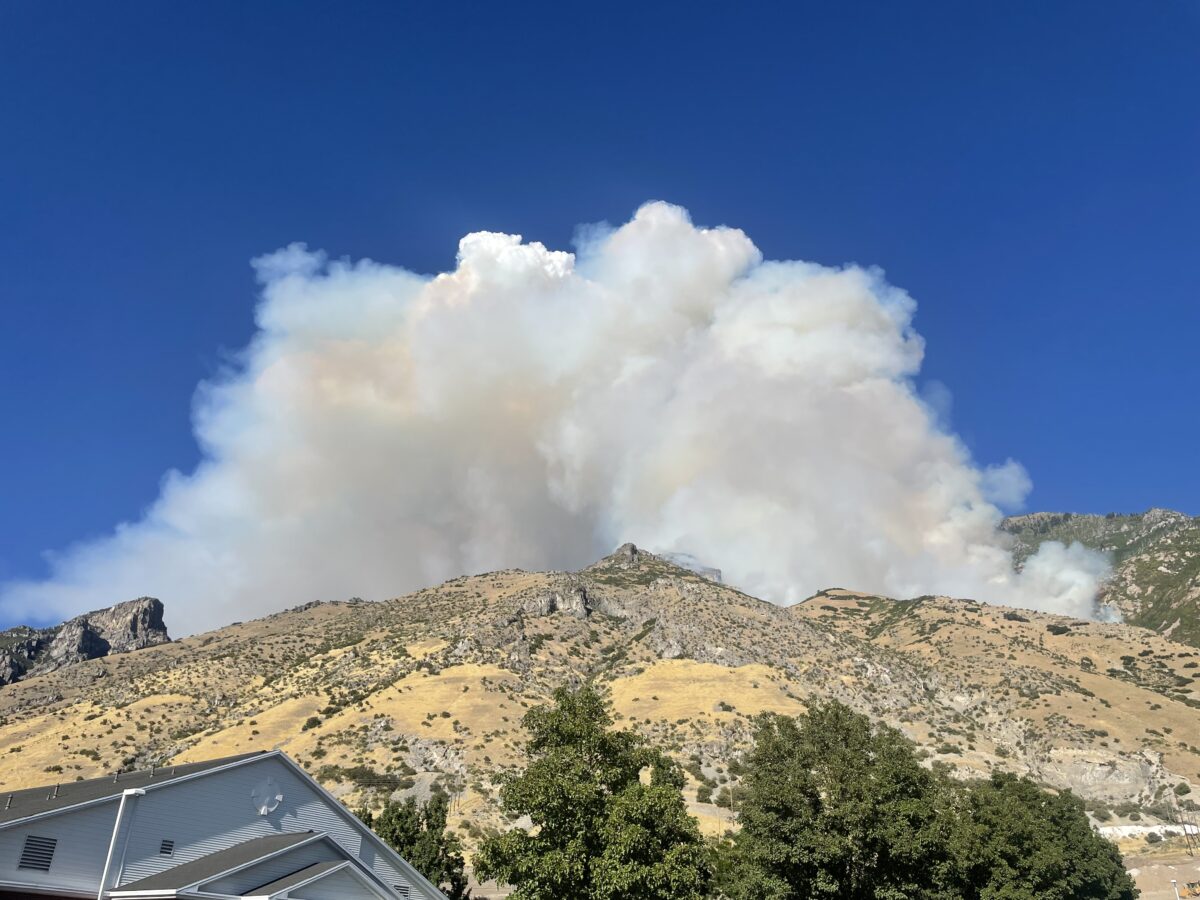
- The Buckley Draw Fire is pictured Sunday, Aug. 17, 2025, in Provo.
-
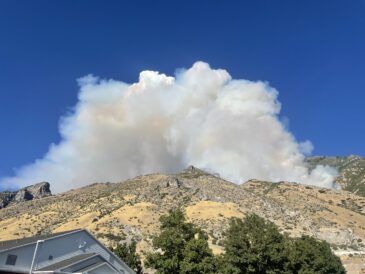
- The Buckley Draw Fire is pictured Sunday, Aug. 17, 2025, in Provo.
-
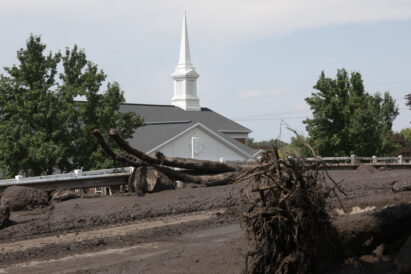
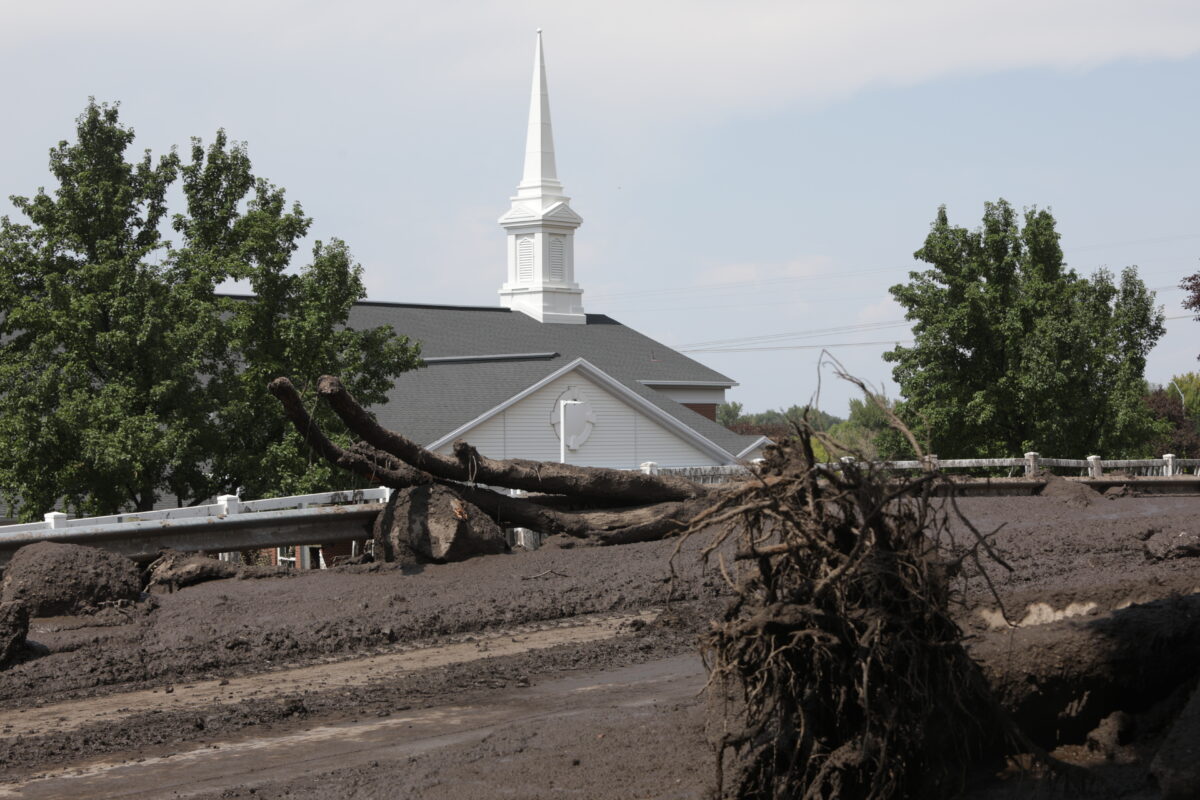
- A church parking lot impacted by a mudslide is pictured Thursday, Aug. 28, 2025, in Provo.
-
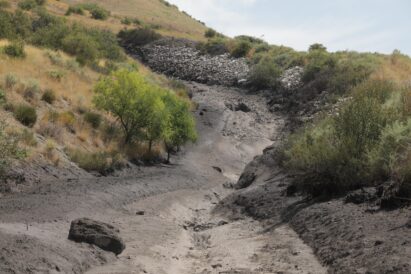
- The Buckley Draw mudslide is pictured Thursday, Aug. 28, 2025, in Provo.
On Aug. 17 last year, a fire ignited on the Buckley Draw, sending smoke billowing in the air and commencing a sequence of biblical-like events that threatened the southeast Provo neighborhood below in the weeks that followed.
The wildfire, labeled a Type 3 incident for approximately a week, burned more than 400 acres up and around Buckley Mountain before reaching containment, eviscerating much of the vegetation in its path and leaving behind a burn scar on a steep mountain grade.
Then came the rains.
A microburst of rain poured approximately an inch of water onto the burn scar in a 30-minute period in the late hours of Aug. 27, sending a landslide cascading down the draw. An existing debris channel directed the slide away from a residential neighborhood but directly onto a vacant lot under development that was unequipped to slow it.
The mudslide poured over the development and into a meetinghouse for The Church of Jesus Christ of Latter-day Saints on the corner of Nevada Avenue and Slate Canyon Drive, damaging the exterior property and flooding a portion of the interior.
While the city responded to the incident, heavy rainfall caused additional water flow incidents in September and October that caused minor flooding to the roadway. Throughout the ordeal, a handful of property owners reported flooding to their residences.
In October, then-Mayor Michelle Kaufusi said the city had received permission from the developer to dig protective basins on its property. She said the city would try to get through the winter “without disaster.”
As winter rounds to a close, and six months following the initial mudslide, the Daily Herald spoke with city officials to get an update on how mitigation efforts have progressed.
Extending the debris channel
The city and developer are working to build an extension to the debris channel on the developer’s property that will expand it from 15 acre-feet to 30 acre-feet and be more than 1,000 feet long. Provo City public works engineer Jacob O’Bryant said the project is 90% complete, with two portions still needing to be finalized.
In one area, he said there are some Rocky Mountain Power guy wires in the ground directly where the channel needs to be built. The second spot is located over a gas line.
“The contractor that was working on the channel, because they weren’t able to finish those elements, left the site for now and is planning on coming back,” O’Bryant said.
The developer’s original plan with Rocky Mountain Power was to build a large custom pole to move the wires around the channel, but it would take around a year to be built, according to O’Bryant. He said a better idea was hatched to use three smaller, readily available poles that will accomplish the same thing.
The developer also obtained an agreement to do the work over the gas lines.
“We expect that probably within the next three to four weeks, Rocky Mountain Power will be out there and have their work completed, and the developer’s contractor will be out there either at the same time or shortly thereafter to finish the rest of the channel,” O’Bryant said.
While the channel extension process continues, public works has worked to alleviate concerns from residents, according to new Provo Mayor Marsha Judkins.
She said public works dug out three temporary debris basins on the developer’s property and is keeping consistent watch on the area during times of bad weather.
“I’m confident in public works that they’ve really thought this through, and they’ve really put in a lot of time and effort to make sure that these solutions, even these temporary solutions, will really keep everyone safe and the church safe,” Judkins said.
Additional solutions
According to O’Bryant, the Forest Service will not do any reseeding on the burn scar because it’s too steep of a grade and plants won’t immediately take root. Instead, the plan is to allow revegetation to take its natural course, which Judkins said may take three years.
In the meantime, land and water flows from the burn scar will remain a threat. While the extended debris channel is expected to capture the majority of any future mudslides, public works is taking additional permanent precautions for any debris or mud flow that gets through.
O’Bryant said that at the end of the channel, the city is planning to build a 48-inch-diameter pipe culvert that will direct water or mud flow under Slate Canyon Drive and into a proposed debris basin.
The debris basin is located on city-owned land between Slate Canyon Drive and Bicentennial Park that is currently covered with mud from the original landslide. The long-term plan for the property is to turn it into a park, with a basin incorporated into it, O’Bryant said. However, the more immediate plan is to excavate it into a basin.
“There won’t be a park, but we’ll be able to hold any flows that get over to that side of the road,” he said. “There will be a system that continues further downstream, but if it’s overwhelmed, it will send the flows into that basin, and so there will be a depressed area that can collect those flows.”
Expectedly so, the cleanup and mitigation saga has incurred some costs. O’Bryant said the biggest costs post the initial cleanup were cleaning out the debris channel. He said the city used rainy day emergency funds that it had to pay a contractor to do the work.
Judkins said in early work to prepare the next city budget, she has not seen any additional funding requests from public works pertaining to the project — signifying the process’s major expenses are behind the city.
“They haven’t asked for anything particularly for this, and honestly, the work needs to be done by the developers,” Judkins said.
And public works is optimistic the major mudslides are in the rearview mirror, also.
“We don’t know with absolute certainty, but we don’t expect that there will be a major storm this spring that would cause debris flow to come down, or even a large amount of water to come out of the canyon,” O’Bryant said. “Those normally happen in late summer, early fall. But as we continue to get this channel finalized and constructed, we have those elements in place to help mitigate any falls that do come down this spring.”