New year begins with low snowpack levels in Utah County, statewide

-

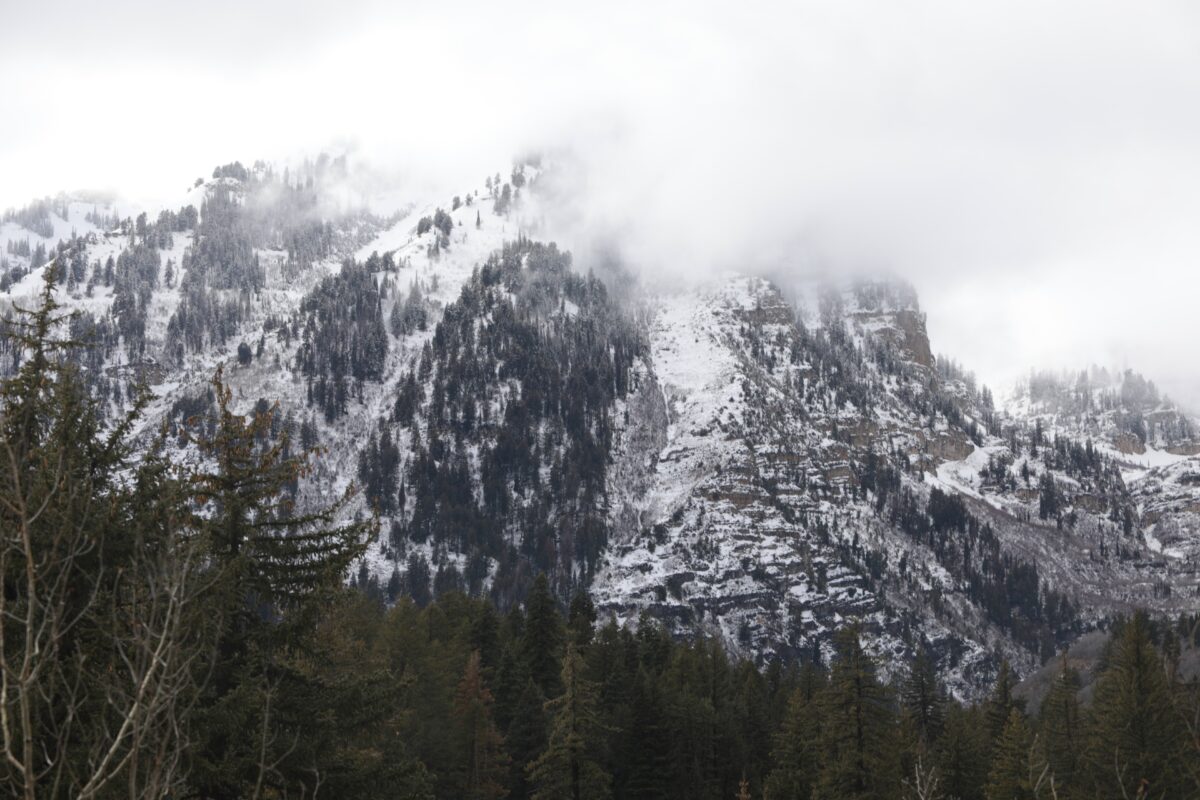
- The Wasatch Mountains are pictured Friday, Jan. 2, 2025, in Sundance.
-
- The Wasatch Mountains are pictured Friday, Jan. 2, 2025, in Sundance.
-
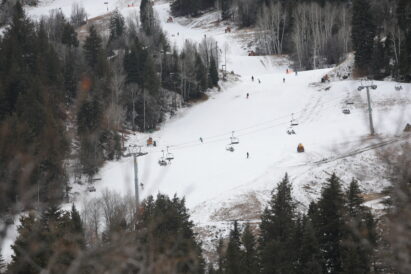
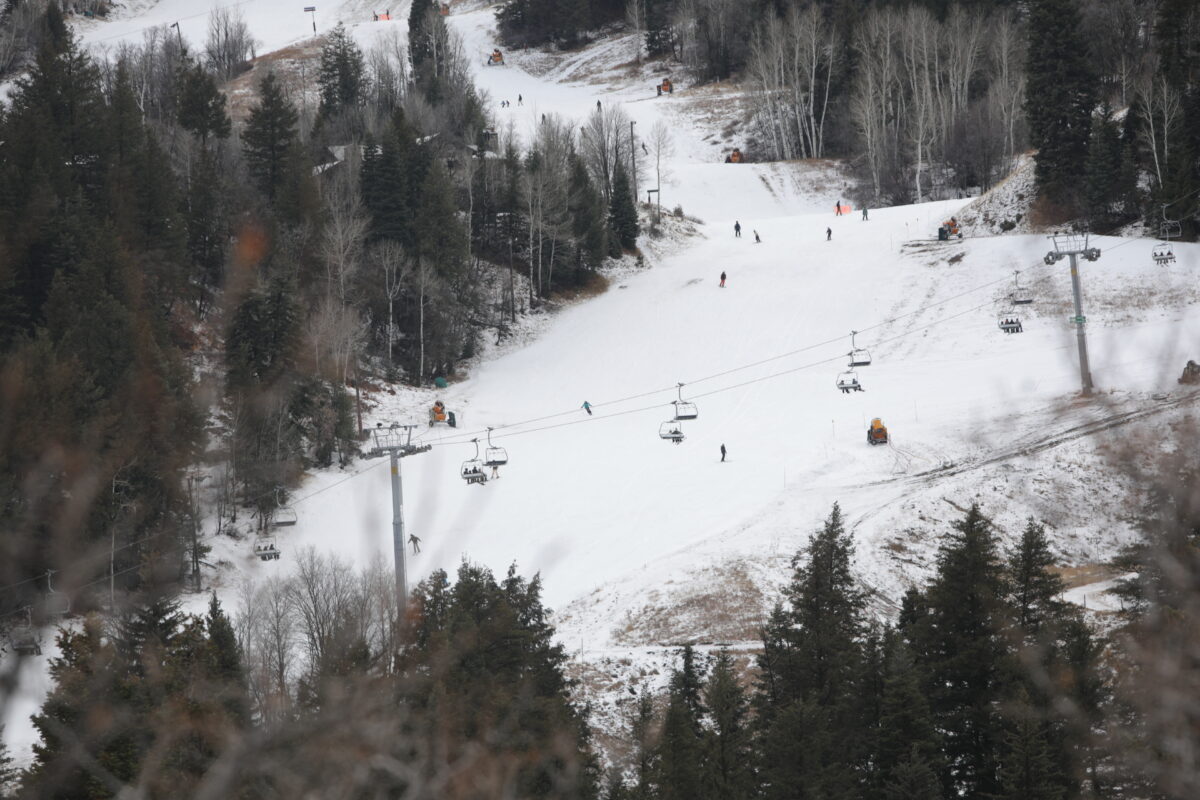
- Sundance Mountain Resort is pictured Friday, Jan. 2, 2025.
-

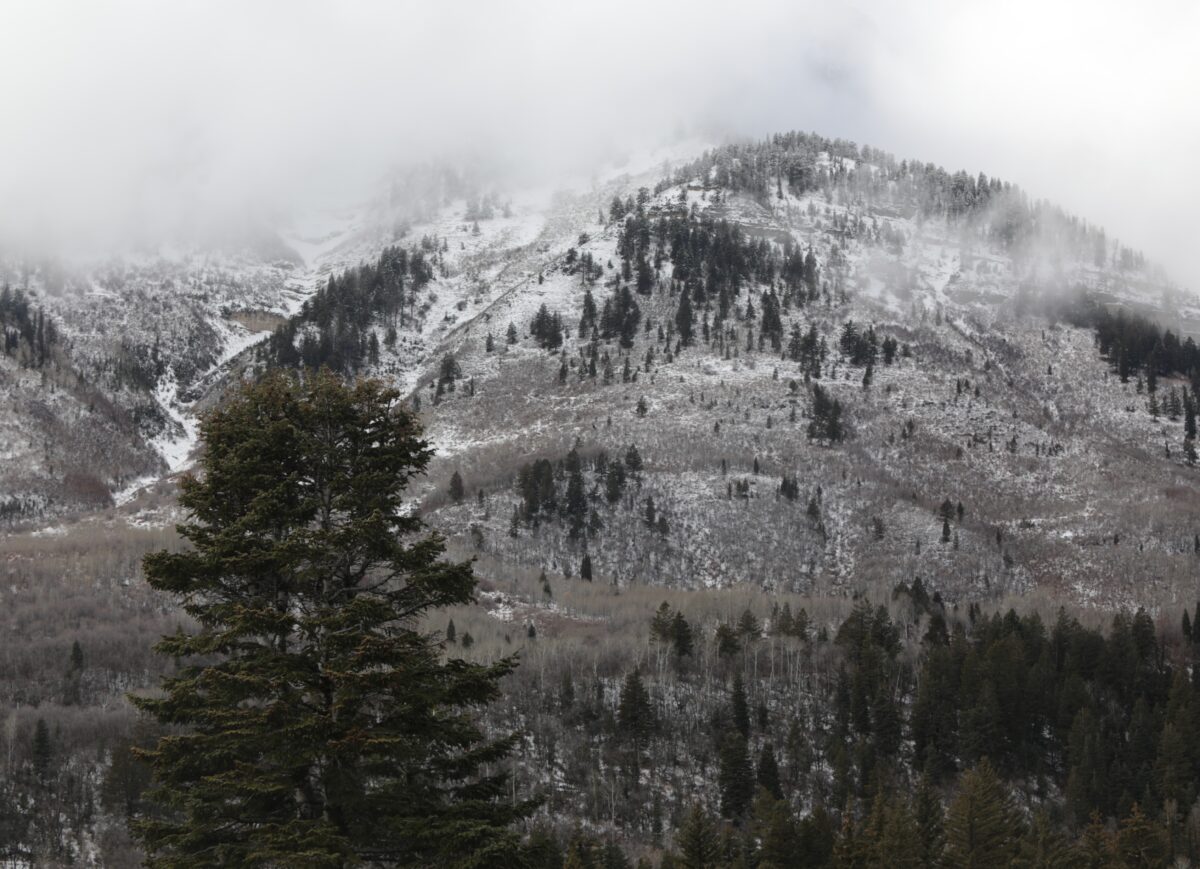
- The Wasatch Mountains are pictured Friday, Jan. 2, 2025, in Sundance.
Coming into focus at the start of the new year is a record shortage of snow in the Wasatch Mountains that could have serious impacts on the region’s water supply.
According to the Utah Division of Water Resources, about 95% of the state’s water comes from snowpack, filling the state’s lakes and reservoirs and used for agricultural and municipal purposes.
As the calendar turns to 2026, the Jordan Basin, which includes Utah Lake and the Jordan River, has a snowpack level of 49% of its median level — the lowest mark since at least 1981, according to the Natural Resources Conservation Service.
On Friday, the region’s snow-water equivalent, the measurement of liquid water contained in snow, was 3.5 inches, still a record low despite a New Year’s Day storm that boosted the mark by a half-inch.
Certain Utah County locations within the Jordan Basin are lagging even further behind, with Cascade Mountain at 22% of its median level and Payson R.S. at 0%.
“Definitely a huge concern, especially when we start thinking about water storage,” said Sam Webber, a meteorologist at the National Weather Service Salt Lake City office. “A lot of our water storage capacity in Utah comes from winter snowpack.”
Oddly enough, the low snowpack figures are contrasted with a healthy season of total precipitation. Since the water year began on Oct. 1, the Jordan Basin — and much of the state — is at 95% of its median precipitation.
This is in part a result of an atmospheric river in October that brought the region ample rainfall, Webber said. However, the system also brought higher temperatures, preventing snowfall at lower elevations.
That’s not to say it was useless to the overall snowpack.
Jordan Clayton of the Utah Snow Survey and the Natural Resources Conservation Service told the Daily Herald in December that heavy rainfall boosts mountain soil moisture, and when the spring runoff comes, less water will be absorbed into the ground, bringing more water into the reservoirs.
Clayton acknowledged, though, that snow still needs to accumulate for the early precipitation rates to matter. Can snowfall catch up in time for the spring runoff?
“We’ve got a lot of time to go,” Webber said. “We’ve got a lot of time to build snowpack. As we’ve seen from atmospheric rivers, it doesn’t take many storms to get us back. So if we can get enough moisture in, combined with the cold air, we can get ourselves into a much better spot pretty quickly.”
Webber said this upcoming week will bring an offshore system from the northwest, bringing colder air that could mix with moisture in the region and produce snowfall.
However, he warned the system will be short-lived and that the second and third weeks of January will include a drier forecast.
Local News

Transforming the mall: Provo Towne Centre redevelopment plan goes through the legislative process
Utah aims to host critical minerals lab, hoping for federal recognition — and funding