How one Utah County school district utilizes trust land permanent funds
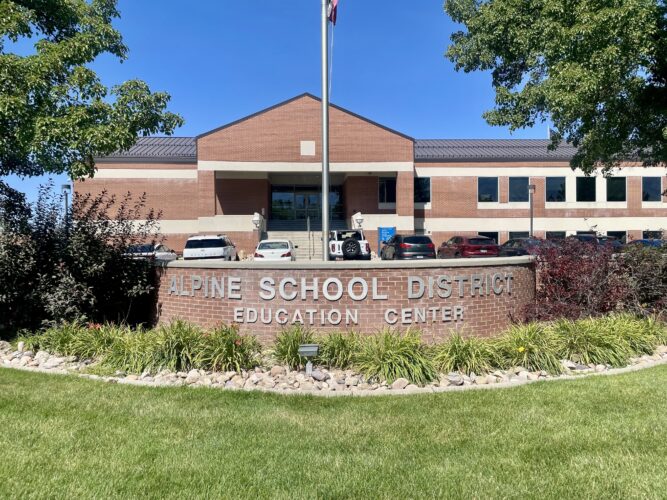
Curtis Booker, Daily Herald file photo
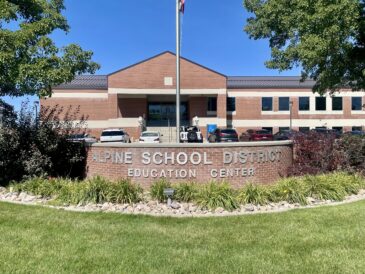
The Alpine School District's main office in American Fork is pictured Thursday, July 31, 2025.A record amount of trust land permanent funds will be distributed to Utah school districts for the 2026-27 school year and, according to one district administrator, will have a direct impact on student achievement.
In 2024, Utah voters approved Amendment B to allow the state to increase the amount pulled from land trust funds from 4% to 5%.
In Alpine School District’s final school year before it splits into three districts, the district will receive an allotment of $15.8 million. Nebo School District will receive $7.9 million and Provo City School District will get $2.7 million, the Utah School and Institutional Trust Funds Office announced Monday.
“Increase in funds will mean higher student achievement at every school,” Alpine School District Administrator Sam Rencher said. “There is only so much money in education, and the vast majority we get from the state goes right to teacher’s salaries. This is kind of that golden pot — this is our choice money.”
One of Rencher’s duties is to oversee the funds Alpine receives and ensure they’re being spent properly. He said he splits the funds among each school in the district based on enrollment, then the school community councils, made up of parents and teachers, determine how to use them.
“They look at the data, and they determine what their greatest academic need is, and then they create a school improvement plan. ‘How are we going to meet this need?'” Rencher said. “It’s very individualized by school.”
One example he cited is reading. If a school is deficient in reading, the school community council may purchase technology that can lead to more one-on-one reading time. Or it could invest in professional development and send teachers to a training to become more proficient educators.
There are certain things the funds cannot be used for, such as entertainment, Rencher said. For instance, a school could not throw a pizza party to reward better reading.
Ultimately, how the funds are used comes down to what the parent leadership at the school believes students need the most.
“There’s a lot of accountability from the schools back to that parent group, that school community council, who really oversees those funds and how it’s used,” Rencher said. “It’s pretty amazing, and it really does a lot of good. I wish our legislators — and some do — but I’d love for them to get out and see how well it’s really working and how much good it’s doing for our kids.”
When Alpine dissolves next year, Rencher said the funds will simply be split up to the three districts, and that the changeover should go “pretty slick.”