Rerouting an aqueduct: Inside the CUWCD’s massive pipeline realignment project near Provo Canyon
-
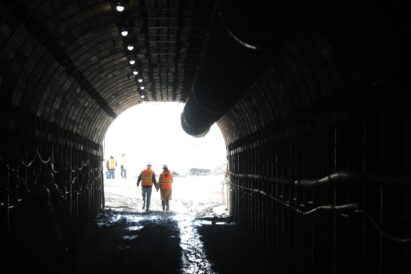
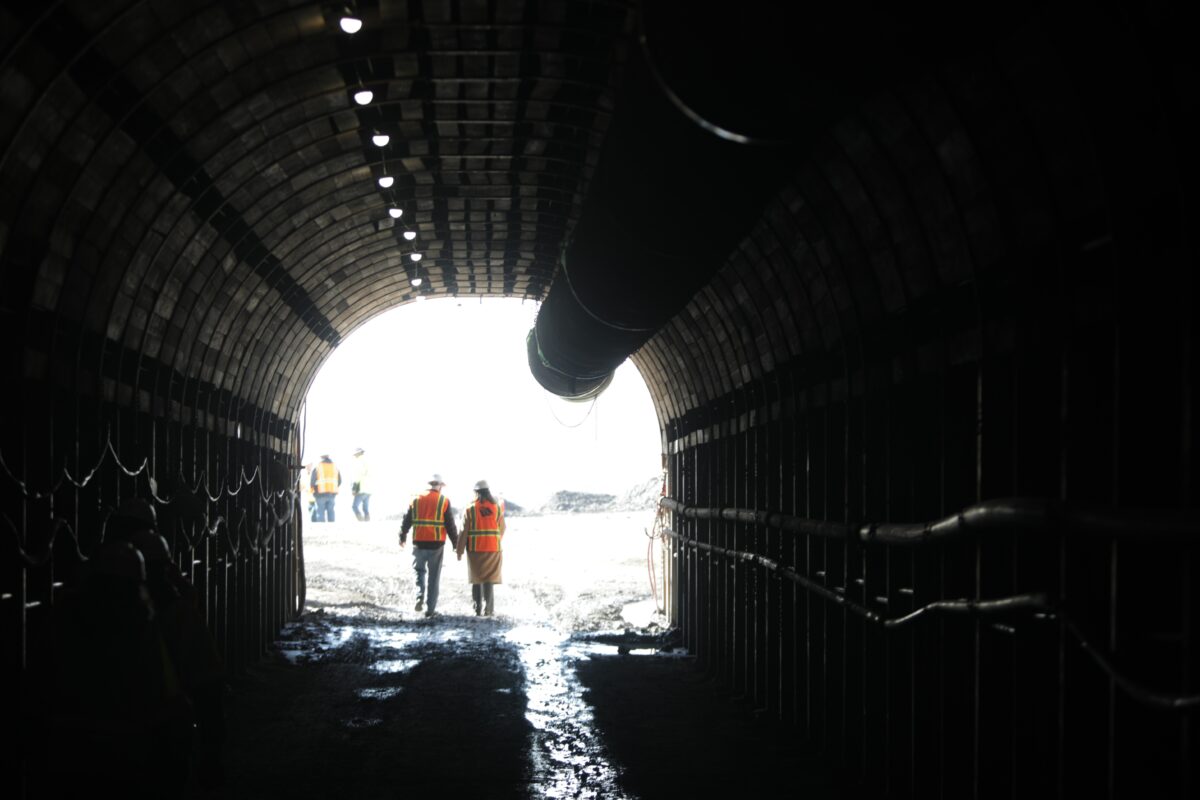
- A tunnel that is part of the Alpine Aqueduct Reach 1 Risk and Resiliency project is pictured Thursday, Jan. 15, 2026, in Orem.
-
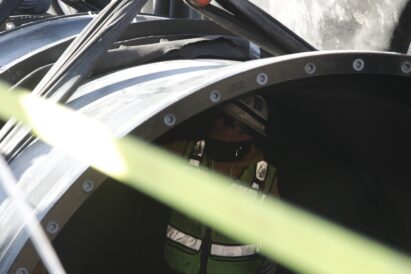
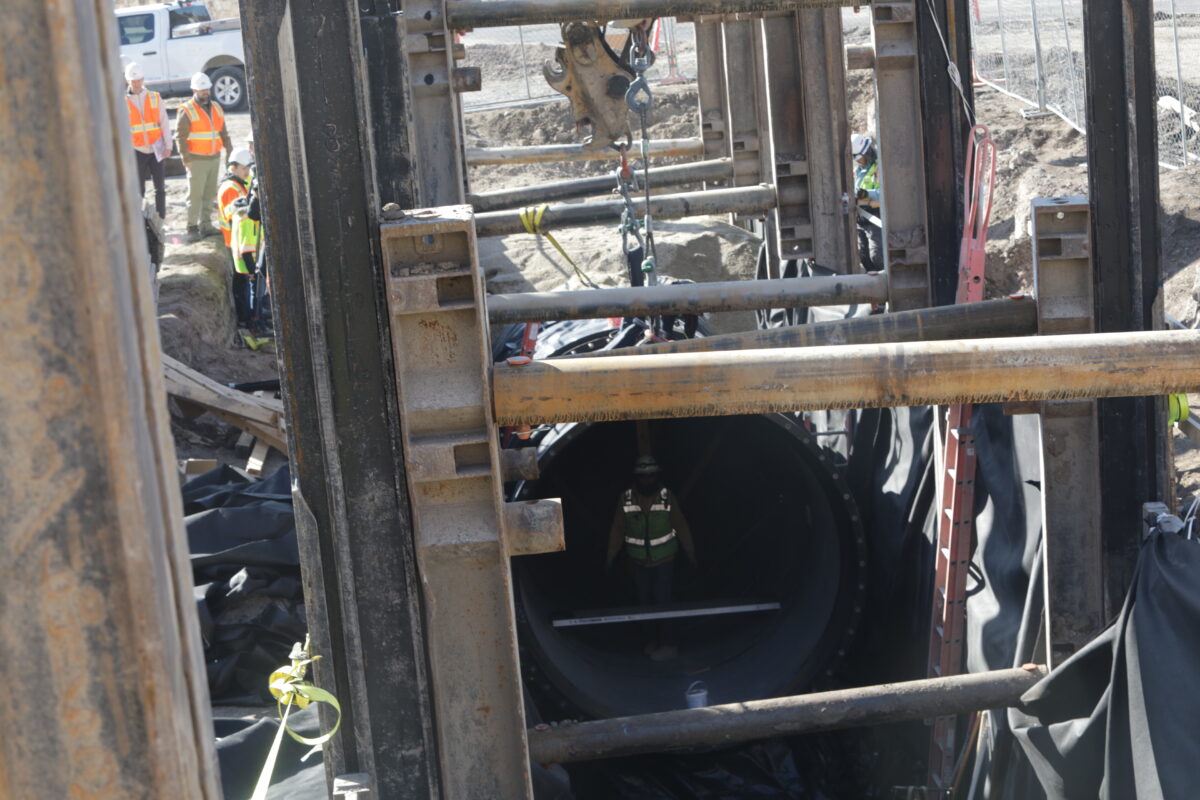
- A pipeline that is part of the Alpine Aqueduct Reach 1 Risk and Resiliency project is pictured Thursday, Jan. 15, 2026, in Orem.
-
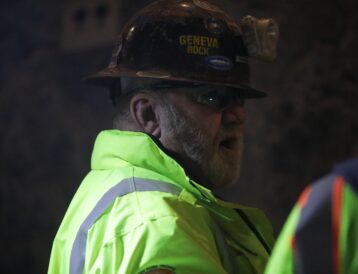
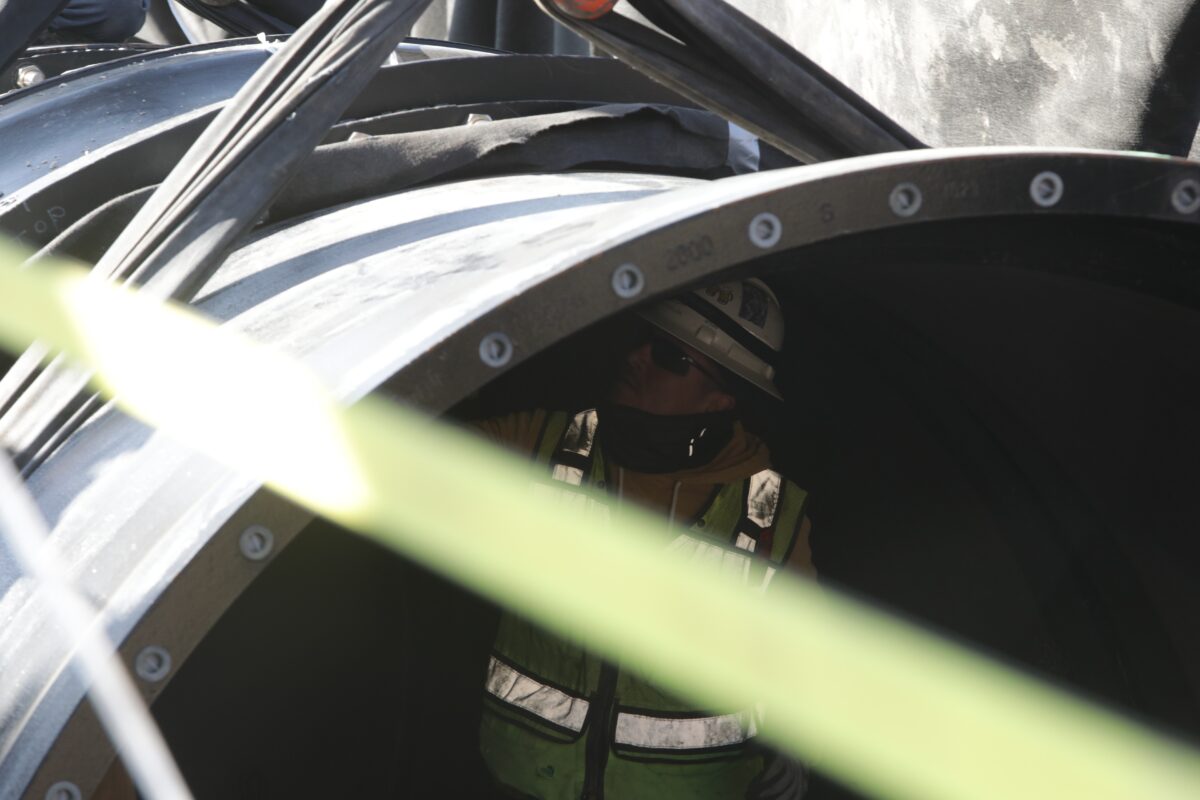
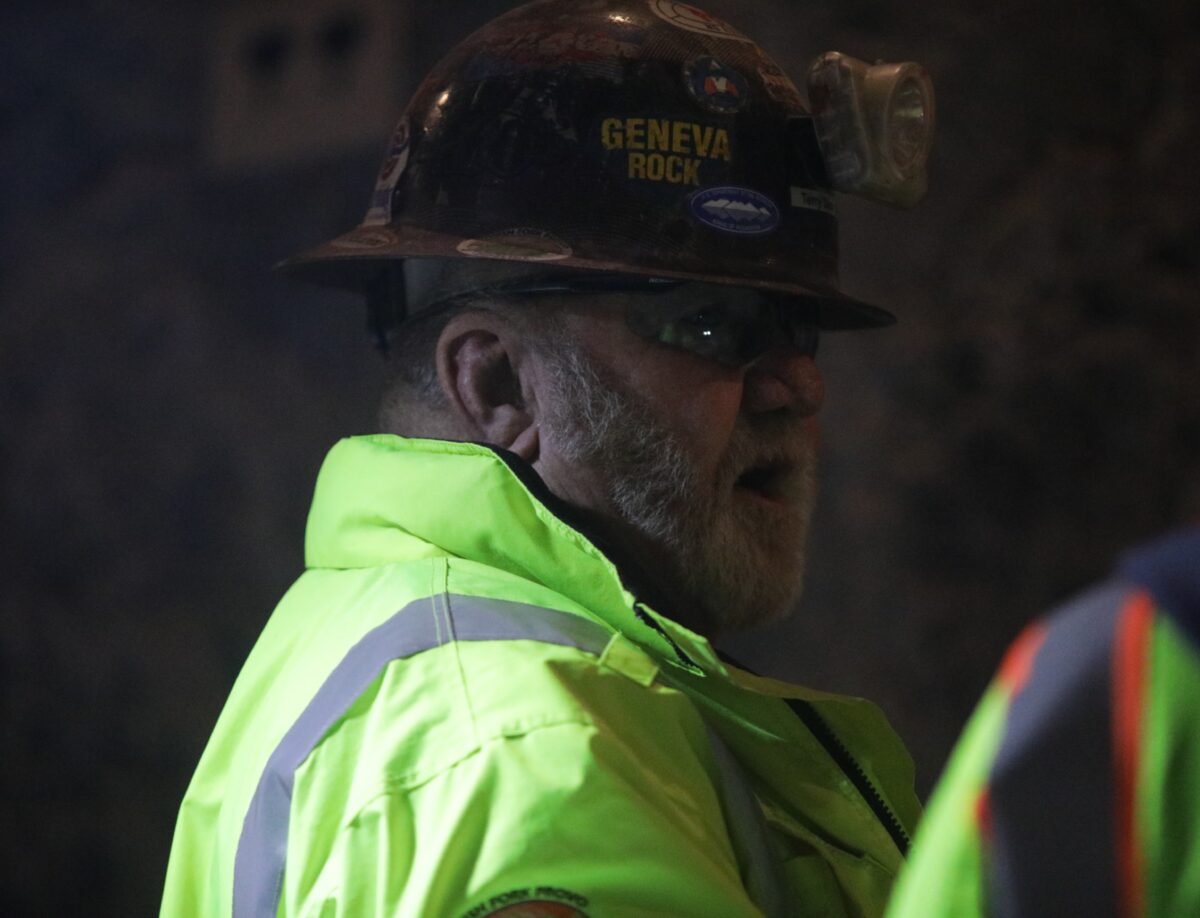
- A W.W. Clyde worker helping build a tunnel as part of the Alpine Aqueduct Reach 1 Risk and Resiliency project is pictured Thursday, Jan. 15, 2026, in Orem.
-
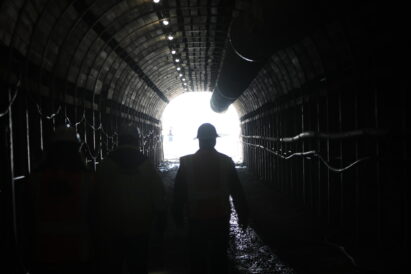
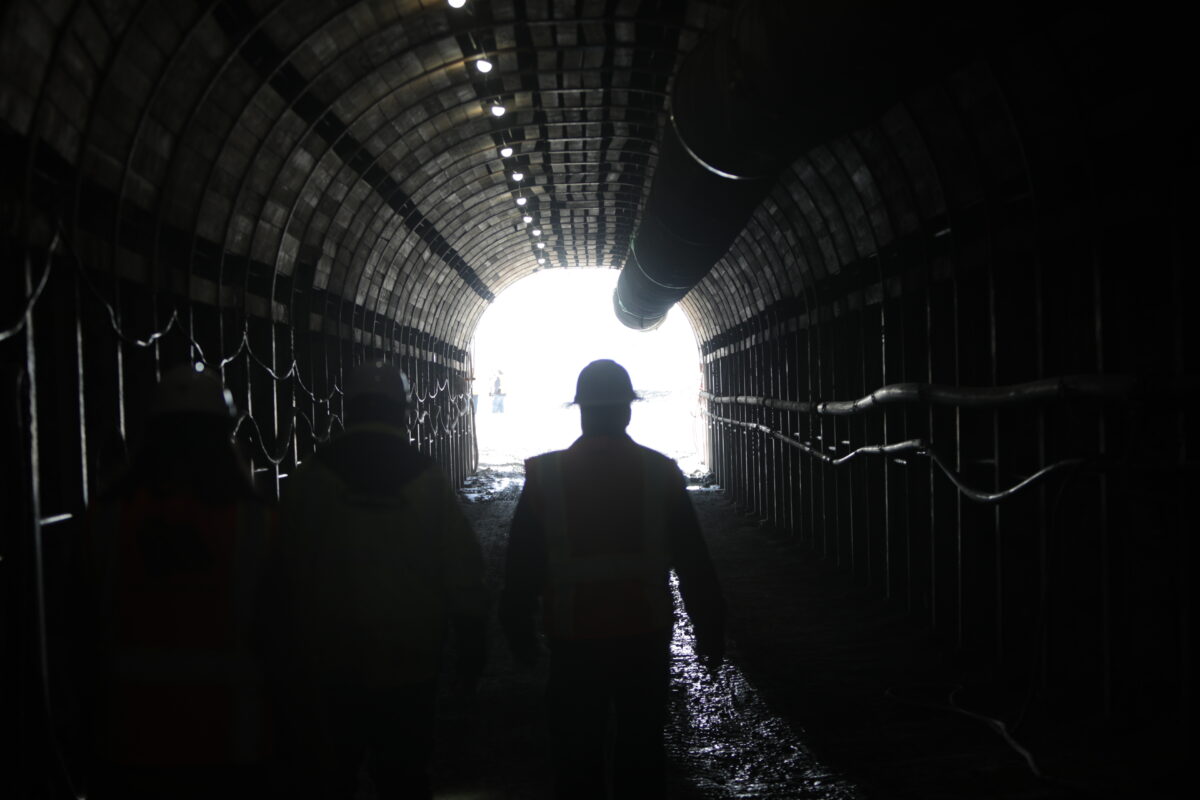
- A tunnel that is part of the Alpine Aqueduct Reach 1 Risk and Resiliency project is pictured Thursday, Jan. 15, 2026, in Orem.
-
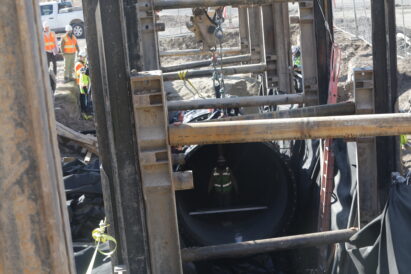
- A pipeline that is part of the Alpine Aqueduct Reach 1 Risk and Resiliency project is pictured Thursday, Jan. 15, 2026, in Orem.
-
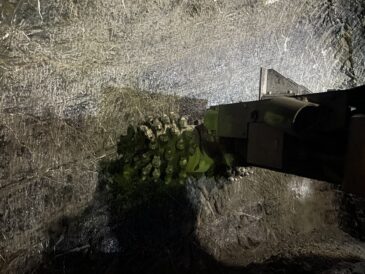
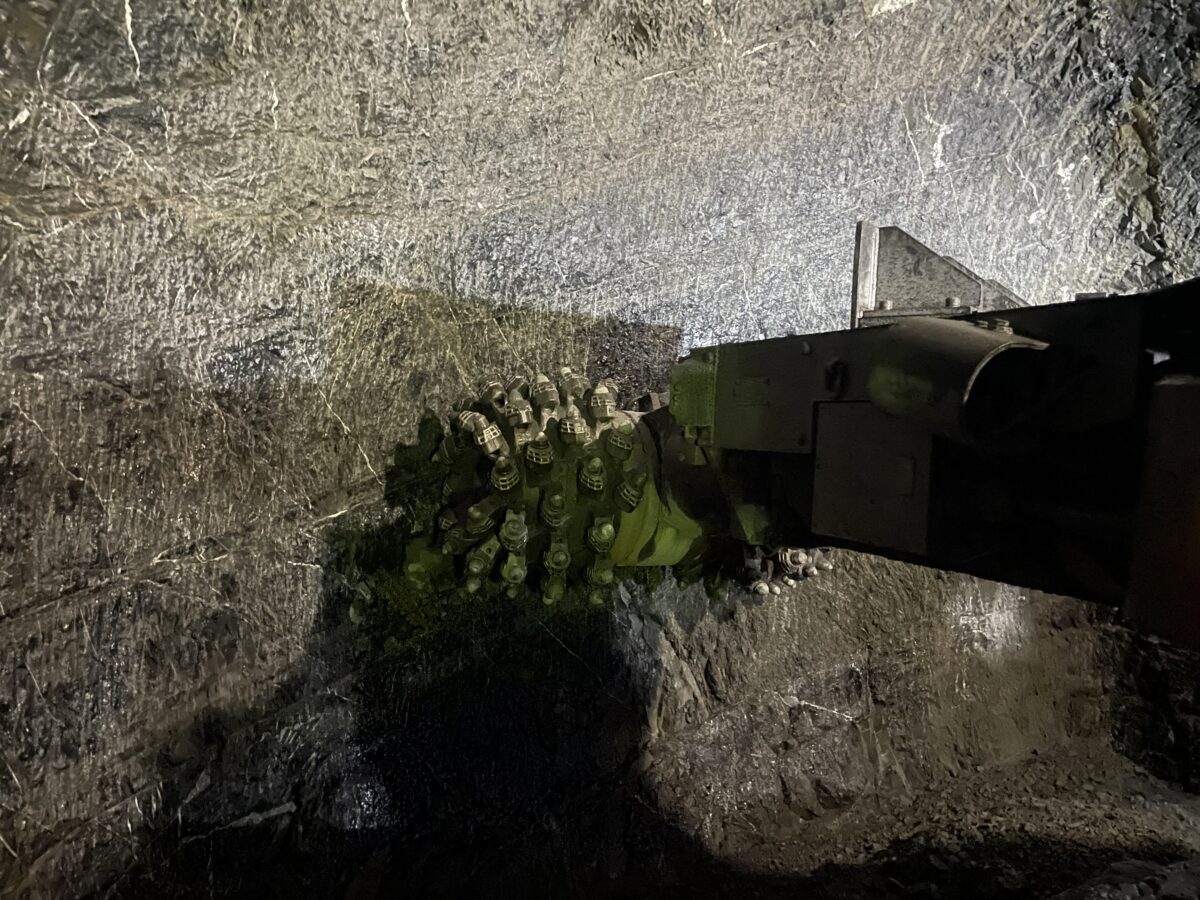
- A roadheader that digs a tunnel as part of the Alpine Aqueduct Reach 1 Risk and Resiliency project is pictured Thursday, Jan. 15, 2026, in Orem.
The Alpine Aqueduct Reach 1 is an important piece of infrastructure at the mouth of Provo Canyon that helps transport water to approximately 1.6 million people along the Wasatch Front.
But an issue with the current alignment of the 1.1-mile-long pipe, which brings 450 cubic feet of water per second from the Provo River to the Don A. Christiansen Regional Water Treatment Plant in Orem, is that it is vulnerable to seismic events and landslide movement.
The Central Utah Water Conservancy District, or CUWCD, is addressing the issue by realigning the pipe and eliminating the risk.
The CUWCD began the massive project last spring and is slated to complete it in early 2027, moving the pipeline away from a hillside susceptible to landslides and engineering it to endure earthquakes as it crosses the Wasatch Fault Line.
Contracted out to W.W. Clyde, the $100 million operation involves building a 9-foot-diameter pipe that is 6,120 feet long and bypasses the landslide area, requiring construction of a 1,013-foot-long tunnel.
If all goes to plan, the end product will be a massive, manmade underground river that quietly and securely delivers municipal water to the masses.
“All of these aqueducts and pipelines are buried. You don’t see them,” CUWCD Engineering Manager Chris Elison said. “The only thing you see is the treatment plant up on the hill. … This area at the mouth of the Provo River is really the Interstate 15 of water delivery for Utah County and Salt Lake County.”
While construction is ongoing, the project is quite disruptive to the Orchard North neighborhood in Orem, as the redirected pipeline will travel beneath the neighborhood through 1060 North and 1360 East. Workers spent all of last summer moving utilities from beneath the road to under the sidewalks to make way for the large pipe, which will start being inserted this summer.
While a nuisance, construction is better than the alternative for the neighborhood — remaining beneath a vulnerable pipeline that has had a handful of “failures” since its inception.
“The pipe has broken. It’s washed out, or a landslide has come on top of it, or we’ve had to take it out of service,” Elison said.
The current pipeline goes west across the hillside on the north side of the mouth of the canyon. The new pipeline will make a U-shape, taking a sharp turn south before the landslide area, then west across the neighborhood and north to the treatment plant.
To move the pipeline south requires blasting a 1,000-foot tunnel through the hillside — a massive effort fronted by a large drilling machine called a roadheader.
“It’s quite the machine,” Elison said.
So far, the roadheader has drilled approximately 650 feet of tunnel that is 14 feet tall and 16 feet wide. A 600-foot duct line pipe is funneled into the tunnel to provide air, and rocks drilled by the roadheader are trucked out by workers.
For now, it is a massive, walkable tunnel fitted with electricity and air. Once the project is complete, however, the tunnel will be completely inaccessible.
“Our new pipe will be installed inside of that, and then concrete will be poured around it,” Elison said. “In the future, this will all be buried.”
Another hurdle includes two sections of the new route that cross the fault line. In those areas, W.W. Clyde is placing hazard-resilient ductile iron pipe that, in the event of an earthquake, will bend and elongate to withstand vertical or horizontal shifts, according to Elison.
“The thought is you’re not allowed to stop Mother Nature, so let it move,” W.W. Clyde Project Manager Randy Lingwall said.
The project was made possible by large federal grants. FEMA pledged $46 million, and the Division of Water Resources committed $22 million.
Local News
Rerouting an aqueduct: Inside the CUWCD’s massive pipeline realignment project near Provo Canyon
Utah lawmaker wants to cut off resources for undocumented immigrants to get them to ‘self-deport’