Exploring the possibilities: Provo officials weigh-in on evaluation process for proposed Vesper Amphitheater
Provo officials weigh-in on evaluation process for proposed Vesper Amphitheater
-
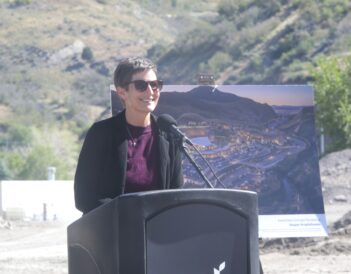
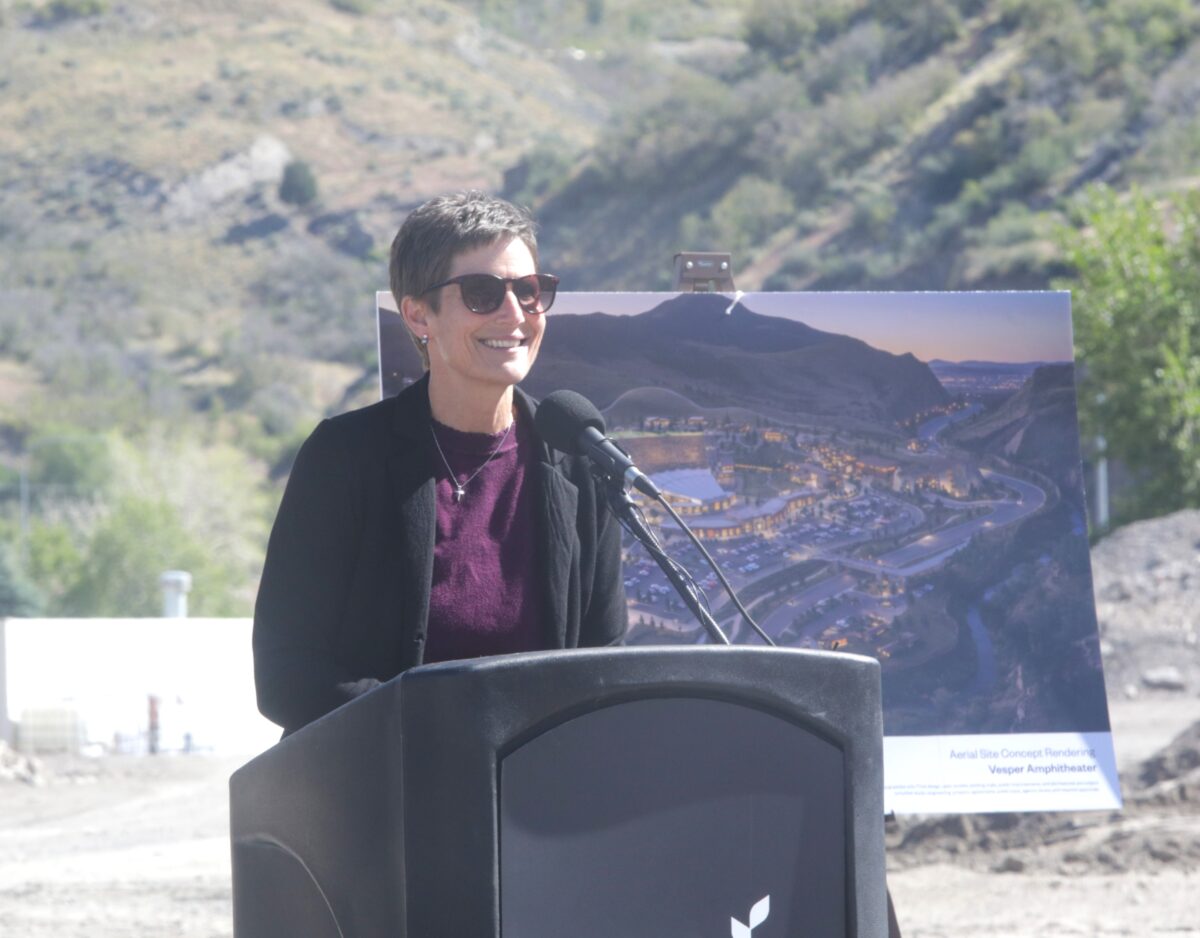
- Provo Mayor Marsha Judkins speaks at an event announcing plans for Vesper Amphitheater Tuesday, May 19, 2026, in Provo Canyon. (Jacob Nielson, Daily Herald)
-
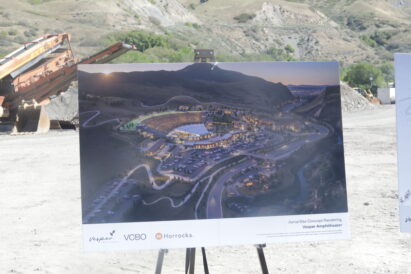
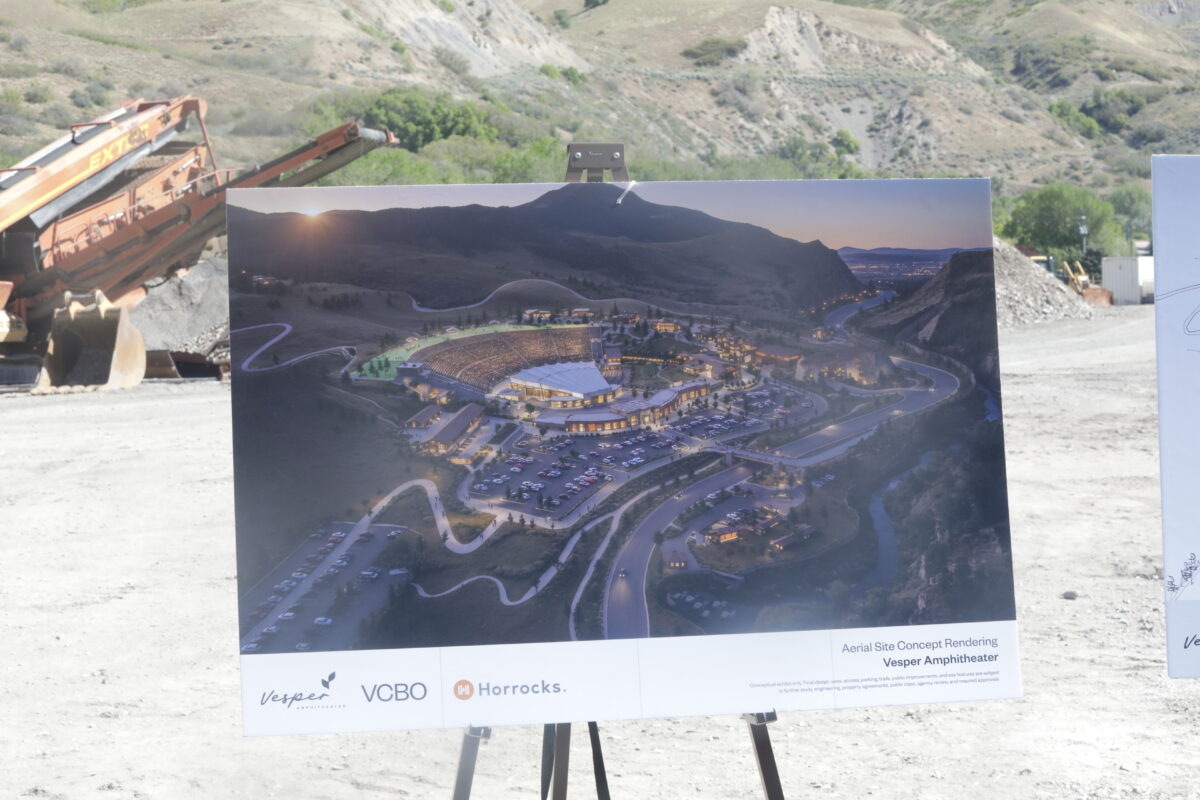
- Renderings of Vesper Amphitheater are shown Tuesday, May 19, 2026, in Provo Canyon. (Jacob Nielson, Daily Herald)
-
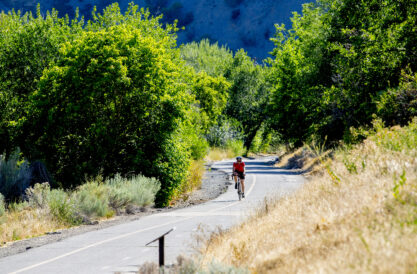
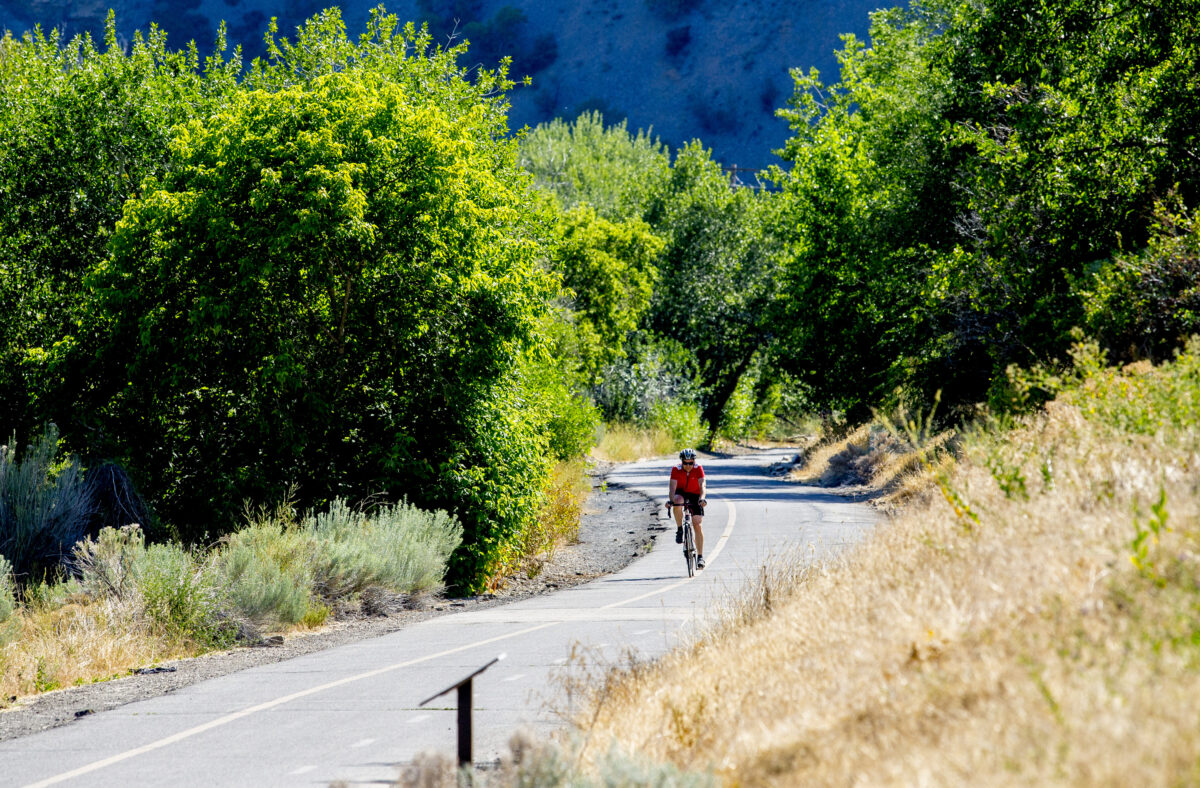
- A cyclist rides along the Provo River Trail in Provo Canyon. (Isaac Hale, Daily Herald file photo)
-
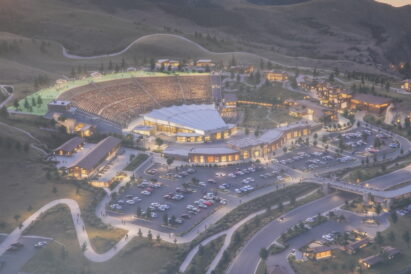
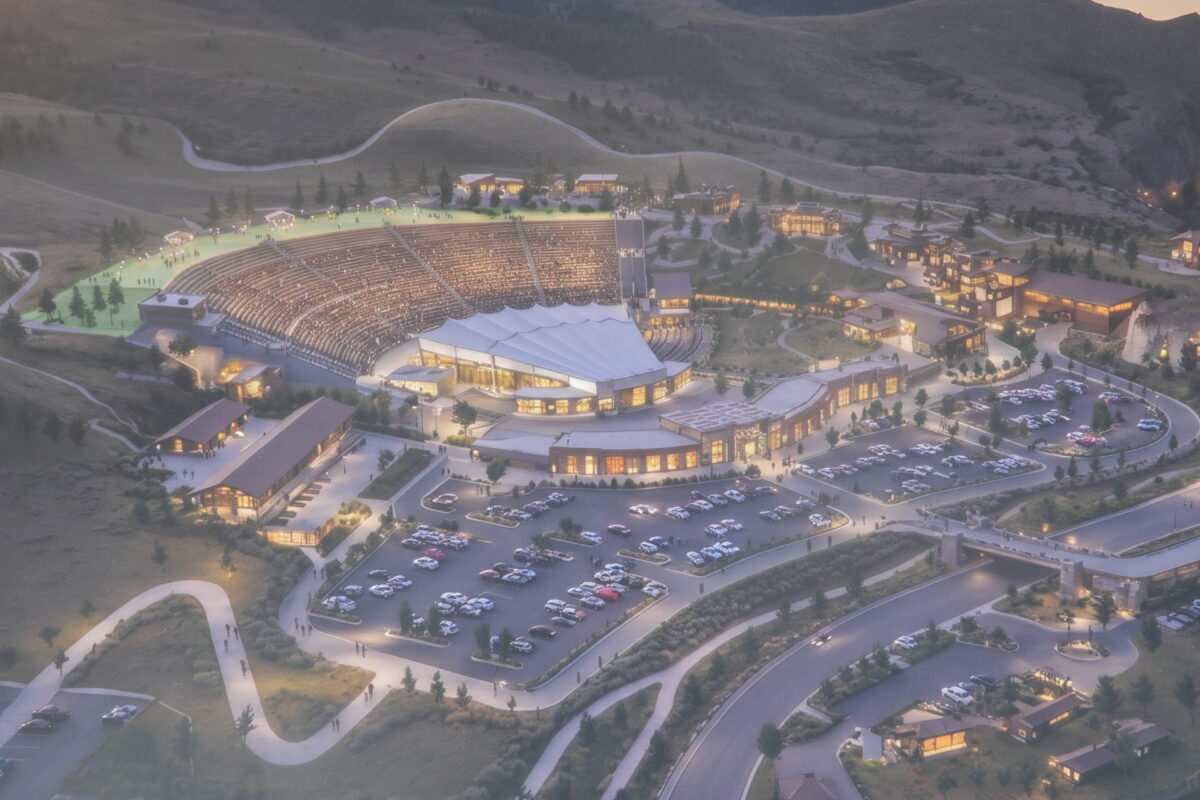
- Renderings of Vesper Amphitheater are shown Tuesday, May 19, 2026, in Provo Canyon. (Jacob Nielson, Daily Herald)
A proposal to build a large amphitheater on 100.7 acres of quarry and city-owned land at the mouth of Provo Canyon could fundamentally change the area’s landscape and use.
Vesper Amphitheater, pitched as a 20,000-seat outdoor concert venue, was announced by members of the Osmond family on May 19. Developers stated it would become the “gateway” to Provo Canyon that would transform an existing gravel pit into a world-class venue that would attract top performers and visitors to the city.
Detractors of the proposal say it would disturb the environment of the canyon and generate too much traffic and congestion. Many are outright against the commercialization of the canyon.
Weighing the matter are Provo city leaders, whose inboxes are full of comments from concerned residents. Mayor Marsha Judkins endorsed the project when it was revealed in May, saying there were hurdles to be crossed but that it would be a premier space to transform the property.
In a conversation with the Daily Herald last month, she re-emphasized that there were a lot of concerns the city must address, but said the project is worth exploring.
“As mayor, it is my job to look at creative, bold ideas, and see if they will benefit the city or not,” Judkins said. “And for me, this is one of those bold, creative ideas that doesn’t come around very often.”
The Provo Planning Commission voted not to recommend general plan and zone map amendments to make way for the project in June; however, the Provo City Council will have the final say. The developer is also required to enter into a development agreement with the city if the project is approved.
The council has scheduled an Aug. 11 meeting to discuss the issue publicly, but will not come to a vote then. District 2 Council Member Jeff Whitlock said the council members have been engaged in speaking to the developer, the public and other government partners about the issue and asking questions.
The first-year city councilman’s critical consideration is to know what the people’s vision for the future of Provo Canyon is.
“To me, public land belongs to all of Provo residents, and therefore the residents of Provo should have a major say in how public land is used,” Whitlock said. “And so, it is a political question just as much as it is a technical question. The question is what vision do Provo residents have for Provo Canyon? That’s what I’m spending a lot of my time trying to understand.”
Examining the appeal
Applicants, who include Vesper founder Spencer Shumway and executive director David Osmond, are pitching to build the amphitheater on 100.7 acres south of Timpanogos Park, with 34.23 acres of the property located on a gravel pit owned by the Provo Canyon Mining Company and 66.47 acres currently owned by Provo City.
Plans call for an adjoining hotel, restaurants, parking and associated retail adjoining the property. The venue could be transformed into an indoor 8,000-seat venue during the winter. Developers are requesting a general plan amendment to commercial land use and a zone map amendment to a regional shopping center zone. A portion of the property would be placed into a conservation easement.
It is an intriguing proposal for a city that could use the revenue. In 2025, Provo received roughly $28 million of sales tax revenue, trailing Orem’s sales tax revenue of roughly $40 million.
Whitlock said approximately 60% of Provo’s sales tax revenue comes from population-based sales tax distribution, compared to just 40% from point-of-sales. He said an economically median city would receive 50% of its sales tax from point-of-sales and an overly productive city economically would get 60%.
This project could potentially raise Provo’s point-of-sales revenue by attracting thousands of out-of-town guests to the venue and spending their dollars in Provo.
Judkins said the city’s economic development department is currently researching the estimated economic impacts for the project.
“We’re talking about the economic impact, which is really great for Orem, Heber, Provo, for any city that’s surrounding it,” Judkins said. “The economic impact should be really, really amazing. They’re getting those numbers, so we’ll see. If it’s not worth it, then the answer is no.”
Whitlock acknowledged that tourism could be a key way to generate necessary economic development. He said an important question with a project involving Provo Canyon is whether economic development should be the overriding consideration.
He also said if the council approves the project, it does so with inherent risks.
“Risks can often be a good thing, but they’re still risks,” Whitlock said. “If you sell public land based on the assumption that this project will happen, you have to assume it’ll be delivered as promised, that it’ll be a successful venue, that it’ll be independently sustainable, that it’ll generate the tax dollars you expect, and that it’ll produce the secondary economic impacts you anticipate. All of those are risks.”
Setting guardrails
Judkins said a number of residents’ concerns with the project, such as how traffic will be mitigated, addressing parking and protecting the canyon, are shared by the city. She said Provo created a development agreement — an additional step to ensure those concerns are addressed.
“If we can’t get traffic figured out, if they don’t stay on the footprint of the gravel pits, if they don’t do the conservation easement … If the things in the development agreement aren’t met, then the project also can’t move forward,” Judkins said.
When a property receives a zone change, though, anything permitted within that zone can happen by right, according to Whitlock. He said there is discussion on whether the city could revert the zone change if the development agreement is doesn’t go through, and said the city council is trying to figure out how that would work.
Judkins said that language is in place in the development agreement.
“The city council has the opportunity at that point to revert the zoning back to what it is now,” Judkins said.
Arguably the largest logistical challenge the developer will have to solve is how to transport 20,000 people into a canyon venue accessible via a single road multiple times a year.
The development agreement caps the amount of on-site parking stalls to 8,000, and limits how much space on the property can be used for parking. Judkins said they plan to build a parking garage and fit cars on the site. She said they are looking at shuttles, and bike and walking trails to get to the venue.
Judkins said whatever plan the developer presents has to be approved not just by the city , but by the Utah Department of Transportation, which owns U.S. 189.
“UDOT’s big goal that they state is to alleviate congestion,” Judkins said. “So they are going to have to be satisfied that whatever plan is put in place, it will mitigate the extra cars that are going to be using the road.
“We want good things for our citizens, right? We don’t want to tie up hours and hours of traffic on the road, either. So, they’ll have to come up with a great plan to do this.”
Both Judkins and Whitlock said they’ve been trying to listen to constituents and listen to the concerns. The fate of the proposal ultimately rests with the seven members of the city council, who Whitlock said each have their own process and perspectives.
“We’re in that step of the process of trying to get detailed answers to those questions before it comes to a vote,” Whitlock said.
Local News
‘5 minutes before the miracle’: How Provo fighter Court McGee turned addiction into two-decade MMA career
A bond that runs deep: Brigham Young High School Class of 1961 gets together for another reunion in Provo