Rep. Celeste Maloy talks reelection bid in restructured 3rd district
-
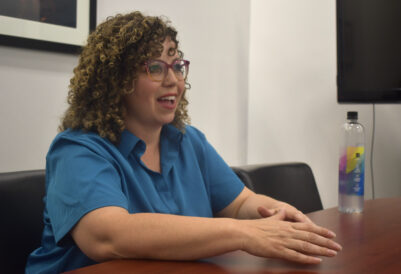
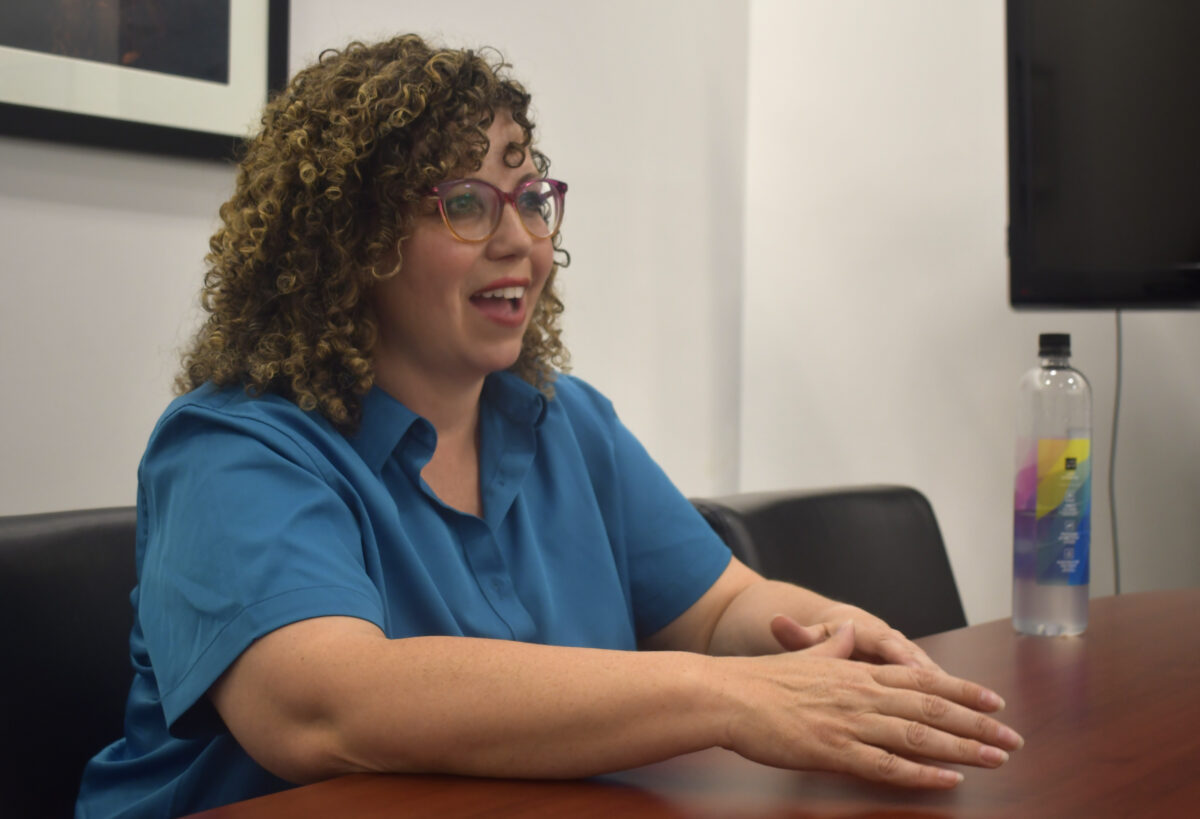
- U.S. Rep. Celeste Maloy talks with the editorial board at the Daily Herald in Provo on Tuesday, June 2, 2026.
-
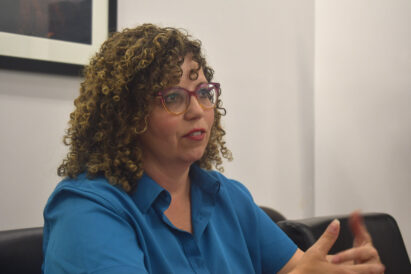
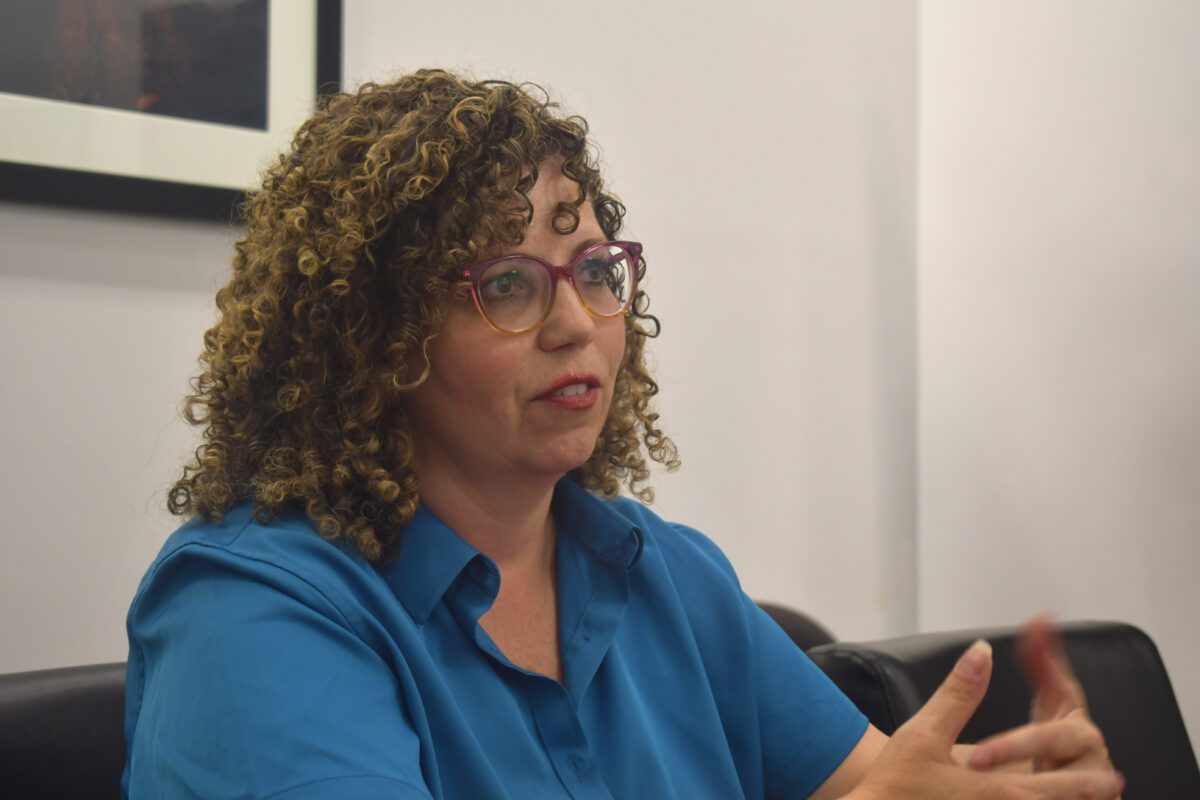
- U.S. Rep. Celeste Maloy talks with the editorial board at the Daily Herald in Provo on Tuesday, June 2, 2026.
-
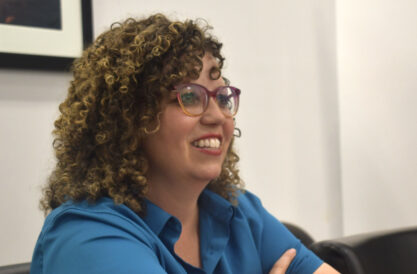
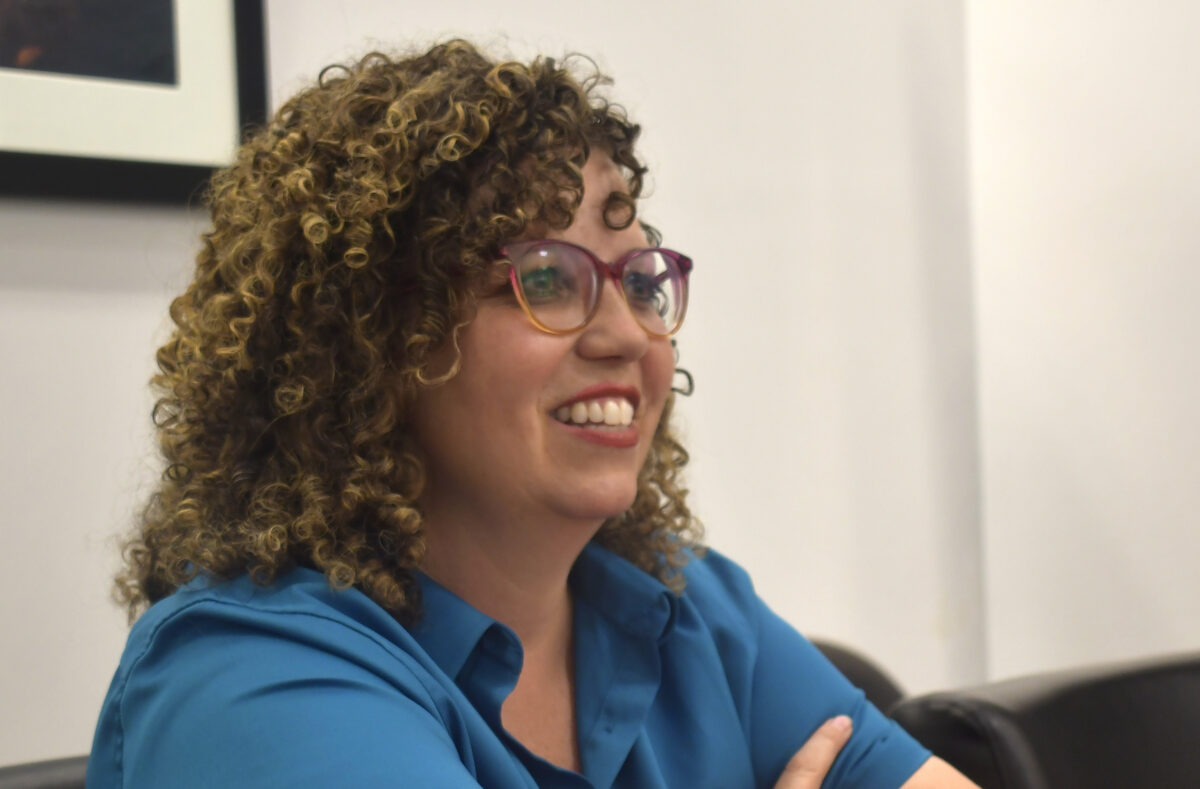
- Representative Celeste Maloy talks with the editorial board at the Daily Herald in Provo on Tuesday, June 2, 2026.
Rep. Celeste Maloy is nearing the completion of her first full term and is seeking another, this time in the restructured 3rd District, which will cover Provo, Orem, Alpine and much of southern Utah County.
She sat down with the Daily Herald editorial board for an interview to discuss her campaign. The Daily Herald is also arranging a time to meet with Phil Lyman, Maloy’s challenger in the June 23 Republican primary.
Maloy is a former attorney with a public lands and water background who said she has prioritized natural resource issues during her term. She is also a fiscal conservative who said she spent a lot of time on regulatory reform.
She said she is running again because she wants to accomplish work she set out to do.
“If you work this hard to get into Congress, you want to accomplish something,” she said. “And I’m still in the middle of my first term. I’m on the Appropriations committee, and we passed all 12 appropriations bills last year. … But I want to be there long enough to actually make some changes and see some things through, and I’m excited about the direction a lot of things are going.”
New district
Maloy’s reelection bid will be determined by a voter base that, outside of southwest Utah, has not yet been represented by her.
The reorganized District 3 will cover more land than the other three districts combined, encompassing all of southern and eastern Utah, much of Utah County and the Wasatch Back from Wasatch County to Morgan County.
Maloy said she is capable of responding to the various needs of a wide area, citing her service in District 2, which covers portions of Salt Lake and Davis counties, along with much of south and west Utah.
She has connections to the new District 3, currently residing in Cedar City, previously working as a deputy county attorney in Washington County and living in Provo for three years to attend BYU Law School. She argued the urban areas of Utah County and Washington County have similar issues.
“They’re really fast-growing areas that used to be much more rural but are now urbanizing, and everybody’s kind of having to adjust,” Maloy said. “They’ve got infrastructure needs and housing pressures. I learned as deputy county attorney in Washington County and working at the Water Conservancy District in Washington County and dealing with growth pressures, a lot of that can apply in Utah County as well.”
To familiarize herself with her potential new district, Maloy said when the new maps came out, she traveled to Utah County and met with all the mayors in the new congressional district.
“If I win this race, then I want them to be able to pick up the phone and call and say ‘We need help with this,'” Maloy said.
She added that when she is contacted about issues the state or local government has jurisdiction over, she can connect people to the right sources.
“Part of doing this job well, I think, is knowing when to say the federal government shouldn’t be doing that,” Maloy said. “That should be the state or the local government. So, I’m glad you’re having great ideas. Good luck implementing them. We should not be part of it. Congress should not be involved in every decision.”
To win the seat requires defeating Lyman in the primary, somebody she said she has known for years and who has a similar background. When asked how she would differentiate herself in the race from Lyman, Maloy said she does not talk about her opponents during her campaigns.
“I let them do their thing, I talk about what I want to do, and my hope is that if I can keep doing that, more people will show up and participate,” she said. ” … If I spend all of my time talking about my opponent or using talking points that aren’t really enlightening, then people turn off and they go home. They’ve got things to watch on Netflix.”
Water
Water scarcity is a major ecological issue in the state, as poor snowpack years led to the shrinking of the Great Salt Lake and reduced water supply in the state’s reservoirs — all while the state grows.
Maloy said the goal is to make every drop of water go as far as it can without attacking agriculture. She is optimistic about the focus the state has placed on water reuse and metering in recent years and said there is alignment on the federal and state level to make serious improvements.
“In a year where we are cutting funding and appropriations bills, we managed to get money into the appropriations bills for water in Utah,” she said.
As a member of the Energy and Water Subcommittee, Maloy said she wants to use that alignment to get good policies in place that can lead to water stability in the west.
“In my mind, the best way for the federal government to do that is to invest in water infrastructure … but make sure the state stays in the driver’s seat as far as (what) Utah’s water policy should be.”
Hot-topic issues
A contentious topic nationally is immigration. In the state, the conversation has focused on 287(g) agreements, where local sheriff’s offices partner with U.S. Immigration and Customs Enforcement and can enforce immigration law.
Maloy expressed her support for the partnership. She said it has led to local enforcement doing the policing in a community they’re familiar with and has reduced incidents seen in other states.
“If you want immigration enforcement to be humane and tailored to the needs of the community, you want the sheriff’s office doing it,” she said. “If an ICE van shows up at a work site versus a sheriff’s department truck, there’s a totally different reaction, and our sheriffs have been really good about nurturing those relationships, and I think it’s helped Utah a lot.”
Also on a state level, frustration has simmered over the data center project in Box Elder County that was approved by the county commission but faces other hurdles.
Maloy did not directly comment on her stance on the issue, but said the lesson is public officials can be more transparent.
“When you say the public doesn’t understand, I think that’s a process violation on our part,” Maloy said. “The public shouldn’t get caught off guard. The public should have a chance to ask all those hard questions before it becomes a bill or a plan or a done deal.”
Maloy said that requires time and effort to bring people along, answering their questions and helping them get comfortable with something.
Maloy was also asked, if reelected, how she and the other Utah Republican congress members would navigate working with the Democratic representative that is widely expected to come out of the reformed District 1.
“I don’t know yet,” she said. “Let’s see who gets elected and how well they want to work with the rest of us.”
Local News
BYU Kennedy Center director identified as man involved in fatal Provo bike crash

Growing outward: Meta announces expansion of Eagle Mountain data center facility, contributions to community